by Petruş Costea
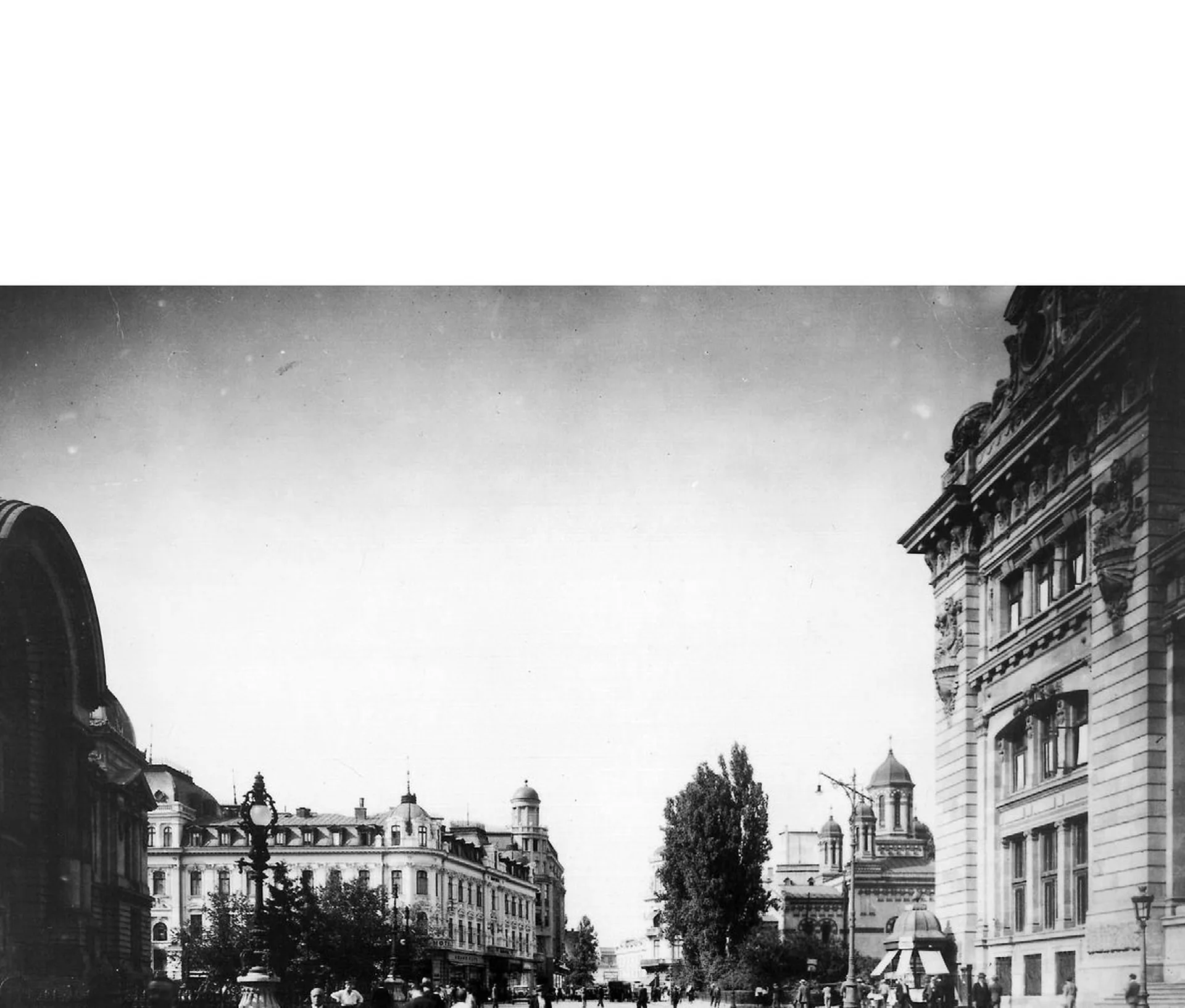
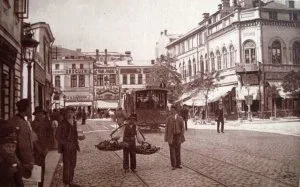
The egos of the small countries always work efficiently to solve image problems of comparison to their neighbours (in our case countries as small as us) or to great cultures, while watching them enviously. As a form of compensation, to overcome less important cultural frustrations, we also like to stubbornly believe in the myths where we get with an excellent image, and “Bucharest - Little Paris” is one of them. Every Romanian knows the formula and is excited about the Western flavor, but we ignore that some other Balkan cities received this “award”, besides our capital. What was so Parisian about Bucharest then?
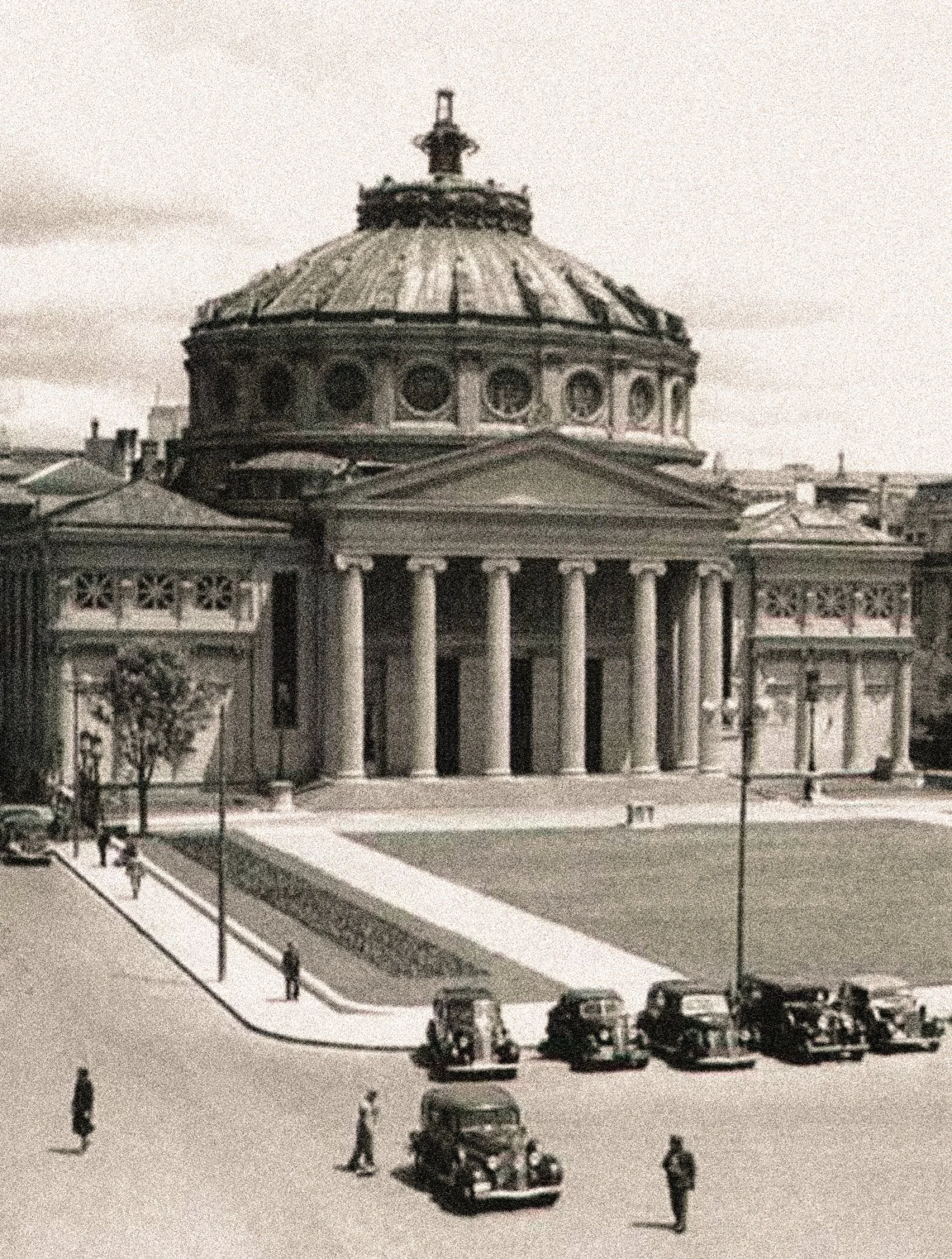
Between the two World Wars, a period which we see through a predominantly idyllic mirror, Bucharest really was a small Paris. There was a well thought musical season with famous works of classical and romantic repertoires (from Mozart to Brahms), but also with attempts to bring the audience closer to the contemporary music and to the unusual novelty at the time (they played, however, Mahler), plus Romanian music (composition prize “George Enescu” was founded in 1915 and winning entries were scheduled during the Philharmonic season). There were some concert halls, the main being the Athenaeum and Sala Dales. So far, nothing extraordinary because this happens in any consistent season. But a music lover wants something more, he wants to see the stars on stage, the most important musicians of the world, those he knows from the records of 78 rpm from major labels. They managed quite well to meet the expectations of the Romanian public.
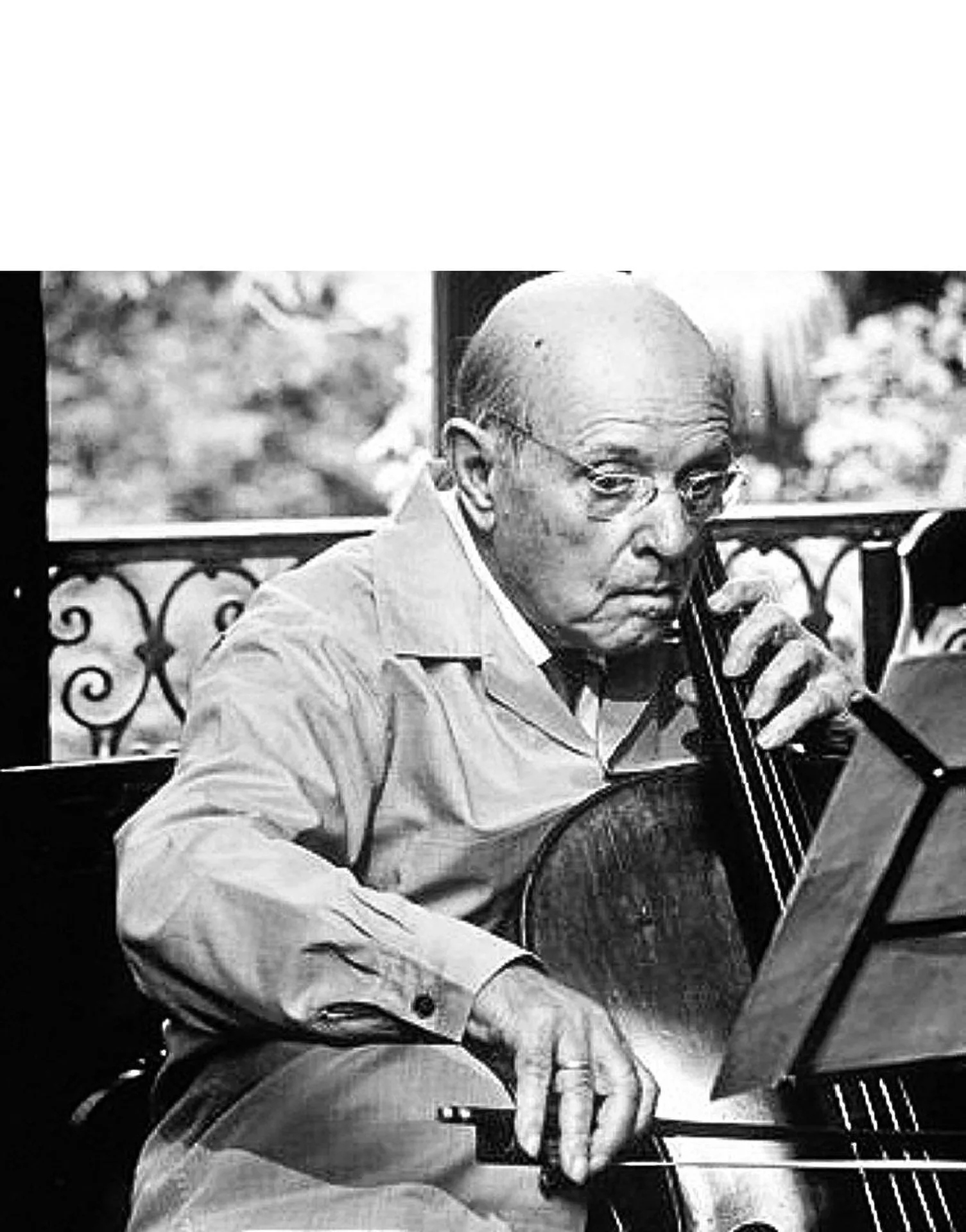
In the ‘30s, there was a gentleman, Jack Bratina, artistic director of the Philharmonic, who managed to bring on the stages of Bucharest the biggest names of the time: artists who performed on all major European scenes of the time: Pablo Casals playing with George Enescu at the Athenaeum, Wilhelm Kempff, Wilhelm Backhaus, Artur Rubinstein were not rare occurrences, while Zino Francescatti, Nathan Milstein or Fritz Kreisler performed recitals with consistent programs, and so did young pianists Claudio Arrau, Alfred Cortot, and famous conductors like Felix Weingartner and Willem Mengelberg. These appearances gave a normal vibe to the concert life and music lovers were feeling like they had access to the best performances. But, let’s not delude ourselves: not even then were celebrities coming to Bucharest as often as we’d like to believe. The tickets prices could also often get quite high.
Notes about concerts were found in the writers journals of the time: notes about emotions, snobbery and about the Bucharest music world in general. At 21, Jeni Acterian notes about a recital of Fritz Kreisler that she saw on stage for the first time: “He played Kreutzer Sonata, which I heard for the fourth time this year. But of course I prefer Enescu’s interpretation “
Another music lover, Mihail Sebastian, involved more seriously in the concert life as a music columnist, writes about the concert of cellist Pablo Casals in 1937, after he played Schumann’s concert and Brahms’ duet with Enescu “Casals gives me tears. I have no courage to applaud him. I’m ashamed to “approve him”. What a an amazing art lesson, and perhaps of life! No “chichi”, nothing flashy, nothing too much: All simple, serious, reticent, as if arising from a great loneliness.”
Anton Holban, the exquisite music lover and one of the most passionate record collectors used to write concert chronicles and often returned to the personality of George Enescu about whom he was not ashamed to write about: “The enthusiasm for the divine art of Enescu shook me so long, it amazed and gave me an avalanche of sorrow and joy, it nearly made me change my whole outlook on life sometimes [...] Writing about Enescu also endures technical difficulties: it is extremely difficult to start a portrait made up only from praises, without taking into consideration dark corners which could trouble a game of lights and shades, which could vary the landscape. It is not necessary to specify some biographical data or to make a timeline of his work, but more to dedicate him a anthem. What poet would dare?”
The fact that music lovers had access to the stars of classical music helped them having an honest perception of a concert, because only when you listen to high quality music you can tell when something sounds bad or mediocre and so you are no longer willing to applaud only out of politeness or snobbery. Less than Parisian, but completely contemporary, was the noise, the famous “fizzle” during the concert, a faithful partner of every music lover. Jeni Acterian notes with irritation about a performance of George Enescu: “They were dropping on the floor, in the middle of the concert, with sound and echo in my nerves, all kinds of items: binoculars, make-à-main sites, purses and so on. Feminine items as useless at a concert as necessary to snobbish people. After the break followed the Kreutzer Sonata. Enescu came, he was applauded and started to play. After a few moments he had to stop. Outside, the bell hadn’t rung the end of the break and the audience (the male, who cannot stay more than an hour without smoking and female, had to came just to be seen) came back on their tiptoes making a terrible noise”. This scenario sounds suspectly familiar to music lovers from the Athenaeum, doesn’t it? Now, we have the chance to diversify: mobile phones with more exotic ringtones.
So, was musical Bucharest a real Little Paris between wars? We would like to have someone to guarantee it. But it was more like a European city with Balkan flaws or a miniature Paris, but with a big heart.
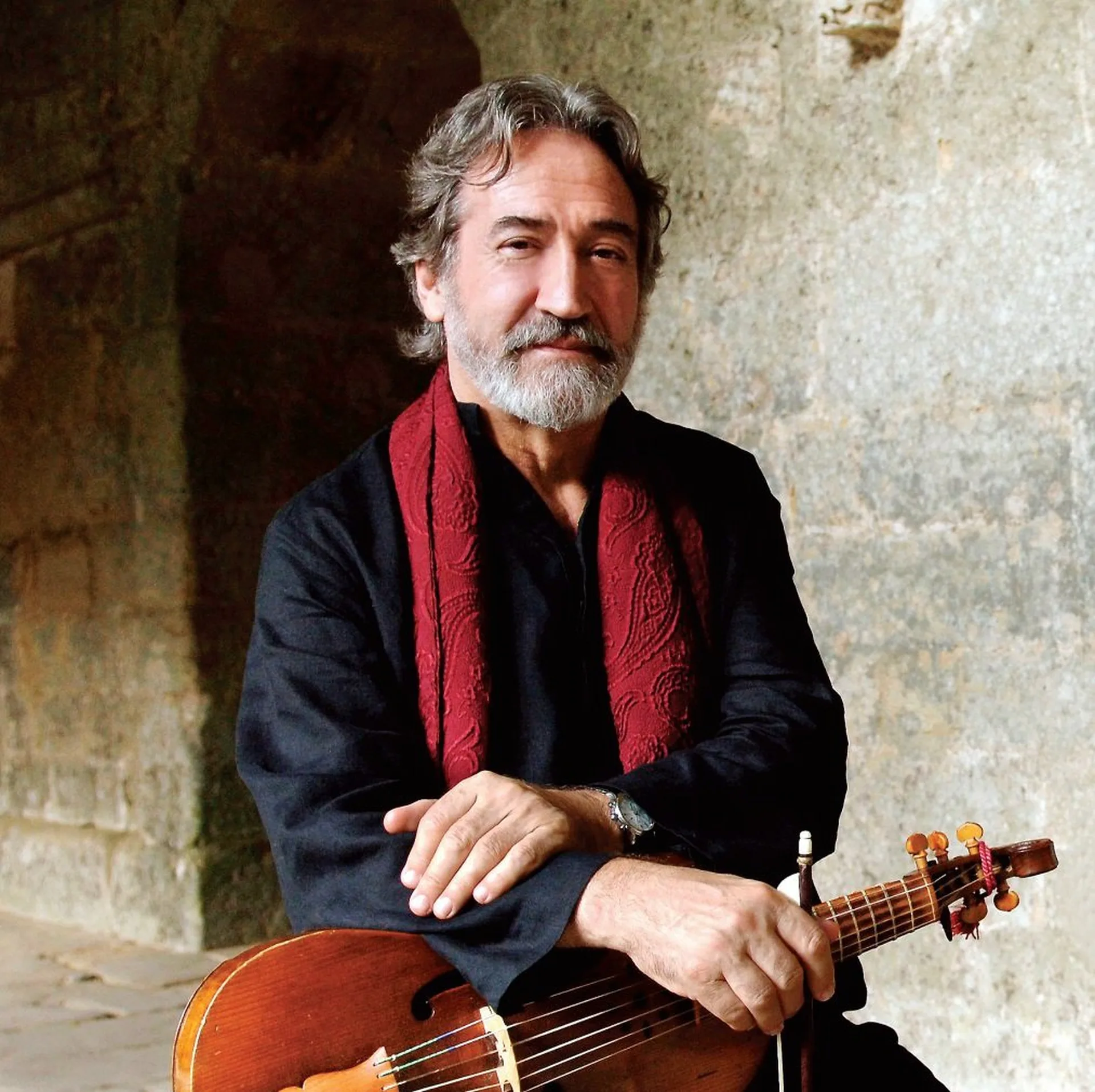
And in 2013-2014, still Parisians? The season, is also somewhere there, moreover, some festivals (besides the giant Enescu Festival – with another rank) maintain the normality of the concerts’ life: SoNoRo Festival, Early Music Festival or the International Week of New Music. There are celebrities coming even now, every two years, concentrated in a single intense and unusual month: Yuja Wang, Daniel Barenboim, Zubin Mehta, Murray Perahia, Radu Lupu or Jordi Savall, Evgeny Kissin and Viktoria Mullova.