by Karina Gospei, photo archive Constantin Vacheron
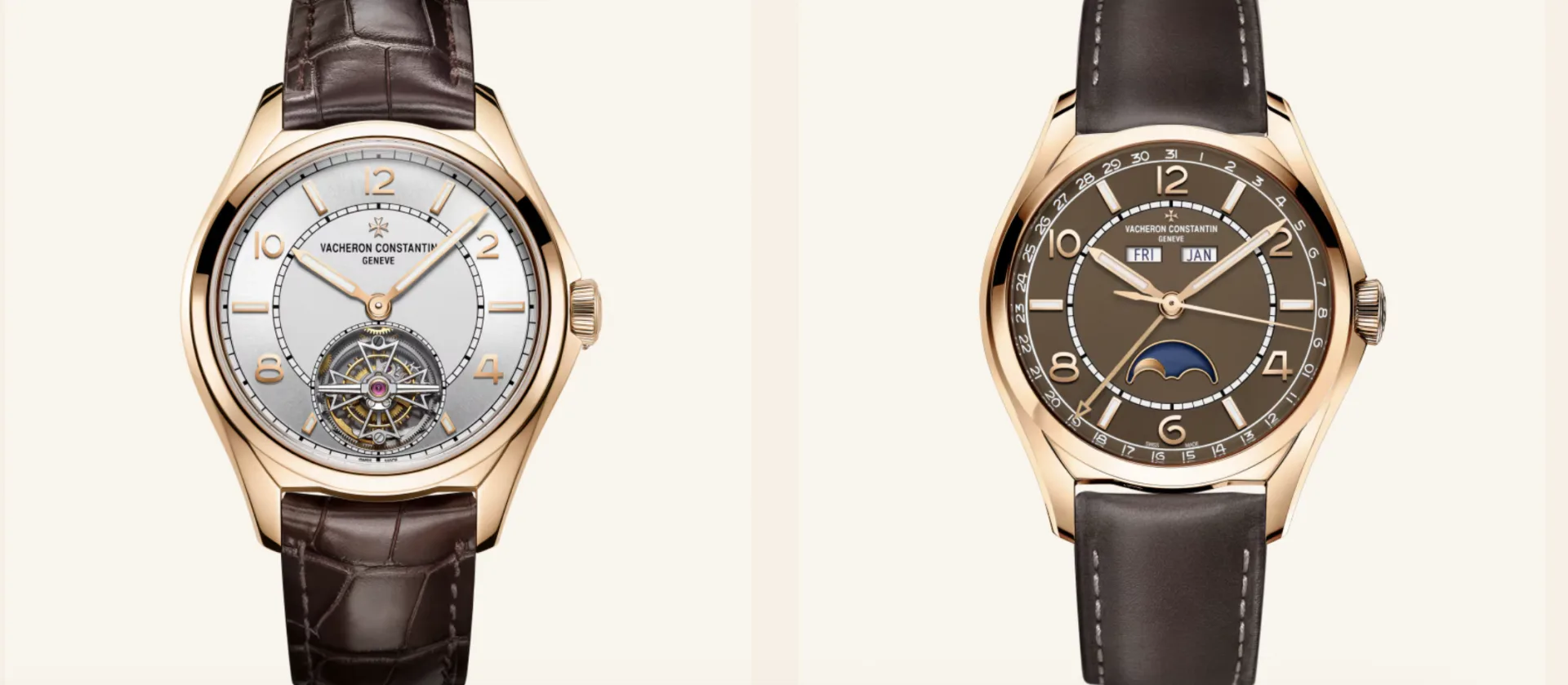
Art, but above all, precision in timekeeping, refinement, and ultra-thin calibres. For more than two centuries, the House of Vacheron Constantin has explored virtually every facet of watchmaking, from tourbillon regulators to astronomical displays, from striking timepieces to chronographs. In short, almost no aspect of horology has escaped the Maison's expertise.
The House's motto has remained unchanged to this day: "Do better if possible, and that is always possible". These are the very words François Constantin wrote in a letter to his business partner, Jacques-Barthélemy Vacheron, and they continue to embody the spirit of the Maison.
Among the distinguished figures who commissioned timepieces from Vacheron Constantin were Queen Marie of Romania, brothers Henry and William James, and Prince Victor Napoleon, grandson of Jérôme Bonaparte.
Vacheron Constantin: The Early Years - Vision, Boldness and Determination
The story of the House of Vacheron Constantin began in Geneva, Switzerland, in 1755. That year, 24-year-old master watchmaker Jean-Marc Vacheron hired the first apprentice in his workshop, with the aim of passing on his craft. This milestone marked the birth of what is today the world's oldest watch manufacturer in continuous operation since its founding. Jean-Marc Vacheron was never content simply to create watches that reflected the fashions of that era. In 1770, he developed what is regarded as the world's first watchmaking complication, and in 1779 he designed the first engine-turned dials, opening new horizons for the evolution of fine watchmaking.
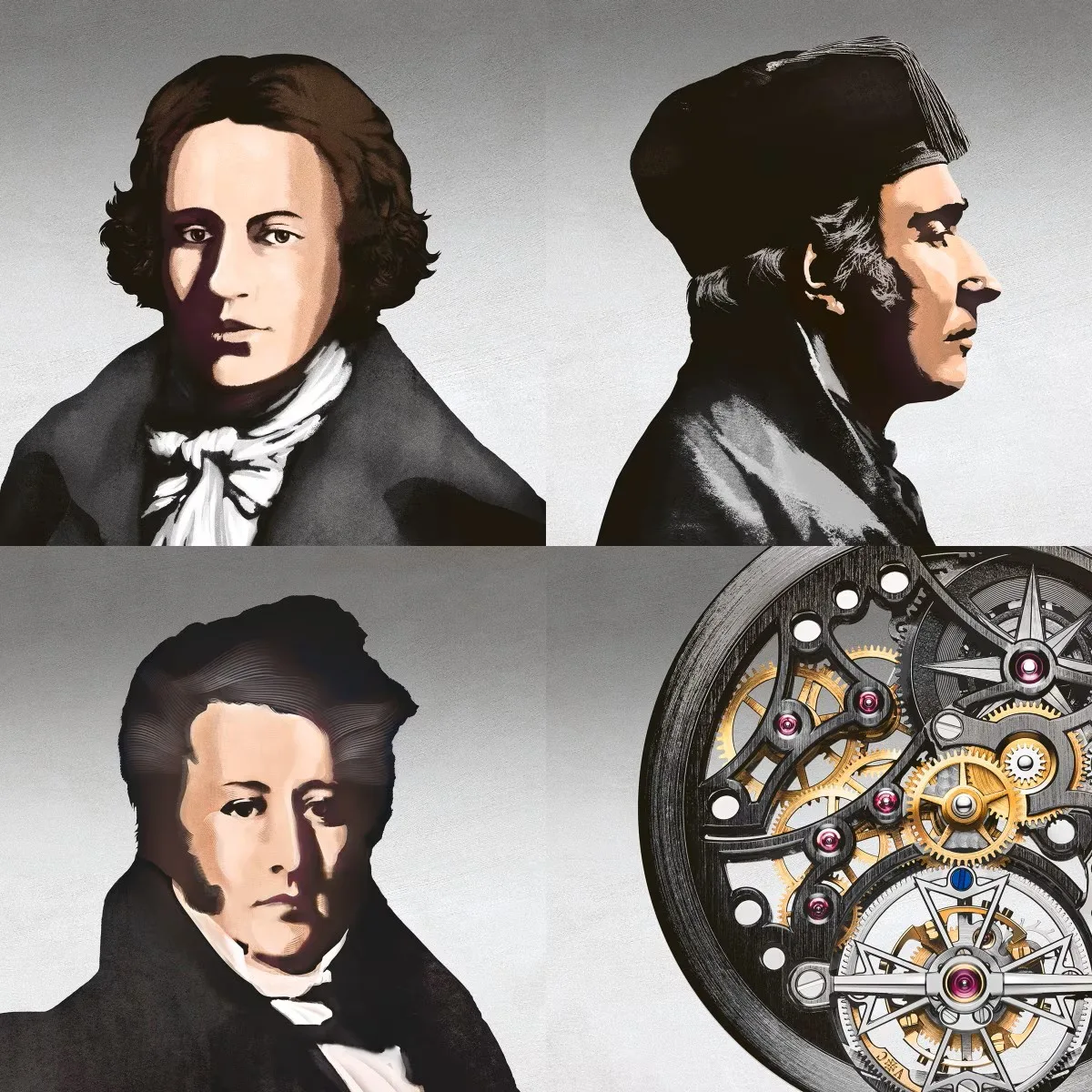
Jean-Marc's legacy was carried forward by his son, Abraham Vacheron, who took over the family business in 1785, and later by his grandson, Jacques-Barthélemy Vacheron, who assumed leadership of the company in 1810. Driven by ambition, he expanded the export of Vacheron timepieces into France and Italy. He soon realised, however, that such a growing enterprise required a trusted partner. In 1819, he joined forces with the accomplished businessman François Constantin. Their partnership gave birth to the House of Vacheron Constantin and laid the foundations for its international success.
Vacheron Constantin: From Innovation to the Maltese Cross
The Vacheron - Constantin partnership made it possible to recruit one of the great watchmaking geniuses of the nineteenth century - Georges-Auguste Leschot - who was entrusted with developing tools to improve manufacturing quality. His name is associated with several landmark innovations in horology, most notably the adaptation of the pantograph to watchmaking in 1839, which enabled the standardized production and scaling of movement components.
From the 19th century onward, timepieces capable of accurately measuring short intervals of time - initially developed for astronomical observations - began to gain widespread popularity thanks to sporting events, military applications and later aviation. Vacheron Constantin played a leading role in this evolution. In 1819, the Maison developed a deadbeat seconds mechanism, followed by its first chronograph, recorded in 1874. The brand continued to advance the science of precision timekeeping, entering virtually every chronometry competition organised by the Geneva Observatory, where the Maison earned numerous prestigious awards and set one record after another, culminating in 1907 with the launch of the Chronomètre Royal, a remarkable timepiece whose exceptional accuracy and reliability made it an international success. Since then, the chronograph has remained one of Vacheron Constantin's most celebrated mechanical complications.
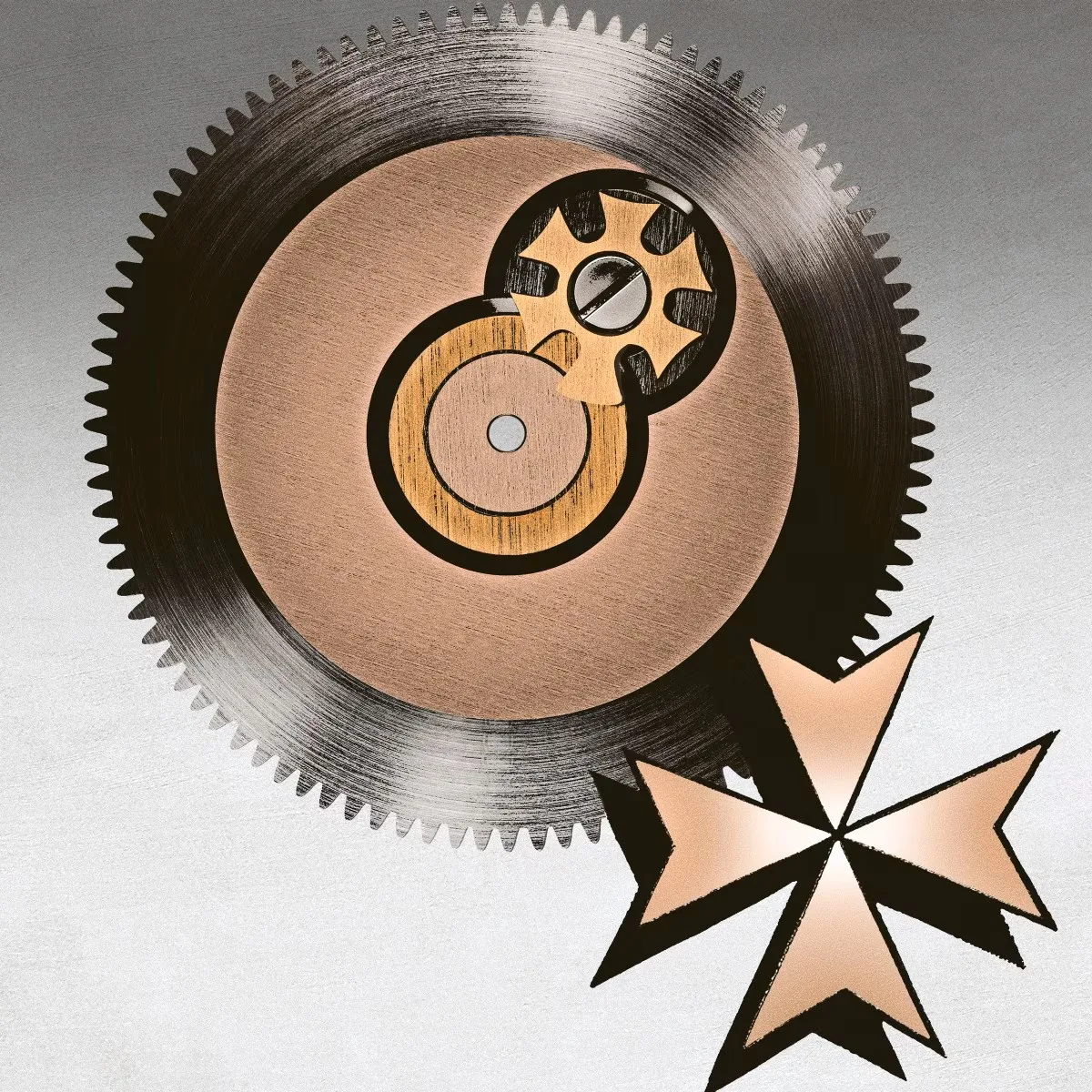
Alongside its technical innovations, the Maison also adopted its enduring emblem in 1880: the Maltese Cross. The symbol was inspired by the shape of a movement component fitted to the barrel cover to regulate the unspooling of the spring and ensure more consistent timekeeping. Today, the Vacheron Constantin Maltese Cross is a registered trademark with the Swiss Federal Institute of Intellectual Property in Bern.
More Than Two Centuries of Innovation, Technical Excellence and Aesthetic Refinement
1755 – The first known pocket watch signed "J. M. Vacheron A GENEVE"
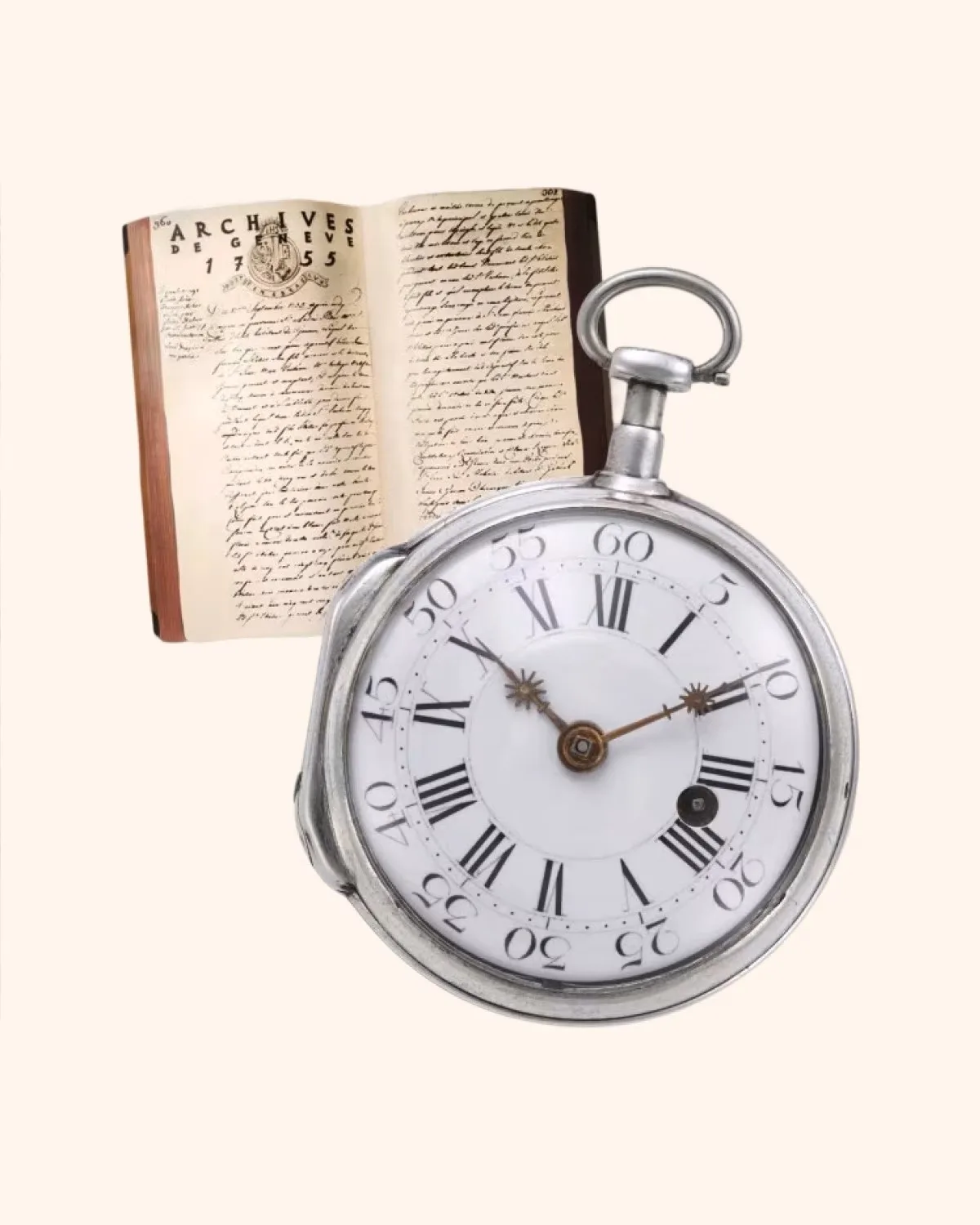
A cornerstone of the Vacheron Constantin heritage, this silver pocket watch is the only known timepiece bearing the founder's signature on his earliest documented creation. Equipped with a verge escapement, it features finely crafted gilt hands, while the balance cock - one of the movement's most visible elements - is exquisitely decorated with delicate arabesques, foreshadowing the decorative style that would become one of the Maison's defining signatures.
1889 – One of the first serially produced women's wristwatches
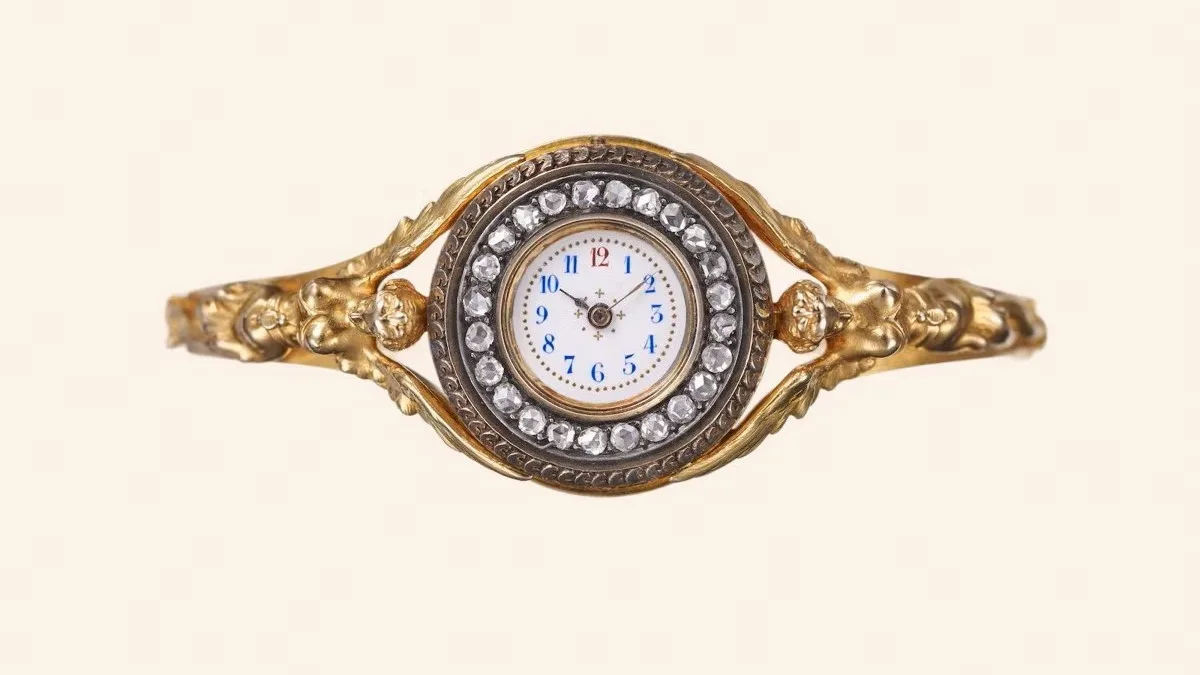
Although women had long appreciated fine timepieces, watches were traditionally worn as ornamental jewellery attached to dresses or bracelets. Vacheron Constantin's 1889 ladies' watch ranks among the first wristwatches to be produced in series. Its introduction created quite a stir, even though the pocket watch would continue to dominate until the early twentieth century.
1943 – Ultra-Thin Minute Repeater 4261
The Ultra-Thin Minute Repeater 4261 marked a major milestone in Vacheron Constantin's history of striking watches. Created in the early 1940s, it not only met the formidable technical challenge of incorporating a minute repeater into an elegant timepiece, but surpassed expectations by introducing a record-setting ultra-thin calibre measuring just 3.2 mm in thickness. Housed in a case only 5.25 mm thick and 36 mm in diameter, this extraordinary watch remains one of the Maison's legendary creations and one of its rarest masterpieces.
1955 – Ultra-Thin Calibre 1003
To celebrate its bicentenary, Vacheron Constantin reaffirmed its commitment to elegant watchmaking by unveiling the world's thinnest wristwatch movement. Comprising 117 components, the legendary 9-ligne Calibre 1003 measured just 1.64 mm thick and remains, to this day, one of the thinnest hand-wound mechanical movements ever created. In 2015, the Calibre 1003 was revised and re-issued in gold.
1979 – Kallista: A Magnificent Masterpiece
Carved from a one-kilogram gold ingot and set with 118 diamonds totalling approximately 130 carats, Kallista (Greek for "the most magnificent") stands as one of the most dazzling creations in the history of watchmaking. It took five years to source and assemble the perfectly matched diamonds and more than 6,000 hours of craftsmanship to complete this extraordinary masterpiece. A year later, Vacheron Constantin introduced the iconic Kalla, which would later inspire the Grand Lady Kalla unveiled in 2024.
1994 – Skeleton Movements: A Round Skeleton Watch with Visible Gears and a Moon Phase Display
Skeletonisation is widely regarded by connoisseurs as one of watchmaking's most demanding artistic disciplines. The process involves painstakingly openworking the components of a mechanical movement, removing as much material as possible without compromising its structural integrity or reliability. It is an exceptionally complex craft mastered by only a handful of watchmakers. Vacheron Constantin remains one of the very few Manufactures capable of producing skeletonised calibres as sophisticated as perpetual calendars and ultra-thin movements.
2020 – A New Muse for Fine Watchmaking
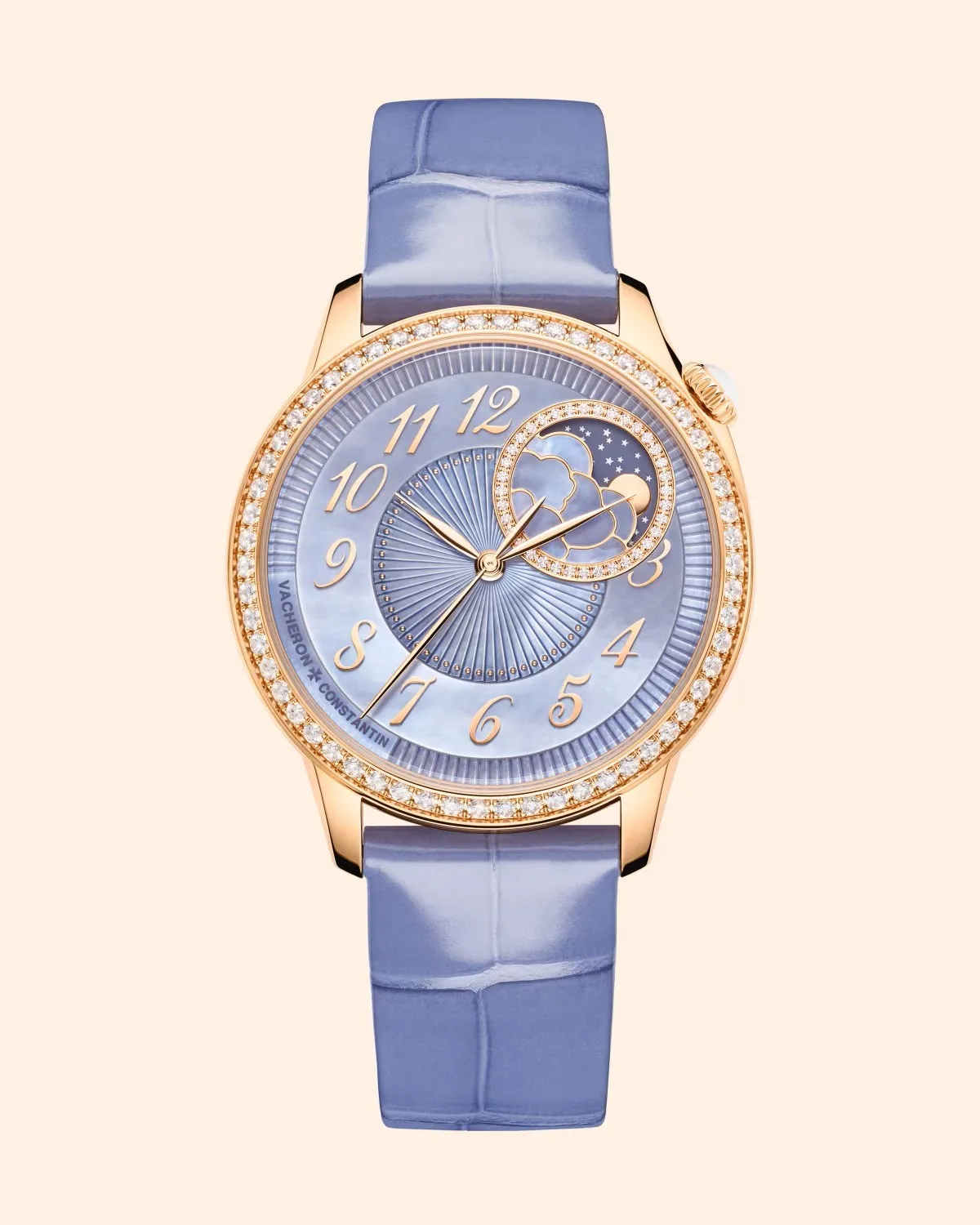
In 2020, Vacheron Constantin introduced a new collection dedicated to women, bringing together the worlds of Haute Horlogerie and Haute Couture through exceptional craftsmanship, precision, excellence and beauty. Timeless with a playful touch, the collection reflects the women of today—inspiring, independent and charismatic. In 2024, it evolved through a creative collaboration between Vacheron Constantin and One of Not Many talent Yiqing Yin.
Top Five Vacheron Constantin World Records of the 21st Century
2005 – Tour de l'Île
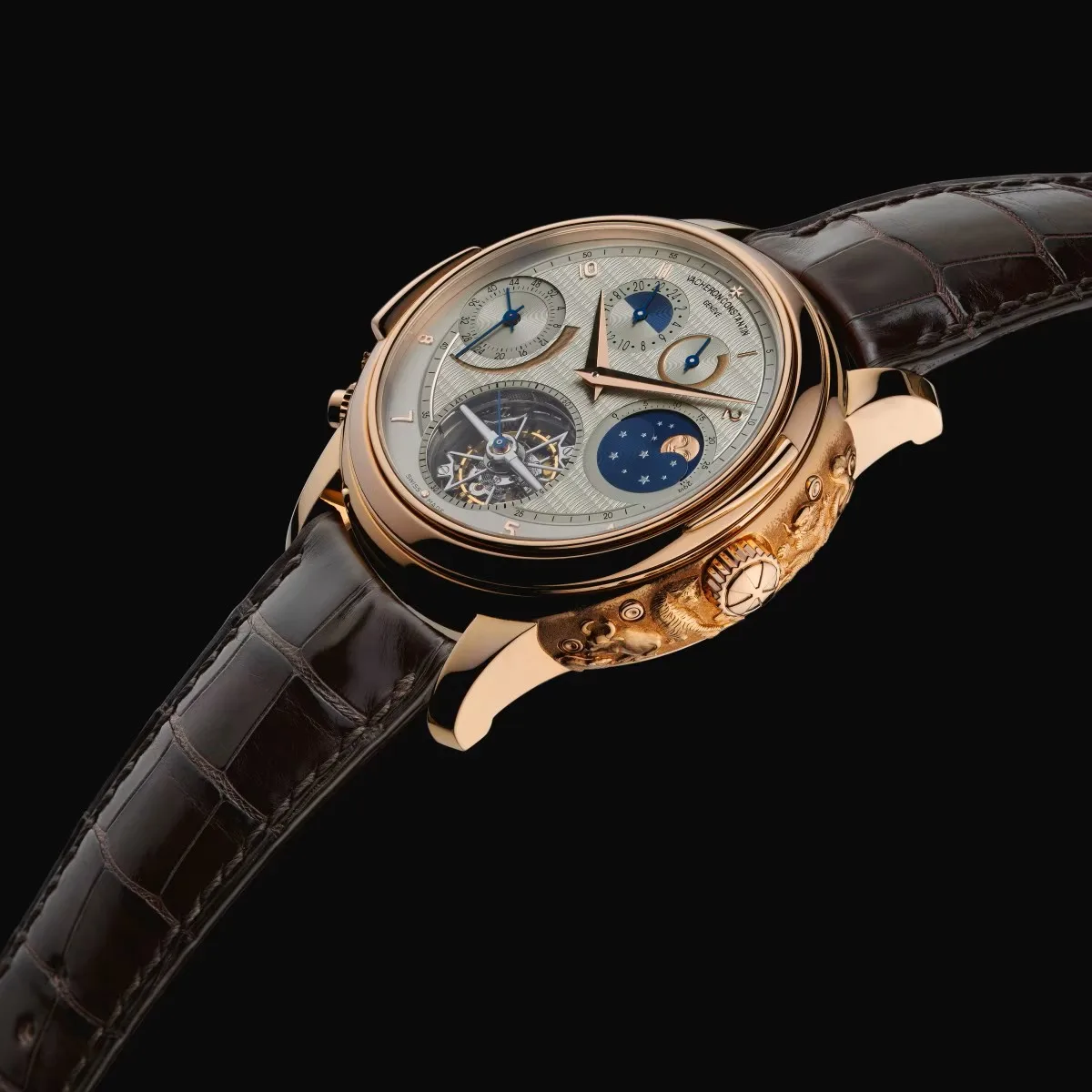
Created to celebrate the Maison's 250th anniversary, the Tour de l'Île was extraordinary in every respect. Featuring an unprecedented combination of 16 grand complications, it became the most complicated double-sided wristwatch ever produced in a limited series. Only seven examples were made. The watch received the prestigious Aiguille d'Or at the Grand Prix d'Horlogerie de Genève.
2017 – Celestia Astronomical Grand Complication 3600
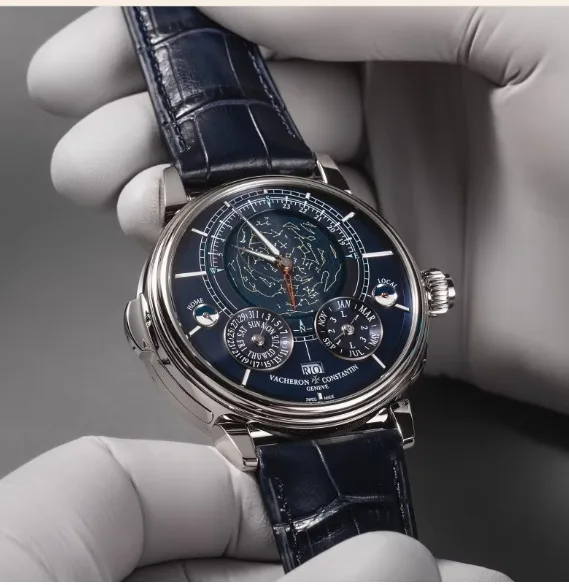
The Celestia Astronomical Grand Complication 3600 combines astronomy and haute horlogerie in an extraordinary white-gold creation with a double-sided display. Its record-setting movement incorporates 23 complications displayed across both dials and offers three distinct ways of reading time - civil, solar and sidereal - each driven by its own dedicated gear train. A masterpiece of technical sophistication, the fully integrated calibre comprises 514 components while measuring just 8.7 mm thick. Six barrels provide an impressive three-week power reserve.
2019 – Traditionnelle Twin Beat Perpetual Calendar
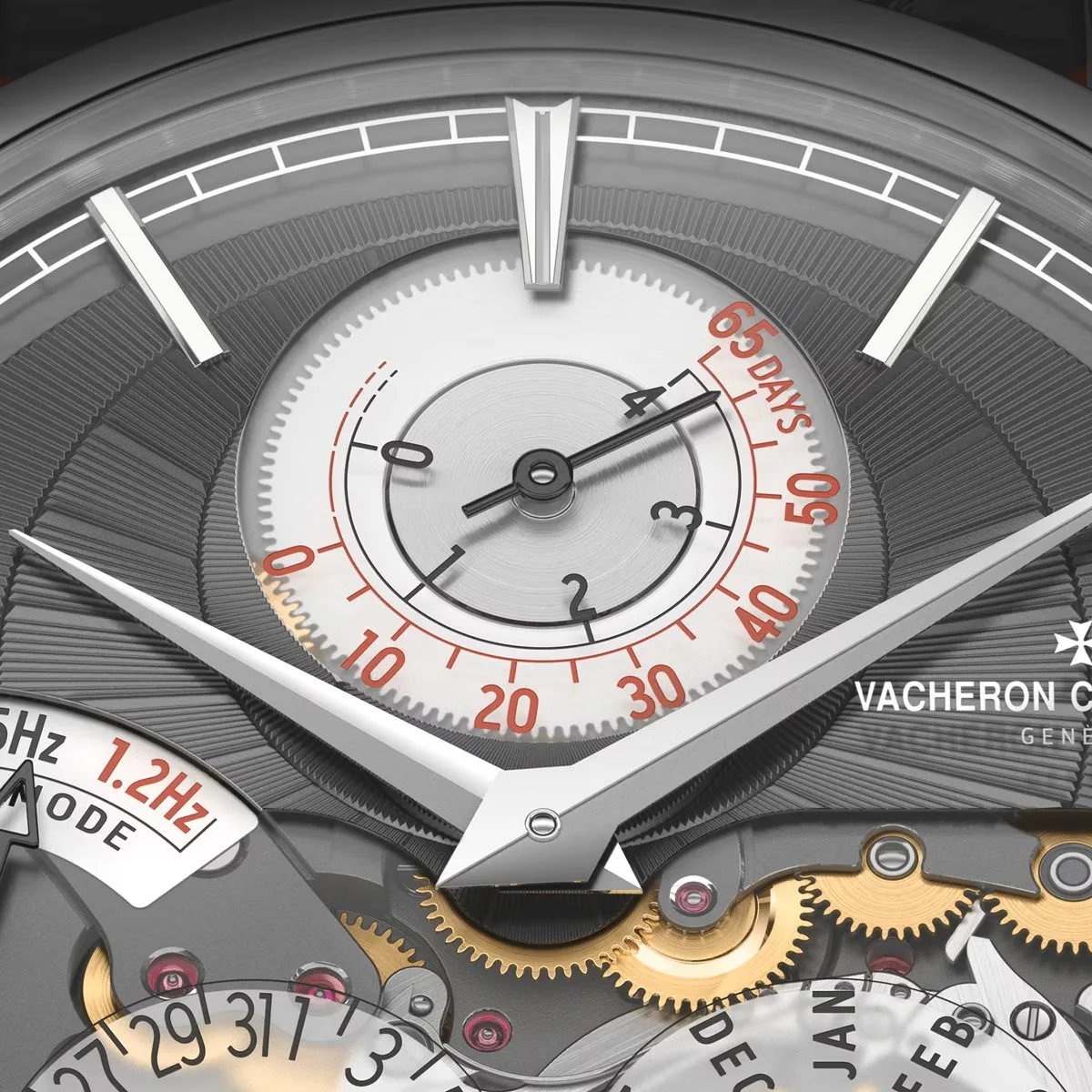
When worn, the Traditionnelle Twin Beat Perpetual Calendar operates at a high frequency suited to modern daily life while displaying the hours, minutes, date, month, leap-year cycle and power reserve. Developed specifically for this model, the Calibre 3610 QP features two selectable oscillators, operating at 5 Hz in active mode and 1.2 Hz in standby mode. This ingenious system provides an exceptional 65-day power reserve in the same volume as a normal perpetual calendar.
2024 – Les Cabinotiers The Berkley Grand Complication
Vacheron Constantin unveiled the world's most complicated watch. Featuring 63 horological complications and 2,877 components, it surpassed the Manufacture's own previous record, set in 2015 with Reference 57260. After eleven years of development, this world-first timepiece introduced a genuine Chinese perpetual calendar. Given the complexity and irregularity of the traditional lunisolar calendar, programming the in-house Calibre 3752 to remain accurate until the year 2200 represents an extraordinary feat of mechanical ingenuity.
2025 – Solaria Ultra Grand Complication – La Première
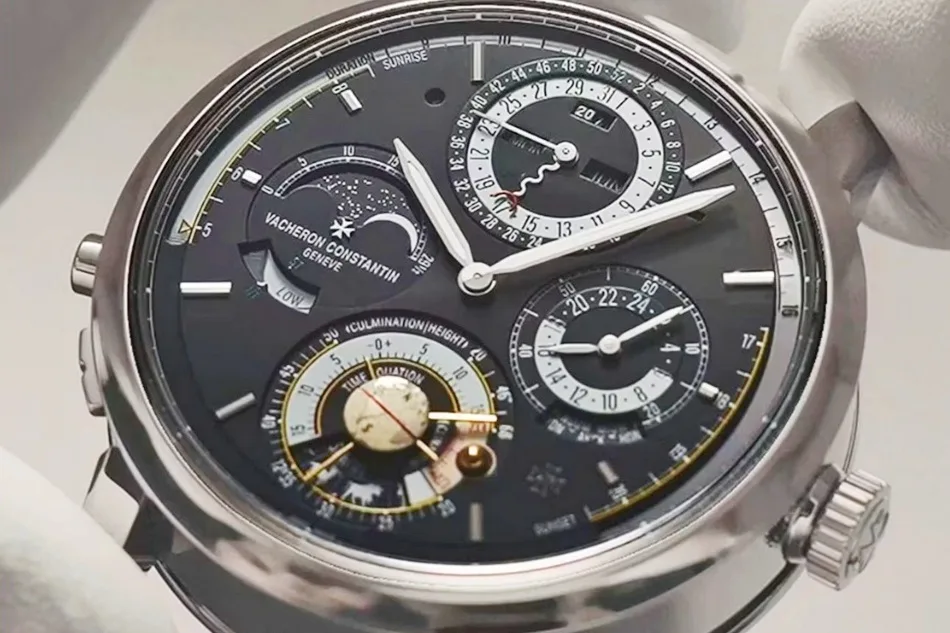
With 41 complications, five rare astronomical functions and an innovative Westminster minute repeater, this unique timepiece—comprising 1,521 components - represents the culmination of eight years of research and development, supported by 13 patent applications. Solaria Ultra Grand Complication - La Première occupies a unique place in contemporary watchmaking, particularly thanks to its five groundbreaking astronomical functions, four of which are dedicated to tracking the Sun's movement across the sky. Through an innovative mechanism, the watch displays the Sun's position in real time, its altitude, the moment of its culmination and its declination angle - an exceptional astronomical achievement for a mechanical wristwatch.