by Istvan Pentek
What is this Orange Wine actually ? Technologically speaking, it is the opposite of rosé wines. The rosé wines are made of black grapes through a very short contact between the unfermented wine (the must) and the skin of the grapes. In fact this is the process of the white grapes turning into wine accomplished with methods that are usually used for the black grapes.
The perfectly healthy grapes – an extremely important aspect – are removed from their cluster, smashed and afterwards the must is preserved and fermented on the peel. For the fermentation process, the producers use stainless steel and wooden containers, but there are also some who choose to use some tanks that are as old as this winemaking method – ceramic amphorae buried in the ground.
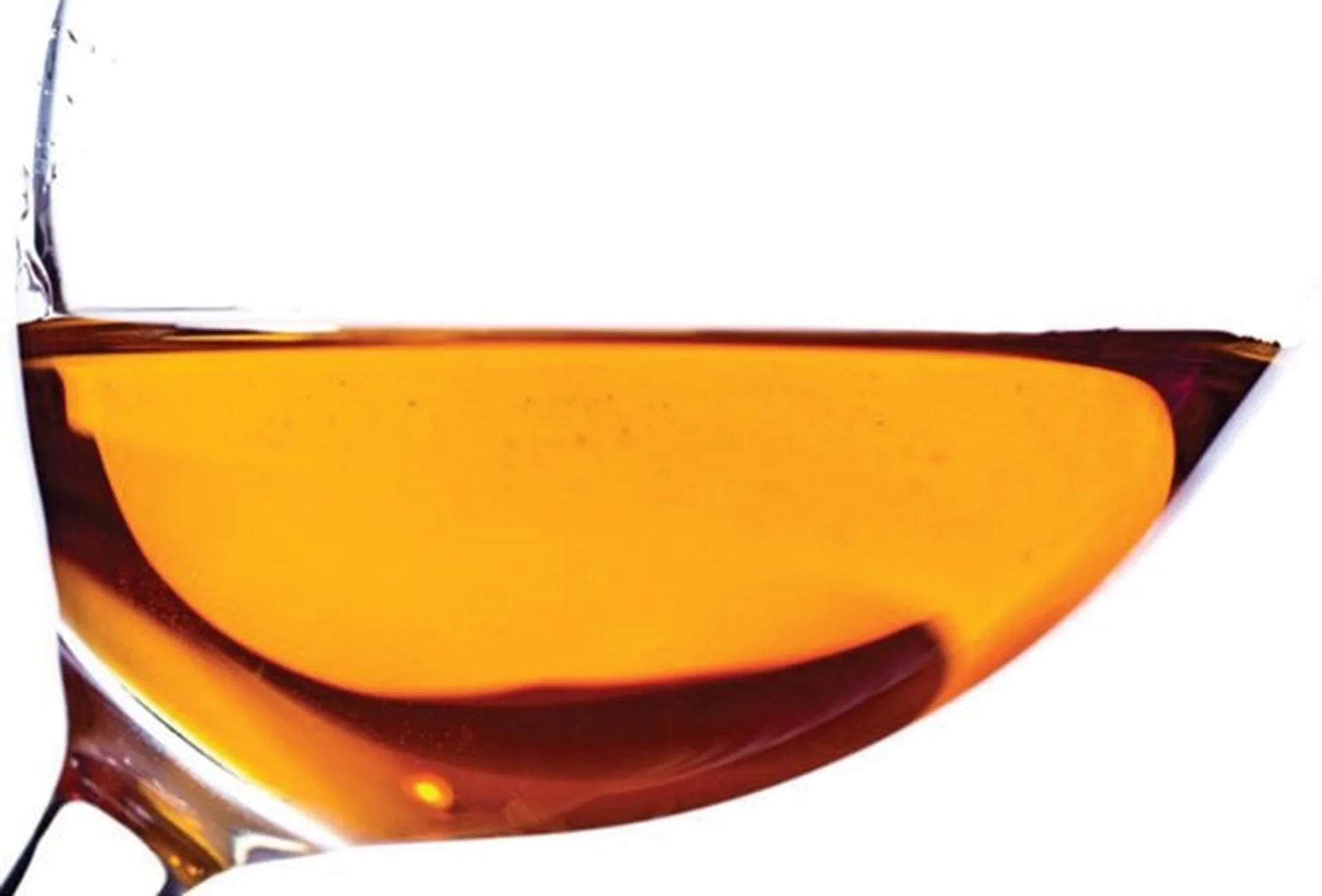
Thanks to this fermentation made on the peel, the wine gets a more intense color, with orange and golden nuances and more complex and intense flavors. The wines obtained with this technology have a more complex texture, specific to red wines but in the same time they remain fresh, just like the white wines. The extended extraction process ensures also the high presence of antioxidant polyphenols and this allows a longer maturation of these wines. Last but not least, the extended extraction ensures the possibility to reduce the quantity of sulfites.
Despite the fact that these wines are more and more demanded on certain markets, such as Italy or California and others, only in 2014, Romania has produced the first wines with this technology. Those who were courageous enough to walk this road are the small producers who are determined to make high quality wines. In the spring of 2016, in Romania there were only two wineries that launched this type of wines on the market. First it was AMB Wine Company (the producer of Liliac wines) from Lechința and Bauer Winery in Drăgășani.
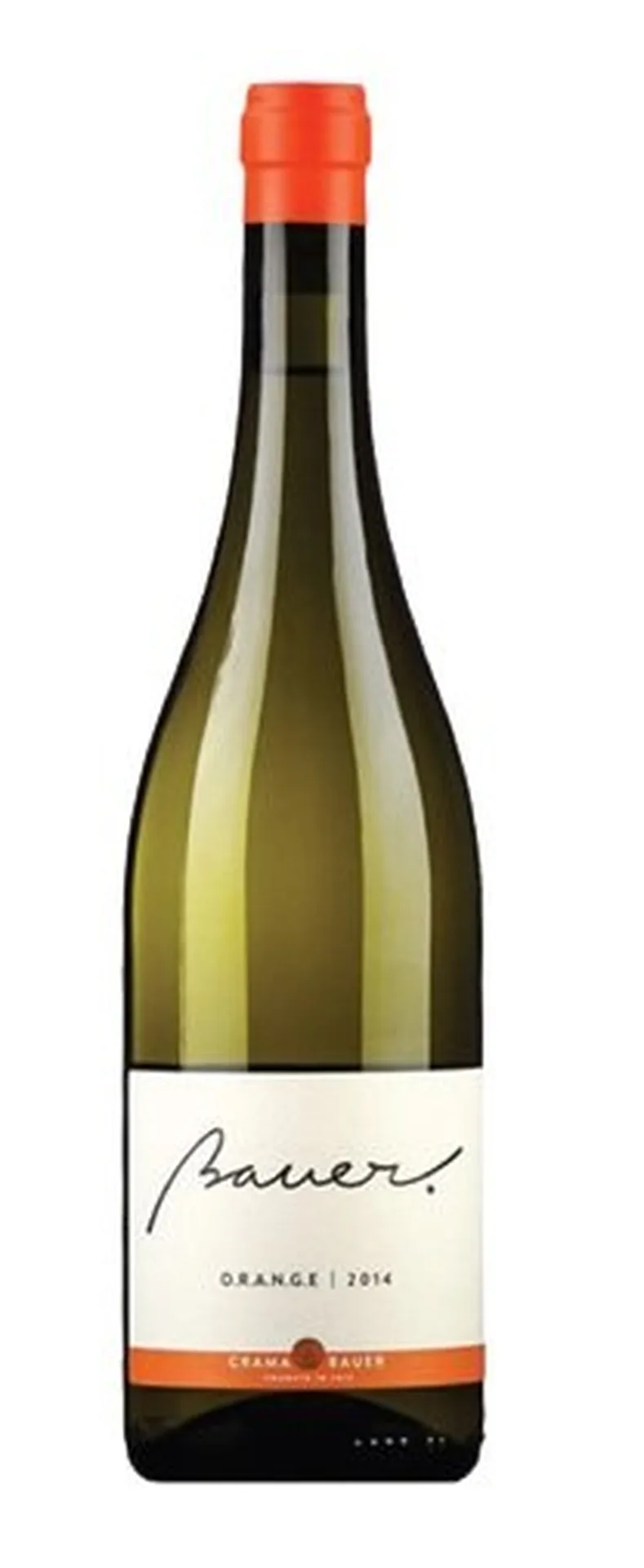
The Bauer O.R.A.N.G.E. Wine is obtained out of Sauvignonasse grapes collected from a 40 years old plantation. The grapes were removed from the cluster without being crushed and they were fermented in stainless steel containers, with indigene yeast, without any temperature control. Thus, the wine is also fermented malolactic. After 12 weeks of preserving the wine on the marc, it was pressed and maturated on the yeast for 14 months, in oak barrels. Before the bottle-filling process, it was slightly filtered.
This is a golden, shiny coloured wine, with a complex flavor of yellow and exotic fruits, bread crust, honeycomb and spices. The taste is well balanced; it has a medium texture, well-structured and a creamy, but solid acidity. As it is still a young wine, the recommendation is to have it aired for at least an hour before serving, and afterwards to pour it into large Burgundy glasses at a temperature of 10 – 12 C. It goes well with seafood, prawn and raw fish but it can also be served alongside veal or turkey.