by Jadranka Šturm Kocjan, the Ambassador of the Republic of Slovenia in Bucharest, photos by Melissa Bartol-Missoni
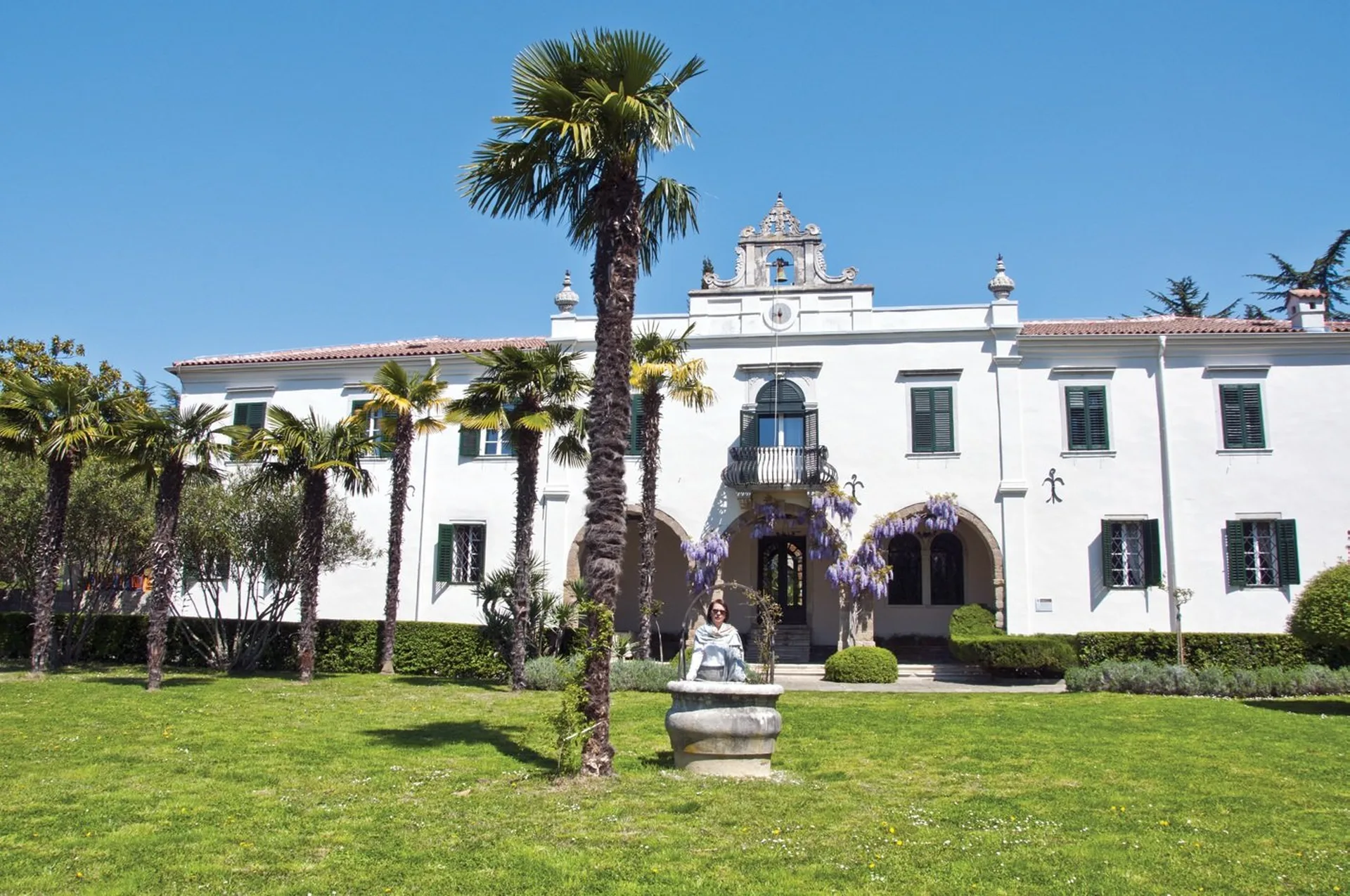
Us, the Slovenian people, we are proud of our home land and we enjoy making it known to others; the traditions and its history, that has always blended with the present to build the future. The Slovenian Istria is part of the peninsula that connects Slovenia to the Adriatic and to the Mediterranean Sea, thus ensuring the opening to the world as a maritime country. Although our seaside has a short length of 46, 4 km, it plays an important role for our country and it benefits of a protection meant to ensure the unaltered preservation of its unique characteristics and beauty. But, a visit to the Slovenian seaside is not just an opportunity to lounge on the beach in the sun, while enjoying the delights of some Slovenian traditional food; it also provides the opportunity to visit the coastal cities and the large number of sightseeing points and to discover the rich cultural and natural patrimony of these places, which can be considered a true historical and natural thesaurus of this part of Slovenia, of this genuine fairytale land called Istria. Here, you can see some sights that go back to the Roman times, the Middle Ages or the Venetian domination: you can take a walk on the narrow and picturesque streets of the Old Center in some cities such as Koper, Izola or Piran or on their promenades along the sea or you can stop for a coffee in the central square influenced by the Venetian architecture. You can also admire the artistic and historical treasures of the metropolitan cathedral or the Dance of Death fresco, located in the Holy Trinity Church of Hrastovlje etc. If you love unaltered nature, then you can walk along the sea, on the 80 m high flysch sea-wall base that is a natural reservation and you can admire the Mediterranean vegetation and fauna.
”Istria is a lot like love: what you give, you get back a hundred times more” - Franjo Frančič, A morning in Istria
Despite its apparent wholesome aspect, the Slovenia Istria is, in fact, extremely diverse and each small part is an example of autochthonism and authenticity, both regarding cultural tradition and also the living culture. The people who live in these places are welcoming and friendly; they have always known how to protect nature because they always lived in harmony with it. The gentle winters and the torrid summers favor the cultivation of olive trees and vineyard. But we must not forget fishing, an activity that used to provide a living for many families. Our seaside and its surroundings are the place where you can relax and enjoy some unforgettable moments and I am convinced that you shall gladly come back.
Let`s start with the Ankaran, the urban center of the youngest Slovenian municipality. Thanks to a gentle weather, Ankaran used to be, since the Austro-Hungarian times, a well known balneoclimateric resort that functioned as a nursing home for marine officers. Today we find here a balneary centre for children affected by bone tuberculosis and the best orthopedics hospital in Slovenia. The hospital is proud of its original methods in treating bone, joints and backbone related diseases and injuries. The use and the benefits provided by technology have allowed the development of some new approaches in the field of bone surgery – besides many other procedures, the hospital carried out successfully a surgery that reconstructed the anterolateral ligament of the knee joint for the first time in Slovenia. Ankaran also has a camping, and inside there is the former monastery St. Nicholas that, after five centuries, was transformed it into a hotel. Located in a wonderful Mediterranean small forest, right by the sea, the Adria camping is considered the tidiest and the cleanest on the Slovenian seaside. The camping is in the close vicinity of my house, therefore I often go there to relax.
Koper is the place where I spent my childhood and my teenage years. I have lived here together with my parents and my brother – and I also went to school and to high school here. The history of the city started the year 1500 BC. The city was born on an island, one that, later on, shall be connected to the mainland. In time, its looks changed several times. The long domination period of Venice had the strongest influence on Koper. It was a period of economical and cultural bloom like never before, and its effects can be felt even today in the life and the looks of the city. Thanks to its touristic and architectural sights, Koper was included in the Association of Slovenia`s Historical Cities. Unfortunately, the salt lakes reduced their surface, the a new harbor was built and the old city changed its appearance. On the other hand, the road and railway connections with the continental mainland, and the merchandise and touristic sea transport have brought important contributions to the development of the city.
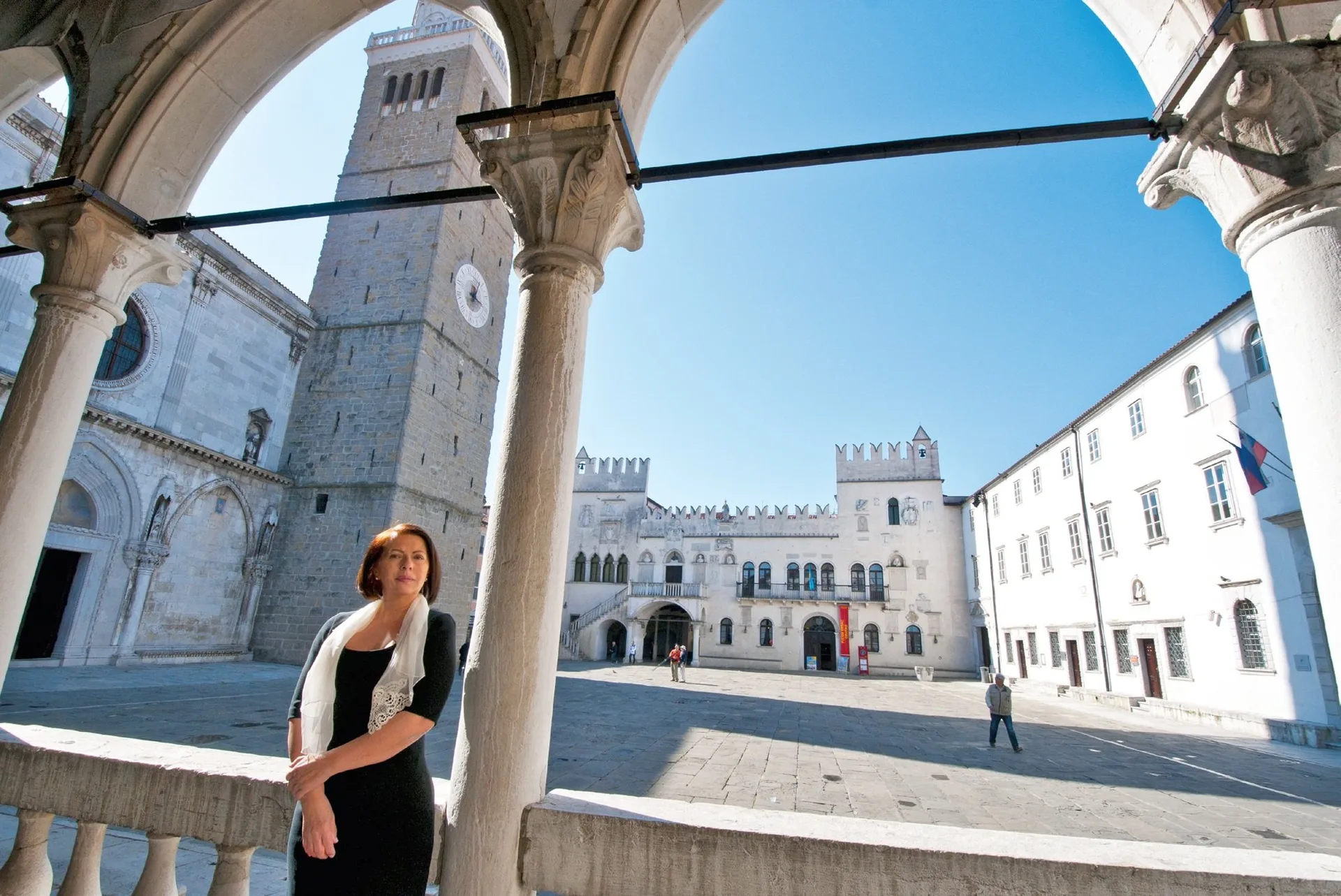
The special charm of the urban settling is mainly due to its historical center and to its main tourist sight: the Tito square, one of the most beautiful squares located on the territory of the former Republic of Venice. It was named after the former president of Yugoslavia, in which Slovenia was a part of, before becoming an independent state on the 25th of June 1991. The square is guarded by towering buildings. Loggia is Slovenia`s unique construction of this sort, built in the neo-gothic style. Upstairs there is an art gallery and at ground floor offers a coffee shop – the locals` favorite place for gathering and socializing. I also enjoy having a coffee here, together with various guests, while we admire the view of the beautiful market in the old center. Among the surrounding buildings there is also the Pretorian Palace. This used to be the headquarter of the cities` governors appointed by the Republic of Venice as local administrators. The building conserved its initial use, and today it is the home of Koper`s town hall. Right near this palace there is another one, whose name, Armeria and Foresteria, reminds us of the historical role it has played. Today, the building is headquartering the Primorska University and of the Faculty of Human Sciences. The grandest building located in this the square is the gothic Cathedral of the Dormition of the Mother of God, that has a bell tower on the top which provides the most superb view on the city, its surroundings and the Trieste Gulf.
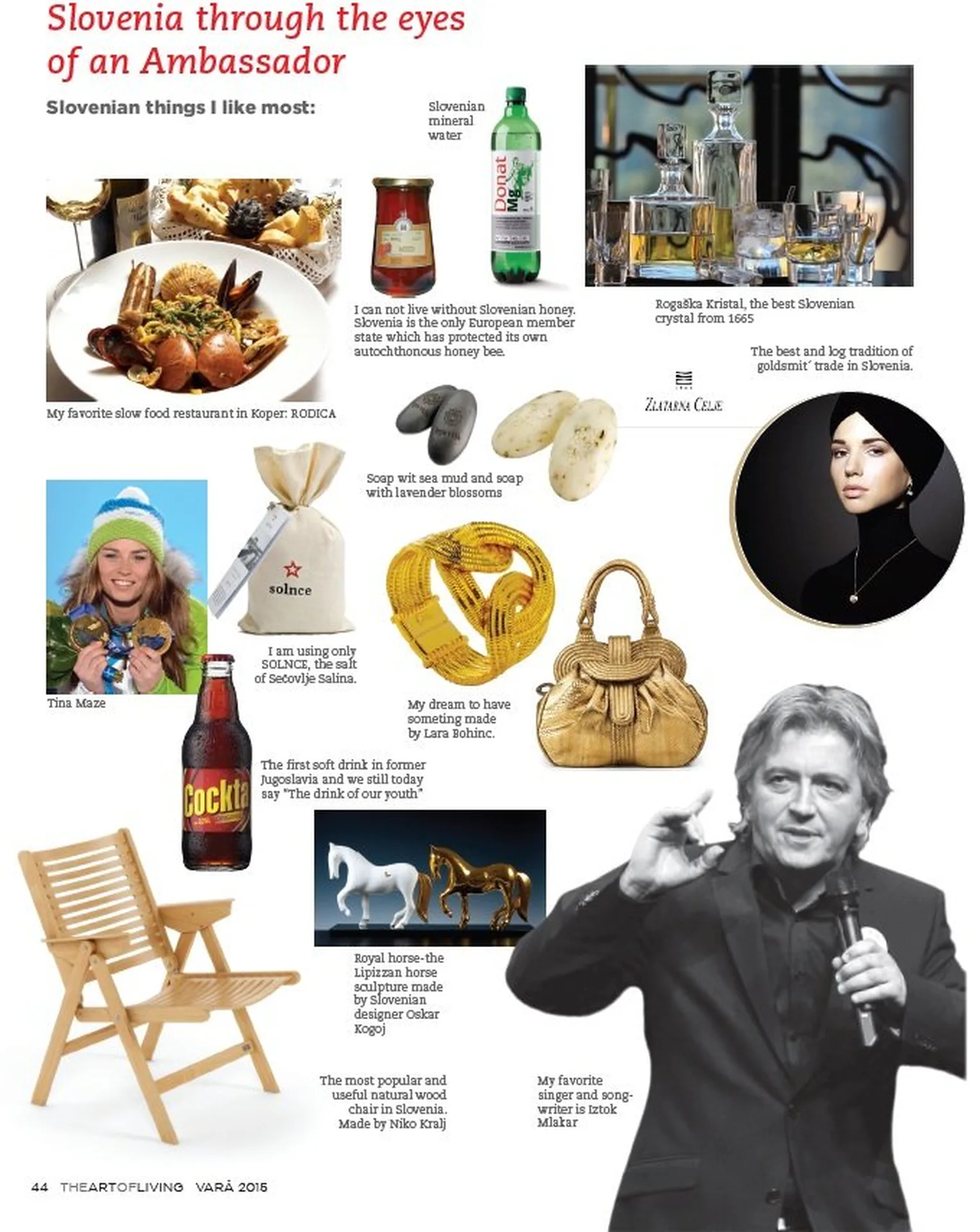
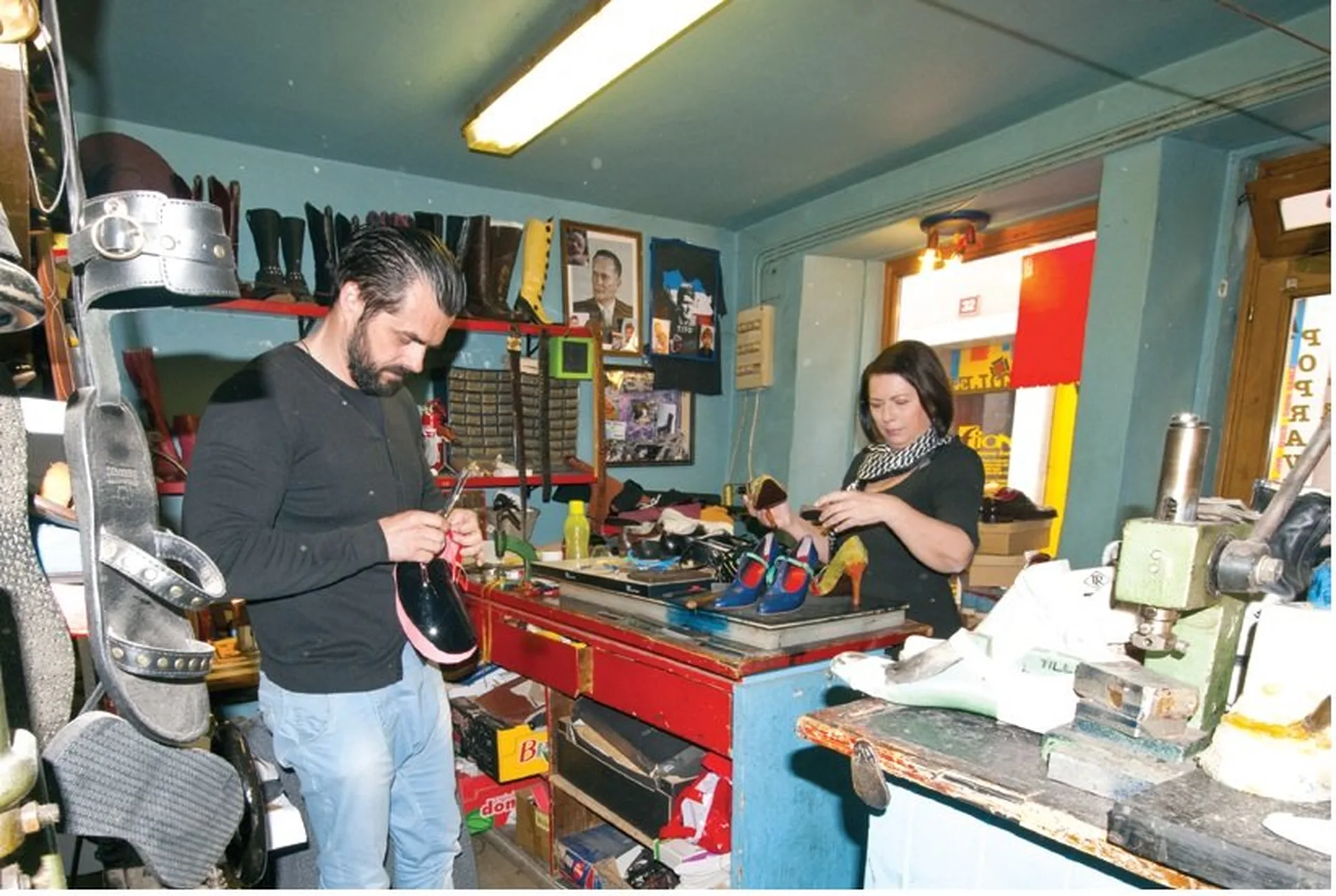
The market is the place where four of the cities` streets meet and the most famous of them is the Shoemakers street, one of the most vibrant and lively streets of the old Koper; the street has almost entirely preserved its medieval air, with merchant shops and craftsmen workhouses. Here, we can find even today a large number of stores selling local products. I would like to particularly recommend the glass factory store Steklarna Rogaška, which sells some high quality unique crystal products and the store owned by the Zlatarna Celje company, where they sell unique and special designed jewels. On the Shoemakers` street there is also the Meduza gallery, where I often come to see the exhibits of the local and foreign artists and to buy works of Slovenian plastic contemporary artists. Descending the stairs on the end of the street, you will arrive at Župančičeva ulica, where you can buy from handmade products from the Da Ponte Chocolate to unique custom made shoes, perfectly adapted to the customer`s feet, crafted by maestros Husein şi Samir Šakovič, in their own workhouse opened since 1979. These two can brag, among other things, that they have made one pair of sandals and one pair of ballerina shoes for singer Joan Baez, who, while touring in Slovenia, has made a stop in their Koper workshop. After she had tried the shoes that the two craftsmen made for her, she slowly whispered like a Cinderella: “The sandals are a perfect match”. Her photo, together with the ones of many other celebrities, can be seen on the walls on their small workshop, packed with all sorts of things. The two have also created shoes for the famous singer Dino Merlin and for Tony Cetinski. While they delight in doing their job and they try to keep this old craftsmanship alive, they complain that lately, the Slovenian market was invaded by cheap Eastern European shoes, thus the high class local shoemakers do no longer enjoy the appreciation they deserve. Nevertheless, they remain optimist and they hope that, sooner or later, people shall realize that they are better off investing a greater amount of money to buy a pair of custom made shoes which provide a healthy and comfortable walk.
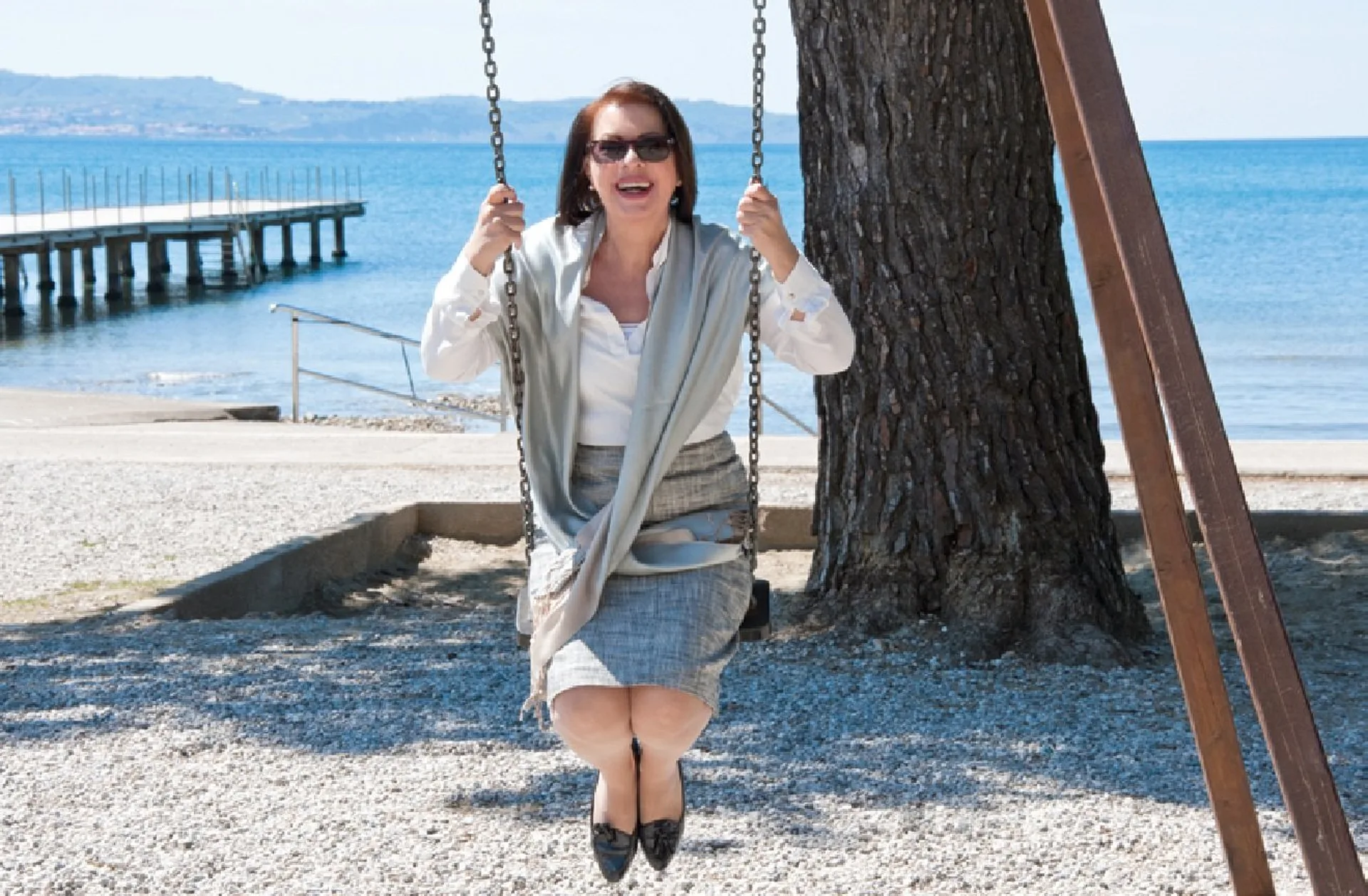
Across the street from the town hall square, there is the well-known Triglav coffee shop, where, for more than half of century, they have been serving the most delicious homemade sweets and ice cream. My first recollection of this place is linked to the delightful cake I ate here the day I turned five years old. Every time I sit to relax and enjoy some sweets in front of this coffee shop that I love so much – with its sea view towards the docking point (this is where the promenade begins, a place much enjoyed by the lovers of romantic walks) and towards the small park with Mediterranean oaks and an artesian well in the middle and bordered by an alley with the statues of the most important personalities of Primorska-, I am overwhelmed by the memories of my own childhood.
Not far away from the park, there is the famous old Tavern with Arcades, that used to be a salt storehouse and today is the favorite place of many open air, summer time shows. Koper offers a large number of opportunities in the field of harbor and nautical activities, seaside and sports tourism. Here there is the only Slovenian harbor that represents the shortest maritime path connecting with Central Europe. The harbor provides specific and logistics services and is very well known for its business excellence. In the last few years, the Port of Koper has become a regular destination for the large cruise ships that are bringing each year some half a million tourists from all around the world.
After the founding of Primorska University in 2003, Koper has also become a university center. This is the third Slovenian University that brought in a fresh, young air and a new creating energy; through its curriculum, the University targeted to provide a Mediterranean touch the Slovenian high education.
Izola is Koper`s closest town, a place known for the fishing, vineyard and olive oil production traditions, thus explaining the multitude of restaurants where the guests are served with fresh fish and local wines. The inhabitants of this small, welcoming town are very much connected one with the other and are great local patriots; for this reason the people of Koper say that an Izolan remains an Izolan even if he goes to the end of the world. Thanks to its extremely convenient geographical position and its accessibility, Izola and its tidy beaches are a popular destination especially for families with small children, but also for older guest that come here all year round.
Passing by the picturesque small town of Strunjan with its old salt lakes, the road takes us to Portorož – a tourist resort by excellence, with prestigious hotels and a small airport. Despite the fact that the town`s name include the word rože (roses), leading us to believe that Portorož means the “Port of the Roses”, its name comes in fact from the Church of the Holy Rosary. The association with the Italian name (Maria delle Rose) is due to the fact that in Portorož, as in most other places at the seaside, there is an Italian community. This means that in most of the towns located in the part of Slovenia I am describing to you, there are two official languages: Slovenian and Italian; that is because the Slovenian constitution guarantees to the Italian people who live here all their national rights, including the right of having a representative elected in the Parliament and the mandatory bilingual signs (for the names of the towns, restaurants, etc.). After the military nursing home for the Austro-Hungarian officers was founded in 1897 and the archduke Franz Ferdinand - the heir to the Habsburg throne-, visited this place in 1899, Portorož has become one of the most popular resorts for relaxation and treatments, attended by guests from Vienna and all corners of Austria and Hungary. After the elegant Palace Hotel was opened a hundred years ago, others were built and the resort became one of the most famous tourist centers on the Adriatic Coast, with a reputation untainted to this day. The place has become known for the treatments it has been providing since the 13th century, when the monks who were living here have discovered the healing properties of sea water, mud and salt lake waters. Their teachings were followed by all the rulers of these lands, from the Venetians and the Habsburgs to the French, until the end of the 19th century when the spa, the relax center and the thermal pool were built. The Portorož thermal baths have kept their status of balneary natural resort that provides up to this day all sorts of salt water and vegetable slime therapies. If we leave Portorož and we go towards the border with Croatia, we reach one of the areas that can be considered a true miracle of nature and a pearl of the Slovenian cultural patrimony: the Natural Park Sečovlje Saline, a place that fosters a very old and famous salt mine, historically certified since the year 804. Its cultural patrimony reveals that the life and work style of the salt craftsmen has remained unchanged for centuries. Because they are the only saline waters of the Trieste Gulf – besides the ones in Strunjan that I have mentioned earlier – where salt is collected manually by using the same traditional methods as a few hundred years ago, the existence of the Sečovlje Salina is very precious. This means that the old salt fields, the channels and the dams with stone walls, the platforms, the floodgates, the houses of the salt craftsmen and their surrounding areas, the wind mills and their pumps shall not disappear. Salt is collected each day, from the salty layer above an artificially cultivated bio-sediment, called petola. Both the Strunjan Salinas and the Sečovlje ones represent a patrimony with a high ethnographic, technical, historical, building and landscape value. Besides this, there is an economical value and beyond anything else, an impossible to estimate cultural value because it represents a special biotope which provides the best living conditions for a large number of endemic birds, plants and marine organisms. The manually processed salt is a high quality spice, very rich in minerals and it is very much appreciated by regular consumers and also by the haute cuisine lovers. Each year, on the day of Saint George, the holy protector of Piran - the city where the Sečovlje Salinas are located for centuries and why they are also called the Piran Salinas – the inhabitants organize the great popular fiesta of the saline workers.
Using the healing and cosmetic properties of salt, marine mud and salmaster water, the Park has recently opened an exceptional open air spa: Thalasso SPA Lepa Vida. The spa offers its guests some unforgettable experiences: thalasso-therapy sessions that take place in a natural environment and a seaside climate, in the midst of the salt fields, using only natural products. In this relaxed ambiance, the guests may freely enjoy the gifts of the sea to reinvigorate their bodies, regain interior balance, nourish and regenerate the skin. Therapeutic mud is a soft and homogenous sediment made from fine, dark colored particles of Istrian clay, enriched with salmaster water silted on the bottom of the saline basins.
Thanks to its high content of minerals, it is used to treat rheumatic and degenerative joint diseases and to calm the pains in the locomotors system. The mineral therapeutic mud baths stimulate the secretion of sweating glands, thus contributing to the skin detoxification, which becomes more firm and elastic. Aqua madre, this precious liquid that remains on the bottom of the basins after salt is collected, is very much appreciated for its high content of oligo-elements: bromine, iodine and magnesium, which help stimulate and strengthen the immune system. In addition to that, the bromine has a calming effect. Besides the medical treatments and the beauty therapies mentioned above, the spa offers a large selection of massages and peelings.
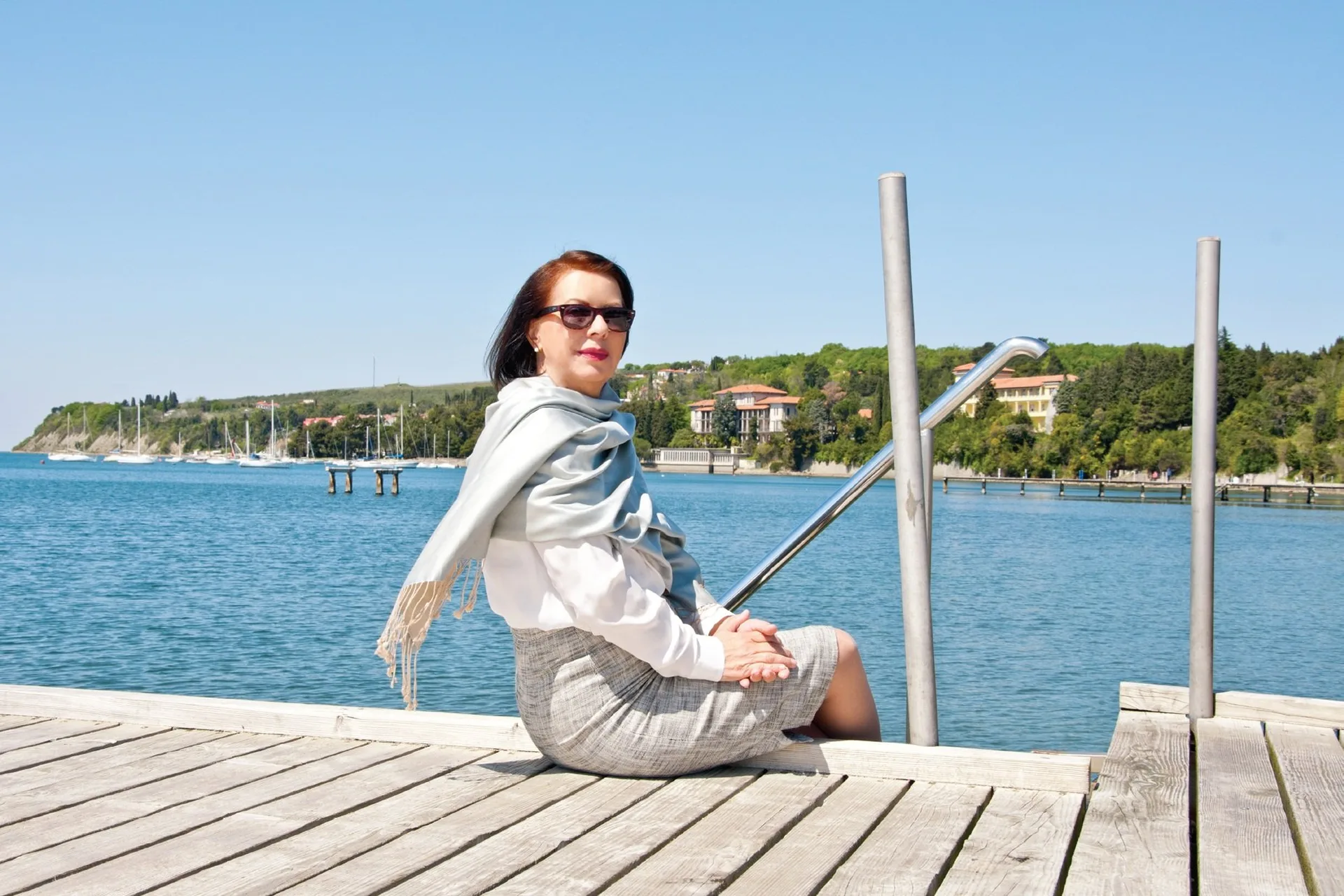
”Every time I sit to relax and enjoy some sweets in front of this coffee shop that I love so much, I am overwhelmed by the memories of my own childhood.”
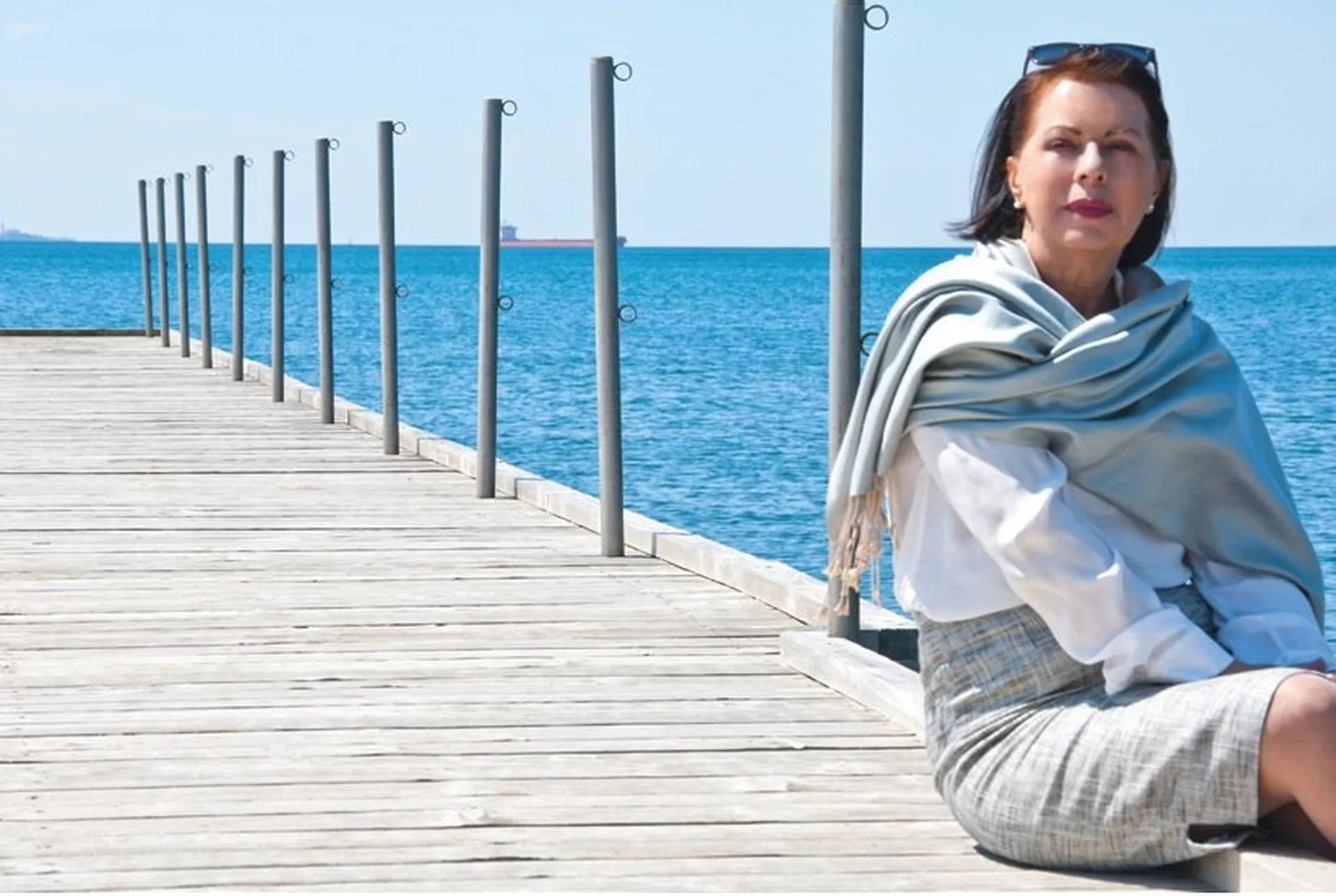
On this pointy island, on the right to the fashionable Portorož, there is Piran, a city that has a very special place in the landscape of Slovenian Istria. It is the best preserved urban monument, amazing for everyone who comes to visit it – either by walking or by flying over it. A true pearl of tourism, Piran can be easily identified in all Slovenian photo presentations. In time, Piran has preserved its medieval seaside city look, with narrow little streets and cramped houses built on stairs, filled with piazzas and tens of churches. The spectacular central Tartini Square, wearing the name of the famous violinist and composer Giuseppe Tartini, born right here, is the city’s pride. In the middle of the piazza there is a beautiful statue of this genius artist who made the name of his home city famous worldwide. The white marble oval platform located in the center of this pedestrian area is a masterpiece made by Slovenian architect Boris Podreccha in 1992, to celebrate the 300 years birthday anniversary of the composer; the statue is a reminder of the way in which the ancient fishing boats were moored here.
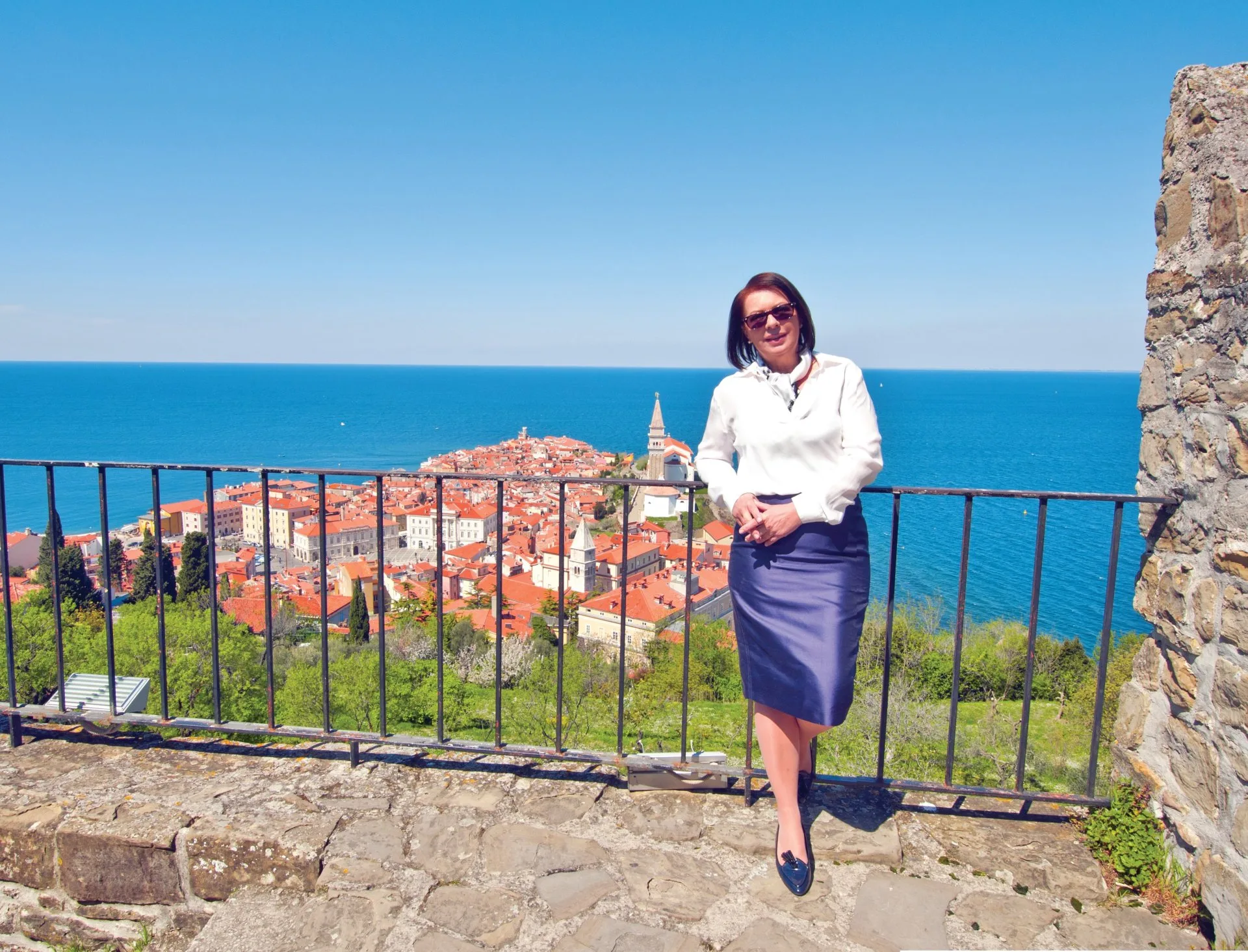
Tartini Square was once a docking spot, located outside the city’s defense walls, but, in 1894, because of the bad smell and dirt produced and for hygiene and sanitary reasons, it was banked up. Instead, they had built a large square, and around this square all the important buildings of the city were to be gathered. The only building that was kept in its original form is the red gothic house, called the Venetian. The legend says that this house was bought by a wealthy merchant, who offered it to his lover as gift. On the house front door we can read the inscription “Lasa pur dir”, meaning “Let them talk”, referring probably to the gossips around their love story. The city is surrounded by proud medieval walls and the Piran is an important member of the European Association of Fortified Cities. The building of the defense walls started in the 7th century and ended in the 16th century. Seven city gates were preserved and also some of the entrances to the fortified building. The entire city of Piran is a protected cultural and historical monument, thus its inhabitants make their living mainly from tourism and the warm temperatures allow almost an all year round touristic season. A walk on the city walls and on the lawn in front of St. George Church – rising high above the city – reveals a wonderful view that stretches out to the Croatian and Italian seaside, all the way to Venice and during the clear winter days, all the way to the white Italian Dolomite Mountains and the Slovenian Julian Alps – where we have our highest peak, Triglav.
The first historical certification of a dwelling located on today’s Piran territory goes back to the early middle ages. During the second half of the 8th century, the territory was occupied at first by the Byzantine Empire and then by the Francs; after 1209, it was protected by the Patriarch Aquilea, who was appointed as Istria’s Margrave. During this time, the dwelling has enjoyed some sort of independence; therefore in 1274 it became a city. In 1283, Piran functions under the tutelage of the Republic of Venice for some centuries and after its fall in 1797, the city goes under Austrian domination until 1918. That year, according to the Rapallo Treaty, signed in 1920, the city is annexed to Italy. After the end of the Second World War, the city was first included in the B Zone of Trieste Free Territory and with the signing of the London Memorandum in 1954, is given back to Slovenia, part of Yugoslavia, together with all other territories that were part of the B Zone. After the Yugoslavian fall in 1991, the city and the entire Slovenian Istria became part of the independent state, the Republic of Slovenia. Having a tumultuous and rich history, Piran offers attractions for all tastes. The tourists are invited to visit galleries, museum and churches and those who are passionate about the sea life can enjoy the local aquarium.
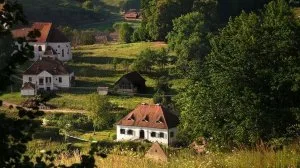
But, Istria doesn’t exclusively mean the villages and the cities located on the coast or on the seaside. Its geographical and cultural indivisible wholeness is revealed only when we get to the place where the coast strip meets the hinterland. The idyllic village scattered on the hills filled with olive tree orchards and vineyards are a charm for all visitors. There is no way one can remain indifferent living all the special moments these places have to offer: walks on the quiet country roads, wonderful meadows everywhere around, delicatessen such as fig marmalade or local prosciutto – the king of cold cuts –, a glass of malvasia or a local refošk, a piece of bread dipped in olive oil and seasoned with Piran salt.
Those who visit Slovenian Istria during the olive harvest, at the end of October or in November, have the opportunity to see how does a “torklja” look like – a traditional oil mill where the olives are pressed – and take part at a freshly pressed olive oil tasting. But the Istrian villages offer many other attractions. Allow me to briefly present some of them. In the village of Črni kal there is Slovenia`s oldest rural household: the Benko house that goes back to the 15th century. Osp is one of the oldest villages in Slovenia and it was first mentioned in the 11th century. Because of the 200 m tall rocky wall, crossed by 55 escalade routes that rises high above the village, Osp has become one of Europe`s most popular and famous areas for escalades. The village of Socerb is well known thanks to the Strmec Castle, located right on the crest of the surrounding lofty rocky terrace. The castle`s position provides a magnificent view on the Trieste Golf and inside there is a top restaurant. Close by, we can visit an interesting karst cave, called Sveta jama (Holy Cave), and inside there is Slovenia`s only underground church. Krkavče is a Celtic village that wears the name of the rock on which the village`s hearth was placed. In the vicinity of the village there is a menhir called Krkavški kamen, being at least 3.000 years old, sculpted with the image of the Sun, who is the pagan god. We also find here the Vrešje House – the lively museum of the Krkavče village. Koštabona is a village located on the hill above river Dragonja. It is the most beautiful compact Istrian village and a true architectonic jewel. The arrangement of the village`s roads and houses resemble a treetop.
Allow me to also mention the village of Kubed, conceived as a defense fortress against the attacks of the 15th and 16th century Turks and Slavic refugees, and Marezige and Lopar, the two small villages located on the hill`s crest above the Valley of Vanganel. Marezige is known as the “capital of refošk”, the famous wine that has its origin in these lands. The locals organize each year a celebration of the wine, where the producers bring their own wines to have them assessed by a very strict board. In the hinterland of Piran there is also the place called Nova vas, mentioned for the first time in 1525; its entire area is a protected cultural patrimony. The village of Padna has the same status and here there is an art gallery named after the famous Slovenian painter Božidar Jakac. The village of St. Peter is also known for Tonina House, an open air ethnographic museum. In the hinterland of Izola there are another two villages worth visiting: Korte and Cetore; recently, they brought to life some ancient culinary and ethnographic traditions.
The visiting of Hrastovlje, and of the Holy Trinity Church, located on the hill above the village, can be an unforgettable experience. Built in the 13th century, the church is appreciated by art historians all around the world, being known for its 15th century glagolitic frescoes. These frescoes were made in 1490 by the Istrian painter Johannes de Castua. The most famous of them is called the Dance of Death. They were discovered in 1949 under the thick plaster layers by Slovenian painter and sculptor Jože Pohlen, back in the days when he was a plastic arts student. During my time as a professor at the Koper High School, he was one of my colleagues and collaborators. And since we are talking about painter and sculptor Jože Pohlen, I remembered some other local artists who influenced the way in which I perceive Istria, in the largest sense of the word. Painter Zvest Apollonio, for example, also managed to capture in his works the colors and shapes of the Mediterranean universe, thus contributing through the motives and the themes selected for his paintings to the shaping of this area`s cultural image. Writer Marjan Tomšič, was also deeply moved by the magic and the authenticity of rural Istria. Therefore he left Styria in 1959 and moved for good on Istrian land; he wrote some of his best prose on this subject and he actually placed this area on Slovenia`s literary map.
Some local poets, like Alojz Kocjančič, have also expressed their love for these lands and for the people living here. Or poet Bert Pribac, who, after more than three decades of living in Australia, came back looking for his home town village – the poems he wrote while abroad are full of emotions and memories on his beloved Istria. A local of Capodistria Tomaž Šalamun, passed away in December last year, is one of the most important Slovenian contemporary poets, known and acknowledged both in the country and also abroad. He is considered the “iconoclast of Slovenian poetry and the general of the Slovenian literary vanguard”. Despite the fact that he was a true cosmopolitan, the inspiration of his numerous poems – the ground stone of modern Slovenian poetry – was his homeland, Istria. Šalamun has published more than 30 poetry books, already translated in 18 languages.
There are also some other ways to discover the mysteries of Slovenian seaside and its hinterland. The tourists appreciate the boat cruises from Ankaran to Piran, during which they can enjoy some fish feast prepared by the local fishermen. The lovers of hiking and cycling may enjoy several marked routes, in the midst of olive tree orchards and wine yards, pines and cypress trees, above the rocky flysch walls or on the sea coast. In Piran only there are 10 routes of this sort! A very popular one is the Health and Friendship Route that goes along the entire Slovenian coast, on Parenzana - an old narrow railroad that used to connect Trieste and Poreč. The more daring hikers can enjoy the Slovenian Mountain Route, from Ankaran to Maribor, the second largest city of Slovenia, located in the North-eastern part of the country. From here, the even more daring ones can choose the pedestrian European route E6 that goes all the way up to Finland. Those who crave for some peace and relaxation in the middle of untainted nature shall enjoy a walk through the Kraški rob plane, which offers a magnificent view on the Istrian landscape and the Adriatic Sea. The tourists can also try some other sports and recreational activities, such as yachting and surfing, scuba diving, cave explorations, escalades, horse riding and panoramic flying. But, if they are not interested in any of these mentioned activities, the seaside waits for them with many well-kept lidos.
The tired and famished tourists can enjoy some Istrian specific cuisine dishes that include sea fish, Piran salt, virgin olive oil, kaki, truffles, asparagus, home garden vegetables and home-made wines. Do you know what is kaki and asparagus? The kaki fruits are also called the”food of gods”; thanks to their rich content of vitamins, minerals and antioxidants; they are a true vitamins bomb. Very resistant to pests, the kaki fruit does not require any pesticides while growing and it is the most popular bio fruit of the Slovenian Istria. The same as kaki, the wild asparagus grows on the forest bounds and is a specific local vegetable. It has a particular taste, unlike the cultivated one that we call beluši – and it is less flavored. As I grew up with vegetables and fruits cultivated in the home garden and with local sea fruits, it is hard to imagine a healthy meal without some fresh sea fish, Piran salt and virgin olive oil.
The Slovenian seaside is not poor in entertainment. The nightclubs are meant for socializing and dancing and the youngster prefer, of course, the discotheques. During the warm summer nights, the dancing takes place outside, at terraces or on the beach. I shall never forget the nights when we would go dancing during our high school and student years, having fun together with colleagues and friends until late in the night! Those who are looking for ”good luck” and are tempted to try the roulette, may go to the Portorož Grand Casino, the Slovenian casino with the longest tradition. Classic gambling games, electronic roulette, gambling machines and poker tournaments represent just a part of the entertainments that the casino has to offer and is completed by connected events such as: exceptional concerts of famous singers, fashion shows and painting exhibitions. There are also some other smaller casinos and gambling games in the seaside resorts.
Koper, Piran and especially Portorož are the ideal places for reunions and business tourism, providing the best conditions for the organizing of various business events, seminars and international conferences or sport events. The hotels have excellent facilities and they offer to each guest the business specific services they need and count on.
Those with an interest in nautical tourism may enjoy the three touristic harbors: one in Koper, one in Izola and the other in Portorož. The oldest and largest in Europe is the Portorož Marina ( 45° 30´ 3˝ N in 13° 36 ´ 1´´ E), that has 1.000 landing places and had received the award Blue flag - the ecological symbol of quality and good reputation for touristic harbors or lidos. This symbol is a something that almost all Slovenian seaside lidos own. The low budget tourists who enjoy the beauty of virgin nature shall always find an oasis of peace and harmony in the midst of Slovenian Istria. One of these wild oases is National Park Sečovlje Salinas.
I would like to end my writing with the verses of Franjo Frančič, a Slovenian writer and poet who, in 1987 has moved from the capital Ljubljana, to Piran, and currently lives in the picturesque Istrian village of Padna.