by Werner Hans Lauk
A friend of mine once told me: „Art and architecture are from and for the people”. I remember his words every time I return to Berlin, and I couldn’t agree more. It’s people and their decisions that make cities and their heritages what they are now, especially in Berlin. Whether you decide to explore the city’s main art and architecture attractions by foot or by bike, or even in a loud Trabant – you can rent these – the German capital will delight your senses. Here are my suggestions for a full day of art and living in Berlin.
Since this year we celebrate a quarter of a century from the fall of the Berlin Wall. So I suggest you start your day in the Eastern part of Berlin, at Alexanderplatz. You will not only get a glimpse of modern East German architecture, but also meet people who mark the vibrant centre of former East Berlin. There are exhibitions in the Red Town Hall (Rotes Rathaus) or the GDR museum – one of the newest and most visited museums in Berlin – where you can start your discovery of German and international art and architecture.
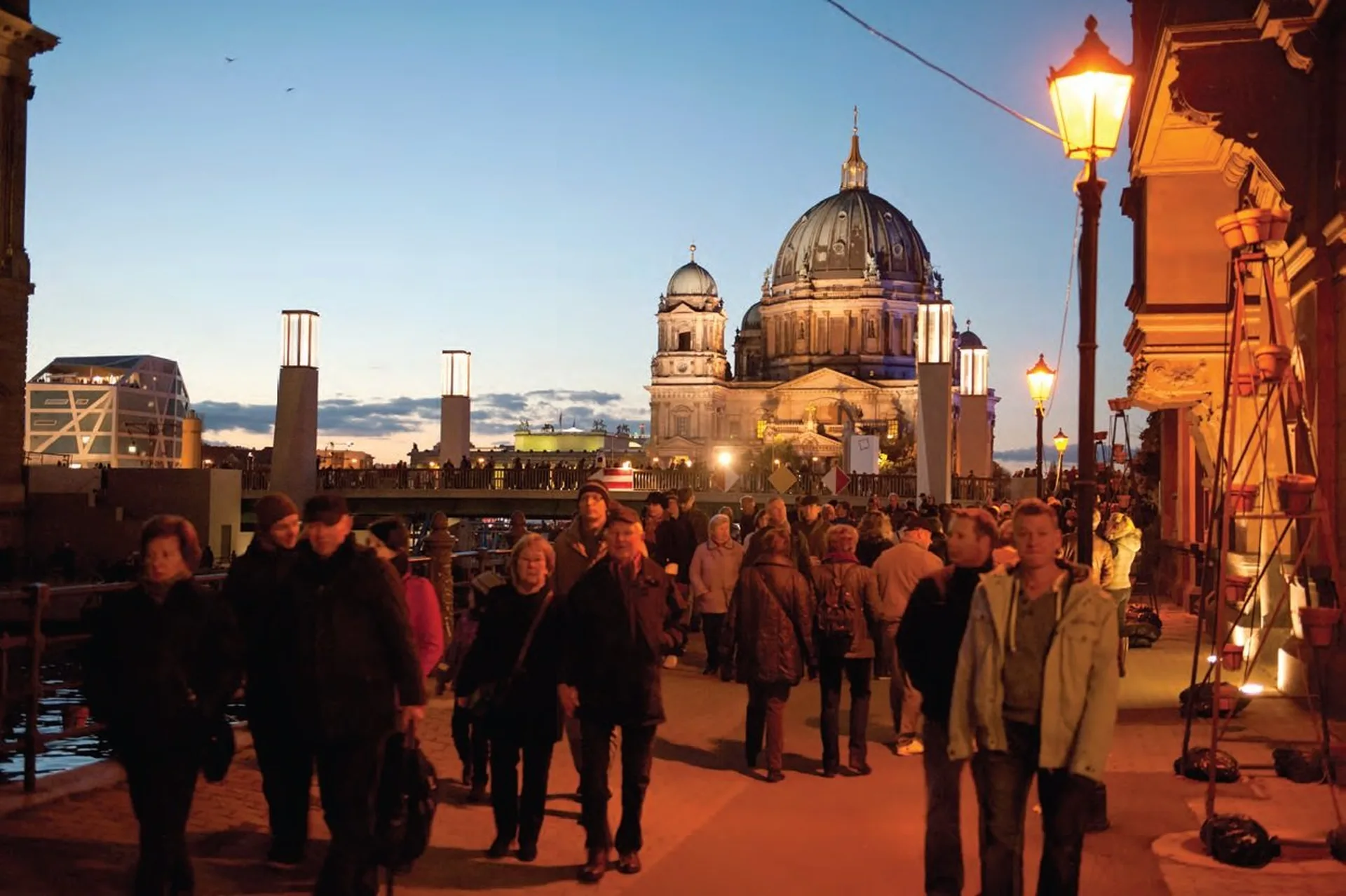
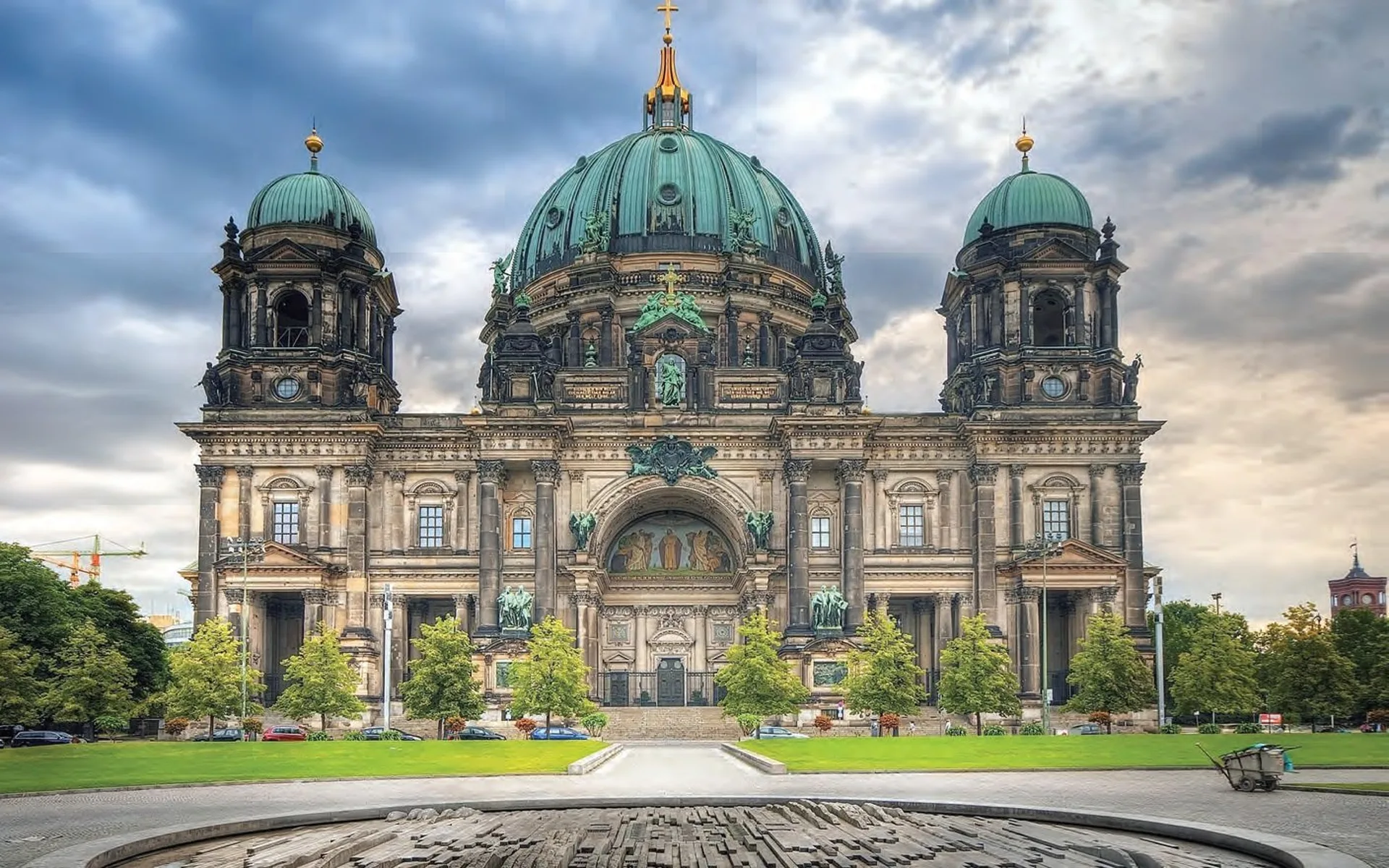
The next stop I would like to suggest would be a short trip further back in time - the Berlin Cathedral (Berliner Dom), close to Alexanderplatz. Lie down on the grass in front of the Dom and try to figure out what parts of its architecture are Baroque, Gothic or even neoclassical. It’s not an easy task, since all the different Hohenzollern families and architects that built and rebuilt it had their own tastes. Speaking of taste - when you are finished, grab a Bratwurst from the street vendors around Alex to give you strength for the exhibitions on Museum Island (Museumsinsel).
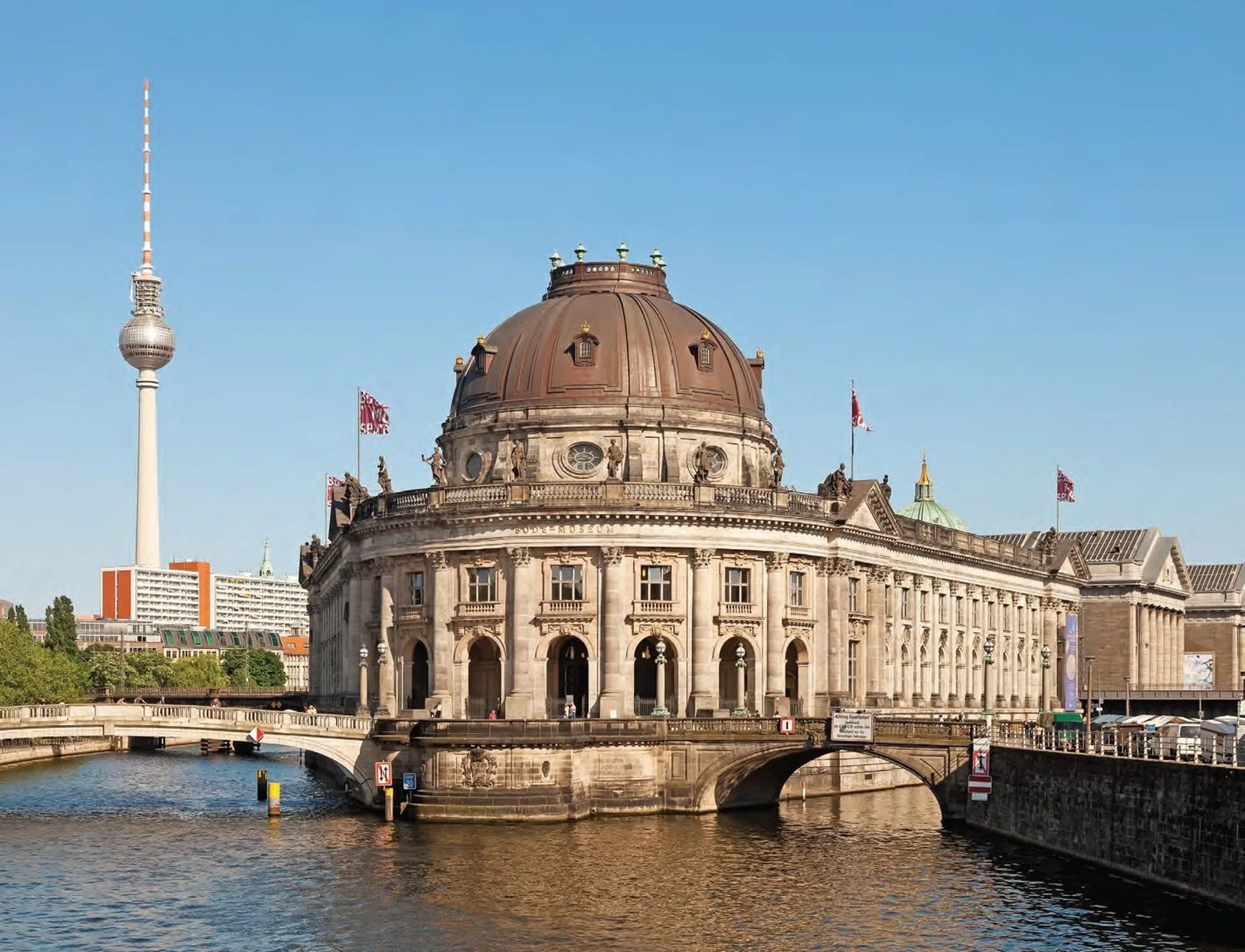
If it is ancient art you are looking for, see the Nefertiti bust in the Neues Museum. For romantic or impressionist devotees, I recommend the landscape masterpieces by Caspar David Friedrich and the works of Auguste Renoir in the Alte Nationalgalerie. And if it’s Byzantine paintings, Russian iconographic art or Renaissance sculptures of Donatello that you are interested in, the Bode- Museum is the right place for you. If you decide not to visit the exhibitions, go for a stroll on Museumsinsel which houses these, and see for yourself why it has been added to the UNESCO list of World Heritage sites. I’m sure you will find plenty of reasons.
Since no big project in the history of mankind has ever been completed on an empty stomach, I suggest you relieve your hunger after such a lot of art. Walk to the Nikolaiviertel to see some of the beautifully restored historic houses of old Berlin and enjoy German, French or Italian cuisine here. In this neighbourhood, the art of being welcoming is self-evident.
„Art and architecture are from and for the people”.
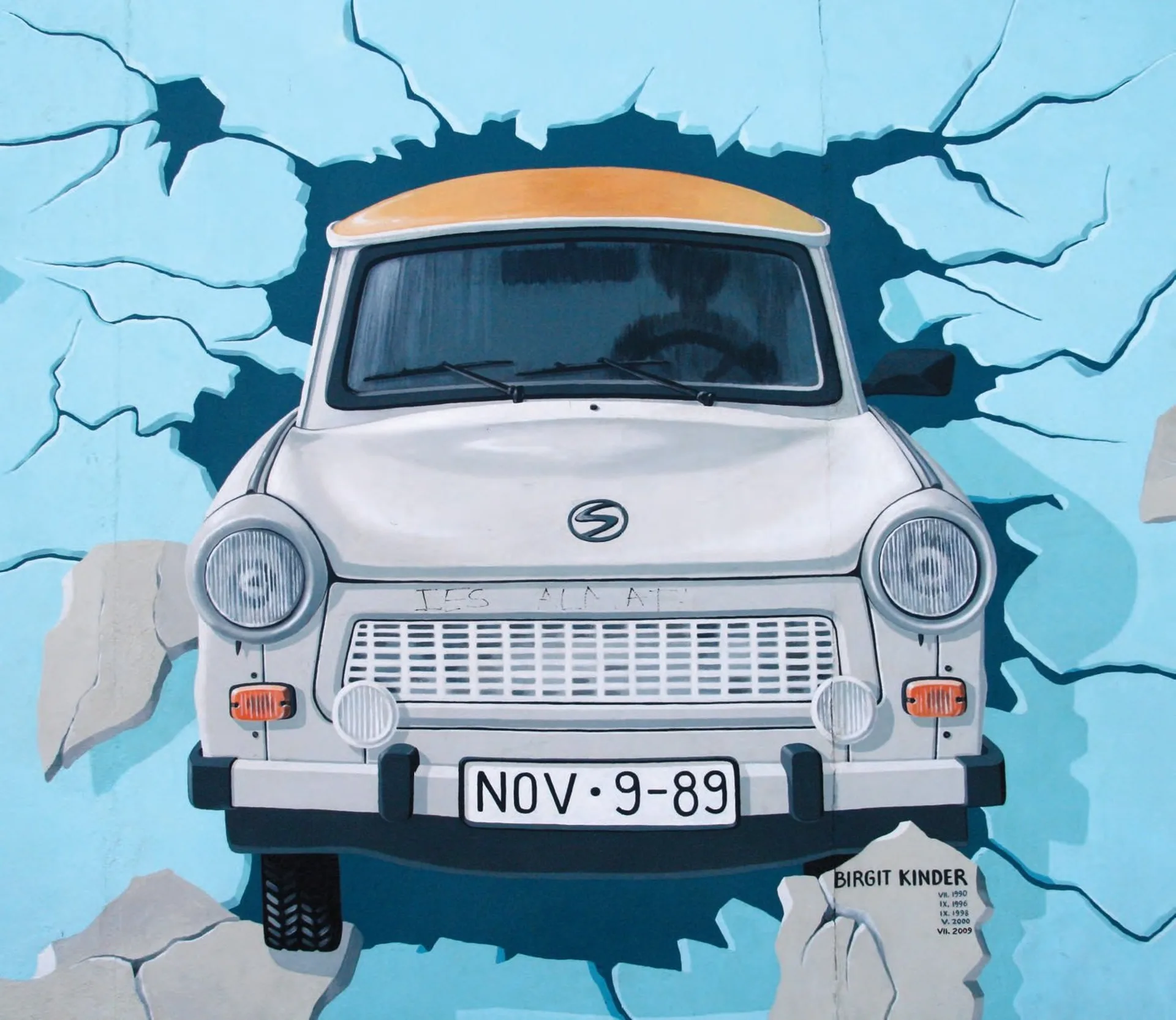
After lunch, follow the line of bricks through town to see where the Berlin Wall used to stand. Cross the old East – West border at Checkpoint Charlie and visit a well preserved part of the former Wall at East Side Gallery. Here, you’ll be amazed by the powerful messages expressed by over a hundred artists from 21 countries in their murals. Twenty five years after its fall, it is probably one of the best ways to understand an important part of recent German history.
Don’t leave Berlin without enjoying dinner and maybe even a foxtrot dance at Clärchens Ballhaus, the historic ballroom of the 1920s. It is places like these that remind me where the town once was and how it developed.
As I said, art and architecture are from and for the people. Having just one day to explore both of them in Berlin, might be rather unsatisfactory. Yet it might be enough to enable you to take an important part of German and international heritage back home with you, and so to become a Berliner. I certainly do every time.
A German art critic once said: “Berlin is a city condemned forever to becoming and never being.” Discover the German capital and find out for yourself if he was right or not.