
by Monica Crânganu
The space is an essential component of wellness, through everything it conveys and it is not accidental that we feel the need to recover the natural and the minimalistic open interiors, detached from the useless and excessive elements. It is the main condition to minimize the causes of stress and to relax. Therefore, exotic locations, as far away as possible from the troubled modern world, have become the most desired places of vacation. The authenticity of the places yet untouched by technology - often savage – represents the key ingredient for getting back into physical and mental shape.
Besides the relaxation and regeneration therapies that are more and more complex, making our choices relies upon the place and its natural particularities. The more authentic they are, the more successful the experiences shall be. People are eager to experiment the “healthy” side of a vacation, rather than the comfort and they check into therapy resorts in order to escape the frantic daily existence. These resorts, located at the edge of the urban landscape, over virgin forests, attract the tourists into their peaceful inlands.
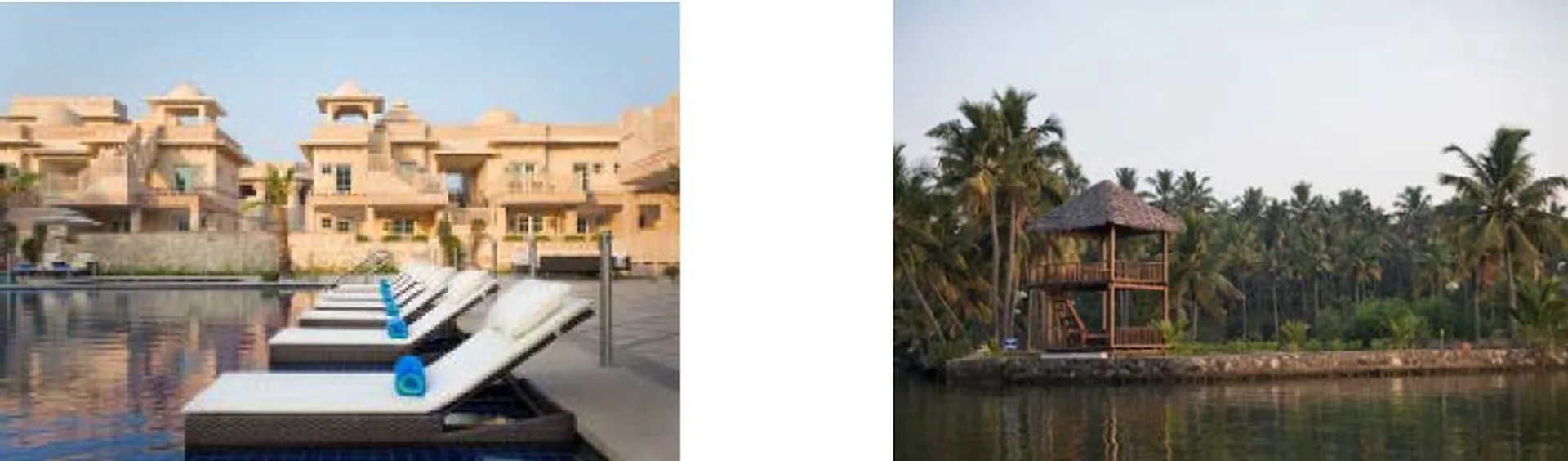
Yoga and the Ayurveda practice have become a well-shaped trend and the number of followers is increasingly high. They are based on nature`s simple principles, thousands of years old, used to guide the entire existence of people. Ayurveda (the science of life) is a traditional medicine system coming from India; it is a systematized knowledge and wisdom, it is the art of healthy living, containing all aspects of life – body, mind and spirit. In this sense, an ambient is created to help balance all these in a resonating environment. All the therapies of Asian culture are based on finding this balance and the ways to attain this balance vary from one culture to the other. Harmony is the main drive and the following Ayurveda elements are used: earth, space, air, fire and water.
Certainly, the best places of this sort are to be found in the regions of origin, mostly in India but also in some other Asian countries. The experiences vary depending on the destination, from ascetic centers that encourage self-focus and meditation to the most luxurious ones that provide absolute relaxation.
All the therapeutic procedures based on plants are completely safe and monitored by experienced professionals creating individual and personalized treatments, giving people what is suitable for them and not what they desire. Modern diagnosis methods are used, together with the ancient Ayurveda traditions to identify and treat deep malfunctions.
The programs combine natural treatments with yoga, breathing techniques, meditation, Ayurveda diet and outdoor walks. The centers are always built in places that have spiritual significance and are designed according to the vastu shastra principles – the ancient science of building (the ad literam translation is architecture science). The state of focus and general harmony can be emphasized and amplified by everything surrounding. While the physical movements of the programs require space and equipment, a major characteristic of the practice is meditation and relaxation. To a smaller extent it is about intense physical training and a lot of psychological therapy.
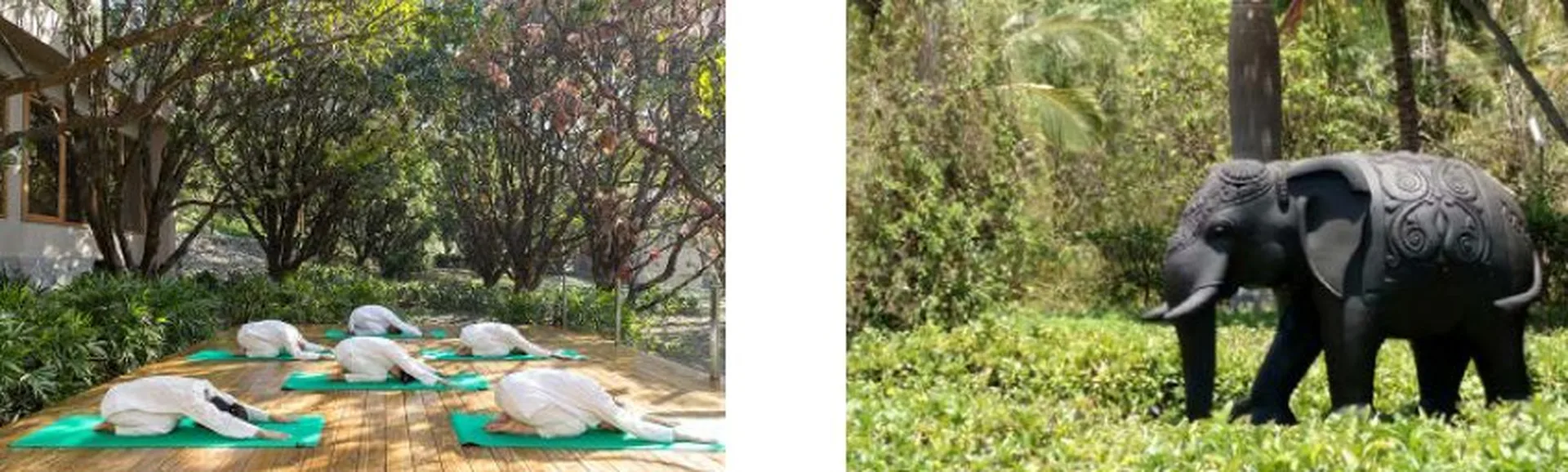
Esthetics plays an important role; certainly the environment must be warm and pleasant but there are components perceived at a higher level than visual pleasure. Sound, colors, lights and temperature all contribute to the emotional state that needs focus and mental peace.
Regardless of their location, the Ayurveda centers have some common features: Bright colors, in order to convey feelings of calm and wellness, in contrast with dark colors that are perceived as negative or extremely bright ones that increase mental anxiety.
Decoration is intentionally minimalistic; less is more is a basic principle meant to allow energy to move freely and mind to free itself, without any physical barriers.
The fundamental natural elements of the universe are represented at least symbolically, such as candles for fire or fountains for water.
Lights must be clear but fuzzy, no darkness or violent lighting; a natural light is preferable.
Smell is very important – aromatherapy is an art that awakes strong emotions and energies depending on the perfume’s essence
The background sound is always made up of nature`s soothing tones or chill out music.
The natural environment is surrounded by exotic and paradisiacal landscapes, fresh air, direct interaction with nature`s wonders: clear rivers, huge forests to explore and wild fauna and flora.
All of these places have in common ethical environmental and spiritual values that lead towards a healthy and harmonious lifestyle. Food is completely vegetarian and there is no trace of alcohol, animal origin products, toxic substances or plastic.
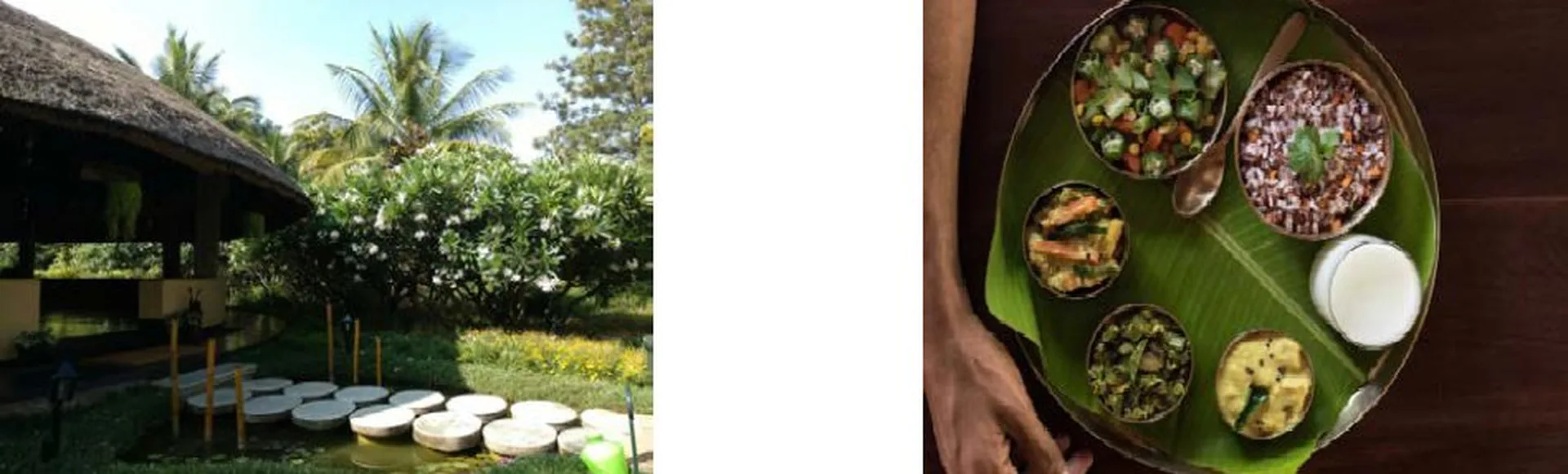
Ayurvedic treatments and practices are complex and can be personalized depending on the patient`s condition, combining yoga techniques, meditation, various types of massages with natural essences and oils, steam baths, detoxification and rejuvenation, personalized diets, outdoor sports and many other traditional practices that heal or minimize several diseases, some of which are quite serious. The treatments work together with the natural environment and have as result a regain of well being and an improved vitality.
On the other hand, coming back to the modern world, we find the most surprising locations to practice yoga and meditation: restored 16th century chapels, austere cottages or spectacular “nests” built from natural materials adapted to the contemporary world. The common purpose of these spaces belonging to different cultures is creating the best climate for achieving personal balance; all the elements are meant to remove maladjustments and negative energy from the body and the mind.