by Alice-Claudia Gherman
The history of the Bethlen family on these lands stretches back to the 14th century. Was the intention to revive the estate through tourism present from the very beginning? When did the modern story of Bethlen Estates Transylvania truly begin?
The seed was planted long before I was born. I grew up listening to my father’s stories about this place, about the family home he had lost during communism and about the village of Criș that had shaped generations of Bethlens. When he returned in the 1960s and found the castle in ruin, he made it his mission to revive not only the buildings but also the community behind them.
That sense of responsibility stayed with me. The idea of hospitality came later, when I realised that the best way to bring these heritage buildings back to life was to give them a purpose again — a respectful, sustainable, long-term purpose. The modern chapter of Bethlen Estates Transylvania began the moment I decided, together with my wife, Countess Theodora Bethlen, and my mother, Countess Gladys Bethlen, that restoration was not enough, we needed to create a living estate that could support itself, support the village and open its doors to the world.
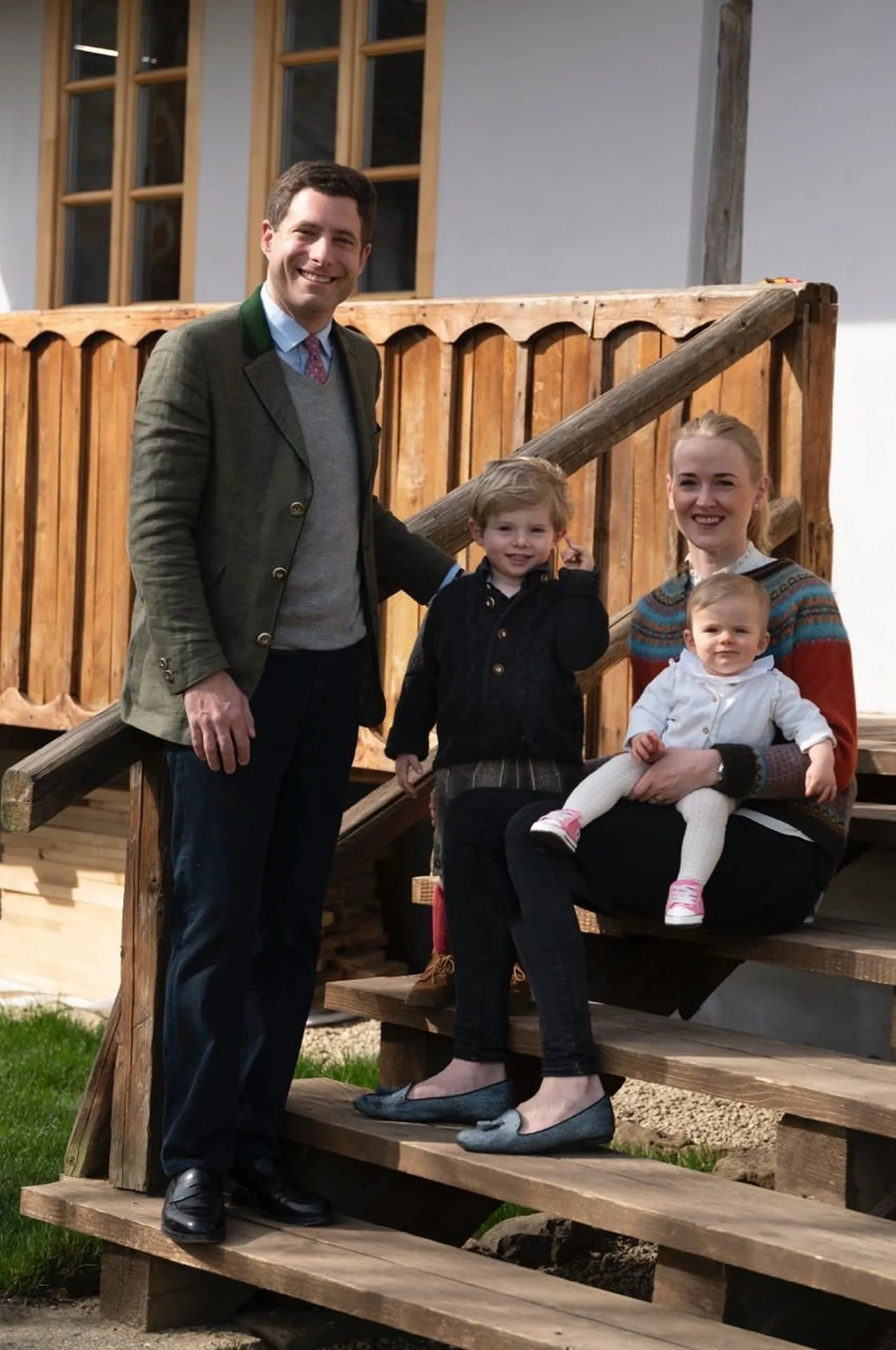
What motivated your family to transform the estate into a hospitality project? How did a “family home” evolve into Bethlen Estates Transylvania?
At first, the dream was simply to reclaim and restore our heritage, to honour what generations before us had built. But as we progressed, we understood that heritage alone cannot survive on nostalgia. These buildings needed life, people and a future.
The transition from “family home” to “estate” happened organically. Each house we restored seemed to ask for a new purpose. The more we rehabilitated, the clearer it became that hospitality, done with honesty and respect, was the best way to keep the estate alive and to share its story in a meaningful way. Bethlen Estates Transylvania is not a museum of our family history. It is a place that breathes, welcomes and evolves.
Was joining the Small Luxury Hotels of the World collection a long-term goal or did it happen naturally?
It happened naturally. We never restored the estate with the intention of earning recognitions or awards. Our focus has always been on authenticity, craftsmanship and creating the kind of atmosphere where guests feel not like tourists, but like invited friends.
Bethlen Estates Transylvania – luxury accommodation in ”a village that time has not rushed”
What does being part of the Small Luxury Hotels of the World network mean for you and for your guests?
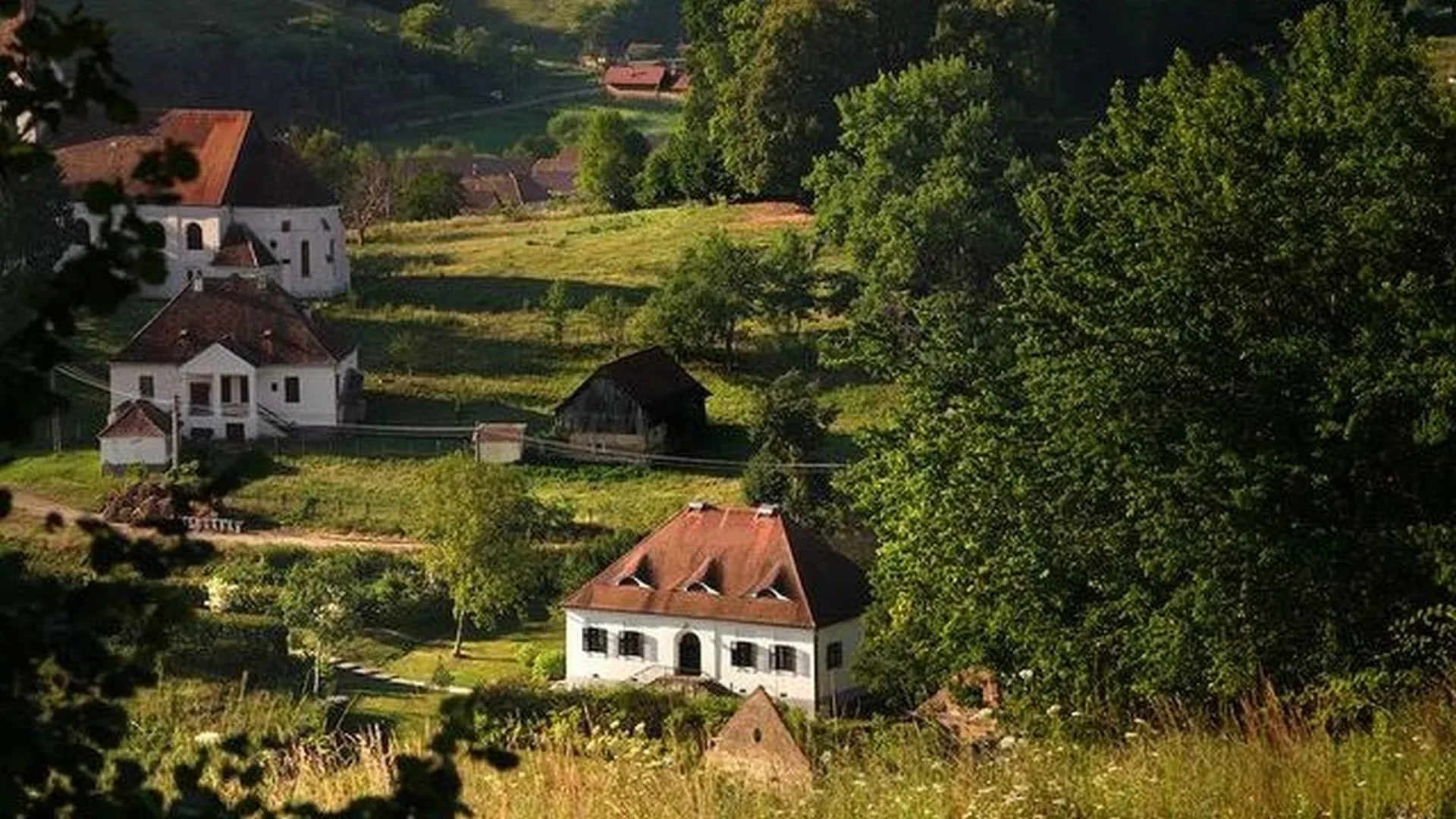
For us, it is a form of recognition that our approach resonates beyond Transylvania, that you don’t need marble lobbies, uniformity or opulence to define luxury. For our guests, it is a guarantee of quality, privacy and character. SLH properties must offer something singular, something that cannot be replicated anywhere else. Bethlen Estates Transylvania fits that philosophy perfectly: a cluster of restored heritage buildings in a village that time has not hurried.
How would you define luxury from the perspective of Bethlen Estates Transylvania?
For us, luxury is the absence of noise, literally and metaphorically. It is silence, space, nature, authenticity and human warmth. Luxury is having time to think, to read, to walk through meadows, to enjoy a meal that reflects the land around you. We focus on comfort without spectacle, refinement without pretension. Luxury here is not designed to impress, it is designed to soothe.
What criteria does a property need to meet to enter the SLH portfolio?
SLH looks for three things: individuality, exceptional service and a strong sense of place. Their inspectors evaluate everything: from the quality of the restoration to the atmosphere, the service philosophy, the privacy offered and how well the property expresses its own story.
Bethlen Estates Transylvania is by definition unique: the history, the architecture, the rural setting, the way old craftsmanship meets contemporary comfort. Everything is rooted in authenticity, and I believe that is what convinced them.
Today, authentic storytelling is essential — and the story of Bethlen Estates Transylvania often feels almost fairytale-like, with its noble heritage, idyllic landscape and virgin forests. What, in your view, grounds this “Bethlen fairytale” in everyday reality?
The “fairytale” elements…the noble family history, the rolling hills, the untouched forests — are real, but they are only part of the picture. Behind them lies an enormous amount of work: years of restoration, complex logistics, sourcing artisans, navigating heritage regulations, rebuilding a local workforce, creating a sustainable tourism model that benefits the community and working closely with farmers, producers and wine makers that understand and honour our terroir. What grounds the story is that it’s not fictional. Everything you see here has been rebuilt stone by stone, beam by beam, with real people whose lives are intertwined with the estate. It is beauty built on discipline and responsibility.
Can you tell us more about each accommodation: Caretaker’s House, Depner House and Corner Barn?
Every one of our houses has its own personality and rhythm, and guests often tell us they feel very different the moment they step through the door.
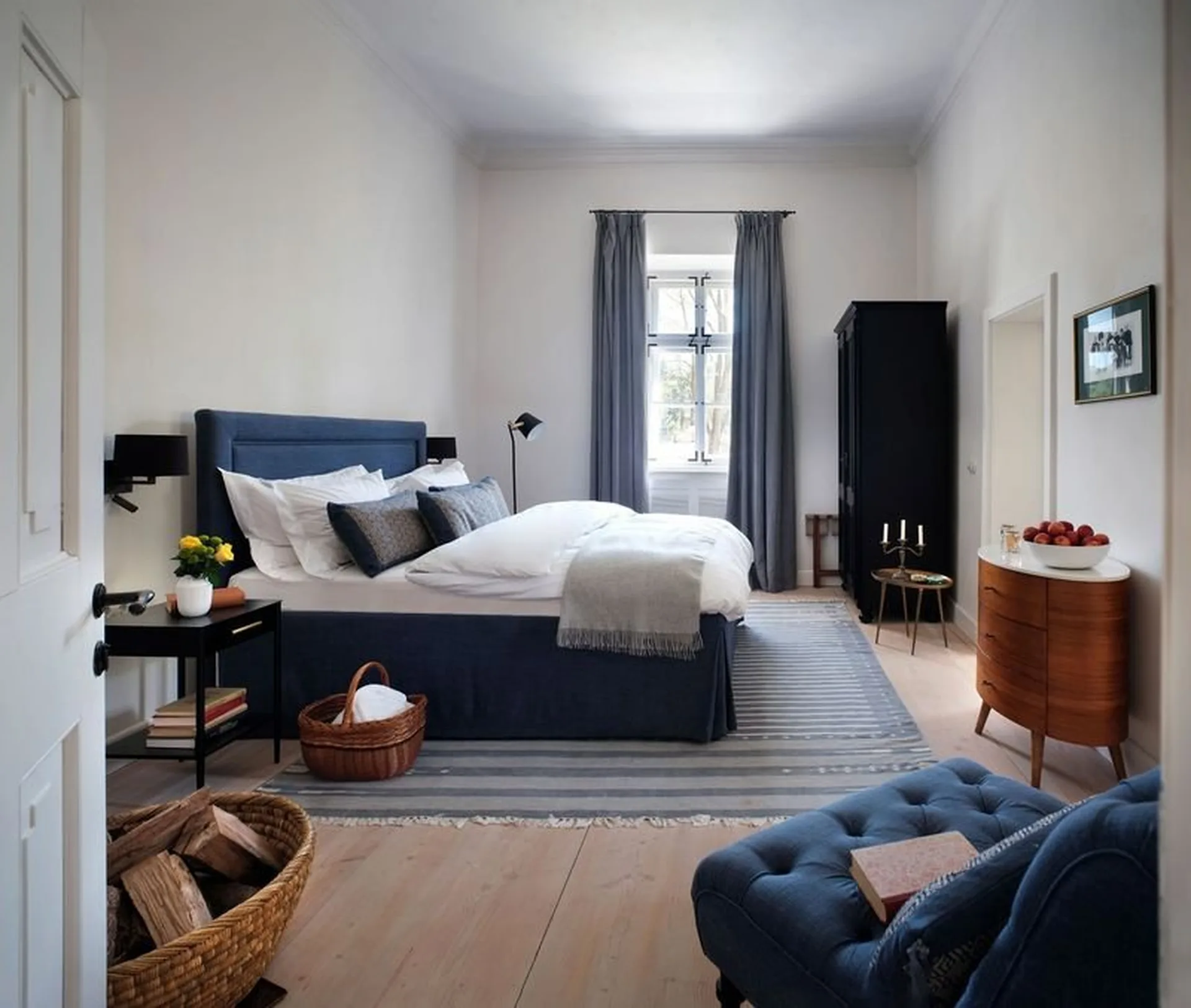
The Caretaker’s House is our grand, yet deeply cosy, family home. It is a 300-year-old building that once housed the estate’s caretaker and has been restored with great respect for its original structure. Inside, you’ll find four double bedrooms with exposed beams, tiled stoves, handmade furniture and soft, natural textiles. There is a library for quiet reading, a private sanarium, and in the garden there is a pool that becomes the social heart of the house in summer. It’s ideal for families and groups of friends who want a private base with all the comforts of a contemporary countryside retreat.
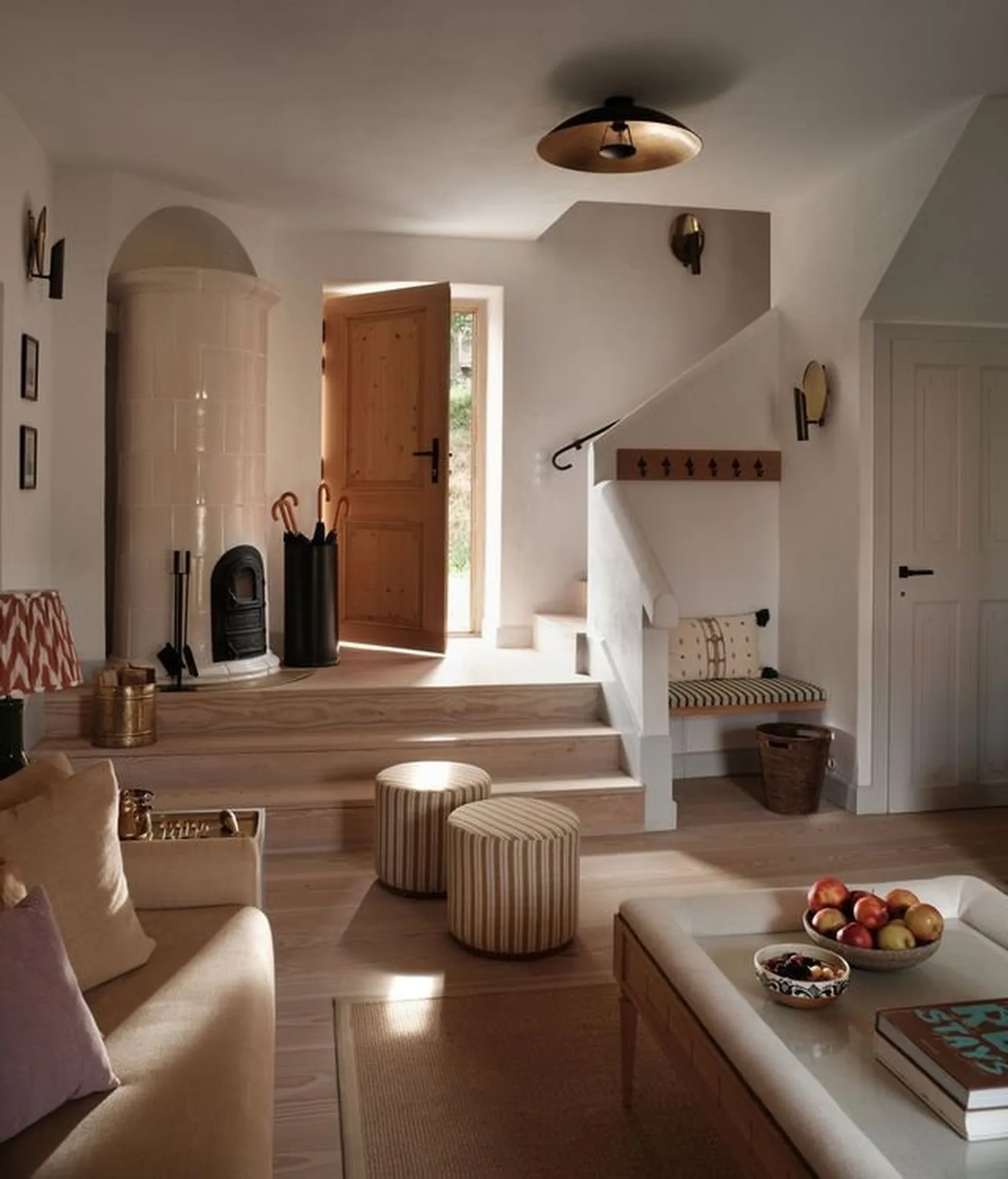
Depner House is more intimate, a traditional Saxon heritage house built in the 18th century for the Depner family, who managed part of the estate’s agricultural lands. Today, it’s a two-bedroom cottage that combines rustic architecture with refined details: original beams, cast-iron staircase, hand-sewn fabrics and custom lamps. The adjoining former barn has been reimagined as a bright, airy living room with a fireplace and snug sofas, so it feels like a private little world within the village. It’s perfect for couples travelling together or a small family who want both privacy and atmosphere.
Corner Barn is our contemporary take on rural Transylvania. Once a traditional hay barn, it has been converted into a four-bedroom guesthouse where you can either book individual rooms or the entire house. The shared living area on the ground floor is centred around a traditional tiled stove and generous seating, making it a natural gathering place after a day spent hiking, cycling or exploring. It works especially well for guests who enjoy the feel of a small boutique hotel, but still want the soul of a historic building.
From Nature Escape to Gourmet Escape and 2 Michelin Keys
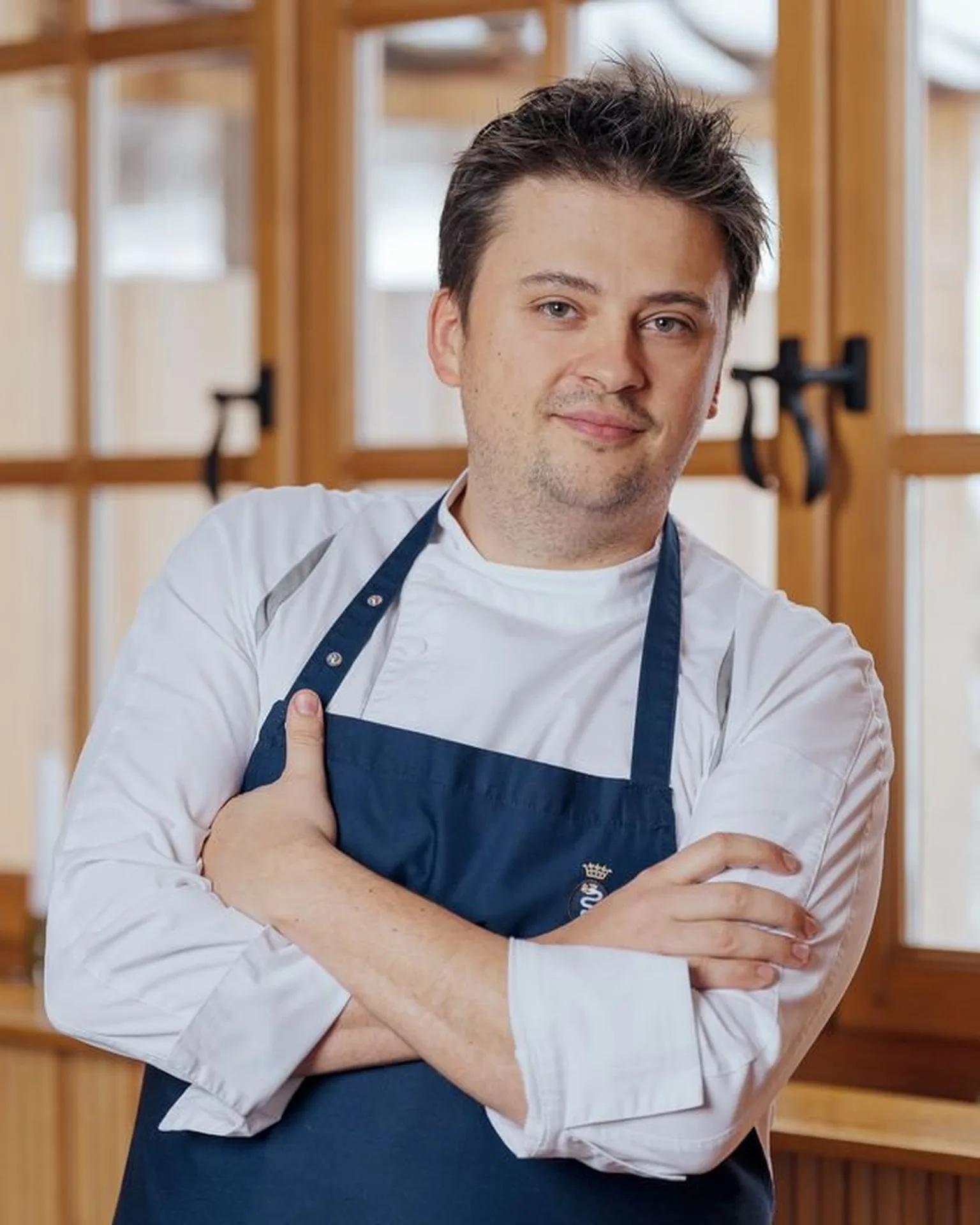
What is the concept behind your culinary experience and what is the Gourmet Escape?
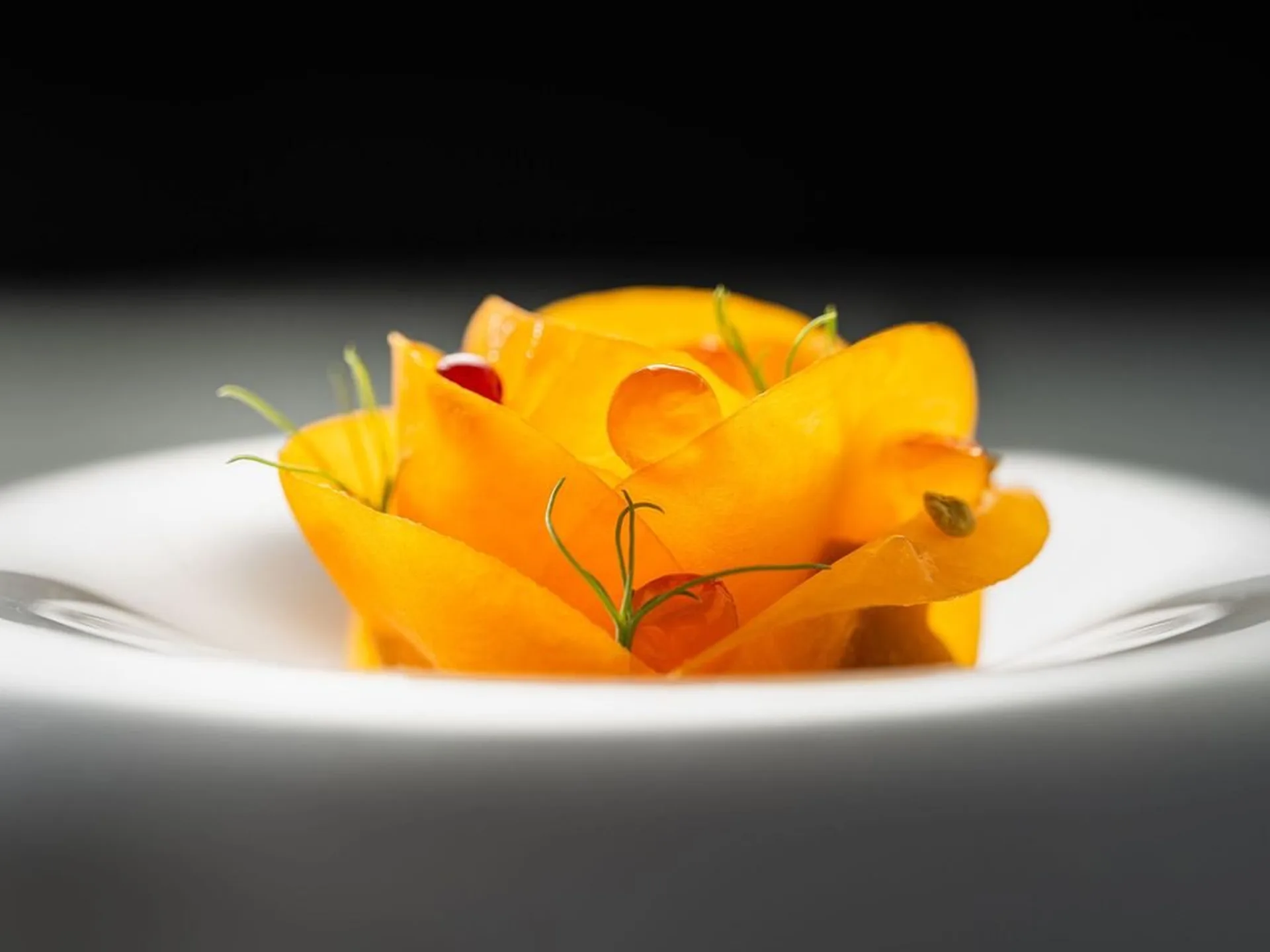
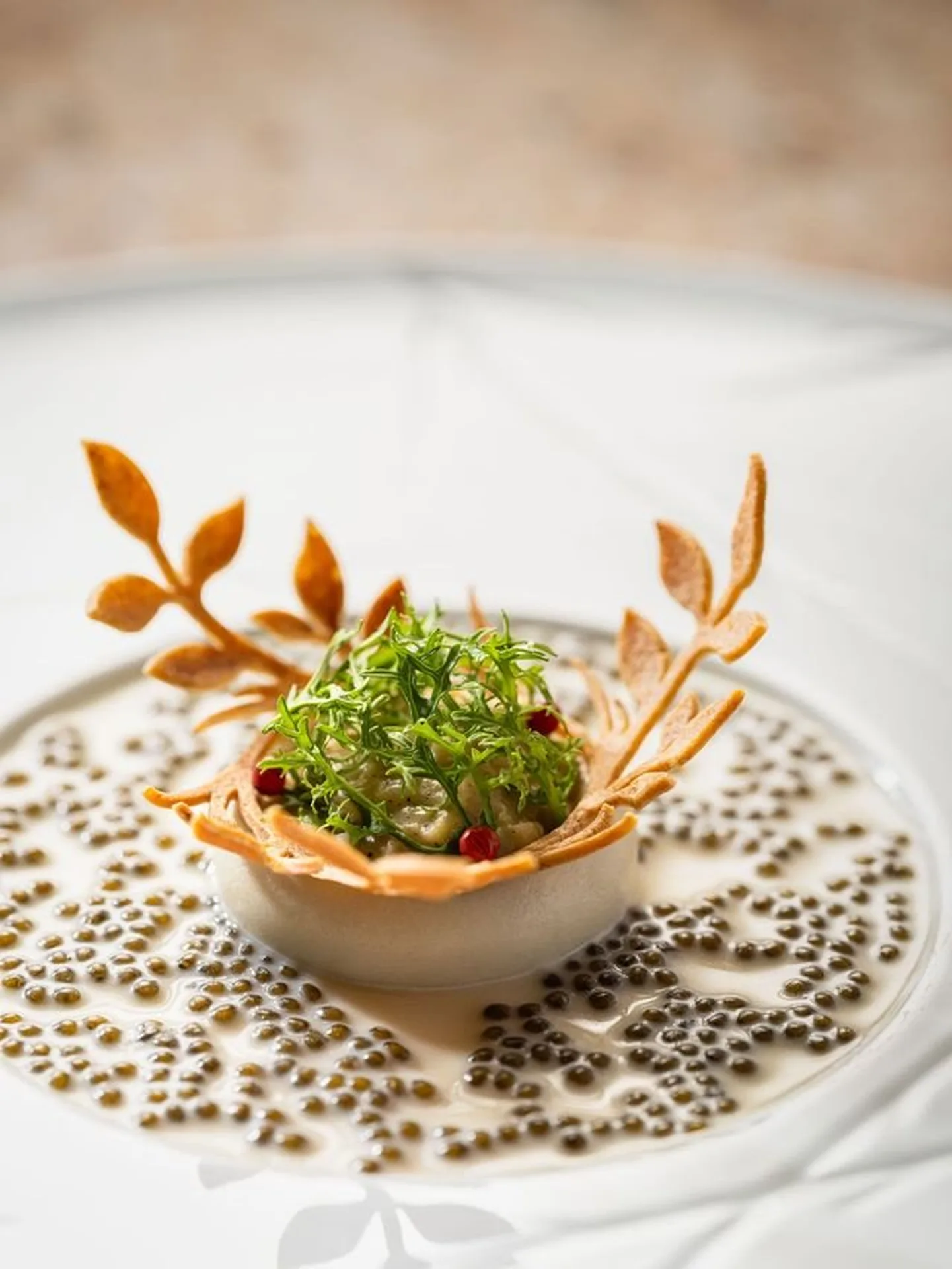
Our culinary philosophy at Bethlen Estates Transylvania is very simple: everything begins with the land. Chef Róbert Tordai cooks in a way that honours the gardens, the orchards, the forests, the producers who have worked these lands for generations. His cuisine is refined, contemporary, and technically precise, but never disconnected from place. Each dish tells a story of Transylvania: its seasons, its textures, its quiet beauty.
We offer several ways for guests to experience this philosophy, from intimate dinners in the Kitchen Barn to tasting menus that change with the seasons and are reinvented each time you visit, to concept-driven and immersive culinary events that honour an iconic ingredient such as the truffle (harvested from the nearby forests) or the prized Mangalica pork.
Gourmet Escape is one expression of this approach. We created it for guests who love to travel especially for the food and may not want to stay with us for a longer period of time. It’s a one-night journey built around a seven-course tasting menu by Chef Róbert Tordai, a sequence of flavours that feels like walking through our landscape, paired with wines that echo the character of the region. After dinner, guests stay in one of our restored heritage houses, so the experience becomes more than a meal. It becomes a night inside the rhythm of the estate…quiet, authentic and unhurried.
Bethlen Estates recently received Two Michelin Keys. What does this distinction mean for you?
Receiving Two Michelin Keys is a tremendous honour. Michelin Keys recognise excellence in hospitality and their criteria are exceptionally rigorous: architecture and restoration quality, authenticity, design, service, atmosphere, sense of place, emotional impact and the coherence of the entire guest experience from beginning to end. To be awarded Two Keys means that Michelin’s inspectors saw something truly distinctive in the way we welcome guests, something that goes beyond comfort and enters the realm of character, soul and precision.
It is also deeply meaningful that we are the only boutique hotel in Romania to receive this recognition. It shows that a small, heritage-driven project in a Transylvanian village can stand on equal footing with some of the finest hospitality destinations in the world. And it reinforces what we have always believed: that luxury today is less about spectacle and more about authenticity, craftsmanship, silence, nature and emotional resonance.
Are you aiming for a Michelin star as well?
Our goal is not to get Michelin stars, our goal is excellence. If excellence leads to a star one day, it would be a wonderful recognition of our team’s talent. But we do not cook for awards. We cook to honour this land that we are so proud of. We offer our guests something sincere.
Who are the guests who choose Bethlen Estates Transylvania?
We welcome a very diverse group: travellers from across Europe, the United States, Asia and increasingly — and importantly — from Romania. Many are well-traveled, culturally curious and looking for genuine places. Others come for silence, landscapes and privacy. What they share is a desire for authenticity rather than opulence.
Can you share names of public figures who have stayed at the estate?
We deeply value the privacy of our guests, so we would rather not share names. What I can say is that we have hosted writers, musicians and a number of prominent figures from the worlds of design, architecture and gastronomy, all of whom appreciated the estate precisely because it allows them to disappear for a while.
Why choose Bethlen Estates Transylvania over another luxury hotel in the SLH collection?
I wouldn’t say guests should choose Bethlen Estates Transylvania over another SLH property, each hotel in the collection offers its own kind of beauty and character. We are not a resort and we are not a hotel in the traditional sense. We are a restored heritage estate in a Transylvanian village where life still follows the rhythm of the seasons. Here, luxury is not a layer placed on top, it grows from the place itself. Guests come for the silence, the nature, the stories, the architecture, the food and for the sense that they are stepping into a living chapter of history. So it’s less about choosing us over something else and more about opening the door to a corner of the world that might take you by surprise, a place that has a beautiful soul and a way of leaving a gentle, lasting impression.
Is there anything else essential to understanding the story of Bethlen Estates Transylvania?
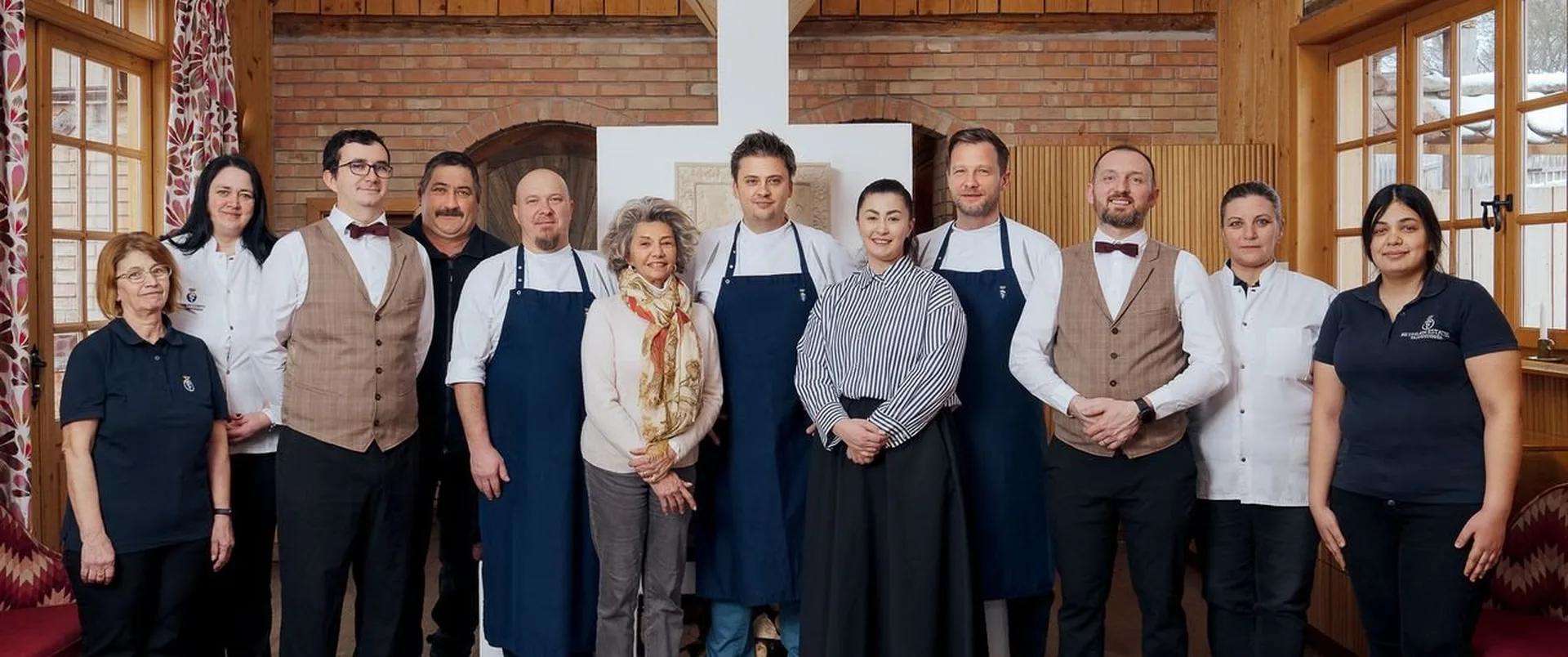
If there is one thing I would add, it is that Bethlen Estates Transylvania is not my project alone. It is the result of an extraordinary team, of local craftsmen, artisans, farmers, architects, of people who believed in a vision that was not always easy to explain. And above all, it is a project rooted in gratitude towards my father, who planted the seed, towards this landscape, which inspires us daily…and towards our guests, who keep the estate alive by becoming part of its story.