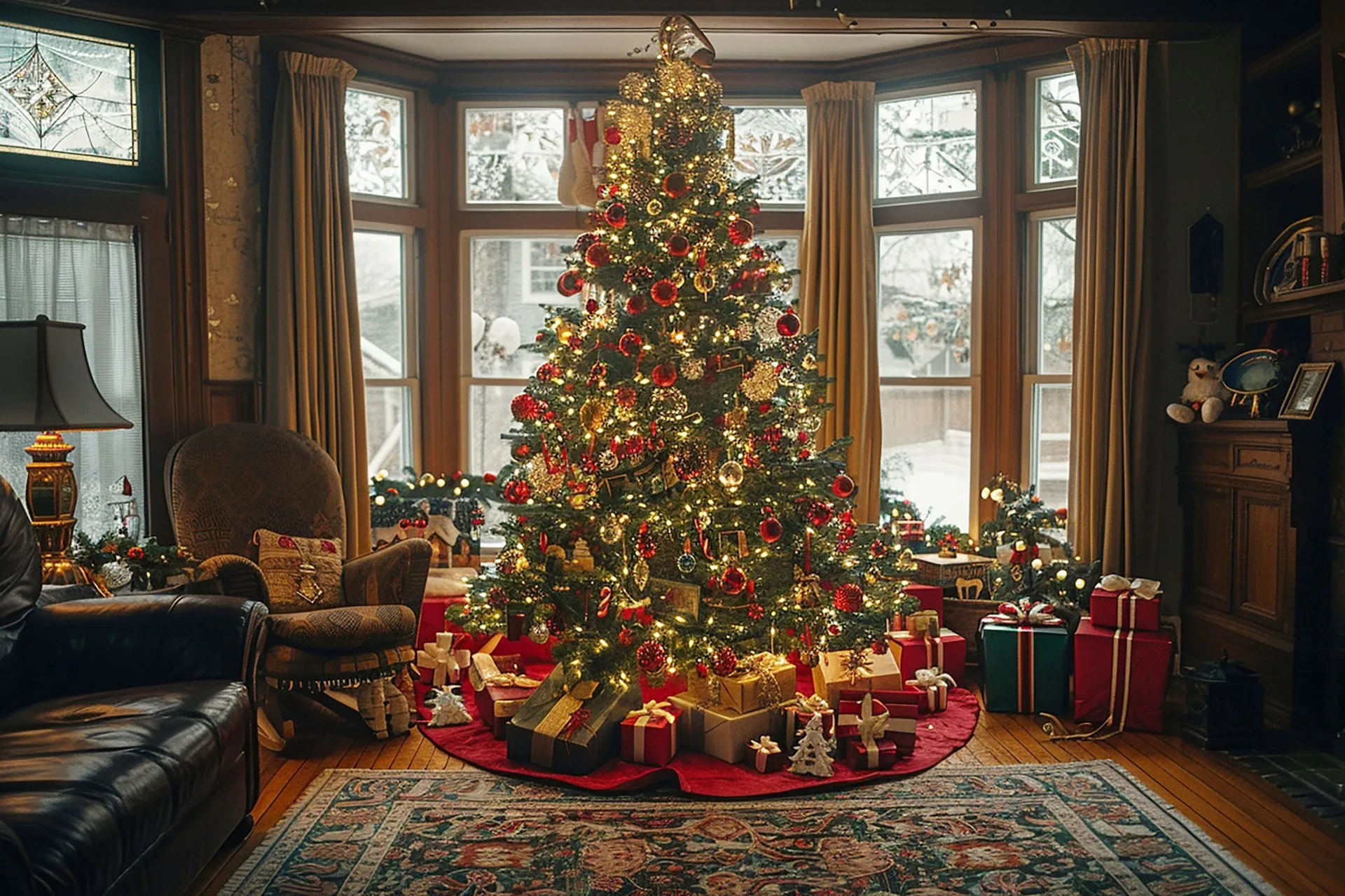

by Alice-Claudia Gherman
Christmas, a holiday with controversial origins
The birth of Jesus Christ is what Christians celebrate on the 25th of December. However, the first Christians did not celebrate Christmas at all, as the birth of Jesus was not initially marked by a specific holiday, the custom being adopted much later and on dates other than the 25th of December. It was only in the 5th century that the 25th of December was officially established, a date that was deliberately chosen to replace a pagan celebration in the Roman Empire — Saturnalia. Moreover, some Christians, such as the Puritans in the United Kingdom starting in 1644, and later in the United States — temporarily banned Christmas, considering it a holiday rooted in pagan traditions. Even today, certain Christian groups, such as Jehovah’s Witnesses, do not recognize the 25th of December as having religious significance. And yet, beyond the prohibitions, speculations, changes in meaning, and even customs, Christmas has gained ground all over the world. It has, quite literally, conquered the globe.
Over the centuries, figures with no direct connection to the biblical story of Jesus of Nazareth (Mary, Joseph and the baby Jesus) have also entered the scene: Santa Claus, with his gifts for children and more or less well-behaved adults, and the Christmas tree, which is often decorated as early as the 1st of December and kept until the 6th of January (for Christians of the old rite). Globalization, migration, the rise of multiethnic and multireligious societies, as well as commercial and marketing interests, have made an important contribution to transforming Christmas into a winter holiday for all.
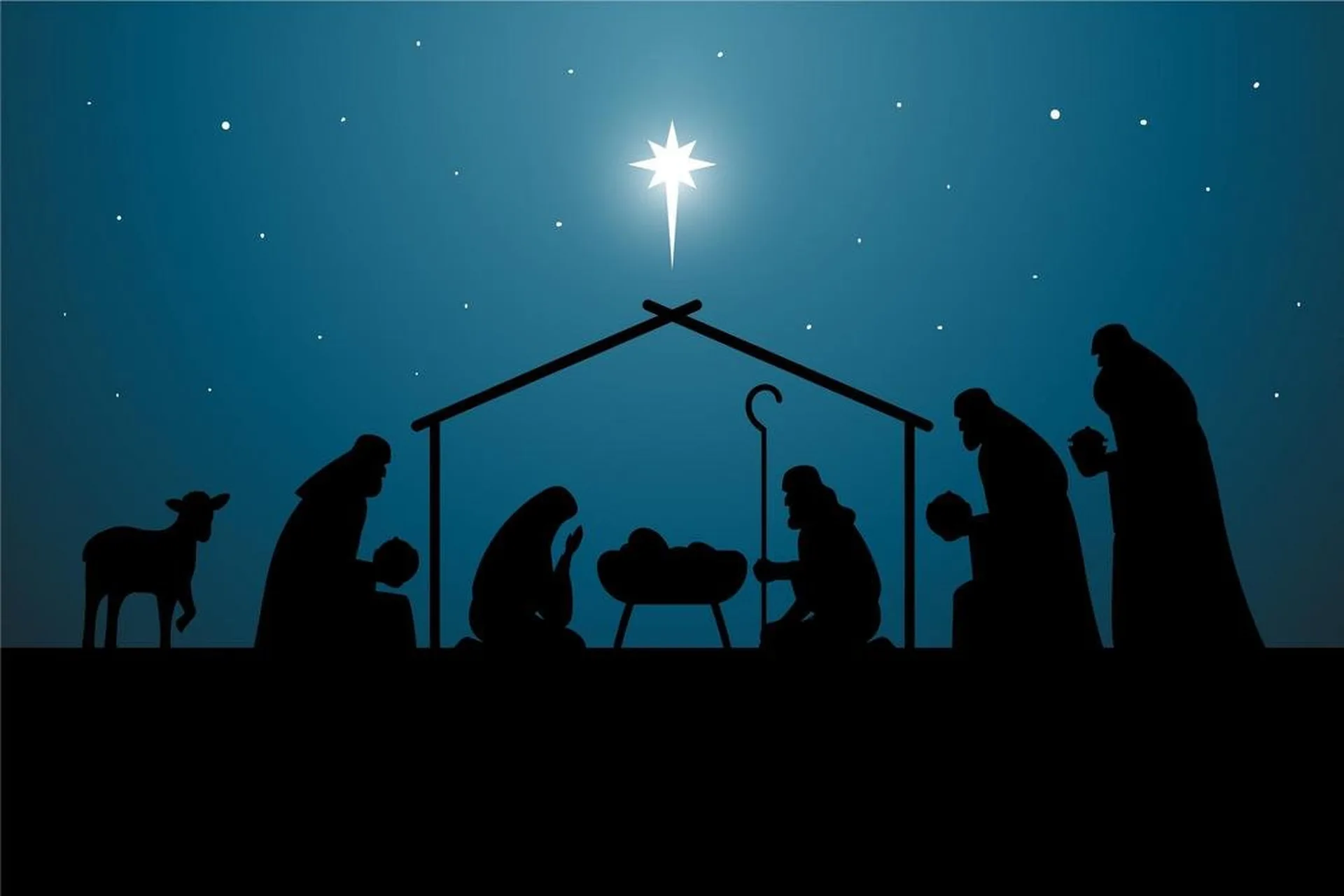
In Germany, the decorated Christmas tree is always adorned with a pickle ornament
Germany is perhaps the most famous country to which the custom of decorating Christmas trees is linked and from where this beautiful tradition spread to the rest of the world. The Germans were among the first to decorate Christmas trees, they were the first to replace the apples and nuts on the tree with ornamental glass globes (16th century) and they were also the first to associate the tree with tree lights (in the 17th century, in the form of candles). It was not until the beginning of the 20th century, with the discovery of electricity, that Thomas Edison lit the Christmas tree with electric bulbs. In Germany, there is still a tradition today that the Christmas tree is always adorned with a special ornament – a pickle globe, more precisely a pickled cucumber, hidden somewhere among the branches and other tree ornaments. The child who finds it receives an extra gift, and according to the tradition, he will be lucky all year long. The custom has also reached the USA and the pickle-shaped ornament is called a "pickle ornament".
Germans traditionally celebrate St. Nicholas, who gives gifts to children on the night of the 5th to the 6th of December, and the Christkind — the baby Jesus — who brings gifts to children. This tradition is also found in Austria, Italy, and Switzerland, but this unique symbol of Christmas was eventually overtaken in popularity by Santa Claus, who was heavily promoted by Americans, who are credited with “inventing” the modern image of the well-known character dressed in red, who comes on a sleigh pulled by reindeer and brings gifts to children, saying “Ho, ho, ho!”.
Germans also attach great importance to the Advent wreath, a circular wreath made of fir branches with four candles, which are lit during the Advent period, one each week until all are lit shortly before Christmas Eve, the wreath symbolizing the anticipation of the Birth of the baby Jesus.
Great Britain traditions and legends spread across all continents

If the Germans introduced the tradition of Christmas trees and the lights on the tree, the English created a magical Christmas atmosphere through the stories of Charles Dickens and they were also among the first to send written congratulations on the occasion of the Nativity of the Lord. The first Christmas card was sent by the English and dates back to 1840. The tradition of hanging stockings on the fireplace on this occasion also comes from the United Kingdom. The tradition is linked to the legend that says that an extremely wealthy English nobleman was left a widower with three little girls, and his anger caused him to fall into alcoholism and lose his fortune. When the girls reached marriageable age, they could not marry because their old father had no dowries to give them. According to legend St. Nicholas performed a miracle around Christmas, leaving money in each stocking hanging to dry by the fireplace, thus providing the three girls with the dowries they needed to marry.
The English call Santa Claus Father Christmas. The traditional Christmas meal consists of roast turkey stuffed with chestnuts, or goose with raisins, and the indispensable plum pudding, also known as “hackin’.” The second day of Christmas is called Boxing Day. It was originally the day when the rich gave boxes containing money or food to the poor, but today it has become an integrated part of the Christmas festivities, associated with shopping, sporting events, and social gatherings.
Holland between Sinterklaas and Kerstman
In Holland, Christmas is called "Kerstmis", and families usually eat a kind of "cozonac" with almond paste and raisins. It is called Kerststol and it is served at breakfast on Christmas Day, followed by chocolate cookies and a round shaped cake called "turban". The Christmas dinner does not lack turkey, pork loin and potatoes and vegetables. The first figure who gives gifts to the little ones on the night of December 5 to 6 is Sinterklaas (Saint Nicholas). The Dutch also have Kerstman (Father Christmas), who visits houses on December 25 and 26 and leaves gifts, but he is not as important.
USA, the country that made Santa Claus famous
Santa Claus might not have become so famous worldwide if it were not for the United States. Although Santa Claus's roots are Dutch, today he is an international figure. His image was greatly influenced by the writings of Washington Irving and Clement Clarke Moore's 1823 poem "A Visit from Saint Nicholas", which established the idea that Santa Claus travels in a sleigh pulled by reindeers and enters children’s houses through the chimney. Santa's red costume and ruddy forms were created by the artists of "Harpers Weekly" and those who designed the Coca-Cola advertisements. Tradition holds that children leave milk and cookies for Santa Claus on Christmas Eve, as well as carrots for the reindeer. Americans place great emphasis on festive lights and decorated houses for the long-awaited arrival of Santa Claus. American Christmas meals often include walnut pumpkin, and egg custard pies, Christmas crackers with surprises, stuffed roast turkey, and many other festive treats.
In Spain, children receive gifts from the three wise men on January 6
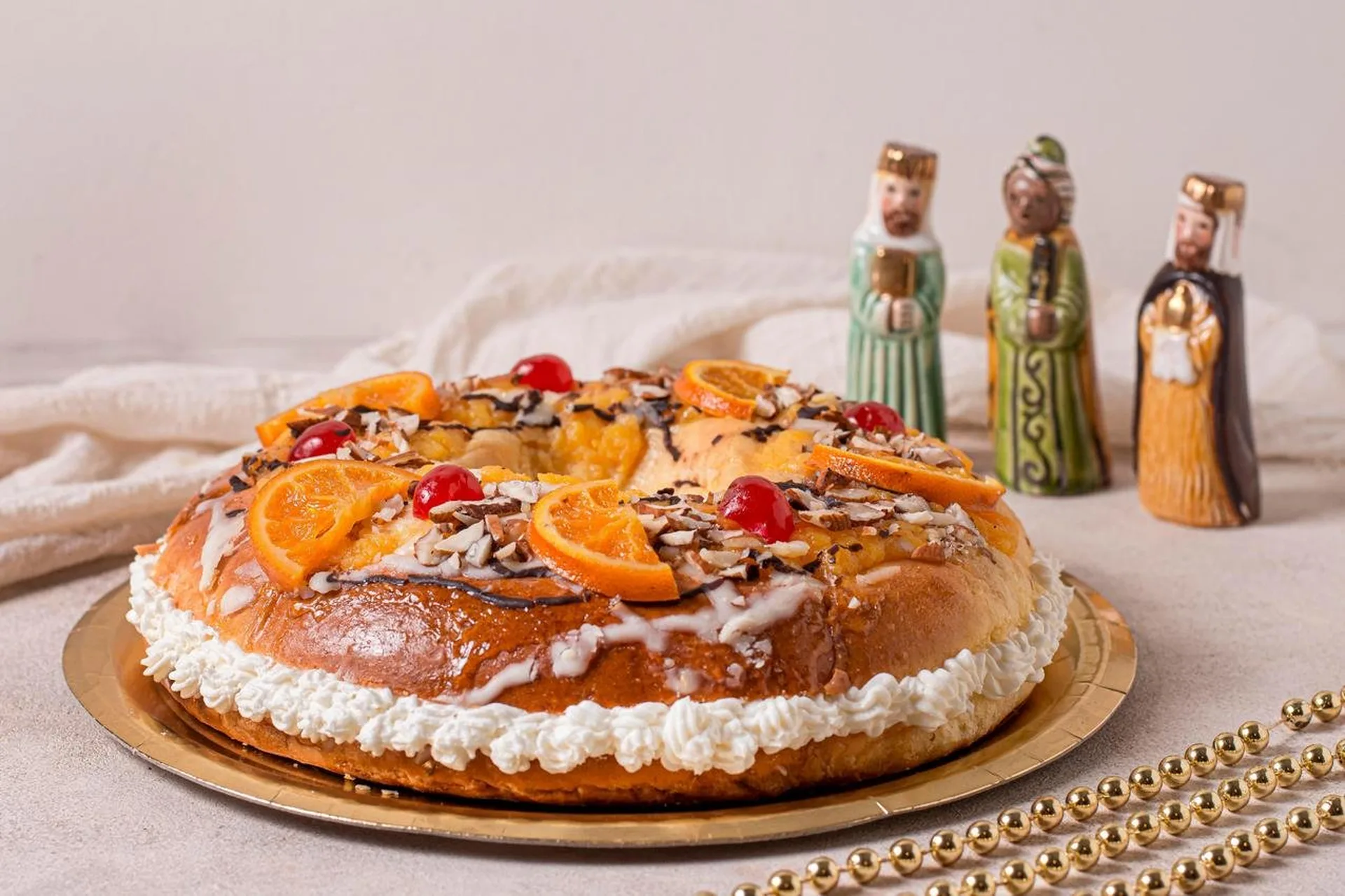
In the land of Cervantes, Christmas is a very important Christian holiday, centered on baby Jesus, the family Joseph and Mary, and the Three Wise Men who bring gifts. The famous beléns are made — detailed representations of the Nativity — and Christian families, as in most Western countries, attend Midnight Mass, listen to Christmas carols, and gather around festive meals. Spanish Christmas dinners are filled with roast pork or lamb, turkey stuffed with truffles, seafood dishes, and traditional sweets such as turrón and marzipan. Spanish children do not wait for Santa Claus, but for the arrival of the Three Wise Men on the 6th of January, Epiphany, when they receive sweets and gifts. Children leave their polished shoes at the door, filled with carrots, straw, and barley for the Wise Men’s animals. On this occasion, a special cake called roscón de Reyes is prepared — a ring-shaped cake filled with whipped cream and decorated with candied fruit. Inside the cake there is a small figurine, a paper crown, and a dried bean. Whoever finds the figurine wears the crown, while the person who finds the bean must pay for the cake. The Feast of the Three Kings marks the end of the Christmas season in Spain.
In France, a candle is lit in the window
In France, traditions involve decorating the Christmas tree (a custom introduced in the 19th century and borrowed from Germany), bringing the family together for an elaborate festive meal featuring foie gras, oysters, turkey with chestnuts, and the iconic dessert Bûche de Noël (the Christmas log). Children await the arrival of Père Noël (Father Christmas, Santa Claus), who comes riding a donkey called Gui. He leaves gifts for children in their boots. Another older French Christmas custom is placing a lit candle in the window, a gesture symbolizing hospitality and remembrance, traditionally associated with the Virgin Mary.
In Italy, Santa Claus is the witch La Befana
In Italy, the tradition of decorating the Christmas tree became widespread toward the end of the 19th century, after Queen Margherita of Savoy famously decorated a tree. However, the heart of the Italian Christmas celebration remains the Nativity scene, along with attendance at the Christmas Eve service and festive meals that often include fish and seafood dishes, as well as traditional cakes such as pandoro and panettone. Children do not receive gifts from Santa Claus on the 25th of December. Instead, on the 6th of January, gifts are brought by La Befana, a benevolent witch from Italian folklore, who visits children during the night to mark the Feast of the Epiphany.
Christmas is now an international holiday
Christmas is celebrated mainly by Christian communities around the world in December. However, many peoples in the Middle East and across Asia have either adopted Christmas with different meanings or simply tolerate its presence. If you travel through the Middle East, you may encounter decorated Christmas trees, even though the holiday has no religious significance in these regions. Jews, for example, have no reason to celebrate Christmas from a religious point of view, because they do not even recognize Jesus, but they have Hanukkah, the Festival of Lights, in December, a family holiday dedicated to the blessing of candles, on which occasion children are given a small amount of money as a gift. Jews who are not traditionalists, however, give Christmas gifts to friends and even their children, and some even decorate the tree, because they do not want their children to feel excluded or disappointed when classmates receive Christmas presents.
Christmas in the East
In Muslim countries in the Middle East, Christmas obviously has no place. In December, however, Muslims celebrate either Ashura - which marks the sacrifice of Husayn ibn Ali in Karbala by Shiite Muslims - or Mawlid al-Nabi, the celebration of the birth of the prophet Muhammad. Because of the lunar calendar used to determine this holiday, it does not always fall in December. However, in some areas in this part of the world, Christmas lights and even decorated plastic trees appear because either there is a Christian population in the area or a lot of Christian tourists come there. Moreover, in Muslim communities in Western countries, there are many Muslims who decorate the tree and give gifts to the little ones. A few years ago I met Amira who, together with her husband Karim, owned a general medicine clinic. Amira and Karim decorated the tree and put gifts under it for the little ones, even though they are not Christians. “This is the holiday in your country, what should we do? We don’t want our little ones to suffer in kindergarten when they see the other children happy that Santa Claus is coming to theirs, but not to ours!”.
In Iran, a predominantly Muslim country, Christians — especially Iranian Armenians — celebrate Christmas privately, by attending church and then gathering with their families. Roast chicken is the centerpiece of the traditional Christmas meal. Adults do not exchange gifts, but children receive new clothes, which they wear on Christmas Day.
Christmas is also present in the
Far East, in countries such as China, Singapore, Indonesia, and Japan, where it
is not traditionally part of the religious calendar. Here, Christmas exists
less because of Christianity and more because of its commercial and social
appeal, especially in China and Japan. In China, however, Christian communities
do celebrate Christmas, known as Sheng Dan Jie (the Feast of the Holy Birth).
They decorate what they call the Tree of Light, adorned with paper garlands,
ornaments, and colorful lights. In Hong Kong, children place stockings in their
windows on Christmas Eve so that Dun Che Lao Ren (Old Man Christmas) can fill
them with gifts. For most of the Chinese population, Christmas has no religious
meaning, but is simply a joyful occasion to gather with family and friends,
exchange gifts, and enjoy festive food.

Meri Kurisumasu! — this is how
the Japanese say Merry Christmas. In Japan, Christmas is not a religious
holiday, as less than 1% of the population is Christian. Nevertheless, the
Japanese have adopted many Christmas customs, such as exchanging gifts and
sending Christmas cards. Christmas Eve is celebrated more than Christmas Day,
and is considered a romantic occasion, similar to Valentine’s Day, when couples
spend time together and exchange gifts and eat a light sponge cake decorated
with whipped cream and strawberries, known as Kurisumasu keeki. And there is
one particularly unusual Christmas tradition in Japan — introduced by Americans
in 1974: eating fried chicken from KFC.