by Bogdan Munteanu
Just like Saul of Tarsus (the future Saint Paul) was a devout Pharisee, trying his best to destroy the Christian ‘sect’ that was threatening the purity of Judaism, T. Colin Campbell – professor of nutritional biochemistry at Cornell University, in Ithaca, New York – believed that animal proteins were a sine qua non condition of good health. Thus, for most of his 60-year career dedicated to scientific research, he wanted to gather evidence for what seemed an obvious truth to him.
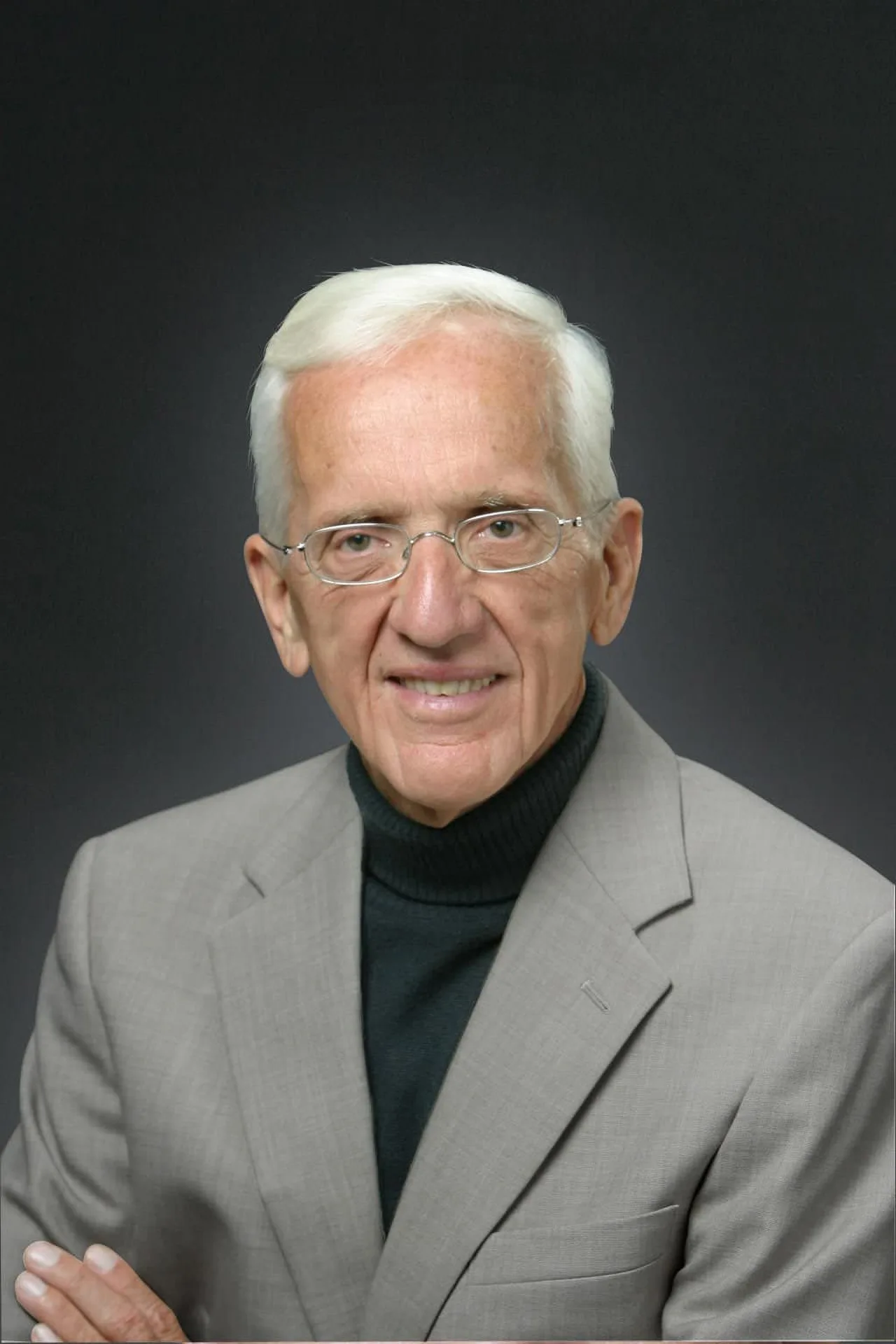
It seemed impossible to believe anything of the opposite, as he confessed during his first presence in Romania, in May 2016, at the Ultimate Health Experience Conference in Poiana Brașov: “Born in 1934, I grew up on a farm, where I had been milking cows since I was only five years old, ate a lot of dairy, eggs and meat”.
Later on, in The Philippines, he was part of a team of American physicians attempting to decrease the infant mortality rate by prescribing more protein of animal origin. What else could he support, as long as, for generations, people had been told that nothings else helps better the harmonious growth of children?
Little by little, througout his career, he became aware of studies linking the intake of animal proteins with the increase of cholesterol and the development of coronary disease and most common types of cancer. Researchers had discovered a possible threat that animal proteins pose to health as early as 1926, yet the scientific community ignored these warnings.
Dr. Campbell’s own experiments researching the dietary causes of liver cancer would later produce new findings that strongly disagreed with his training and his bias in favour of a diet based on animal proteins. No matter how carefully planned and executed, experiments often produced more questions than answers, Campbell once confessed, and he was eager to get the opportunity to test his hypotheses on a larger scale.
The China Study
That chance occurred at the beginning of the 1980s, when he was was among the scientists leading the “China-Cornell-Oxford” study that examined the diets, lifestyle, and disease characteristics of 6,500 people in 65 rural Chinese counties. Funding was provided by Cornell University, the University of Oxford, and the government of China – without any contribution from a pharmaceutical or food company.
In 2004, The China Study, a book a wrote by Professor Campbell and one of his sons, summarized the discoveries made in China and, by making correlations with numerous other researches, stated that a diet based on animal products (including beef, pork, mutton, poultry, fish, eggs, cheese and milk) is a serious cause of chronic illnesses such as coronary heart disease, diabetes, breast, prostate and bowel cancer.
Like Saul of Tarsus’ conversion on the road to Damascus, The China Study gives evidence to Campbell’s epiphany: all he had been believing in since childhood was wrong. Instead, Professor Campbell argued that people who eat a whole-food, plant-based/vegan diet – avoiding all animal products and reducing their intake of processed foods and refined carbohydrates – will escape, reduce or reverse the development of numerous diseases.
Although the publishers of the book warned that it would probably not sell more than a few thousand copies, it soon ranked among the best-selling publications on nutrition in the USA. By 2016, The China Study was translated into some 40 languages and Romanian was the first. Unsurprisingly, vegans hailed the book, while the medical establishment is still reluctant to embracing it full-heartedly.
Cured patients as the best supporting evidence of Campbell’s claims
Unlike other arrogant self-proclaimed visionaires, Colin Campbell has been always responding to all questions doubting the validity of the ideas he supports. Over and over again, he insisted that he has never been on the payroll of any private company, repeating this during his speech in Poiana Brașov: “My research was funded by taxpayer money, so I feel morally obliged to share to the public what I discovered.”
Also, he explains that he is not against animal products for ideological reasons and he wouldn’t describe himself as a vegetarian, since many vegetarians are eating unhealthy processed foods full of carbohydrates, fats and sugars.
In order to live a healthy life, Professor Campbell advises people to eat mainly – if not exclusively, like he has done since 1990 – a diet based on whole foods that are unprocessed and unrefined, including: unpolished grains, vividly coloured vegetables and fruits, nuts and seeds. He also says that there is no need to add oil in our dishes, nor to take nutrient supplements. If we really can’t do without it, only a few grains of salt should be poured.
This would be a major change for many of us, wouldn’t it? Well, according to Campbell, three types of evidence support the view that it is worth making that change. First, the research data from his own studies that are summarized in The China Study. Second, many other laboratories around the world reached the same conclusions.
Third and the strongest piece of evidence is represented by the clinical experiences of practicing physicians such as John McDougall, Caldwell Esselstyn, Jr., Terry Shintani, Joel Fuhrman and Alan Goldhamer. All these professionals have been prescribing – before or after the release of The China Study – whole food plant-based diets to their patients with tremendous success: heart diseases and cancers were cured!
“Our culinary culture is built on tradition, but also on addiction”
Without having ever intended to start a ‘revolution’, Campbell’s findings are against most culinary tradition of modern mankind, against evolutionary beliefs that the first humans ate mostly to almost exclusively meat and surely against the interests of big pharmaceutical companies and food corporations.
To all those still doubting his good intentions and honesty in research, Campbell reminds that “our culinary culture is built on tradition, but also on addiction.”
Sadly, even he confessed that he had friends dying who died after they refused to follow his advice and change their diet. Yet, according to this man who spent 60 years studying nutrition, this is one of the best decisions we could take in our lives, as long as “the right nutrition can create more health than all pills and medical procedures combined.”
Five ideas that Dr. Colin Campbell invites mankind to reflect upon
Cancer can be reversed by nutritional means – vegetal proteins help the human body’s defence mechanisms.
Heart diseases can be cured by the right food – not only kept under control by various medicines prescribed today.
Type-2 diabetes can also be resolved – especially since this is a disease of modern civilisation, triggered by an abundance of unhealthy foods on the market.
Genes are responsible for disease risk – by eating the right food, we can prevent the action of bad genes.
Nutrient supplements don’t help, but increase health risks – our bodies know better how to extract what they need from whole foods.