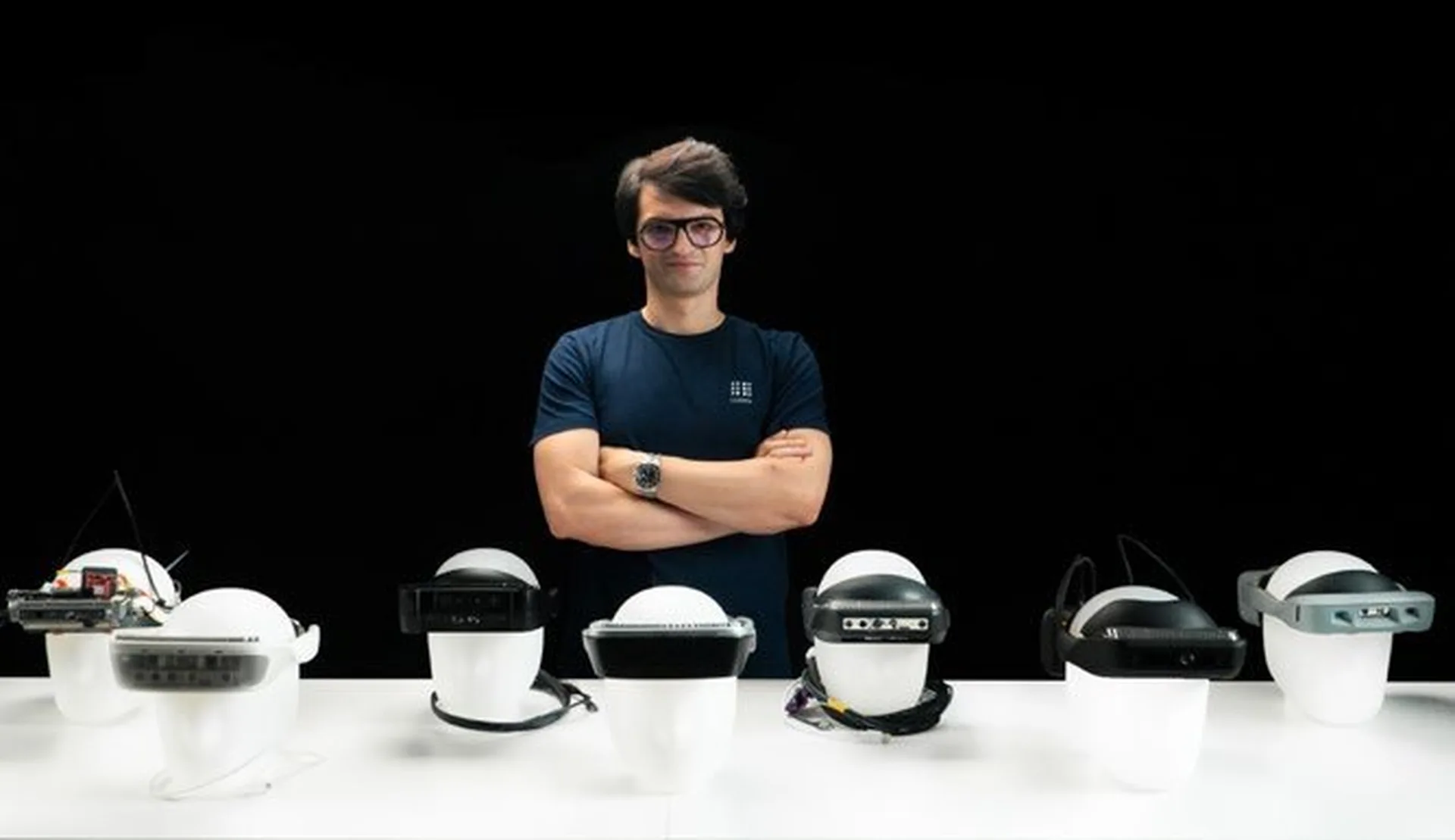
by Cosmin Pârvu
You frequently refer to your family, in which both parents and sister are disabled, and at the same time you state that they have been your inspiration and motivation since the beginning. What are you referring to?
I was born into a family where everyone, except me, has some form of disability. My parents have locomotor disabilities, and my sister, 16 years older than me, has a severe cerebral palsy. I grew up in difficult conditions; I know what it means to not have food or a stable home. But this experience was also my source of inspiration. It made me extremely curious: why can’t I do the same things that my colleagues were doing with their parents or siblings? From that curiosity, a form of intellectual diversity was born, which then turned into creativity. I was passionate about knowledge since I was little. I was reading from the age of 3, programming from the age of 7, building electronic circuits at 12 and robots at 13. At 14 I became the main financial supporter of the family, and that never changed. Growing up in such a context taught me how much technology can help, and how little is done, unfortunately, for people with disabilities. I strongly believe that it doesn’t matter where you come from, but what you choose to do with what you have.
At 14, you built your first robot. How did you come up with the idea? Did you build it yourself or did you work with a team?
At 14, I built my first robot, it was a tracked robot, designed to go through the rubble after an earthquake, with video cameras and remote control. I wanted to build something that would help in real situations, that would have an impact.
I built it myself. I didn’t have access to tutorials, no sophisticated components. Just a slow internet, some forums where I posted questions under three different accounts – so that I would have a chance to have someone answer me – and a lot of stubbornness. When I introduced it to high school, I was called to the principal. Not for congratulations, but because I had used it without permission. I expected to be expelled. Instead, he said to me: “Looks like you’re passionate about building robots. Why don’t you teach the others?” That’s how the first robotics club in a Romanian high school was born. Today there are over 90 of them. But the first one started with a homemade robot.
What inventions did you have between the first robot and .lumen and what happened to them?
There were many, but I’ll tell you about a few that came with many new lessons. At 12, I created a security system with webcams that detected movement and recognized the sound of broken glass, without AI of course, just with hand-designed algorithms. It worked. And it was built with money saved from skipping meals. In high school, I also had my first business, watches made from vinyl records. We would take clock mechanisms from China and old records, combine them artistically, and sell them at fairs. One day, we sold 40 in an hour. We found ourselves having to produce 100 a night.
How did you come up with the idea and how did it get to where it is now? Were there times when you seriously considered giving up?
If we can build self-driving cars, why can’t we apply the same principles to the mobility of a blind person? That’s the question that started it all. The real problem is huge. There are only 28,000 guide dogs in the world, for over 300 million people with visual impairments. And only 2,000 are trained per year, at a cost of over $70,000 per dog. It’s not scalable. We wanted to build a technological solution that could be produced in thousands of copies, and that would provide real autonomy.Hardware is hard. Financing is hard. Expectations are enormous. But in every moment of uncertainty, I remembered the first test, when a blind person managed to walk alone with our help. And then you know you have to move on.
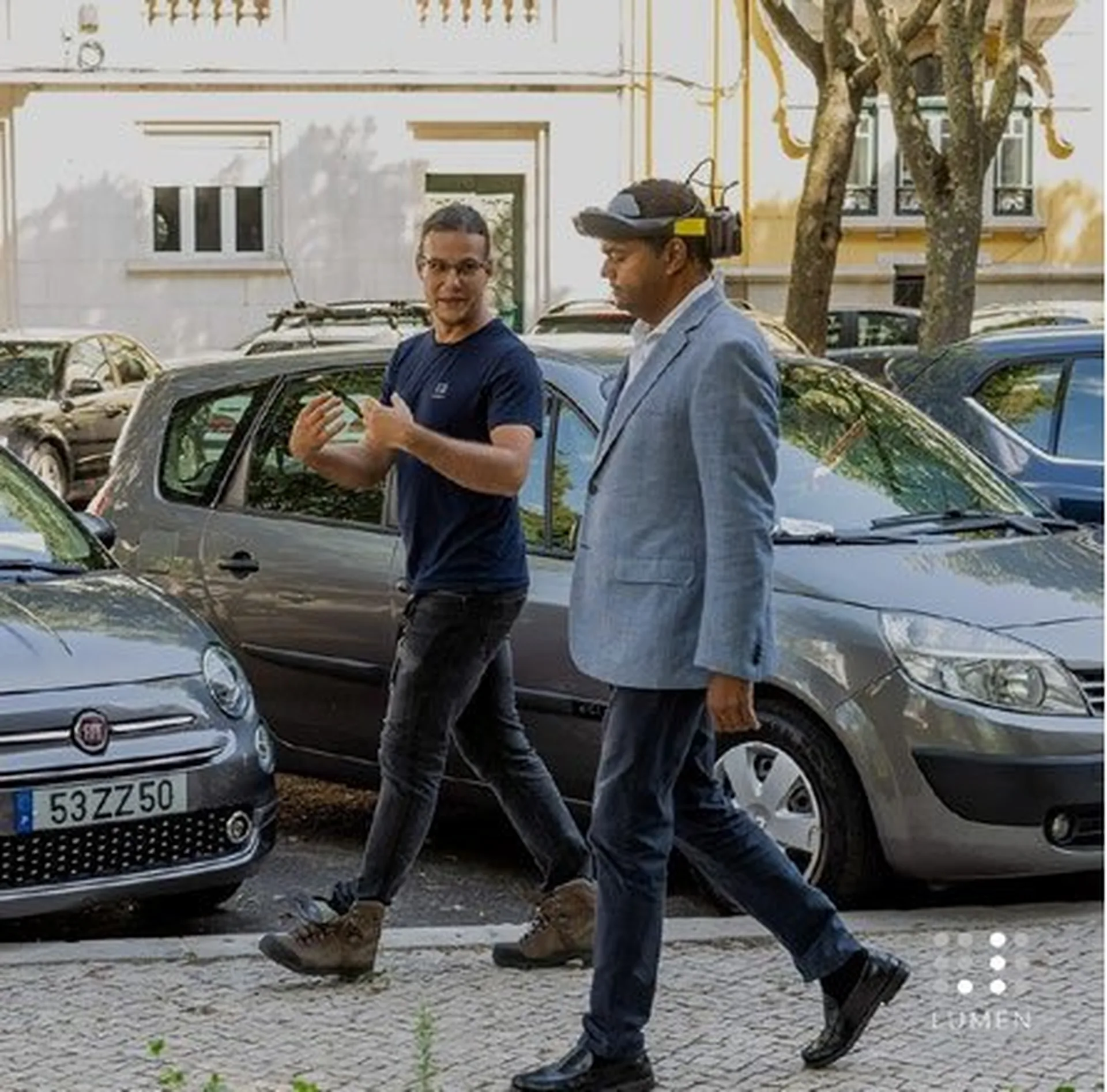
There are only 28,000 guide dogs in the world, for over 300 million people with visual impairments. And only 2,000 are trained per year, at a cost of over $70,000 per dog. It’s not scalable.
How do you handle skepticism from the medical world or pressure from funders?
With patience, results and constant communication. In the medical field, skepticism is not an obstacle, but rather a form of protection. It is natural to want evidence. And we have it. We have tested with over 300 users, in over 20 countries. We have CE certification, over 1600 technical requirements fulfilled. We have patents for the technology behind the glasses.
The main qualities of a startup founder?
Curiosity. Communication skills. And resilience, of course, but not in the romantic sense of the word. Resilience also means sleeping four hours a night for a few months and not becoming cynical. There is one more important thing: not to be afraid to make mistakes. I have done 100,000 experiments. 97,000 failed. But each of them was a lesson. A step forward. A door that you know you don’t have to open again. And every failure takes you one step closer to what works.
Is the team you work with local or international? How do you choose your future colleagues?
We are almost 50 people and we work mostly from Cluj. I brought people with international experience to the team, but also young people who are extremely curious. I choose my team very carefully. People who know how to ask good questions, who don’t panic when something doesn’t work, who want to learn and change the world - they are gold.
What matters in the development of a startup and to what extent? The team, the relationship with financiers, the communication skills of the founder, the marketing of the product, networking?
Everything matters. But in key moments, the team makes the difference. You can have the best pitch deck in the world, if the people behind it can’t execute, it doesn’t matter. And vice versa: if you have a solid team, with people aligned with the mission, you can build even in difficult conditions. The relationship with investors is also crucial, not only for money, but for long-term trust and support. And communication is a bridge. If you can’t explain what you do and why it matters, you have no way of convincing either users or partners.
You recently obtained CE certification for the marketing of .lumen glasses in the EU. What’s next?
CE certification is an essential step, both legally and symbolically. It proves that our technology is safe, functional and ready for the market. The commercial launch follows, starting with Romania. We are testing the first batches, optimizing production, preparing cooperations with public health systems and distributors. We are looking closely at the markets in Germany, France, Spain, but we want to start from home, to learn, refine and only then scale globally
How do you charge your batteries? What fills your soul?
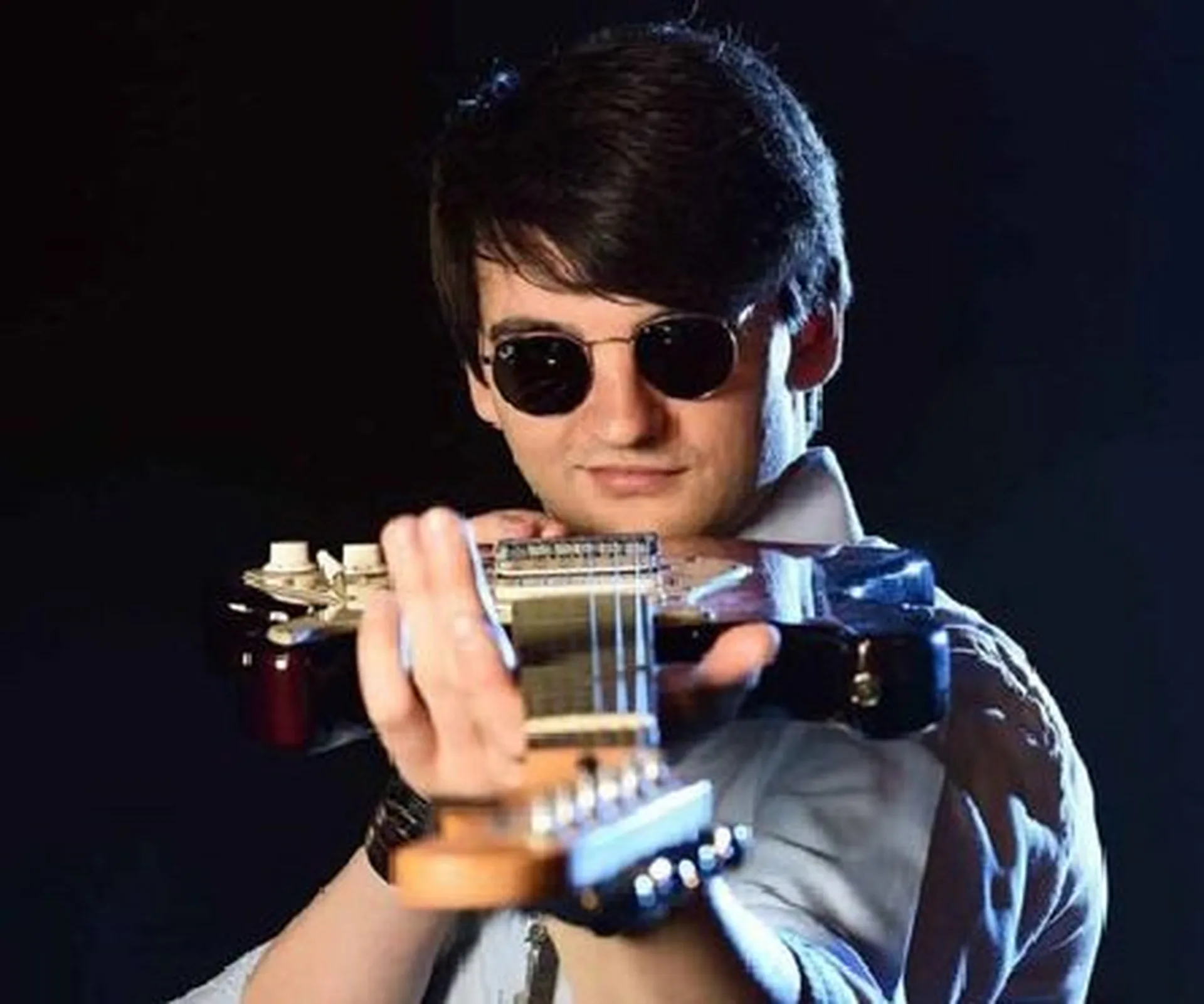
I play several musical instruments. I recently got into LEGO and... it’s gotten a bit out of control: I already have over 100,000 pieces. I like to build complicated things to clear my mind. I also travel a lot.
.lumen technology
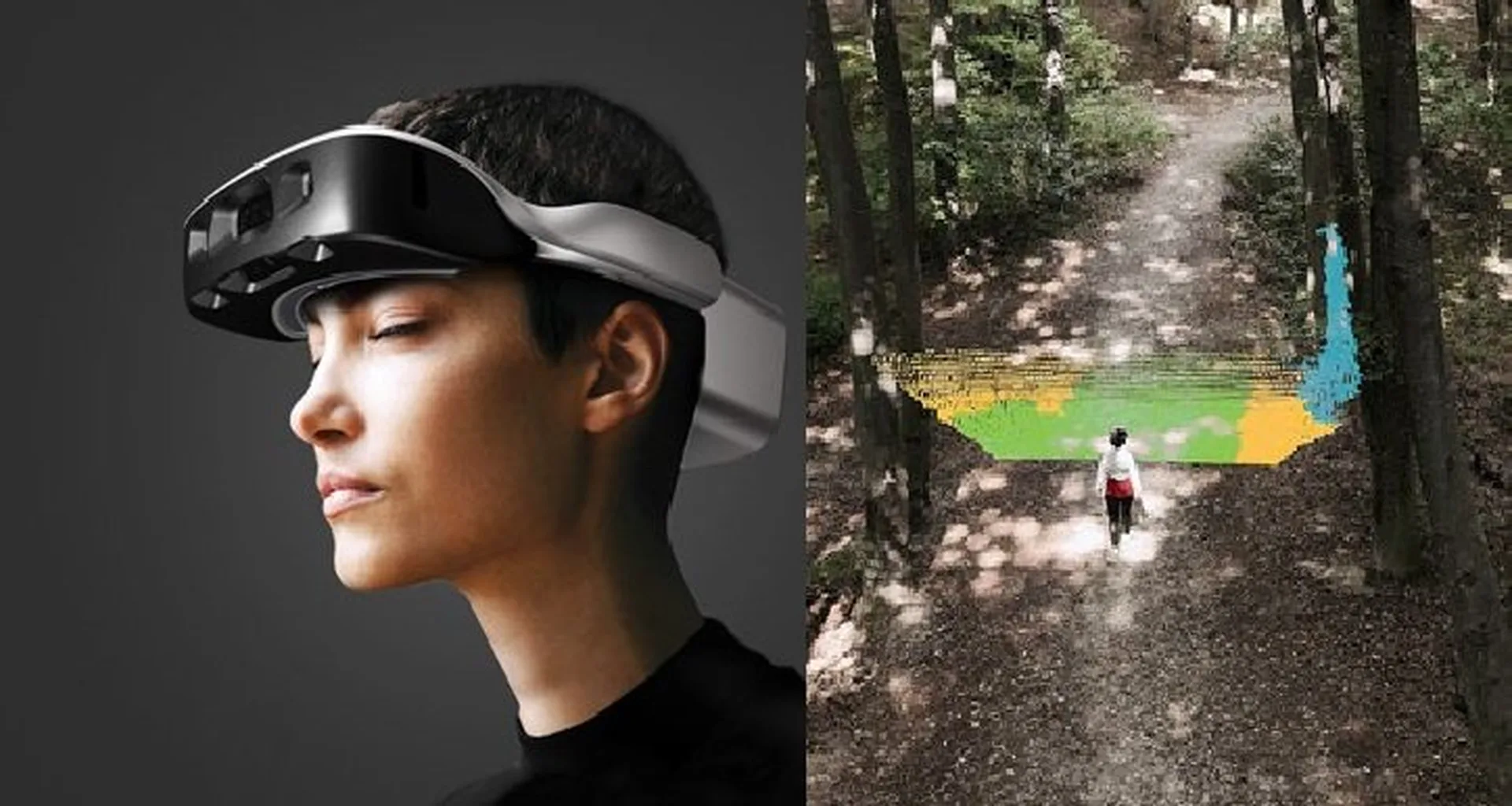
.lumen is developing Pedestrian Autonomous Driving AI (PAD AI) – the first navigation technology specifically designed for “self-driving” at the pedestrian level, initially introduced through glasses for the blind. .lumen glasses replicate the essential functionalities of a guide dog, in the form of a portable device. If a guide dog pulls the user by the hand to guide them, .lumen glasses gently “pull” the user’s head, through a patented haptic system, to avoid obstacles, maintains the trajectory on the sidewalk or facilitates crossings and transitions between outdoor and indoor spaces. Over 300 blind people have tested the product globally, and videos demonstrating the technology have been viewed by tens of millions of people. .lumen glasses will reach the market this year.