by
Alice-Claudia Gherman, photo archive: Silviu Matei
Wildlife photography is not a pastime one practices occasionally. Capturing two bears engaged in a fierce confrontation or a lynx basking in the soft warmth of the morning sun is far from simple. What may appear to be a tranquil scene often conceals instinct and strategy, the lynx alert, perhaps hunting to feed the small, hidden cubs waiting deep within the forest. Photographing wild creatures is an art in itself. It demands not only a solid command of photographic technique and high-performance equipment, but also an extensive understanding of biology and ethology, the study of animal behavior. Without this foundation, venturing into the wilderness in search of meaningful images would rely purely on chance. And as the saying goes, luck favors the well prepared.
I
met Silviu Matei to discuss what wildlife photography truly entails and why it
plays such an important role in promoting and protecting Romania’s fauna.
A
wildlife photographer must, above all, be patient.
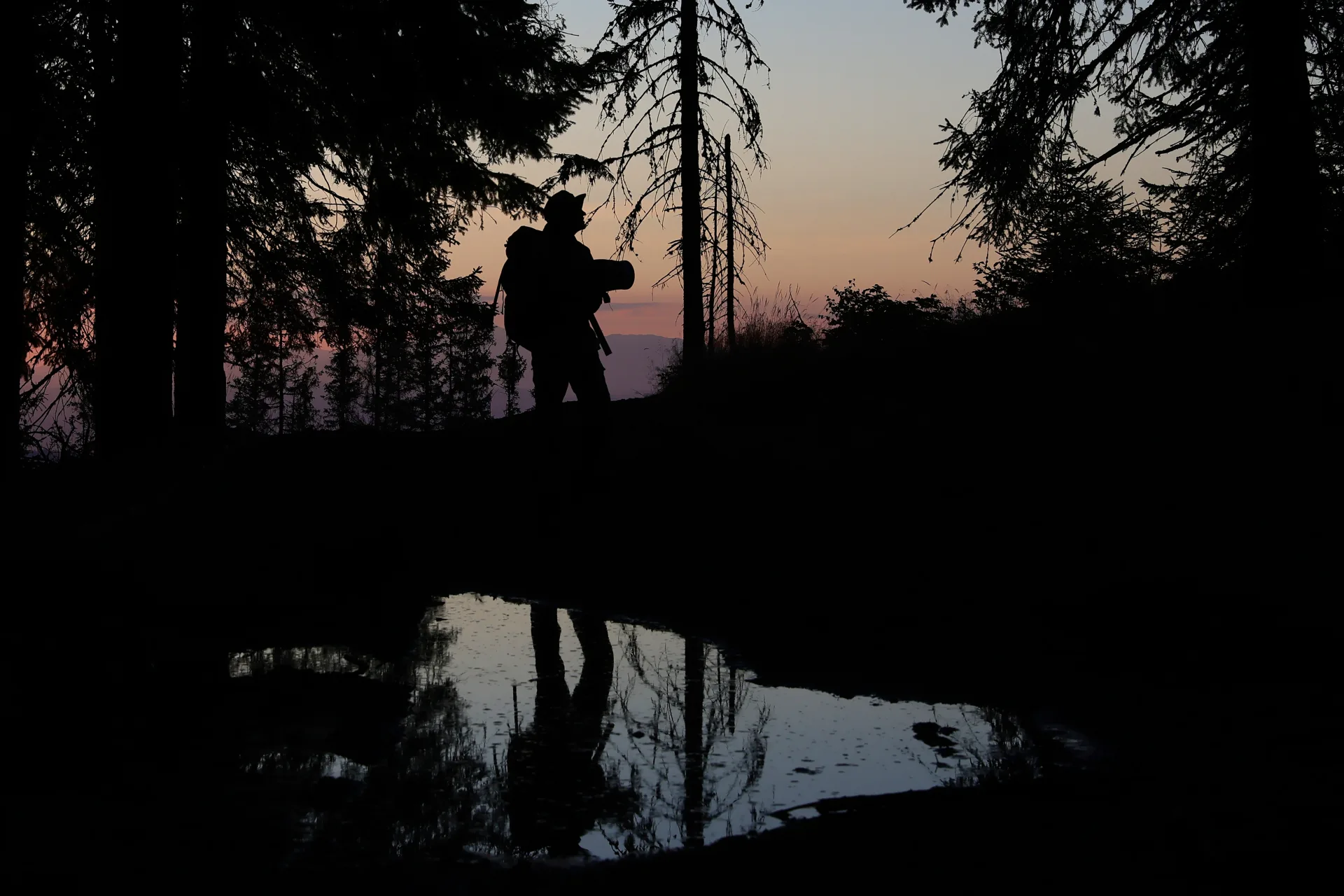
A graduate of the University of Fine Arts in Bucharest, Photo and Video Department, Silviu Matei initially explored astronomy and astrophotography, fascinated by the star-filled sky and rare celestial phenomena. Gradually, however, his focus shifted toward the silent world of wildlife. For over twenty years, he has dedicated himself to wildlife photography, alongside his work as a photojournalist for prestigious press agencies. He believes that patience is the defining quality of any photographer seeking to capture authentic fragments of animal life. “Patience is said to be a virtue. For a wildlife photographer, it is essential. Without it, the craft becomes nearly impossible. It can be cultivated, of course, but it is not easy. You must be willing to remain still for hours. If you have chosen a spot and carefully camouflaged yourself, you may have to wait there for six or seven hours. If it is cold outside…bad luck. There are no shortcuts.”
Recently,
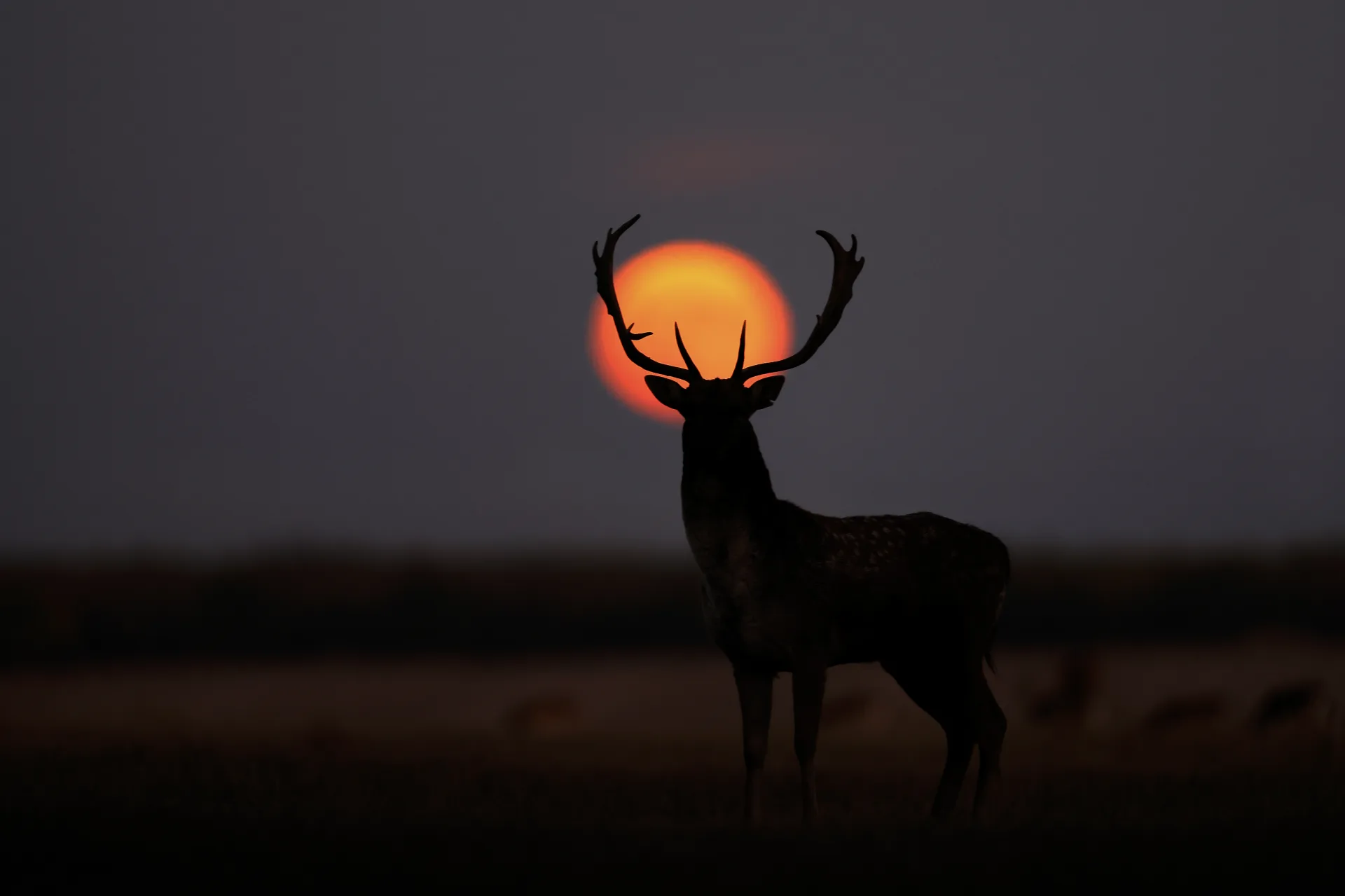
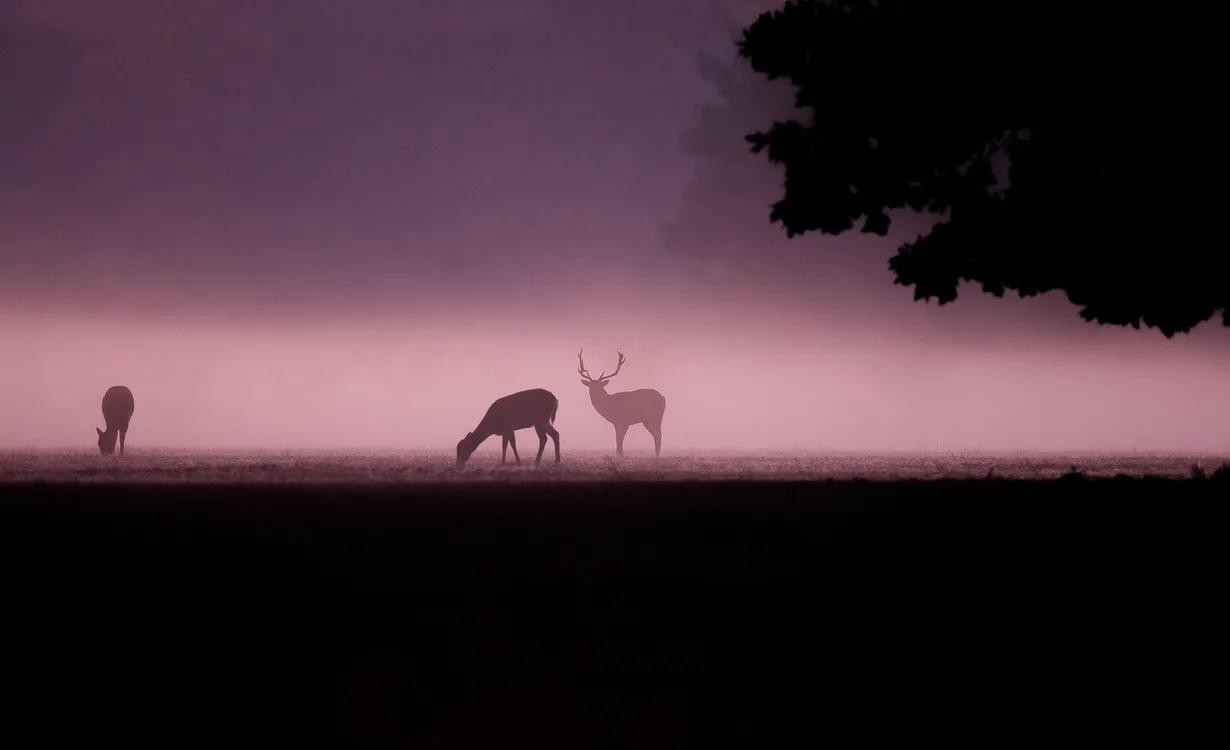
I went with a friend to photograph fallow deer. We arrived early in the
morning, while it was still dark. The deer came very close to us; there were
about six of them nearby. Normally, you should keep a distance of at least 50
meters from the animals, but we were only about 30 meters away. We stayed
there, pressed against a tree, from six in the morning until around one in the
afternoon. To make things even more complicated, behind us there was a doe with her fawn. We could not move at all, especially since females are
even more cautious than males. I was frozen, standing with my head fixed to the
camera, completely motionless. At one point, the doe passed right by us and
joined the deer. That was the moment when I realized once again how essential
patience is. If you don’t have it, you have to work very hard to develop it,
because otherwise you simply cannot cope. Wild animals are extremely cautious
and notice even the slightest change in the landscape,” says Silviu Matei.
The
most successful wildlife photographs are often captured in the light of autumn
or spring.
Silviu
usually goes out to photograph wild animals in autumn, spring and winter.
Summer, he says jokingly, is reserved for relaxing at the beach with a beer in
hand. More seriously, however, summer is not ideal for wildlife photography
because vegetation is dense and animals are easily hidden among the leaves,
shrubs and tall grass, making them very difficult to spot. The summer sunlight
is also less favorable, as the strong sun creates harsh contrasts.
In
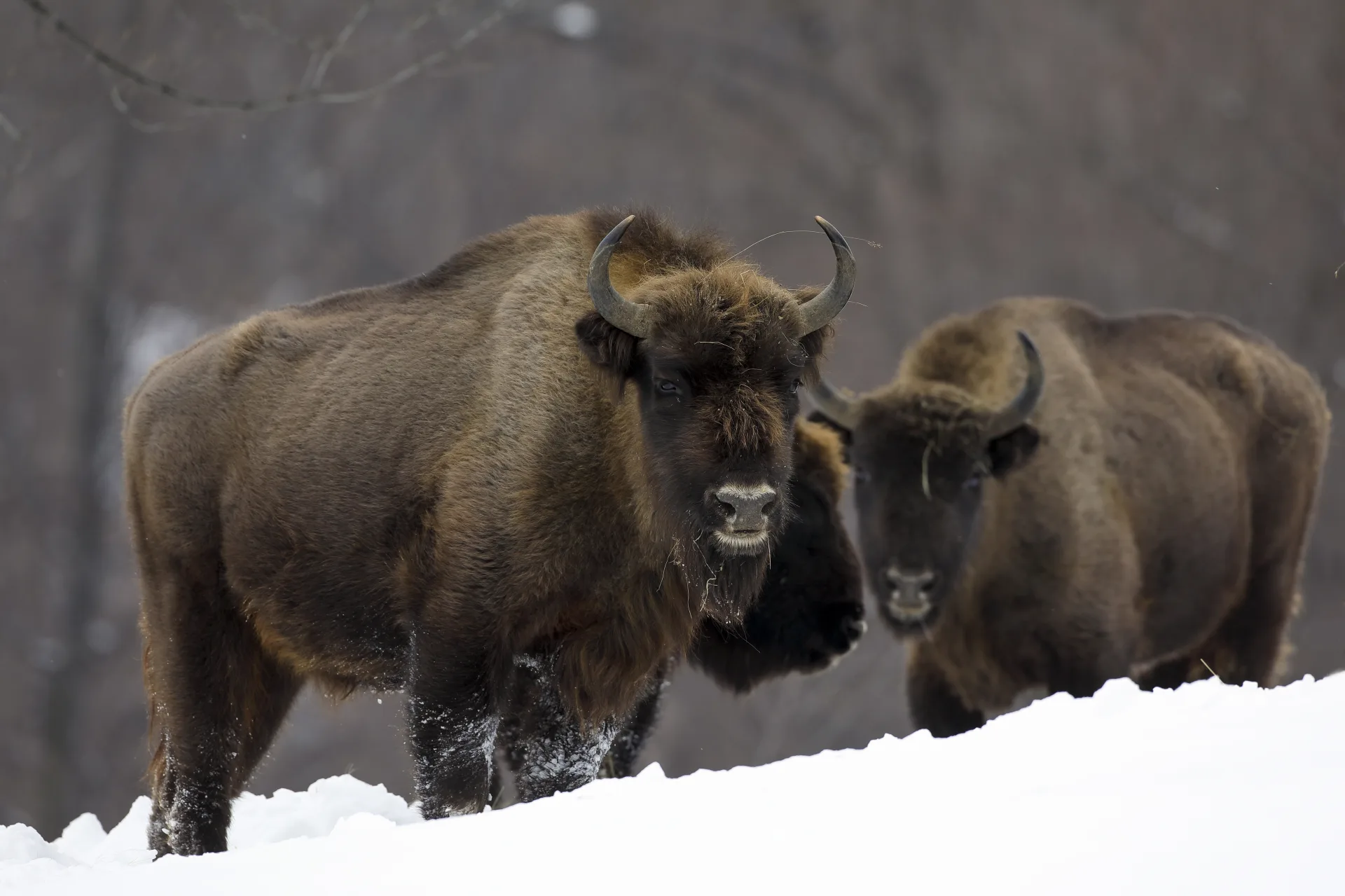
spring, autumn and even winter, the light is softer and the animals behave
differently, which makes it much easier to observe and photograph them. Of
course, it takes a certain amount of courage to leave the comfort of home and
head out into the wilderness carrying tens of kilograms of equipment, long
before dawn, at a time when most people are still asleep. But these are both
the risks and the joys of the profession. Silviu
Matei has a particular preference for mountain fauna, so most of his
photographic expeditions take place in the mountains. He is especially drawn to
the ranges in northern Romania, such as the Maramureș Mountains, Rodna, the
Dornelor area and the Călimani Mountains, because these regions are less
frequented by tourists and remain wilder and more untouched.
His
expeditions usually last one or two weeks and he most often travels alone. A
few years ago, he collaborated on a project with National Geographic and
photographed the lynx in the Maramureș Mountains. During that project, he also
advocated for the conservation of the species and for the protection of lynxes
from hunting. The lynx is a particularly difficult animal to photograph, yet
Silviu succeeded in capturing it in remarkable images that reveal the quiet
beauty of this elusive predator from Romania’s forests.
In
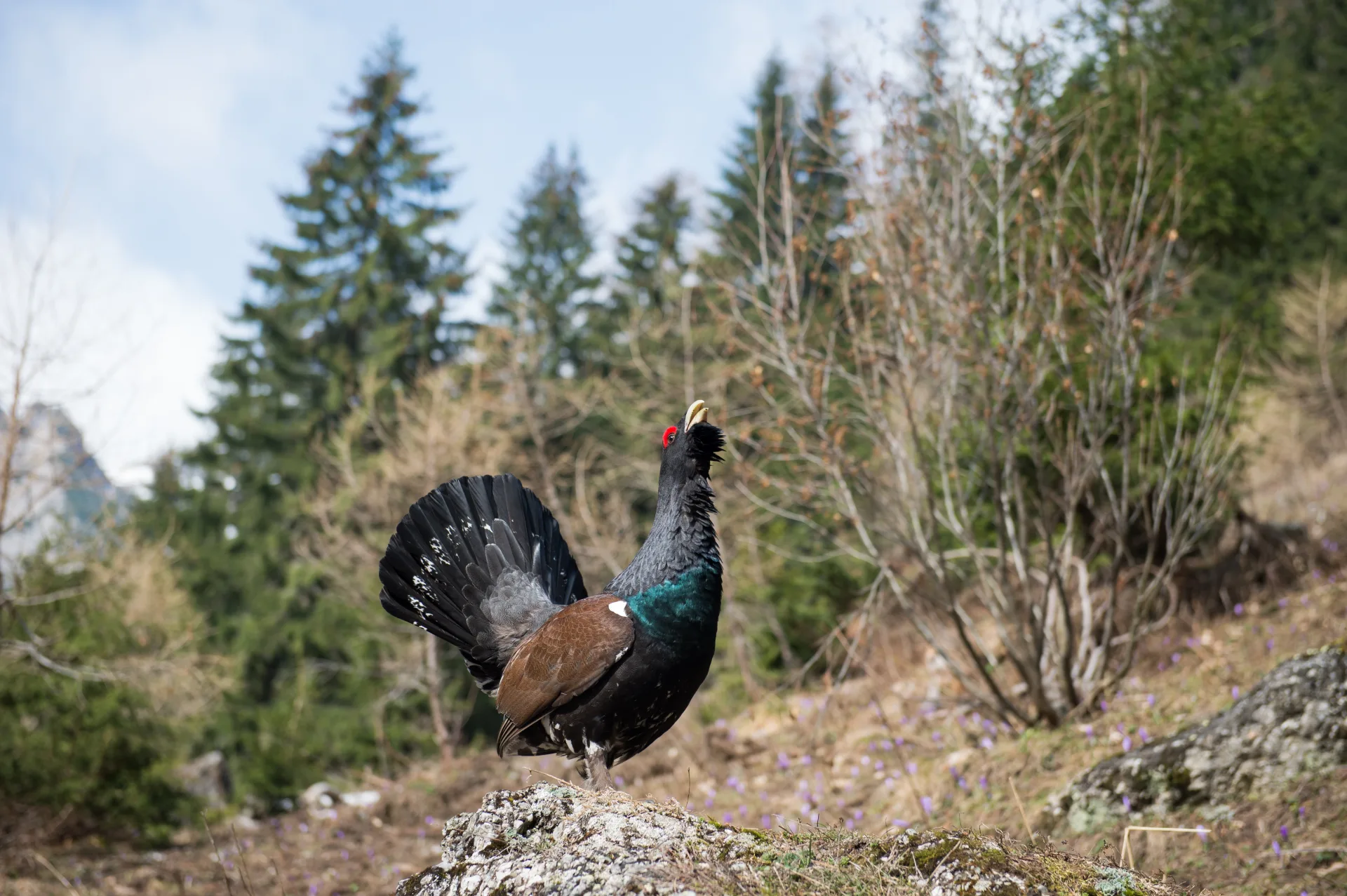
addition to the lynx, Silviu has often photographed capercaillie, especially
during the mating season, as well as wolves, animals that are extremely
cautious and notoriously difficult to capture on camera. His portfolio also
includes fallow deer, wild boar and, of course, bears, which in recent years
have become easier to photograph, to the point where an image of a bear is no
longer a rarity. “I photographed wolves
in the Bodoc Mountains, but they can also be found in the Bistrița Mountains. I
spend a great deal of time in the Bucovina region, where there is less forest
exploitation and fewer people venture into those landscapes. I usually go
alone. I collaborate with foresters from Romsilva or local forestry services,
but they accompany me only as far as the area suitable for photography. From
there, I go on my own.”
As
a wildlife photographer, physical endurance is essential. The equipment alone
is heavy, and you must be prepared to spend nights alone in the forest. You
need to understand every sound, to know the animals’ behavior, their scent,
feeding, mating and play habits, and how to track them. Mental resilience is
equally important. Fear has no place in the wilderness. “The
wind must blow from the animals toward you, not the other way around, because
they will catch your scent and leave. Wild animals do not attack without
reason, but you must know how to keep a safe distance, at least 50 to 70
meters, and never place yourself between a mother and her cubs, or between a
male and a female.”
In
short, wildlife photography requires not only technical mastery and
bio-ethological knowledge, but also complete equipment. Beyond the camera, this
includes food supplies, a hammock or sleeping bag, a camouflage tent, spare
clothing and garments suitable for unpredictable weather conditions. “You don’t go into the forest wearing
perfume. You’re not going to the theatre, and animals react strongly to
artificial smells. You must also know how to move silently. If you want
authentic images of wildlife in their natural habitat, noise is your greatest
enemy. The best time is early morning, when animals are preparing to feed. You
must become a careful observer, able to distinguish the tracks of a deer from
those of a wild boar, a bear, a lynx, a wolf or a fox. You learn to move
through the forest in darkness or under starlight, because even a flashlight
can disturb them. Over time, with practice, you begin to associate certain
sounds with specific animals. You learn to recognize their scent. Once you have
smelled a bear, for example, a sharp, unmistakable odor, you will never forget
it.”
A
serious wildlife photography course, Silviu believes, should last at least a
year and a half.
Silviu Matei is among the first Romanian photographers to dedicate himself fully to wildlife photography and one of the few who have succeeded in capturing rare species from Romania’s fauna. More than two decades ago, when he began photographing mute swans, there were almost no Romanian photographers specializing in this field. Today, a small but dedicated community of around twenty wildlife photographers has emerged, professionals who tell compelling visual stories about native wildlife.
There
are photography tours designed for beginners, and Silviu himself has organized
such courses and expeditions in the past, though time no longer allows him to
do so extensively. “For now, I have other priorities and only manage to teach
classes occasionally. In any case, to truly understand this kind of
photography, you need at least a year and a half of study. It cannot be learned
in two or three months. My course covers everything photography entails,
including nature and wildlife photography, because I want those who study with
me to leave having truly learned something. It is not enough to attend two or
three tours and believe you have mastered it. You must observe animal behavior
in the field, read about their rhythms of life, understand the risks involved
and approach this craft with respect and responsibility.”
Wild
animals do not attack humans if you keep your distance
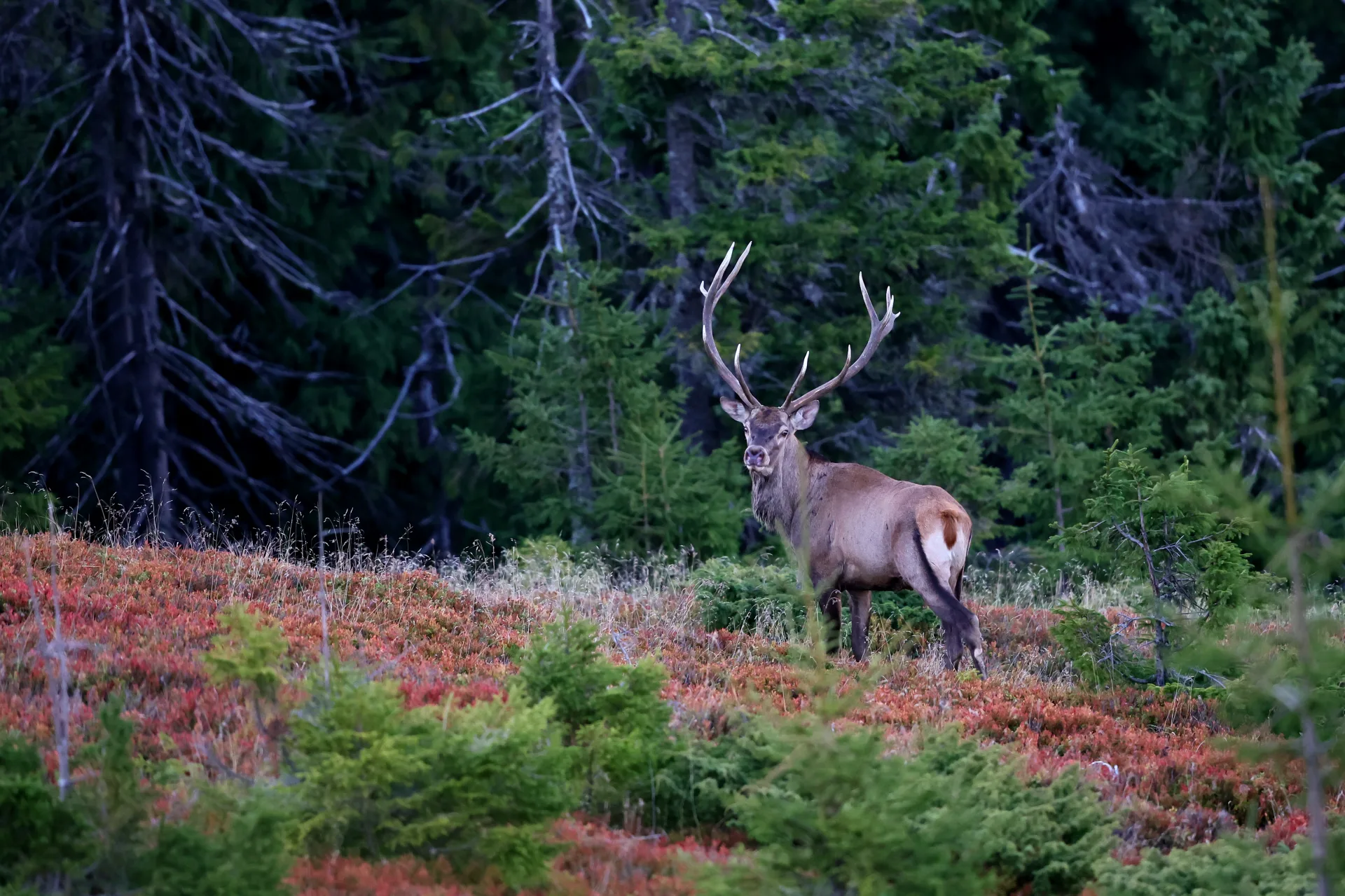
Yes, wildlife photography involves risk. But it is a calculated risk, not a reckless one. When you set out to observe animals, you do not follow tourist trails. You walk along the paths the animals themselves use, toward feeding grounds or watering places. That alone requires awareness and discipline. You must avoid sudden gestures that might alarm or provoke the animal, or cause it to disappear from the frame. One careless movement can undo hours of patience and preparation. “For example, I was once walking downhill through the forest when a stag began following me, about ten meters behind. I walked a little farther, and so did he. I stopped, and he stopped. This continued for nearly a kilometer. I moved slowly and quietly. He was in the rutting season, distracted, focused on feeding and asserting his presence. I wanted to film him. When I turned on the camera, a small red LED light appeared. That was my mistake. I forgot to cover it. He noticed immediately. He stood still for a few seconds, then disappeared into the forest. Even a small error can cost you everything.”
Mistakes can happen, but vigilance is essential. Wild animals do not generally attack humans, Silviu explains, but you must know how to approach them. Even a bear, if truly wild and unaccustomed to human contact, will usually retreat if it notices you from 50 to 100 meters away. It will change direction and leave. The situation is different in places where animals have grown used to people. “I am not referring to the bears along the Transfăgărășan road, whose behavior has changed because tourists feed them. They begin to associate humans with food and no longer keep their distance. That is when problems arise.”
Currently,
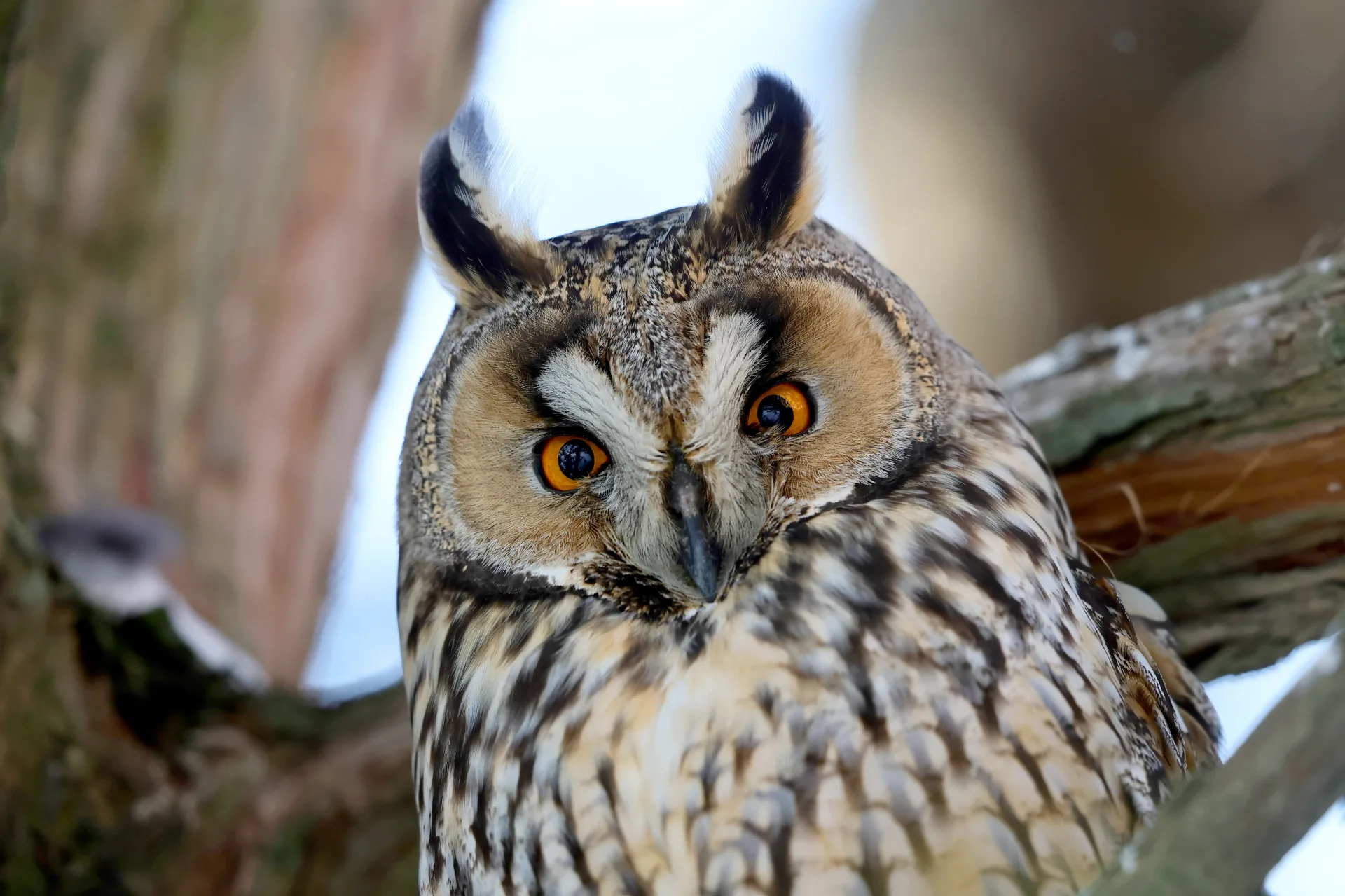
Silviu is working on a new project, an album dedicated to the seven or eight
species of owls that live in Romania. He also plans to collaborate on a joint
project with photographer Dragoș Asaftei, focused on Romania’s mountains.
Asaftei will present the landscapes captured from a drone, while Silviu will
document the wild animals that inhabit those peaks, offering two complementary
perspectives on the same untamed world.