

by Ana Maria Bodeanu
Sweden is one of the biggest exporters of music in the world. More precisely, the proceeds of exports of music are the highest in the world relative the number of inhabitants. A glance across genres will reveal a Swede or two at the top of nearly every chart imaginable: Avicii (dance), In Flames (metal), Robyn (pop), Ann Sofie von Otter (opera), Lykke Li (indie), Yohio (visual rock) and The Hives (rock), to name but a few. In December 2011 Swedish House Mafia was the first electronic dance act to sell out the iconic Madison Square Garden in New York. In September 2012 Avicii countered by being the first DJ to headline Radio City Music Hall. He performed two sold out shows, the second of which sold out in less than one minute. Swedish producers and songwriters Max Martin, RedOne (Nadir Khayat) and Negin Djafari stand behind international superstars, while Jonas Åkerlund is an internationally celebrated music video director.
That success breeds success is one of many arguments used to explain the popularity of Swedish music. Young musicians get a confidence boost having watched bands like ABBA, Roxette to begin with and Swedish House Mafia and Avicii later, sweeping the world off its feet. The Swedish industry success might be partially the result of an education system that provides instruments and music classes from an early age and boasts the highest number of per capita choirs in the world.
That success breeds success is one of many arguments used to explain the popularity of Swedish music. Young musicians get a confidence boost having watched bands like ABBA, Roxette to begin with and Swedish House Mafia and Avicii later, sweeping the world off its feet. The Swedish industry success might be partially the result of an education system that provides instruments and music classes from an early age and boasts the highest number of per capita choirs in the world.

FOTO: parade.com
The Swedish music industry has seen an encouraging further revival in the last five years and, aside the role model of successful bands and DJs there is another factor that boost the revenues of the music industry; the subscription revolution that changed the way rights holders are paid. The combined effect of The Pirate Bay trial - a joint criminal and civil prosecution in of four individuals charged for promoting the copyright infringements on the website The Pirate Bay, a new anti-piracy law and the launch of Spotify in 2008 (a commercial music streaming service providing digital content from record labels) persuaded many consumers to try and then stick with paid subscription. In January Spotify reached 60 million users with 15 million subscribers.
As a result the artists whose music is continuously listened to on Spotify benefit from a constant revenue stream. Jacob Key, vice president, digital strategy and business development, Europe, Warner Music, stated: “Repertoire can now make more money over a longer period of time”. Another Swedish artist, DJ John de Sohn says that “Streaming services have been a key part of reaching a new audience with my music. My last three singles have accumulated over 30 million streams in Sweden, and Spotify has been an instrumental part of building my artist brand and live business. For recorded music, streaming is by far the biggest revenue source for me.”
The result of the spectacular development of musical market in Sweden within the last 40 years might be a sum of the above reasons, but one thing is for certain: Swedish music continues to top the Billboard charts.
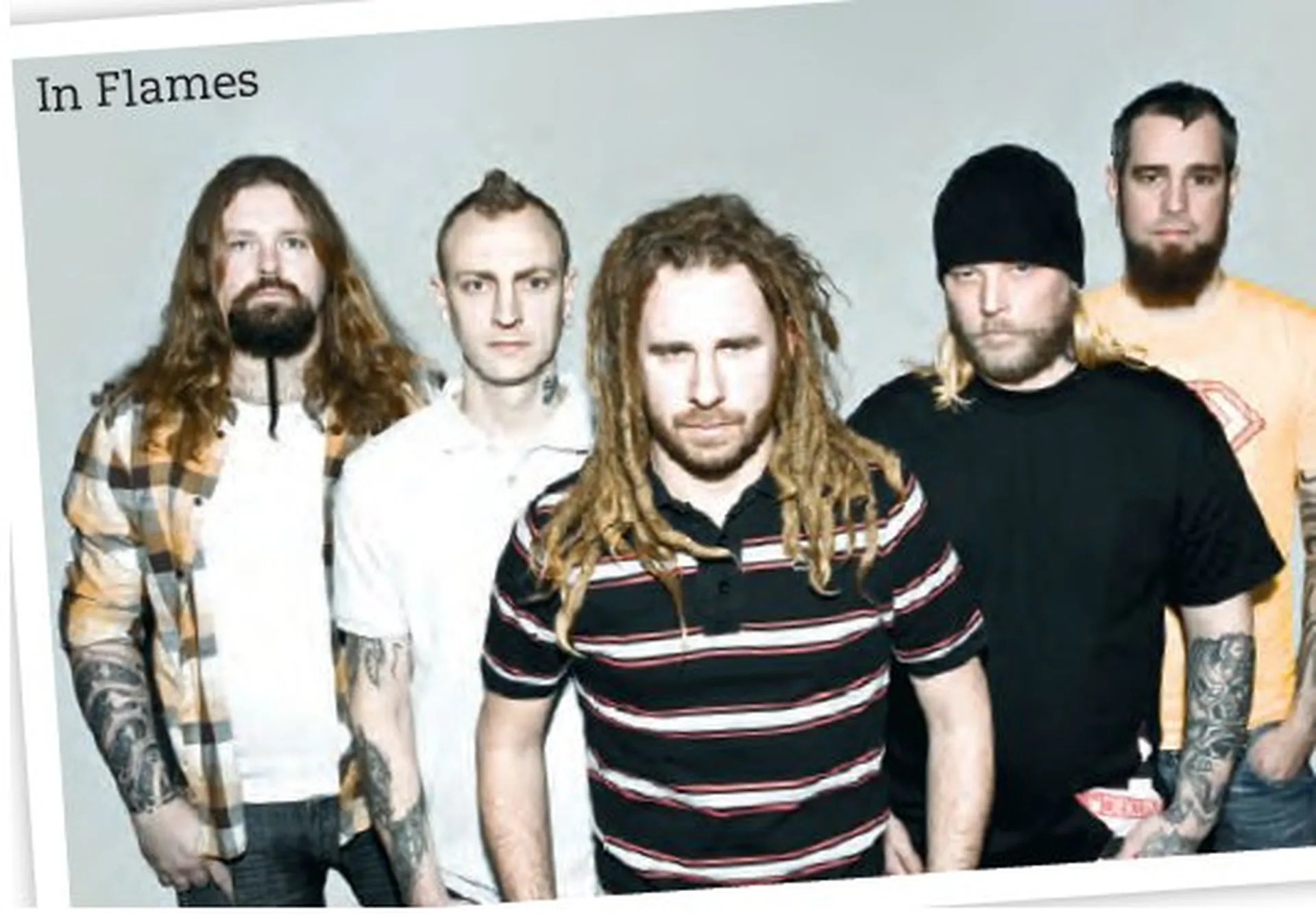
FOTO: in-flames_galeri.uludagsozluk.com.jpg

FOTO: edm.tips

FOTO: www.musica.gulbenkian.pt.jpg

FOTO: jpbild.se.jpg

FOTO: fanart.tv

FOTO: www.youtube.com.jpg