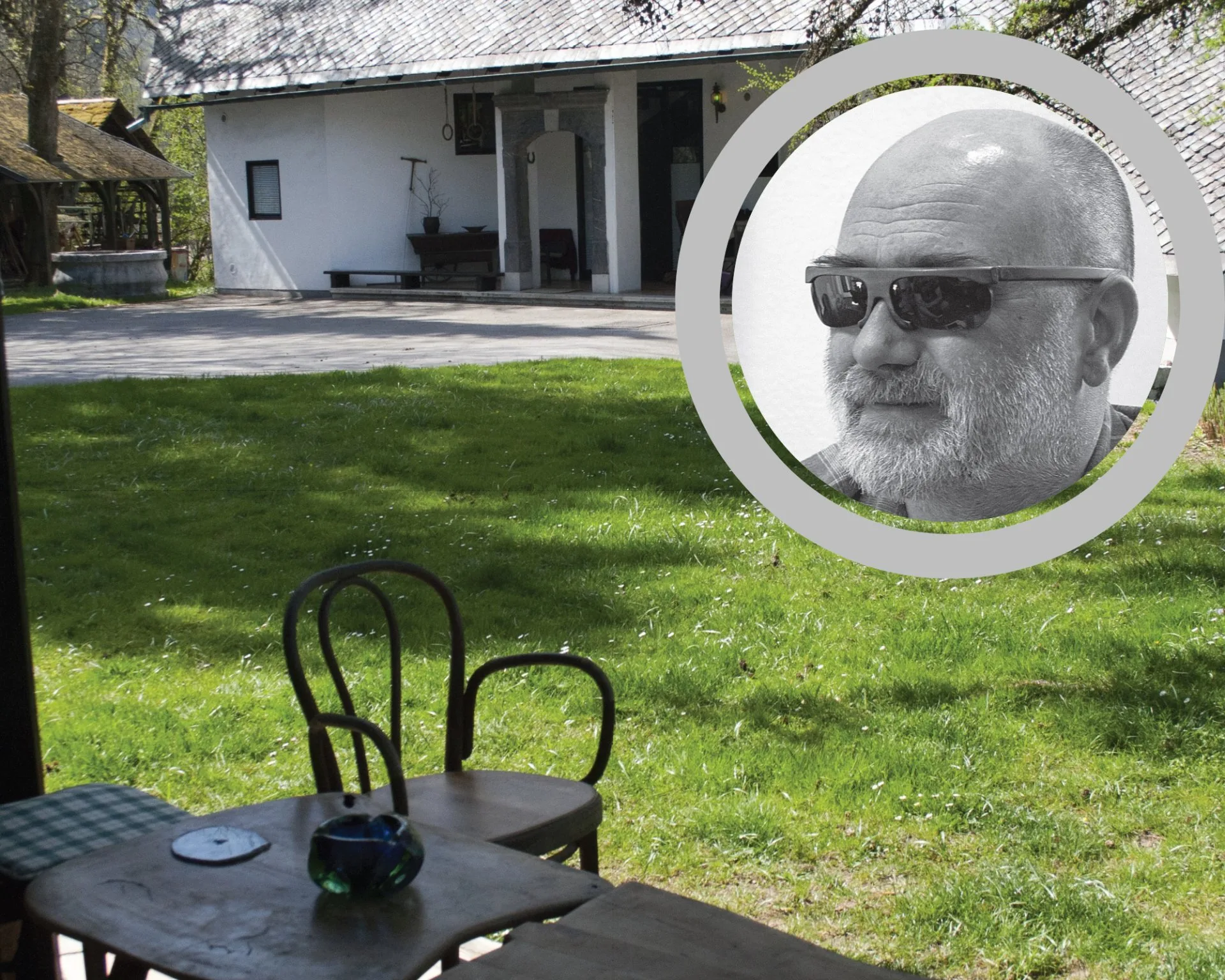
de Ana Maria Negoiță, foto: Andrei Popescu
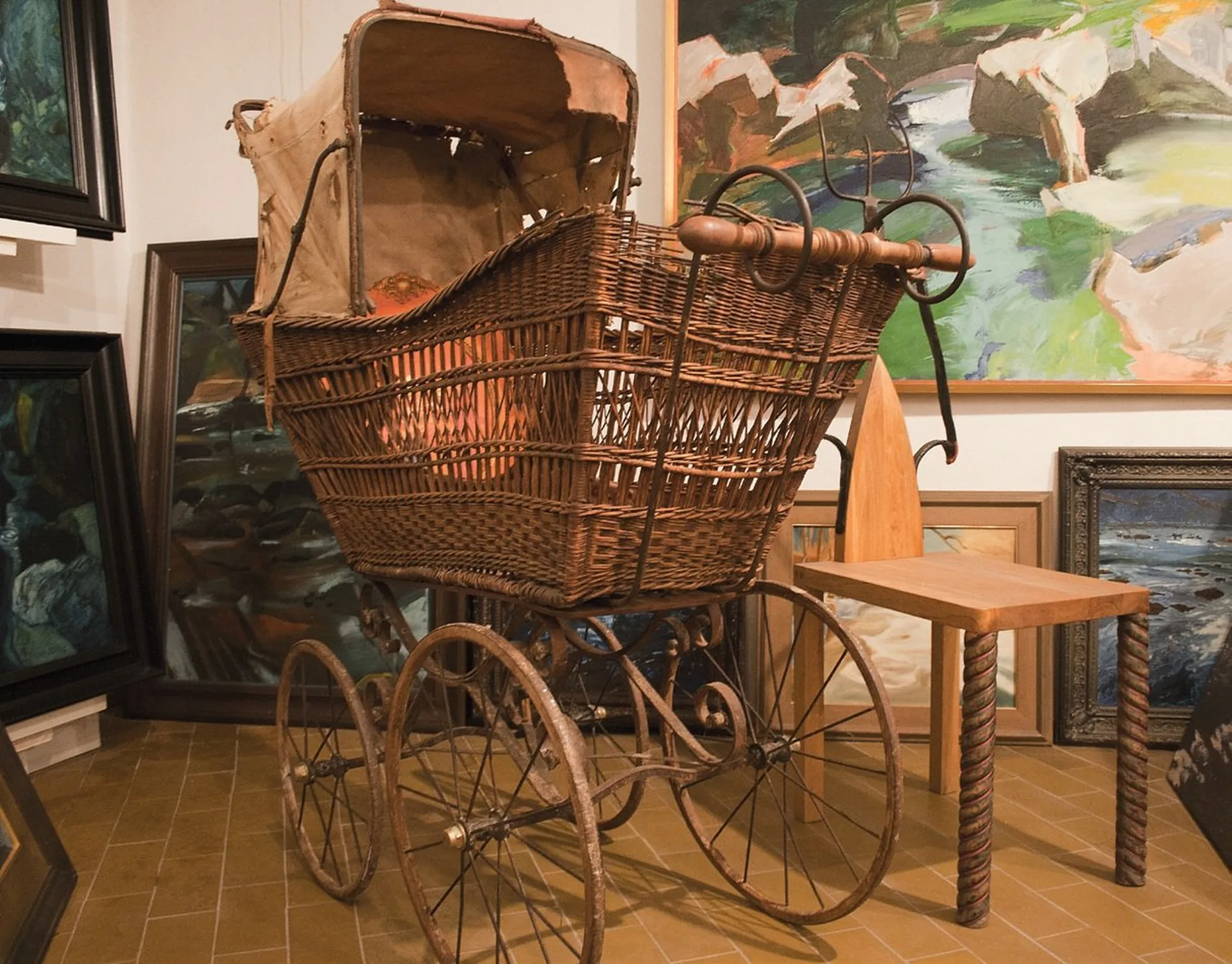
În lucrările sale transpare o melancolie taciturnă a trecutului, a marilor maeştri ai secolului XIX. De remarcat este influenţa discursului de tip impresionist şi post-impresionist, influenţă pe care Domen Slana o traduce în forme cu expresivitate proprie, peisajele sale, uleiuri sau acuarele denotă o atenţie aproape patriarhală la detaliile naturii, o uimire continuă la forţa prin care natura are capacitatea de a se re/ inventa, de a re/apărea în forme similare, dar diferite. Peisajele şi obiectele create de artist redau această transformare fenomenologică a naturii. Jocul cu organicitatea elementelor care compun materia plastică, aşa cum reiese în formă primară, îi oferă posibilitatea de a decontextualiza obiectul şi de a-l amplasa într-un univers plastic perfect acordat la contemporaneitate, o ramură devine scaun, un obiect vechi, uitat aparent fără nicio utilitate în lumea prezentului, capătă scop. Organicul în viziunea lui Slana este unul structural şi nu formal, iar acest lucru reiese din modul în care artistul generează – conceptualizează obiectul a cărui compunere aparţine eminamente abstractului.
Culoarea şi lumina sunt acele elemente vitale care pun în mişcare organismul senzitiv al lucrărilor; pictura, dar şi sculptura – obiectul, conţin un dramatism liric, cu o ritmicitate liniară care redau în figurativ emoţia. Remarcabilă este grija pentru utilitatea produsului artistic, aşa cum însuşi artistul îşi explică propriul demers, centrarea în a crea pentru a putea „fi folosit“ aduce în prim-plan extensia etică a obiectului. Disjuncţia între ustensilă şi obiect artistic pare a se contopi dând naştere unui produs de sinteză, un obiect cu funcţie dublă: estetică şi utilitară, o definiţie practică, „avant la lettre“, a designului.
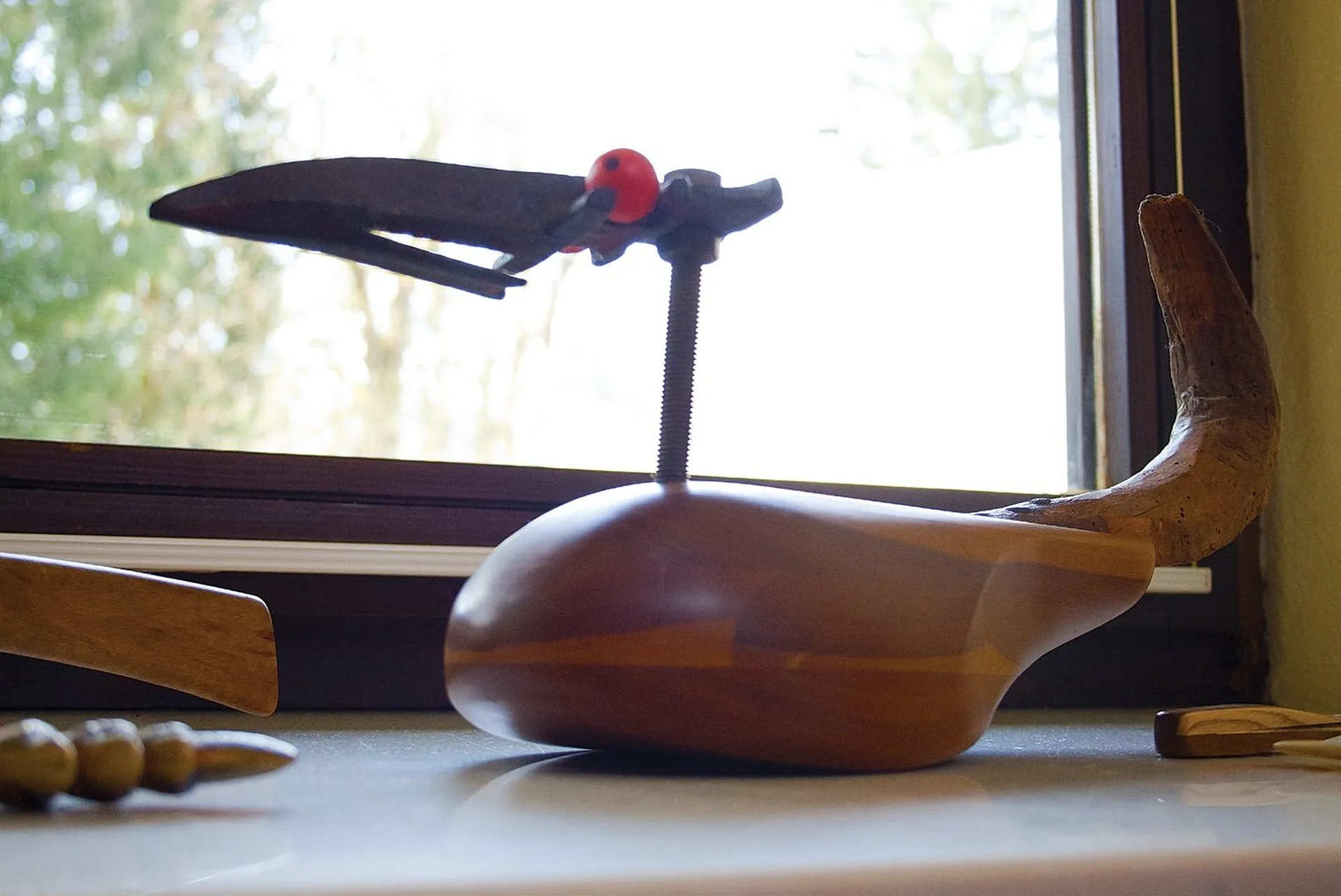
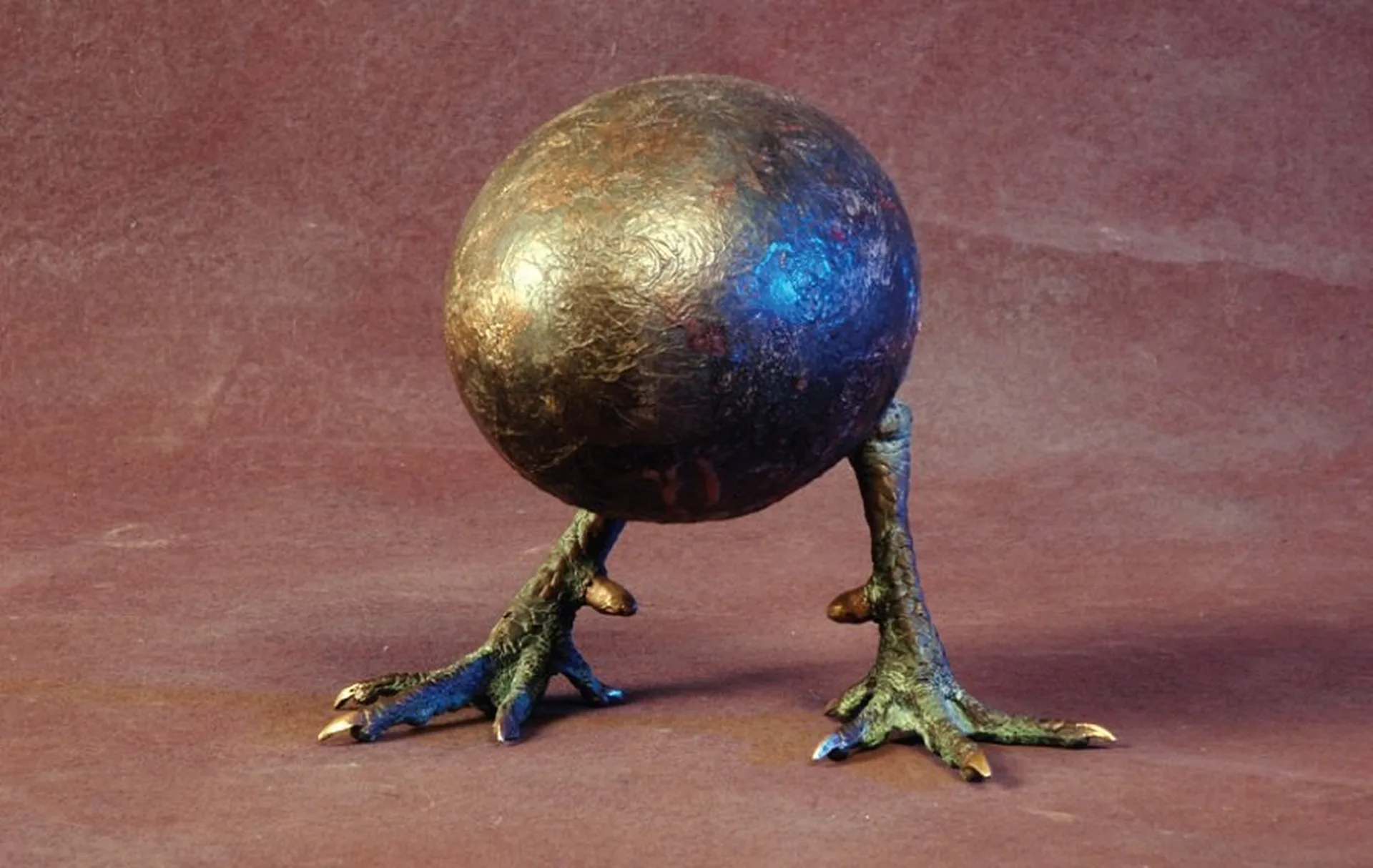
Lumea lui este străbătură de forme fantastice care compun instalaţii ce ar putea fi citite într-un registru în care umorul inteligent dozat ghidează privitorul, păsări şi creaturi stranii, simplificate, epurate în forme geometrice primare, din alte lumi înrudite, populează ludic spaţiul.
Artistul, cu o sfială aparte faţă de lumea dezlănţuită a marilor expoziţii, îşi dăruieşte, recâştigă odihna de a crea în ritmul tipic, propriu, de a nu intra în competiţia care contorizează succesul prin formula apariţiilor publice. Aşa cum declară, nu creează doar pentru sine căci preferă ca tot ceea ce face să îşi găsească menirea, aceea de a îndeplini o necesitate, de a transmite emoţie fără a fi necesar un proces de disecare a intenţiei artistice. Fie că vorbim despre mobilier, despre pictură sau sculptură, gândirea designerului Domen Slana pune în scenă pentru public, pentru utilizator, obiectul creat, oferindu-i independenţă faţă de propriul discurs artistic.
Odată ieşită din atelier opera lui devine independentă, are capacitatea de a trăi şi de a se face utilă. Ergonomia mobilierului este criteriul de bază, însă acest lucru nu anulează un proces subtil de mimesis al naturii, un proces aproape cathartic, acest lucru face ca fiecare obiect în parte să aibă o sacralitate proprie. Materialele utilizate – lemn, sticlă, metal, piatră – nu sunt golite de extensia simbolică, există o smerenie care provine tocmai din acest respect profund pentru natură în modul în care acestea sunt plasticizate în opera lui. Slana nu brutalizează materialele ci le integrează păstrându-le apartenenţa, lemnul, metalul, piatra conservă mesajul ancestral amintind vizibil provenienţa – însăşi natura. Astfel, acestea par doar temporar împrumutate de către artist pentru a crea un scaun, o masă, un leagăn, un orişice închipuit obiect, care va fi întrebuinţat în viaţa de zi cu zi. Pare că împrumută fragmente din natură cotidianului făcându-le obiect şi artă în acelaşi timp, aceasta pare a fi definiţia simbolică pe care o oferă artistul conceptului de „design“.
Vizita în pitorescul orășel Škofja Loka ne-a oferit bucuria de a sta de vorbă despre artă, natură și muze cu artistul Domen Slana, în atelierul său, o experiență inedită, din care redăm un fragment.
Care vă este aria de specialitate în domeniul artistic? Care sunt pentru dumneavoastră cele mai relevante aspecte?
Domen Slana: Lucrurile de bază le găsesc în ceea ce mă înconjoară. Pictez cu precădere peisaje acvatice pentru că locuiesc lângă astfel de locuri. E dificil să definesc ceea ce este cel mai important pentru că uneori mă concentrez asupra unui singur lucru, iar apoi încep altceva, uneori le combin.
Am observat în mod special că atunci când creaţi scaune folosiţi adesea materiale reciclabile.
Da, lucruri vechi, de la ţară, folosite în agricultură.
Vă regăsiţi în vreo mişcare artistică, contemporană sau nu?
Nici nu știu, aşa a fost să fie, pur şi simplu aceste lucruri m-au interesat dintotdeauna. Îmi place foarte mult lemnul ca material, îmi place să lucrez, să fac lucruri frumoase cu acest tip de materiale, şi nu fac altceva decât să le ofer un nou statut, o nouă semnificaţie, o nouă funcţiune.
În general integraţi cultura populară sau tradiţia zonei în procesul artistic?
Adesea, cel mai adesea.
Care este cea mai puternică amintire despre impactul pe care arta dumneavoastră a avut-o la un anumit moment dat?
Dacă aşfi câştigat ceva bani (râde cu poftă…)
Să înţeleg că atunci când câştigați bani din artă vă amintiţi cu precizie momentul?
De cele mai multe ori. Mă bucur când cineva pe care îl admir îmi apreciază arta şi ceea ce fac.
Vă întreb, din perspectiva publicului din România, care poate nu este familiarizat cu demersul dumneavoatră artistic, participați la expoziţii, dezbateri/ activităţi publice şi civice?
Nu spun că arta nu ar trebui să meargă şi în această direcţie, dar eu personal nu sunt genul de activist prin artă tocmai pentru că am credința că arta este prea personală pentru a fi implicată într-un astfel de demers; de asemenea, arta mea nu are astfel de valenţe petru că eu însumi nu sunt o persoană cu vreun interes în politică şi nici nu îmi doresc acest lucru.
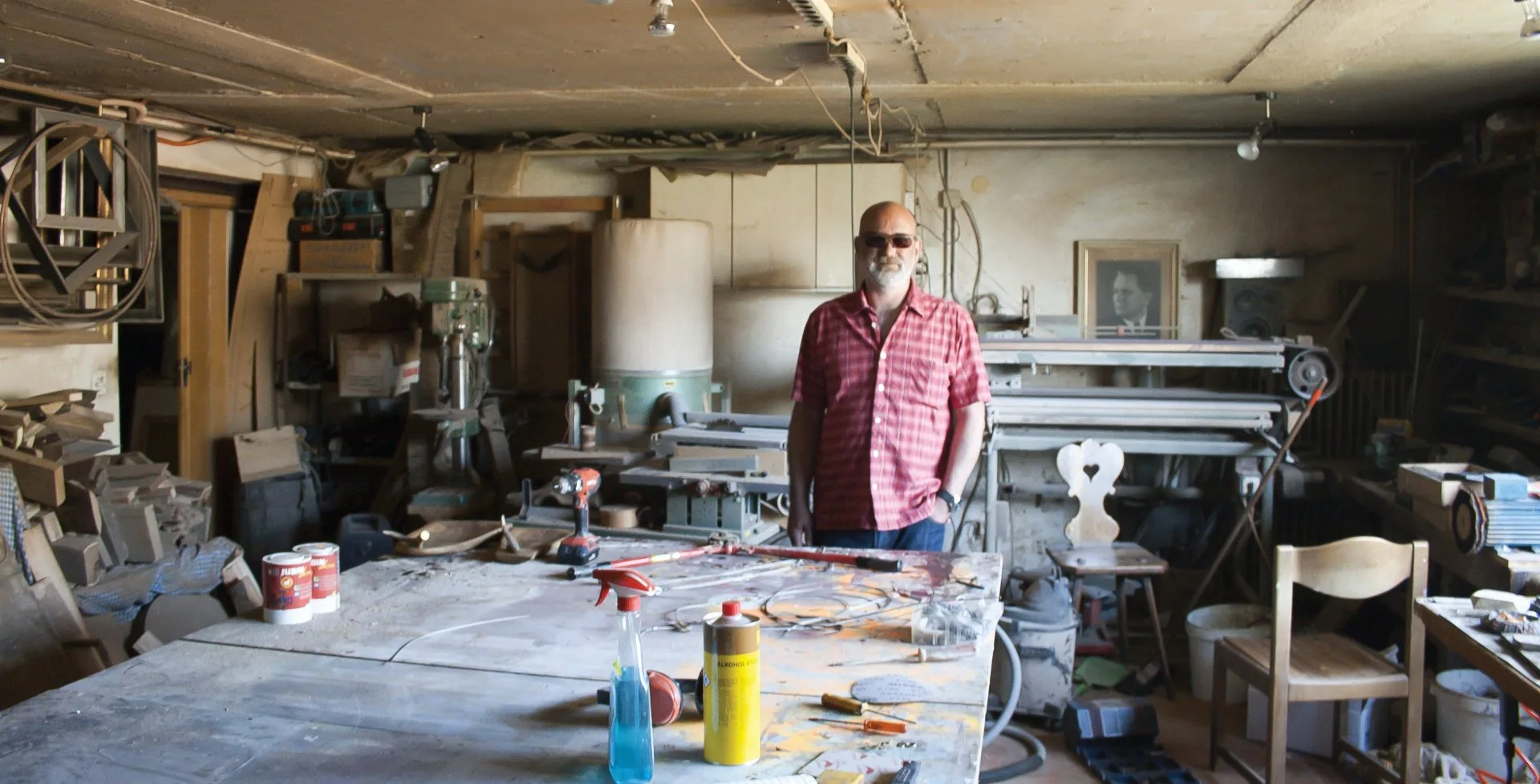
„Dacă muncești mult, ideile vin de la sine, dacă aștepți doar o idee, nu vei obține nimic... pentru că ideile vin prin muncă.”
Aţi putea să ne explicaţi cum începeţi să lucraţi la un scaun, de exemplu? Pentru scaune sunteți de fapt şi recunoscut la nivel internaţional. De ce scaune şi nu altceva?
Nu prea contează de fapt, pentru că eu îmi văd scaunele ca un fel de sculptură cu utilitate, deşi este foarte dificil pentru că atunci când creezi un scaun trebuie să ţii cont de faptul că în primul rând trebuie să fie funcţional şi nu îmi doresc să fac scaune care să nu poată fi utilizate, în acest caz, prefer să fac pur şi simplu o sculptură la modul abstract şi nu una utilă. Dacă fac un scaun, în mod cert îl fac pentru a fi folosit.
Scaunul pe care stau este comod şi pentru că este frumos?
În primul rând este ergonomic.
Aveţi un vis/ţel artistic aparte pe care consideraţi că încă nu l-ați atins?
Nu îmi fac planuri mari, cred că lucrurile oricum vin de la sine, ca artist evoluezi prin ceea ce faci, prin muncă. Dacă lucrezi constant ideile vin în mod natural, dacă aştepţi s-ar putea s-o faci în van pentru că, aşa cum am spus, ideile vin lucrând.
Există o rutină pe care o respectaţi? Aveţi un program prestabilit? Sau lucraţi atunci când şi cum vă place?
Nu, nu am niciun fel de program. Nu sunt genul de persoană care lucrează după un program.
Aşadar, puteţi lucra zece zile consecutiv ca mai apoi trei să vă luaţi o pauză?
Desigur, fac asta adesea, nu există o rutină, în afara cazurilor când ceva trebuie musai făcut. Totul are o înşiruire, eu nu văd munca așa cum adesea se întâmplă la oameni cărora nu le place ceea ce fac, eu mă bucur de munca mea, îmi face plăcere să lucrez.
Cum vă vindeţi arta? Cum vă faceţi cunoscut publicului? Participaţi în mod regulat la expoziţii ?
În acest moment Slovenia este o ţară relativ neprietenoasă pentru artă.
De ce neprietenoasă?
Dacă vom compara cu ceea ce se întâmpla în trecut când lucrurile erau mult mai propice pentru artişti, nu aşputea explica de ce, probabil că acum lumea nu are bani, alte lucruri au importanţă mai mare pentru ei. Suntem permanent bombardaţi cu tot felul de reclame prosteşti, iar toate aceste lucruri desuete au devenit mult mai importante decât lucrurile cu adevărat spirituale, cred că asta este consecinţa.
Aşadar, este mai greu să vinzi acum?
Mult mai greu!
Decât acum 10 sau 20 de ani în urmă?
Da, este mult mai greu, în trecut era mai simplu, de asemenea mediul politic este extrem de neprietenos pentru artă.
Ce credeţi despre ceea ce se întâmplă afară?
Să fiu sincer, personal îmi vând mult mai bine scaunele peste hotare decât în Slovenia.
Nimeni nu este profet în ţara lui…
Da, probabil că nu…