by Luminița Paul, Photo: Shutterstock
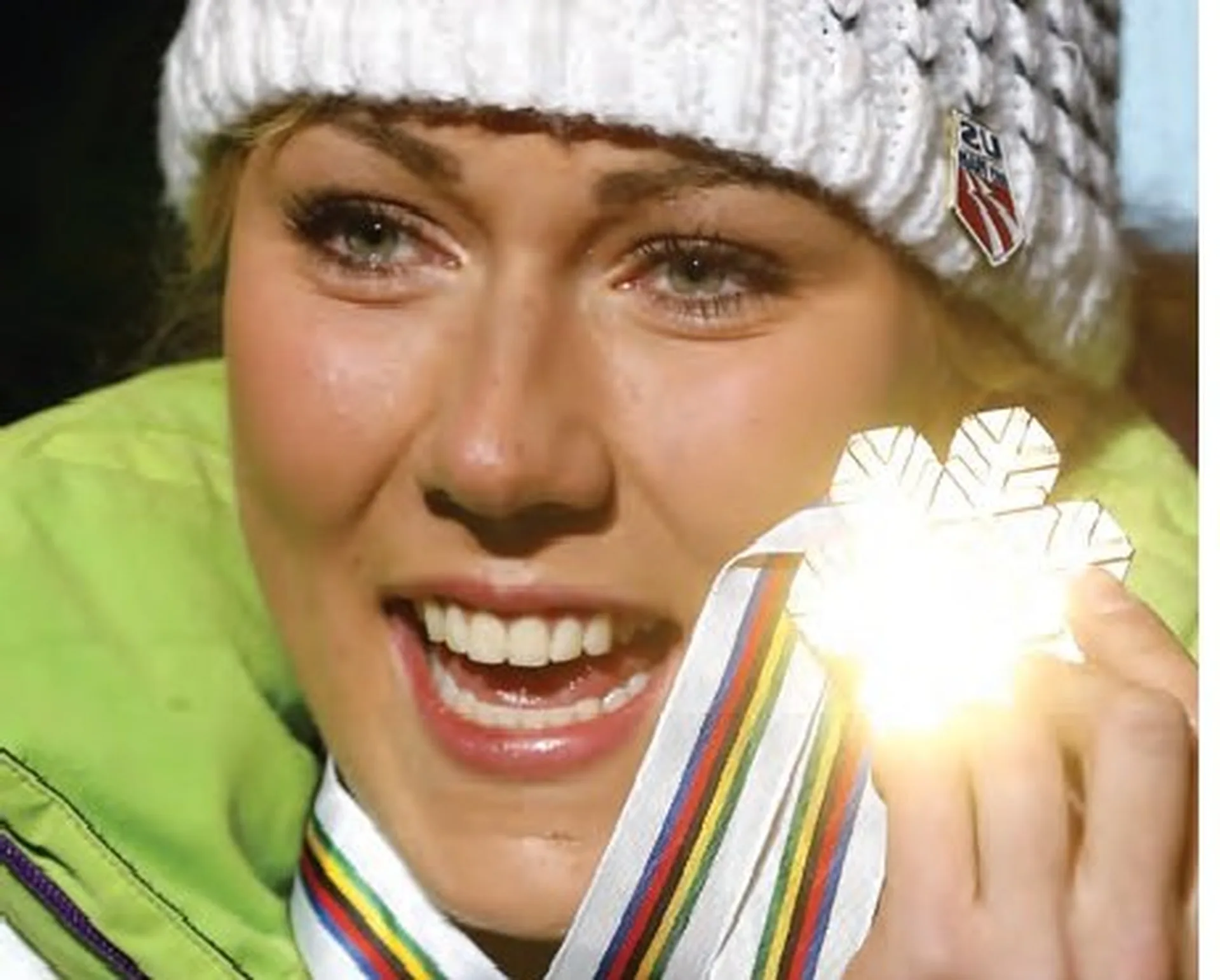
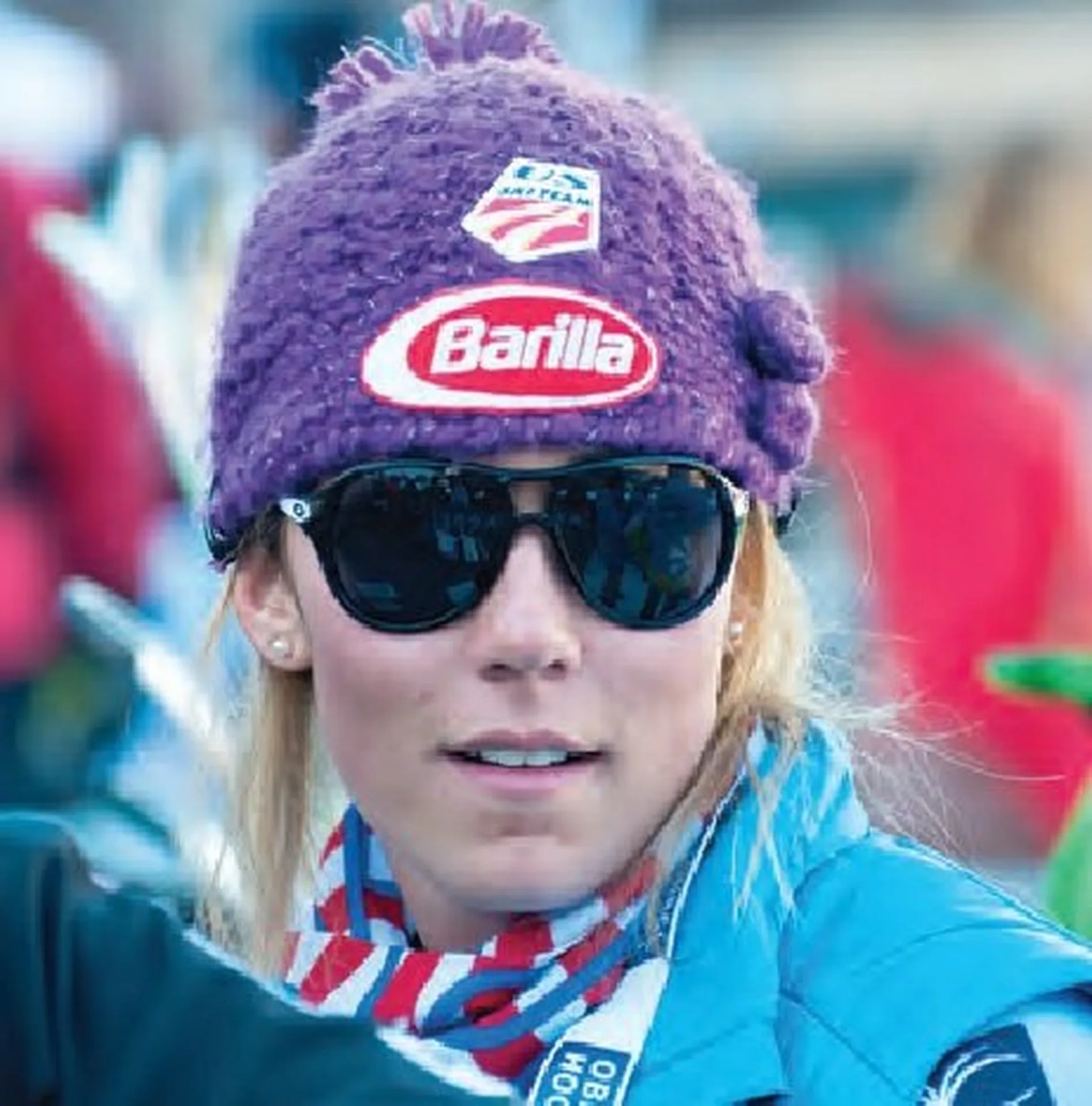
She looks older than her age, 18 in March, just days before winning her fourth World Cup in Lenzerheide, Switzerland. It happens sometimes with the young prodigies: intelligence is making them looks older. The smile, reflected in her bright blue eyes betrays her age. She’s a big girl, who started to conquer the world for the simple reason that she likes skiing and for that she is willing to give up many things to succeed.
“What does it mean to be a normal teenager?”asks Mikaela Shiffrin the world champion at slalom at the World Cup in 2013 in Schladming, Austria.” I never tried to be a limited normal teenager. I have no time or interest in doing crazy things that some of my generation do. My life is hectic enough and I do not need to supplement the chaos creating a drama that is not needed” confessed the young American in a recent interview.
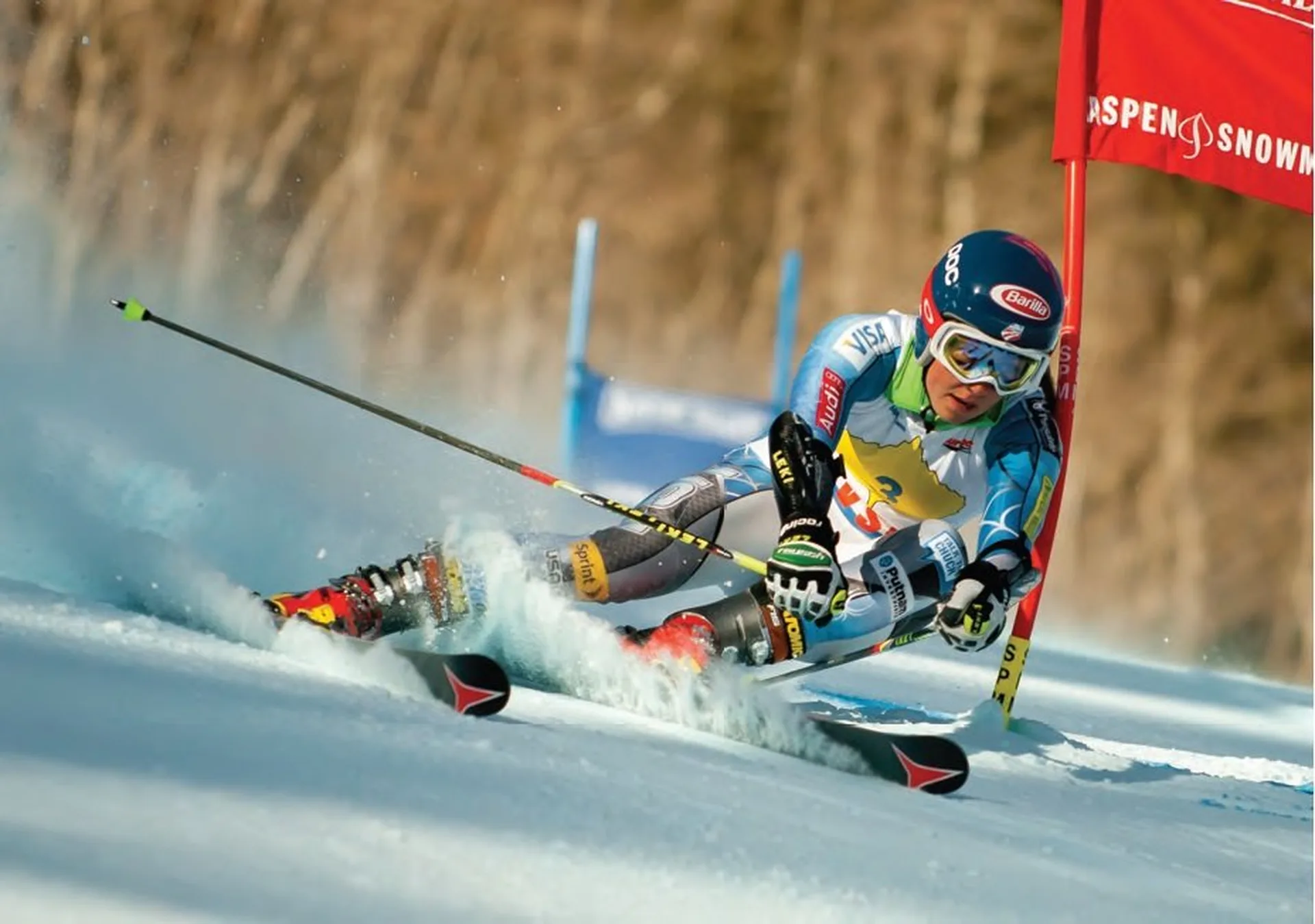
This is the moment when you wonder if she is really only 18. You suddenly feel the need to ask for her ID and make sure that she is not somehow, 25 or 28 years old. And it does not stop here . Here’s another example : “ Skiing is my art ,” she revealed to Denver Post. “ It’s like a puzzle or a painting or a piece of music . When skiing , it’s like a song, I can hear the rhythm in my mind. The turns start to link and suddenly , everything is flow and force. Then, I can only feel incredibly well. Hence the joy.”
Still think her age is wrong? Well, she is truly only 18. She is not the typical American teenager Beverly Hills 90210 . Shiffrin works hard, but practical and with pleasure There is no sacrifice just savor. She gives and receives; generously childish and mature at the same time.
Skiing , it’s like a song, I can hear the rhythm in my mind. The turns start to link and suddenly everything is flow and force. Then I can only feel incredibly well.
She is also one of the today’s exceptions in the sport world. Where is Nadia Comaneci , triple Olympic champion at 14 and a half? Tracy Austin who won the U.S. Open title at only 16 years and 9 months after the legendary final with Chris Evert? Or Boris Becker winning Wimbledon on grass at 17 years old? Where is Oksana Baiul, world champion at artistic skating at 15? Examples can flow, the list is long, but in recent years it has enriched less. All of these names belong to the past, a past which had no eligibility rules strictly imposed in some disciplines. Now, in gymnastics you cannot compete in major competitions, European, World or Olympic Games, ahead of the year when you reach 16. In tennis young people between 14 and 17 years have a limited number of major tournaments in which they can participate. Measures were taken to prevent rapid and premature wear, to prevent severe injuries that can mark not only a career, but a life. Because the sport has changed: It’s more physical, more demanding, tougher and more complex. You must be strong to face it and for a child or adolescent that’s almost impossible.
Therefore, Mikaela Shiffrin is no exception. She was born in Vail, Colorado, a town with around 5,000 inhab itants emerged around Vail Ski Resort, the second largest alpine ski resort in North America. Somehow, perhaps she had no option with so much snow, skis and sticks around. Or she was extremely lucky: she was born in the perfect place to meet her destiny. When she was 10, she asked her father, Jeff, when she could start to compete for the World Cup. That surprised the analytical father. He started to explain the situation using numbers, examples and statistics while the precocious little girl wanted a simple answer. “Ok, dad, I understand, but all I wanted was an age. What is the earliest age I am allowed to compete in the World Cup?” Mikaela recalls: “I’ve always wanted to do things quickly.”
Nevertheless, she had to wait until she was 15 years old. At 16 she made her first presence on the podium in the World Cup. At 17 years, in December 2012, the first win, and at 18 became the world championship. The fourth youngest in history. Yes, that means speed, although Mikaela is specialist in the most technical discipline of the alpine ski, slalom!
Parents have been there at all stages, each of them in a special way. Her father Jeff, an anesthesiologist and professor at the University of Colorado Hospital, is the family analyst. He does not think things are merely technical, but they’re rather mastery, a theory which he discovered in the mid 80s reading an article in Scientific American about the great masters of chess. To this starting point he added a whole shelf of books on the same subject, which helped him to guide his children in skiing. Because Mikaela’s brother, Taylor, 20, has the same passion being a “freshman” in the ski team of the University of Denver.
“It takes 1,000 hours to go from incompetent to competent in any field, from speaking a foreign language to making a turn on skis,” says Jeff Shiffrin.” Then, it takes 5,000 hours of training in the category – I am not good enough and I want to progress. And another 10,000 to 20,000 hours to be the best in the world and an Olympic champion.”
Mother, Eileen, who is a nurse represents “the practical parent”. In the last two seasons she traveled with her prodigious daughter and accompanied her at World Cup competitions “I like to go with her in all those places. We are really close. We have the same sense of humor and I love spending time with her.”says Eileen.
In 2013, the young Shiffrin graduated from Burke Mountain Academy college, a boarding school dedicated to sports in northern Vermont. Most studies were done at home or by correspondence and Mikaela did not go to prom. All these are understood and accepted by athletes. She trained all summer, “dry” ran and worked with weights. She started taking German lessons because “it is one of the top languages in alpine skiing.” She gave many interviews. Always accompanied by her mother, as the father is busy during the week, living in an apartment in central Denver and spending only the weekends at home in Vail with the family.
“I almost got into a rhythm” describes Mikaela her program for the Huffington Post. “Waking up. Answering the questions. German lessons. Responses to other questions. Workout in the gym. Bed.” She gave up her free time over the summer and the holiday.” It was not always easy to answer negatively to invitations, but I prefer to be where I am now” said the skier. “I know exactly what the priorities for the majority of my age are. My priorities are different. I’ve always focused on being myself.” If you have forgotten meanwhile, please note: she’s only 18!
With Olympics in Sochi at the horizon in 2014, Shiffrin absorbs inspiration from two American athletes she admires in particular: Serena Williams and LeBron James. Both were very young when they erupted in their fields: tennis and basketball and are now well-known figures. Many people put pressure on Mikaela towards the Olympics, her first participation in such events. But she sees things in the same clear and realistic light. “Some see the Olympics as that big black cloud which will come and ruin my career because it’s so much pressure, so much anxiety! I do not think of them as something scary, but an experience in which I will bring out my best, an experience which I will try, no matter how stressful and chaotic it will be”.
After gym, Shiffrin sought a reunion with snow in New Zealand and Chile. The new season is approaching. Awards, cups and gifts received for each victory began to visibly multiply from the previous year, which is why Mikaela distributed them to family and friends for safekeeping.
She lovingly preserved in her house in Vail the Crystal Globe for the best results obtained at slalom. Her first crystal globe. Most likely only the first.
The rest is passion, pleasure to ski, work. Almost a cliché, right? “When will I feel satisfied with what I did, then it will be time to quit “ said Shiffrin. But she could never be truly satisfied with her results. Because she has this little mystery which will challenge her permanently: “You cannot do a perfect race, but you can make the best race. Then you get the best time and win. But if you try to make the perfect race, accepting that you’ll always be a little behind, that’s very interesting. It makes me think about life in general. You always want to achieve perfection, though sometimes that means the worst. It’s good that we cannot get there”, she concluded. And she’s only 18 . The only thing that betrays her age is the care of not losing any episode of Glee. But this is what millions of adults do, don’t they?
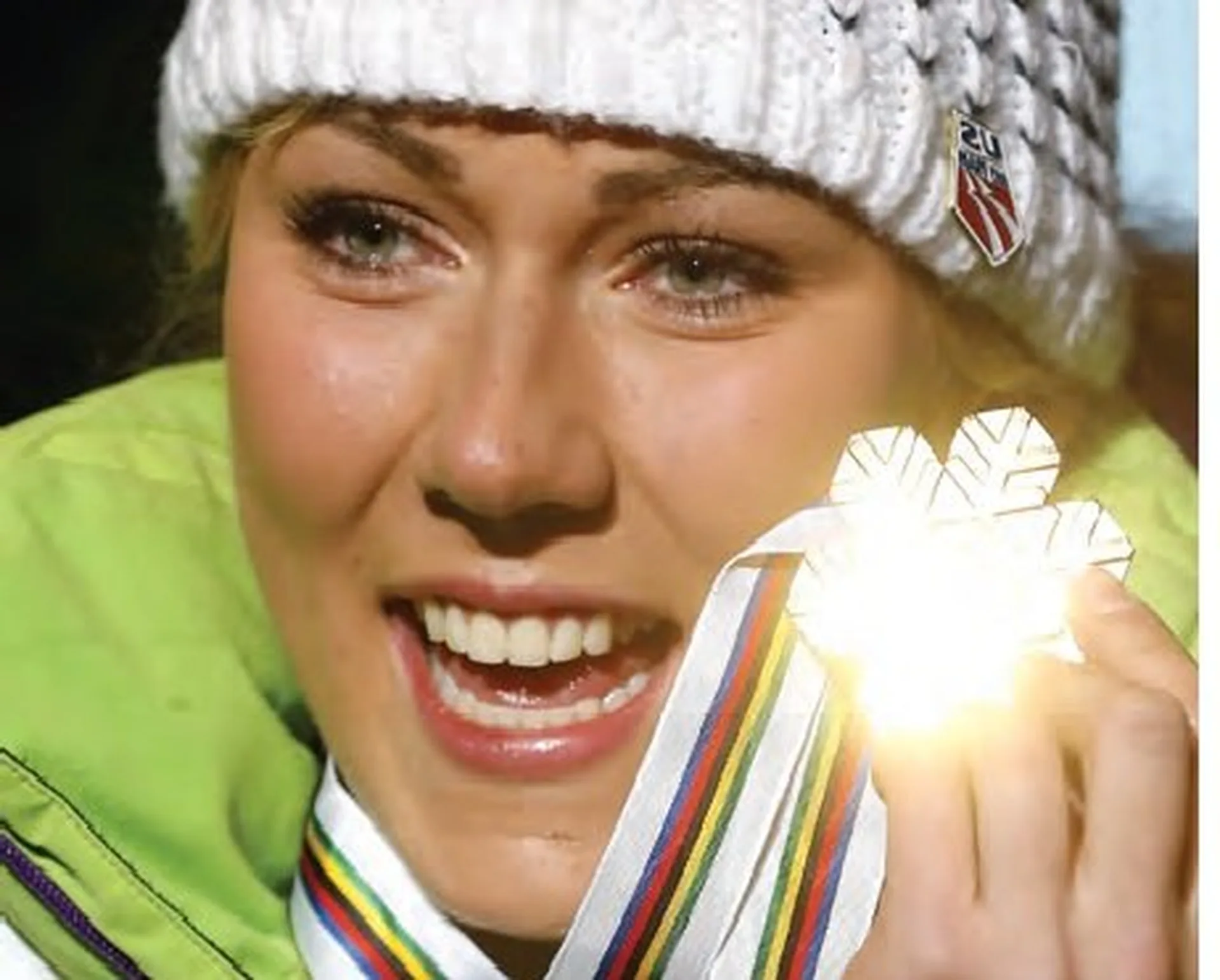
“I know exactly what the priorities for the majority of my age are. My priorities are different. I’ve always focused on being myself.”