Photo and text by Augustin Ioan
ST LOUIS
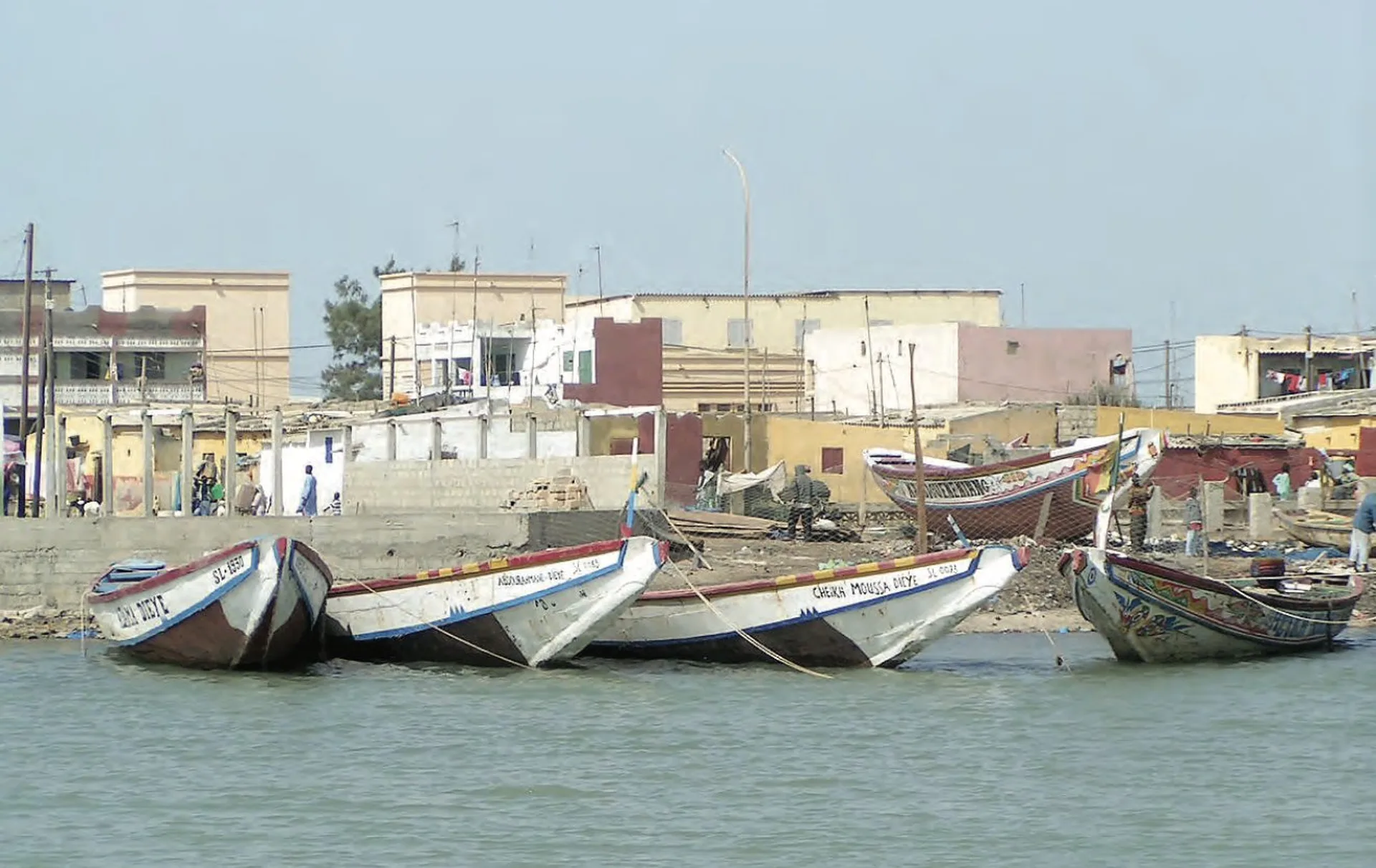
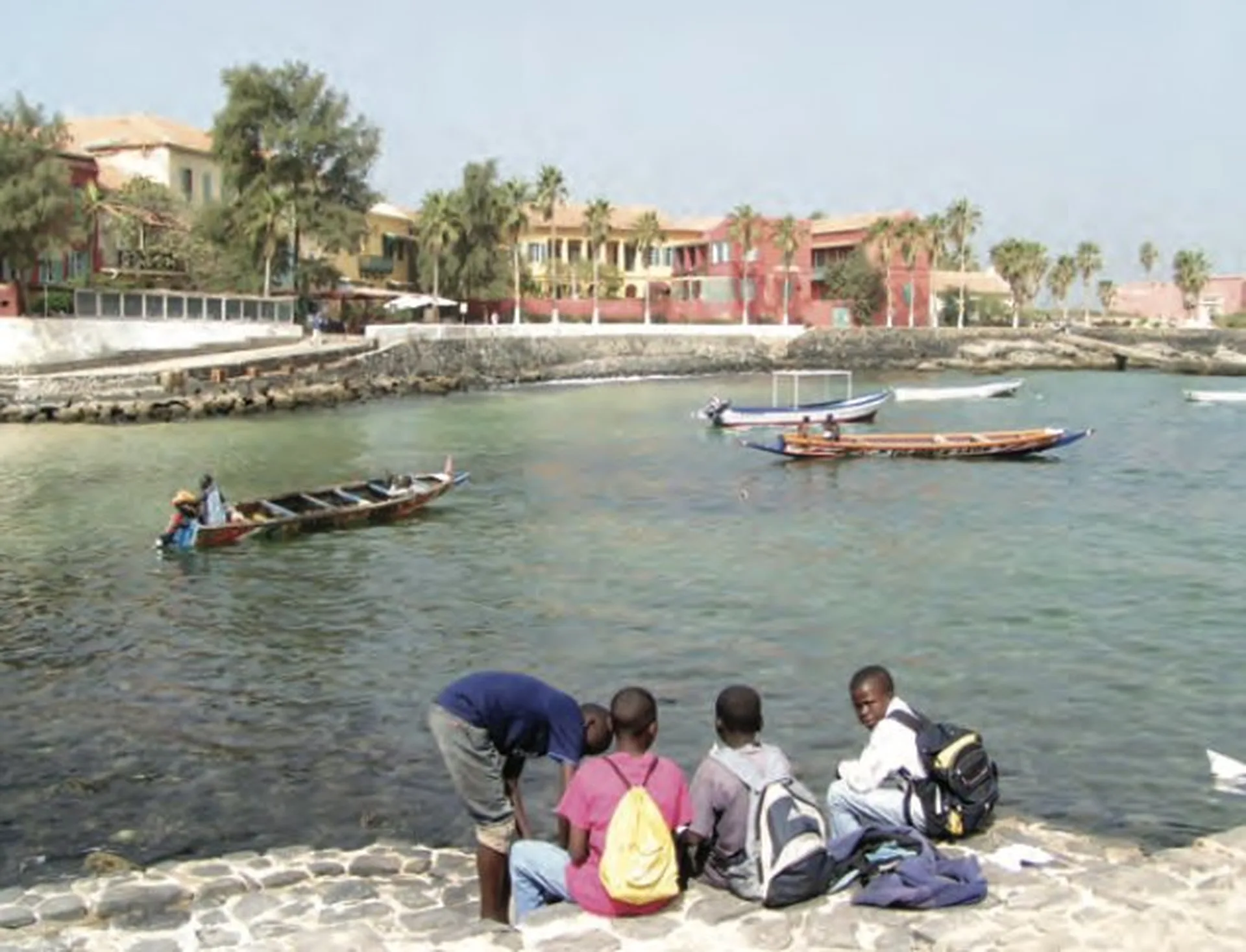
The presence of the Danube Delta Commission does not simplify the fact that St. Louis de Senegal was the capital city of Senegal and of Mauritania, and also of the entire French sub-Saharan Africa; nor does the fact that it was founded 350 years ago. As for the rest, our Sulina (the old one, and whatever has managed to survive the disinterest of the inhabitants and local administration) is nothing but a 1/10 replica of the city I am telling you about. Up to independence and unlike the rest of Africa, St. Louis (the same as the island of Goreea and the cities of Thies and Dakar) was a French province. The inhabitants were as much French citizens as the people of Paris. I still have to digest the decision to give up this status for independence. Of course being a European and a Francophile, I cannot, - can I? - understand the complexity of the decolonization feelings. But one does not need more than half an hour walk to figure out that this used to be a great city and, in return, we are now counting the years until its disappearance, despite its independence…
Now it is only a ruin, from one side to the other of the main island. Those splendid houses, with strong pillars and balconies plunging over the streets, with huge bougainvillea bushes that are now growing from the holes inside the walls, are half or completely destroyed. The UNESCO protected city status does not help at all, because there is no money to maintain the ruins the way they are, nor to restore them. The governments are making a gesture now and then - with a head office for a consulate or a local NGO. A few private Western investors felt pity for some of the houses and saved them. Here and there, we see a restaurant and a hotel. But this is not working either, since the Paris Dakar rally is not organized here anymore - the city used to be a serious pit stop. As for the rest, it is like the Zăbrăuţi area in Bucharest.
In parallel with the city, there is the fishermen village. Here, in just a few square kilometers, live over two hundred thousand people, in a way that is impossible to describe and therefore to explain. They are not poor! On the contrary. And I, unlike many other visitors who came here, I am looking to understand the daily life of the inhabitants, from an anthropological point of view, without judging them according to European criteria. But the smell of rotten and/or salty fish does not let me do this all the way. But I am working on it…
JOAL
A road towards the south, on the coast, from Dakar to Joal-Faddiouth: the main reason was to see the birthplace of President Leopold Sedar Senghor, the poet elegantly translated in Romanian by Radu Cîrneci, and also Ceauşescu`s confident; but, unlike Ceaușescu, he freely gave up the quasi-totalitarian regime he had imposed in Senegal; but also to see the surrounding mangrove forests that appear to be sitting on the water and, during the low tide, on the thick rhizomatic roots. I saw them in the low tide, crossed by the crocodiles that give the chills to the rare Francophone tourists. Yet, the place is picturesque, even if the French digests were probably obsolete the moment they were published (but aren`t the ones on Romania in the same way? The reality is, there and here, more rapid than the pace in which it is recorded).
Never, in Senegal, as a toubab, will you ever know from the very beginning how much does a local product or service cost. Some say that it is part of the local charm, something that, I for one, could live without, but I understand this is the way that Muslim culture is everywhere. Anyway, you must remain firm, you must not express appreciation or desire for a certain thing – otherwise you are lost. You will certainly end up obtaining that thing by force and for a price that is twice or three times higher than normal – if there is such normality.
Visiting the other two islands is worth the money, even the money that was not strictly negotiated: the cemetery is both Christian (catholic, but also the neo-protestants are quickly spreading due to the American influence) and Muslim. Mountains of white shells and baobabs. Sereer Christians. Not one shadow. Just one other type of grave, near a huge cross made of white marble: the grave of a monk, a Canadian native, who died here, during his mission. Probably, the locals wanted to honor him and buried the poor man in some sort of above-ground tomb made of cement. On the contrary, the modesty of being buried in (among) the shells would have been the charm of remaining here, in the mangroves.
The sacred baobab, a pre-Christian remaining, functions as a good luck charm when touching its reptilian roots that invade the poor and small square. The trashcan looks good in the eyes of the tourists, that is exactly why it is pointed out to us; otherwise, it is too empty and too close to the Virgin`s statue, as I - an obnoxious toubab - have observed out loud. Finally, I notice something of interest: the touristic route - organized by probably the same rapacious guides union crosses the village without disturbing it from the daily existence. For example, we were not allowed to stray from the route to go on the main road, a road that the touristic route was merely intersecting. The handicrafts are playing the role of pavements, so does the snail meat (we call it rapană, it seems to be some sort of oversized murex judging by the shells, so the locals named it after its terrifying smell: Senegal camembert) and dried shrimps. Because they are very salty, the sea food, the fish but also the beef and the sheep meat are left to dry in the saline wind. Perhaps those white and stingy tourists do not appreciate - from a sanitary point of view - the local methods to preserve the meat, but, certainly the locals adore it: once we came back from Joal-Faddiouth, we had to bear the smelly attack of some sort of fish meal made of the so-called Senegal camembert, shells and dried shrimps. With all the sincerity I am capable of, I swear that this meal - a specialty of the Southern province (Casamance) - seemed at the same time tasty and had a disgusting smell. Probably, what I am saying makes no culinary sense: those who told us about it were even more radical and gave up eating it - fearing hepatitis - despite the locals ensuring us that this was a delicacy. I had no problem with it, on the contrary: I asked for more the next day.
EASTER, IN DAKAR
The sort of French language newspaper indicate the following facts: some individual has paid an albino (sic!) marabout (head of a Muslim religious brotherhood) from Mali to burry a black dog, this representing a ritual that brings bad luck to one of the candidates in the presidential campaign (I quickly notice that this has failed). The use of religion and of the underground power streams which, social organization has to offer to those desiring frail glory, was – in fact – criticized here. Decoupling the state and its policies from the omnipresent infrastructure and self-regulatory that religion supplies, was – good or bad– almost a done thing (also) here; yet, this fact that seems to back off. Otherwise, acting as a peacemaker and due to the upcoming National Day (4th of April), the Government has decided that the first two Easter days are also off. Here, the Christians are ultra-minorities but, at least on the surface, there are no frictions between the Muslims and the Catholics, the later being the members of the Government.
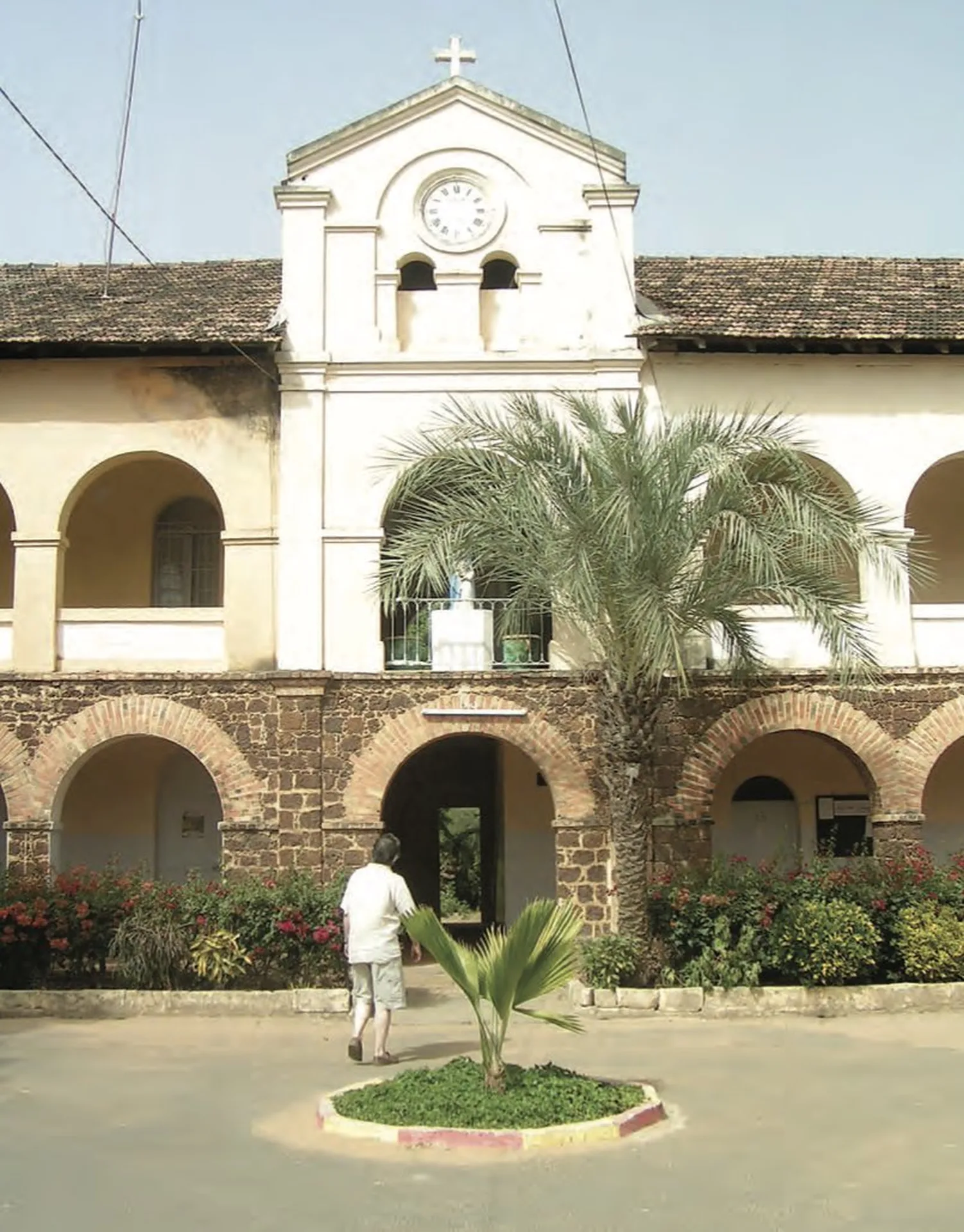
The Easter in Dakar is located in the immediate vicinity of the most radical alteration we can imagine. First of all, the setting that is – hesitantly – placed on the fracture line between Sahara and the African luxuriant vegetation. Therefore, it depends on how you place your camera – either to catch an illustration of the Ecclesiast, or a good touristic view of Paradise. The churches are clean, most of them were built in the 20th century and from their modernism we conclude that, the most recent ones go back before the independence. In fact, the city has a Mediterranean air from which – as a friend used to say –”the Romans left”. The urbanism of the city is confusing and, wherever they are visible, the modern interventions did more harm than good. A huge central square is overexposed to devastation – whereas the claustrum, the narrow and shady courtyards I have met in Maroc (where Dakar would be a poorer Casablanca), would be more appropriate for this climate (and for this urban culture). In fact, since we are talking about the location on the fault line, the city is also located at the meeting point of the Arabic-Islamic world with Black Africa – where the burdened migrants are coming from. In this balance, the European paradigm - what remained of it – is strongly counterattacked (first of all financially) by the Islamic world. And, in all things, underground and infra-economical, the entire area is penetrated by the Chinese products, the only ones that seem to be still producing and selling nowadays. China is present everywhere in Africa, hunting for energetic resources to offer as a sacrifice for the economical growth. It is pointless to say that, after leaving the African Francophone world after 1990, despite the sympathy it has wasted, it is very difficult for Romania to come back here, the place of the biggest economical stakes in the world. Only now, Africa`s huge reserves of raw materials, first of all the oil, need the Romanian experience, truly and with economical viability.
DAKAR
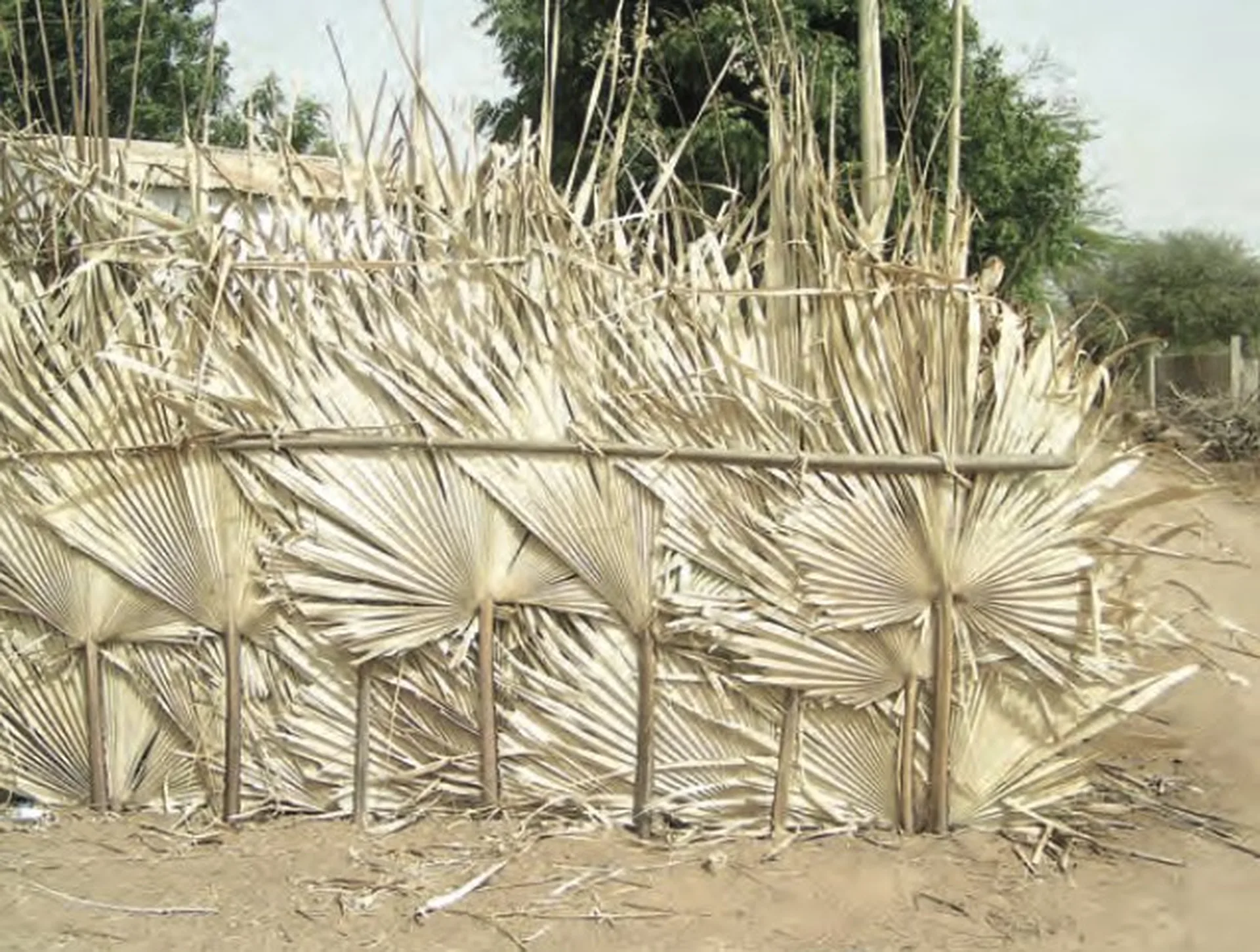
Dakar, Senegal`s capital city and the most Western place in Africa, resembles in many ways – oh dear – the city of Bucharest during the Văcaroiu governing. In fact, the story of the albino marabout burying a dog is similar with the hen that gave birth to a live chicken - one of the Romanian daily stories of those times. Here, we find the same plastics flying around, the same social laxity and almost the same architecture. The omnipresent dust is – in fact – sand brought from Mauritania by the winds that crosses the desert and continuously exports it to the South. When it is not already covered by the desert, the land is red, like a burnt brick. Social life takes place in the street, and the private life goes on, for far too many people, also in the street. Extroversion is the dominant feature of the individual and of the group. Hospitality (“terranga”) is seen (also here!) as a quality of the country, a sort of “fabulospirit”, placed differently. Having nothing (the concept of extreme poverty has totally different meanings in Africa than in Europe), those I have met gave everything away. When we visited the family of one of our local friends, together with anthropologist Radu Drăgan, we were given everything the family had in terms of food; moreover we had to accept gifts. The Christian rural households around Pambal –some huts covered and fenced by palm tree branches, very decorated, that would have made a village museum proud to have them – were extremely clean and breezy. Located on the same undivided territory, the huts belonging to the members of the enlarged family were decently equipped, right about the level of any rural Romanian house: modern furniture, icons, family pictures and even a rudimentary display window. Afterwards I visited the Catholic settlement, where there was a Polish nun. The settlement has a church and plays the role of all the institutions needed in a decent community: school, hospital, oratory and social gathering, and also a sunny playground for the children – like all the settlements of this sort did since always. This is where I say palm trees engraved with the cross, to “convince” them to provide as much juice as possible (the palm tree juice is the locals` favorite drink and it is extracted, with some difficulty, exactly in the way in which the trees are used for rubber). The head of the family, now retired, was a sailor on the country`s fishing vessels (with a navy, like ours, that is now scattered); he has been in Constanţa`s harbor: what does he remember? - Nothing, just the docks. The professional migrants (truck drivers, aviators, sailors) are sometimes regarded with much envy, but in fact they see so little in their lifetime…It could be interesting to study how little do the highways, harbors, railroad stations, airports have to offer as emblems of our cities and our society.
TOUBA
I was also in Touba, the religious capital of the country and a regional pilgrimage place, given the interest that the presidents of Maghreb are showing. By accident, we arrived exactly on the day when the Lebanese “guide” Ghadafi (this seems to be his official title) had announced his visit here. He has staged - like in an opera play - his participation to the ceremony of the re-elected President swearing into office - Abdulaye Wade. Ghadafi has installed his large tent in the courtyard of a house near the Dakar airport, in open sight, and welcomed the local and religious leaders right there. He did not make it to Touba though, yet we have witnessed a massive cleaning operation of the village. It was an ordinary day, we were told that on Friday there are hundreds of thousands of people who came for the pilgrimage, between the khalif`s courtyard and the impressive marbled mosque with interior courts and fences.
We did not risk getting out from the car, because we would have been deluged by the hundreds of local beggars. They are not violent, but they are aggressive in the way they insist for beneficence. Plus, there were over 40 degrees outside and we were supposed to go through an operation of disguising ourselves into local clothes and, certainly – like we did everywhere – of taking our shoes off; so we gave up. Everything had an air of possible celebration – the sand from around the mosque was loaded in bags and taken God knows where, but from where it would come back the next day – cars with loudspeakers were telling people to clean up and act holy. We could see everywhere the huge portraits of Ghadafi who was being thanked for his guidance (and, sub-textually, for his financing that was always demanded). The culture of donation and handout is present everywhere: being an owner means having the obligation, mutually undertaken, to financially support the people of the tribe or brotherhood. And, the marabout position is, also from this point of view, exemplary. The distribution of gifts overlaps with sending the children from the Koran schools to beg on the streets to support themselves through school. For those who are quickly to judge this situation I give the example of the Buddhist monks, for whom the humility of obtaining food from donations is part of their daily lives. Plus, the same press I have quoted earlier observes the intervention of such a marabout in the favor of physically protecting the children-beggars from the disdaining and aggressive gestures of the people who stop at crossroads.
Finally, Requiem and Easter – at the maronite Notre Dame church in Lebanon, among friends. The Lebanese community is large, over thirty thousand people, but only some five thousand of them are Christians; of these, about forty percent are Orthodox, but they have contributed to the ethnical-religious set-up of the majority community, the maronites. The Requiem service was held in the Arabic language – according the oriental ritual - and in the presence of the Dakar archbishop, Monsignor Theodore Adrien Sarr; after the ceremony, in the meeting hall of the community, everyone who was present kissed his hand. There was the same Requiem mournful music, sad even without words, like in the churches back home; the same symbolical “burial” and the same closing of the grave. And, the second night, there was the same good news that we had already received back home (Dakar is on the GMT and does not change to summertime). “There”, at home, just like “here”, in Dakar, it sounds the same in the flickering light of the candle: Christ is risen!