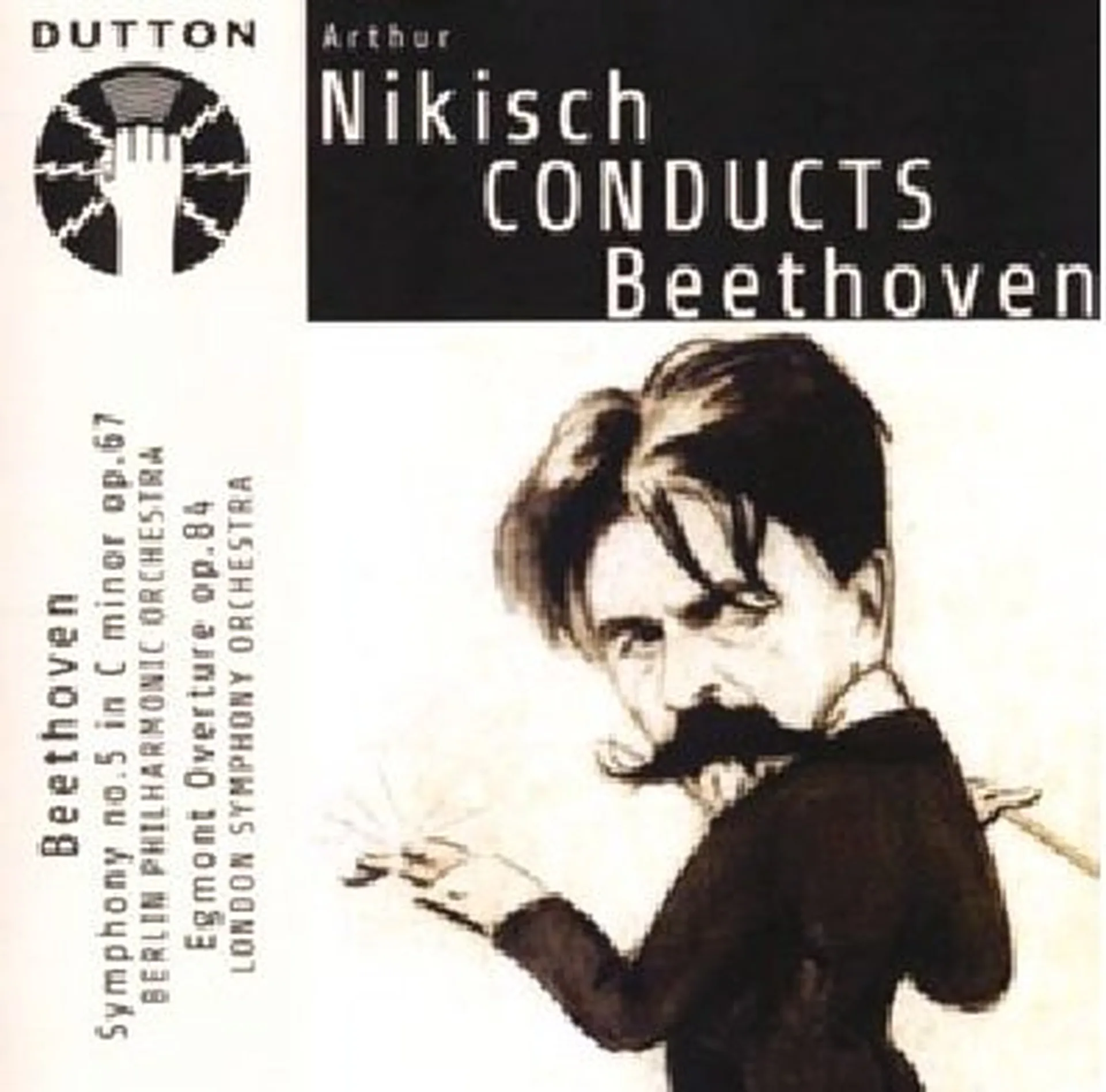
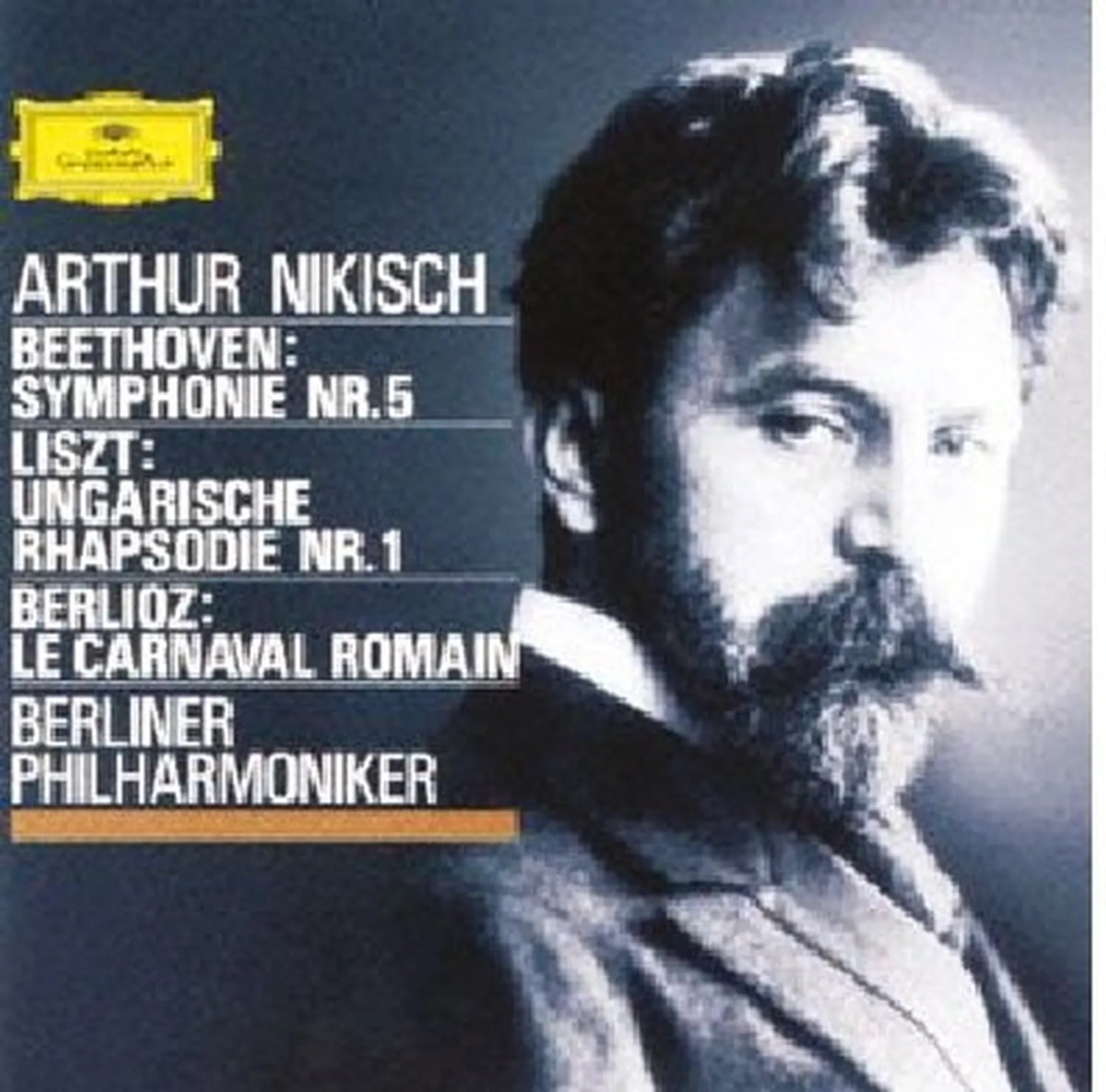
The first years were difficult, but once Hans von Bülow – a respected musician and a friend of Liszt, Wagner and Brahms – was appointed the orchestra`s leader, a glorious era began. After his death in 1895, following an advice given by Liszt, Arthur Nikisch became the director – a forty year conductor who, during almost three decades of leadership, has transformed the philharmonic into the world`s most prestigious orchestra. In all these years, the invited soloists were: George Enescu (a single concert in 1902), Arthur Rubinstein (13 years old), Artur Schnabel, Pablo Casals, Fritz Kreisler, Serghei Rachmaninov, Jascha Heifetz (only 11 years old). The repertoire became wider and wider, often including pieces byTchaikovsky, Mahler and Grieg. In 1913, Arthur Nikisch recorded the Fifth Symphony by Beethoven; the result is a disc with a lot of background noise that makes it difficult to listen and reflects the romantic style of those times, with a bizarre free tempo and an energy that seemed to foresee the Furtwängler era.
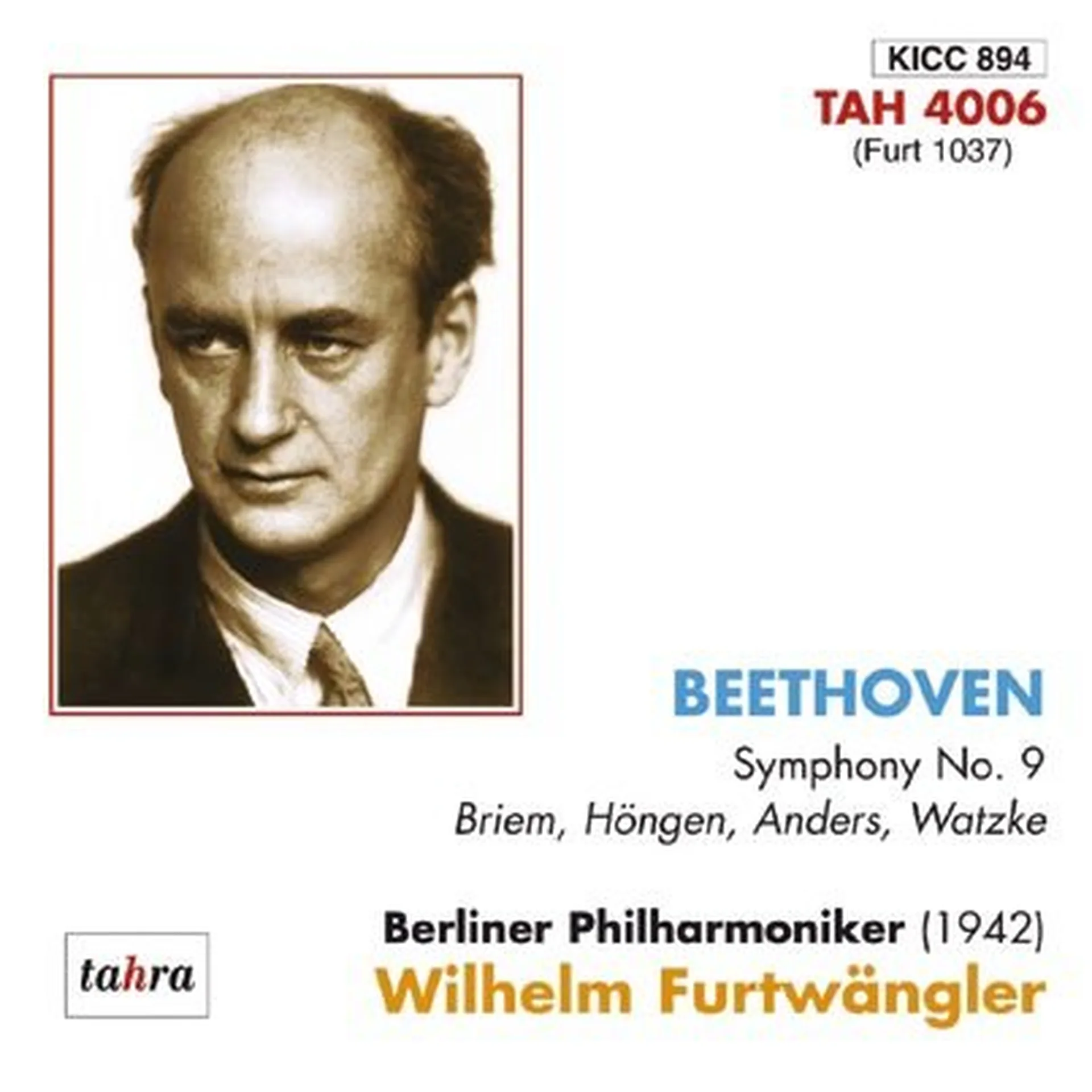
The following period of 1922-1954 is dominated by the image of Wilhelm Furtwängler, considered the most important conductor of the last century. In 1934 he resigned from his position as orchestra director after a scandal caused by him choosing a piece by Paul Hindemith, an author forbidden at that time; yet, he decideed to remain in Germany to conduct the Berlin Philharmonic. The recordings produced during the war seem to reflect the desperation that Europe was going through. A recording of the Ninth Symphony by Beethoven, from 1942 (when Hitler was also in the public), reflects paroxysm, hysteria, unprecedented violence, a state of trance, a musical image of the war`s nightmares. In January 1944, the concert hall is bombarded and the orchestra began performing concertsin Titania Palast. After the war, Furtwängler was forbidden to ever conduct, but after the process of denazification, he returned in 1947 to lead the orchestra until 1954.
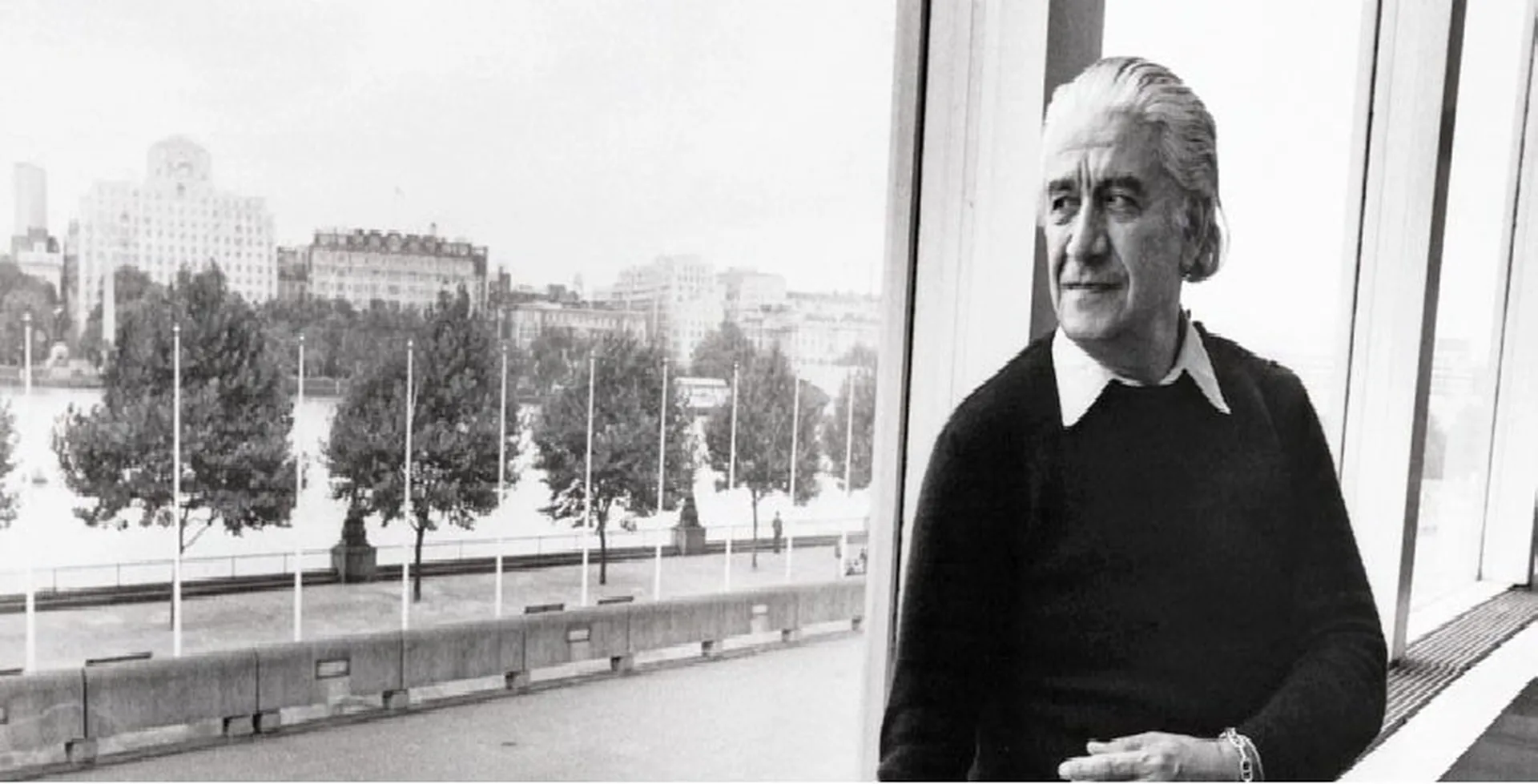
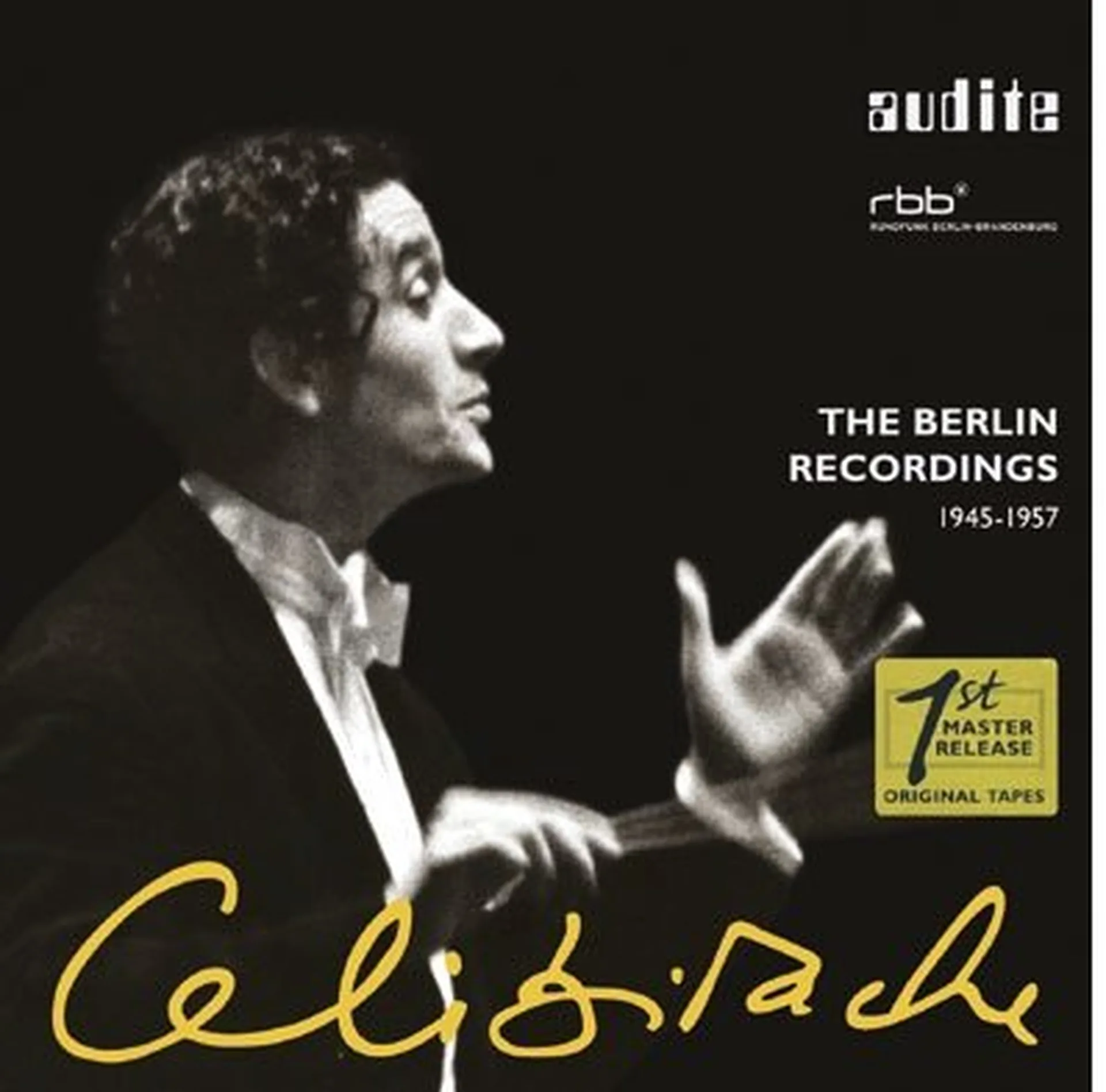
The young and almost unknown Sergiu Celibidache is appointed, at just 34 years old, the head of the orchestra immediately after the war, for the two years that Furtwängler was forced to step back; he remained an associate conductor until the later died. At this moment Karajan was appointed. The thirteen CDs edited by the Audits contain all the live recordings of the Berlin Philharmonic preserved in the radio archives.
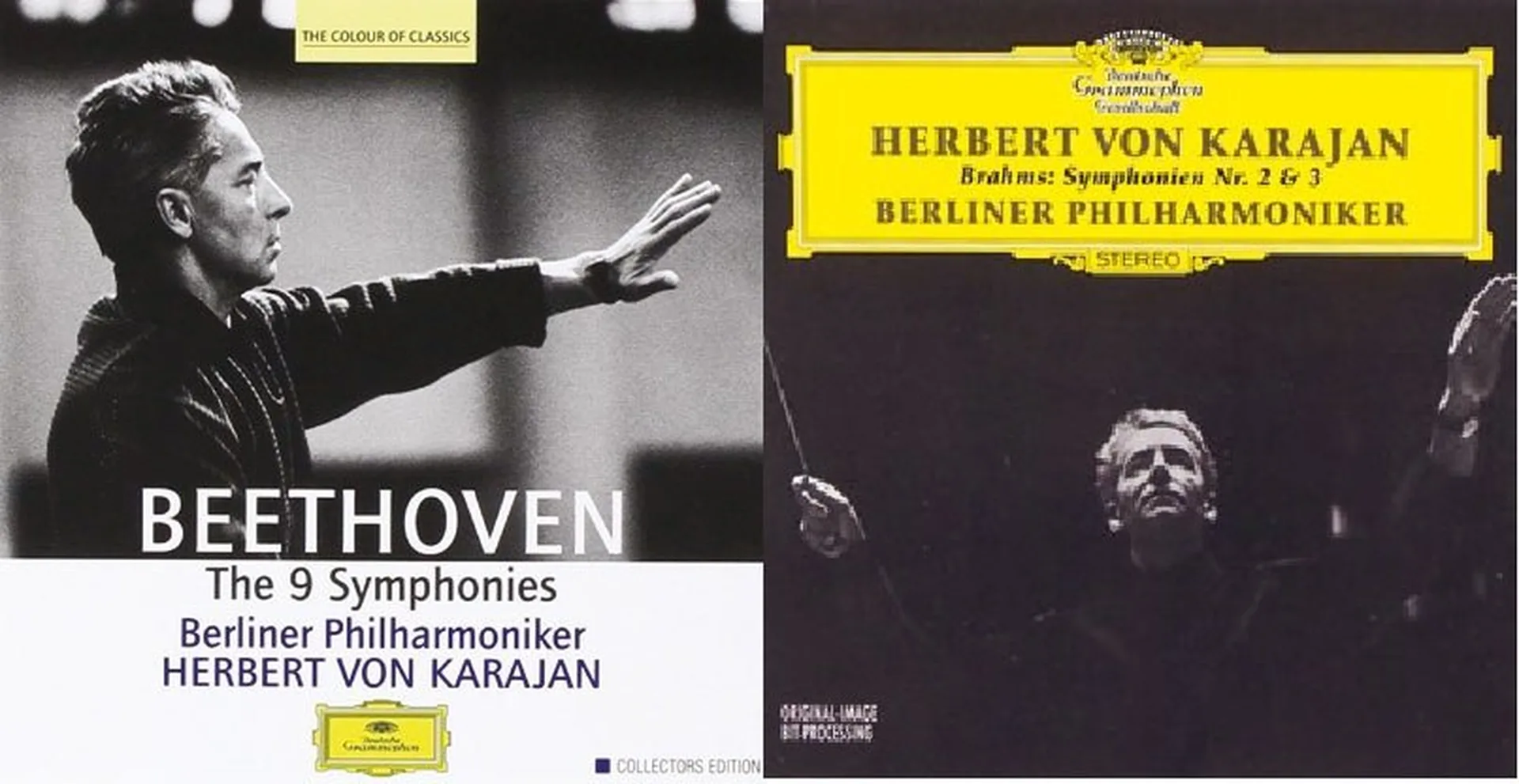
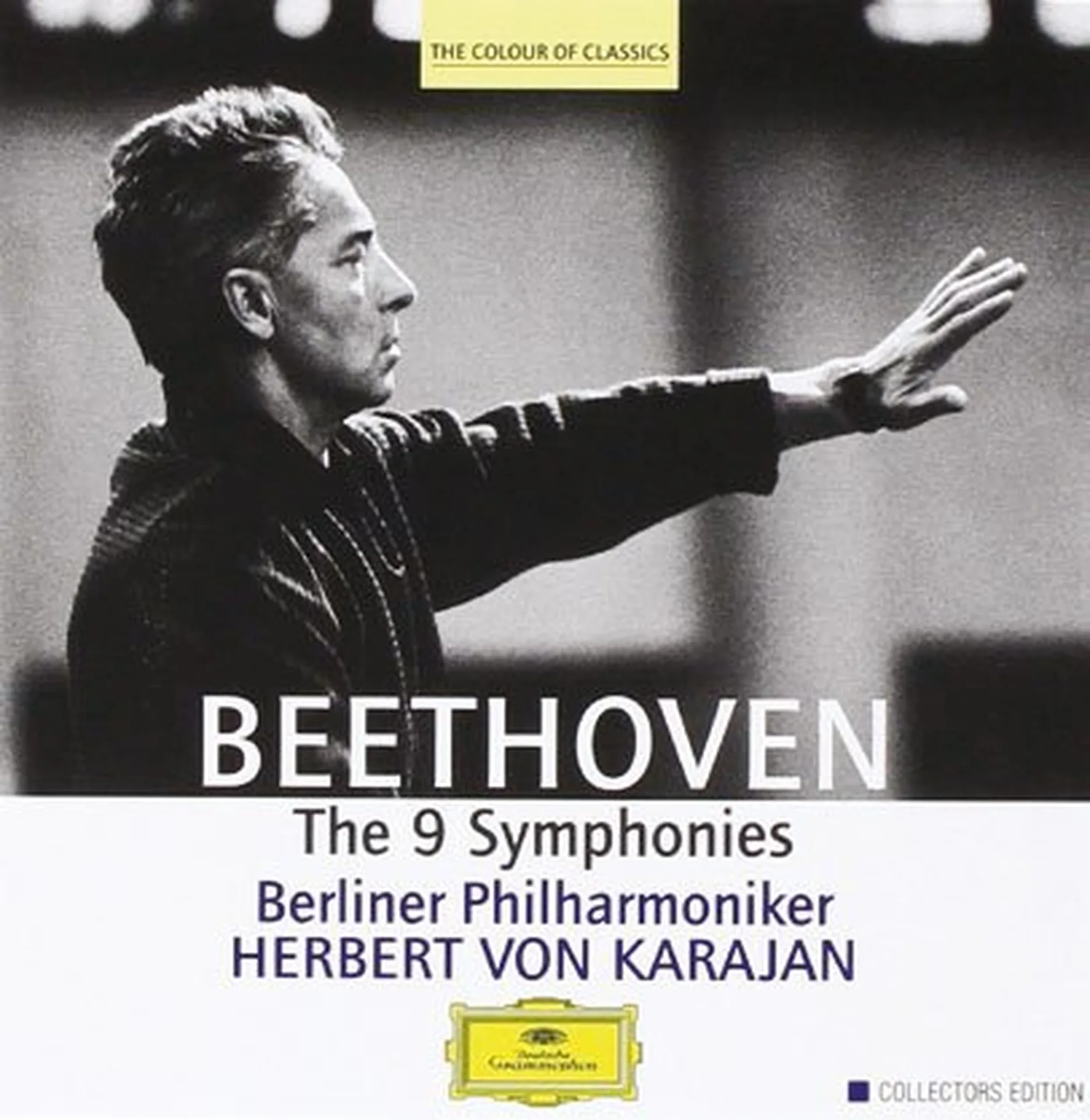
Herbert von Karajan, director between 1955 and 1989, had opened another phase in the history of the orchestra. The interpretations no longer had Furtwängler`s mystic state of trance and are headed towards the telluric, but Karajan also succeeded in creating a new sound, like a compact paste, an element that makes the orchestra recognizable even today. A marketing genius, Karajan realized that the disc market had become essential in the world of music so he recorded some hundreds of discs, he filmed tens of concerts, he went on the cover of several magazines and he talked about his collection of sweaters and his passion for airplanes.In 1963 he opened the new hall, built especially for him. In the musical world Karajan became a German symbol, and the Beethoven symphonies recorded in the `60s are a testimony of his telluric, virile and full of energy approach.
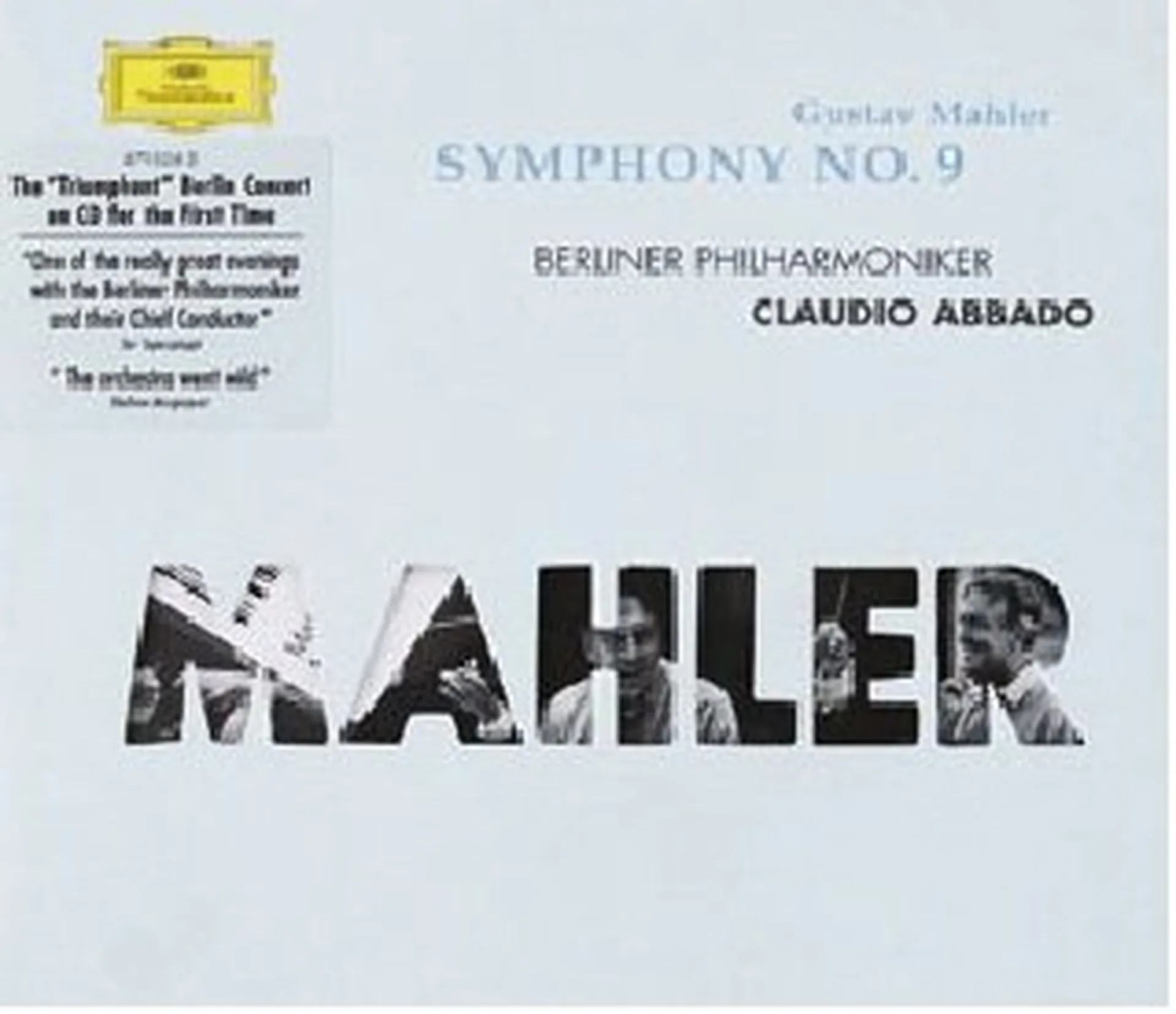
After the death of the conductor who had led the orchestra for more than three decades, Claudio Abbado was appointed and between 1989 and 2002 he changed some of the inheritance left by Karajan. His interest was to enlarge the orchestra`s repertoire and to head towards contemporary music by performing many concerts with experimental pieces. More relaxed than Karajan, Abbado invited many of his colleagues to conduct the orchestra. He acknowledged the quality of the sound that Karajan had created, but he attempted to transform it by providing more clarity. In 1990, the orchestra had their first tour in Israel, where they played together with the Israel Philharmonic. Towards his final years in Berlin, he committed more and more to Mahler`s symphonies, and these live recordings are some of the most inspiring in the composer`s entire discography.
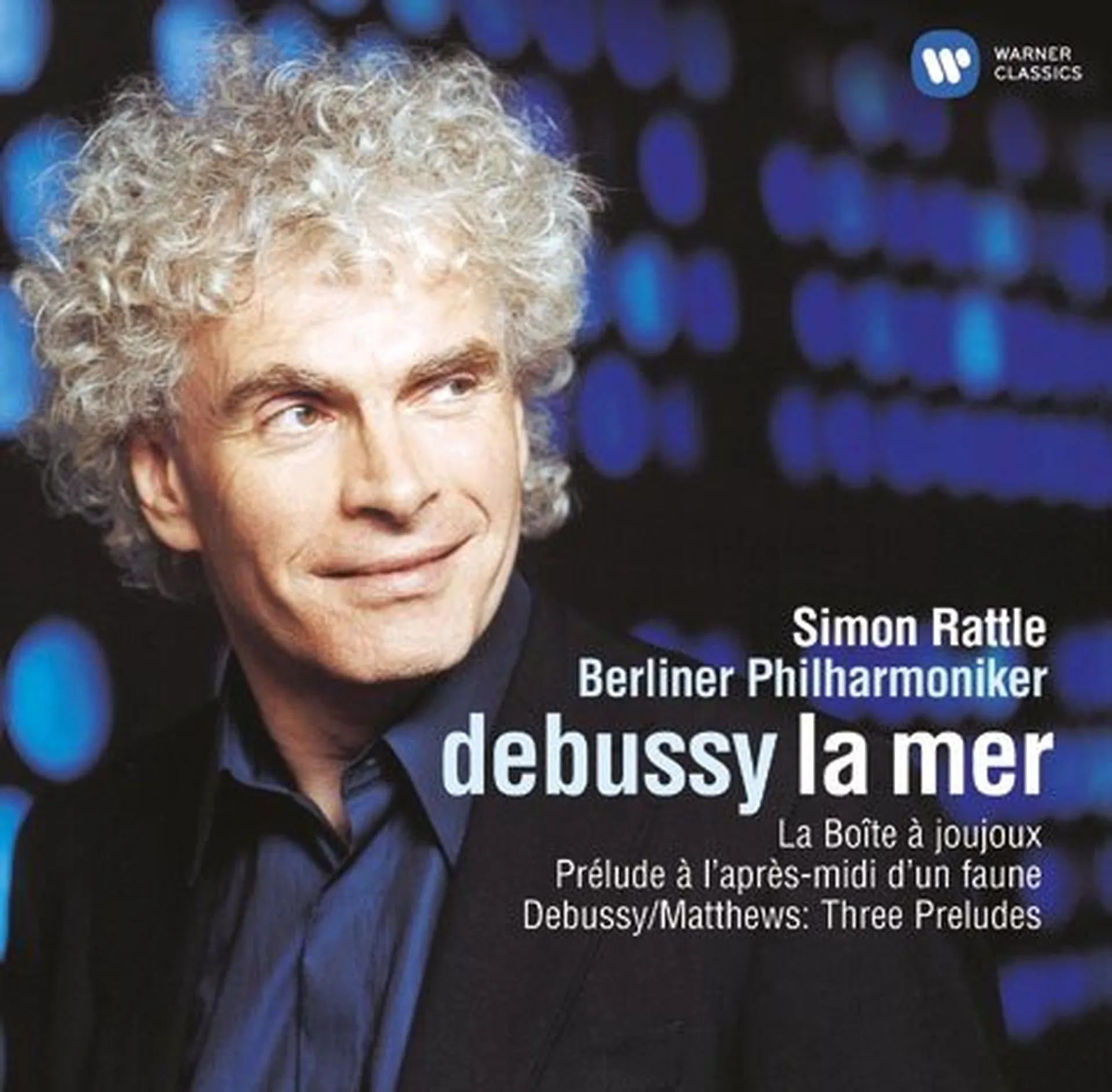
Sir Simon Rattle already had an appreciated career when he was appointed main conductor in Berlin. His reputation was created during the years of conducting the Birmingham Symphonic Orchestra, one of the most popular European ensembles. Like Abbado, he had tried to enlarge the repertoire with many contemporary pieces and, moreover, he succeeded in presenting several old music opuses by inviting at these events some famous conductors, such as Andrea Marcon. Under his management, the orchestra became a foundation where decisions were no longer taken by the politicians, but by the musicians of the ensemble. In 2008, the institution had set up its own label house and the Digital Concert Hall, making it possible to watch live the Philharmonic’s concerts live. In 2013 Sir Simon Rattle announced that he will stop conducting the Berlin Philharmonic after the season 2017-2018.