de Mihaela Balea
Telekom este, în momentul de față, cel mai mare grup de telecomunicaţii și obiectivul este menținerea și consolidarea acestei poziții. Dumneavoastră coordonați o afacere integrată pe o piață foarte competitivă și dinamică, în care produsele și serviciile își reduc permanent perioada lor de valabilitate (devin ușor perisabile). Cum arată o zi tipică de lucru pentru dumneavoastră și câte ore are ea?
Este adevărat, industria telecomunicațiilor este foarte dinamică și complexă. Asta înseamnă un ritm de lucru foarte rapid și nevoia de a lua decizii pe niveluri multiple.
Pentru mine, o zi obişnuită de lucru poate să însemne orice – de la întâlniri strategice și decizii importante de afaceri până la susținerea unui discurs la un eveniment al industriei de telecomunicaţii, participarea la o întâlnire cu angajații sau chiar vizite pe teren pentru a vedea cum se derulează implementarea noii tehnologii FTTH.
În ce privește orele de lucru, îmi este dificil să dau un răspuns precis. Cu siguranță, cantitatea de muncă este mare, dar îmi place ceea ce fac, deci pot spune că muncesc mereu și niciodată.
Se spune că a delega este secretul succesului în conducerea eficientă a unei afaceri. Sunteți de acord cu această afirmație? Dacă da, cât de des vă folosiți de acest instrument în munca dumneavoastră de zi cu zi?
Să delegi înseamnă să ai încredere. Așa că da, aș spune că este un ingredient cheie în conducerea unei afaceri, în general. Eu am o echipă de profesioniști excelenți în care am încredere că se ocupă cu profesionalism de toate aspectele afacerii.
Cu toate acestea, să delegi nu înseamnă doar să trimiţi mai departe un email. Atunci când este vorba de chestiuni complexe, să delegi implică și să oferi o direcție, să insufli simțul răspunderii și să-i inspiri pe cei cărora le delegi diverse sarcini. Aceasta face diferența între șefi și lideri.
Cariera dumneavoastră a început în sectorul bancar și a continuat în cel al telecomunicațiilor. Au aceste domenii puncte comune, având în vedere că telefonia a apărut la zeci de ani după primele instrumente financiare? Care sunt aceste puncte comune?
Atât sectorul bancar cât și cel al telecomunicațiilor oferă servicii mass-market (o masă mare de clienți – n.n.) care au trecut printr-un proces de democratizare – un serviciu care la început a fost exclusiv și care acum este disponibil tuturor.
De asemenea, în ambele sectoare, este foarte important să oferi clienților sentimentul de siguranță sau, mai bine spus, de securitate: al banilor și al confidențialității datelor. Din nou, este vorba despre încredere.
Un alt aspect comun şi extrem de important și în industria telecomunicațiilor și în cea bancară ține de stabilitatea serviciilor și de excelența în relația cu clienții. Avariile, greșelile nu sunt deloc tolerate și pot avea un impact major în activitatea de zi cu zi cotidiană – fie că vorbim despre activitatea lor profesională sau despre viața lor personală.
Dacă ar fi să vă reîntoarceți la vârsta de 18 ani, ați alege direct telecomunicațiile sau ați începe tot din sectorul bancar?
Dacă aș avea din nou 18 ani, probabil că aș face alegerea cea mai curajoasă, din care aș avea de învățat cel mai mult. Fiecare etapă a carierei mele a fost importantă și mi-a oferit lecții valoroase, atât în plan profesional, cât şi uman. Mai mult decât atât, schimbarea industriilor te ajută să devii mai flexibil și mai adaptabil. De asemenea, este important să petreci mulți ani în același domeniu pentru a-l putea înțelege în profunzime. Eu pot spune că le-am făcut pe ambele și sunt recunoscător pentru experiențele profesionale pe care le-am avut până în momentul de față.
Care este în opinia dumneavoastră rolul telecomunicațiilor în evoluția societății și a afacerilor? Cât timp va mai continua să influențeze mediul de afaceri? Este oare posibil ca peste 10-20 de ani să fim martorii, de exemplu, unor operațiuni bancare realizate fără intermediul ghișeului?
Spun acest lucru de fiecare dată când am ocazia: creșterea nu poate avea loc fără tehnologii IT&C și telecomunicații, fie că vorbim despre educație, sănătate, mediul de afaceri sau chiar de agricultură. Soluțiile IT&C de astăzi pot influența în mod semnificativ productivitatea și competitivitatea companiilor și a statelor, în același timp îmbunătățind calitatea vieții oamenilor.
Există în momentul de față un curent nou care câștigă teren cu repeziciune – The Internet of Things – (de la electrocasnice la dispozitive industriale) prin internet. Așa că da, aș spune că lumea, aşa cum o știm noi astăzi, va fi remodelată în mod semnificativ prin tehnologie, peste 10-20 de ani.
Există deja bănci care au filiale de tip self-service, în care toate operațiunile se fac prin internet banking sau cu ajutorul unor mașini multifuncționale. Cu siguranță, cred că avem nevoie de interacțiunea umană în anumite momente cheie ale acestui proces, măcar pentru supervizare și pentru realizarea de tranzacții speciale. Cred că acest lucru nu va dispărea cu totul.
Ați condus diviziile DT în mai multe țări, pe mai multe continente. Dacă ar fi să faceți un top 5 al țărilor în care ați lucrat, unde s-ar plasa România și de ce?
Este dificil să fac un top. Fiecare cultură este specială și fascinantă, nu pot să fac comparaţii.
Care este principala provocare pe care o vedeți în România, din perspectiva companiei pe care o conduceți?
Vă voi da un răspuns simplu și direct: venitul mediu per utilizator. În România acesta este mic, din cauza războiului agresiv al prețurilor. Pentru a investi aici, trebuie să realizăm multe evaluări și să dăm dovadă de mult curaj. În plus, avem de-a face și cu un mediu fiscal și legislativ imprevizibil, ceea ce ne îngreunează activitatea de planificare.
Care a fost primul lucru din România care v-a impresionat în mod pozitiv și care a fost prima impresie ca urmare a primului contact cu românii?
Îi admir pe români pentru multe lucruri. Sunt uimit de performanța de care românii sunt capabili atunci când lucrează în medii competitive. Aș spune că vi se potriveşte un sistem al meritocrației.
De asemenea, românii sunt flexibili, creativi și se adaptează ușor, mereu găsesc soluții viabile. De exemplu, am aflat că datorăm multe dintre invențiile importante unor români: avionul cu reacție (Henri Coandă), insulina (Nicolae Paulescu) sau chiar stiloul (Petrache Poenaru).
Aș spune și că românii sunt perseverenți și plini de resurse. Ei livrează rezultate de înaltă calitate, învață repede, dar ar trebui să aibă mai multă încredere în ei însiși.
Care sunt punctele forte ale României și cum ar trebui să le folosim pentru a ne îmbunătăți imaginea în străinătate?
Investitorii sunt foarte buni ambasadori pentru România în lume. Astfel, din punctul de vedere al unui investitor, eu aș sublinia excelentele resurse umane și oportunitățile de afaceri interesante, datorate poziției privilegiate din regiune și dimensiunii țării în termeni de populație. Totuși, țara are încă nevoie să dezvolte o infrastructură competitivă și un mediu fiscal și legislativ stabil.
După o carieră de aproape 30 de ani, credeți că leadership-ul este nativ sau se dobândește?
Ambele. Te naști cu un potențial, dar pentru a-l descoperi și a-l dezvolta, trebuie să ai multă perseverență, curaj să mergi pe drumurile mai puțin explorate și înțelepciune să înveți atât din greșeli cât și din reușite.
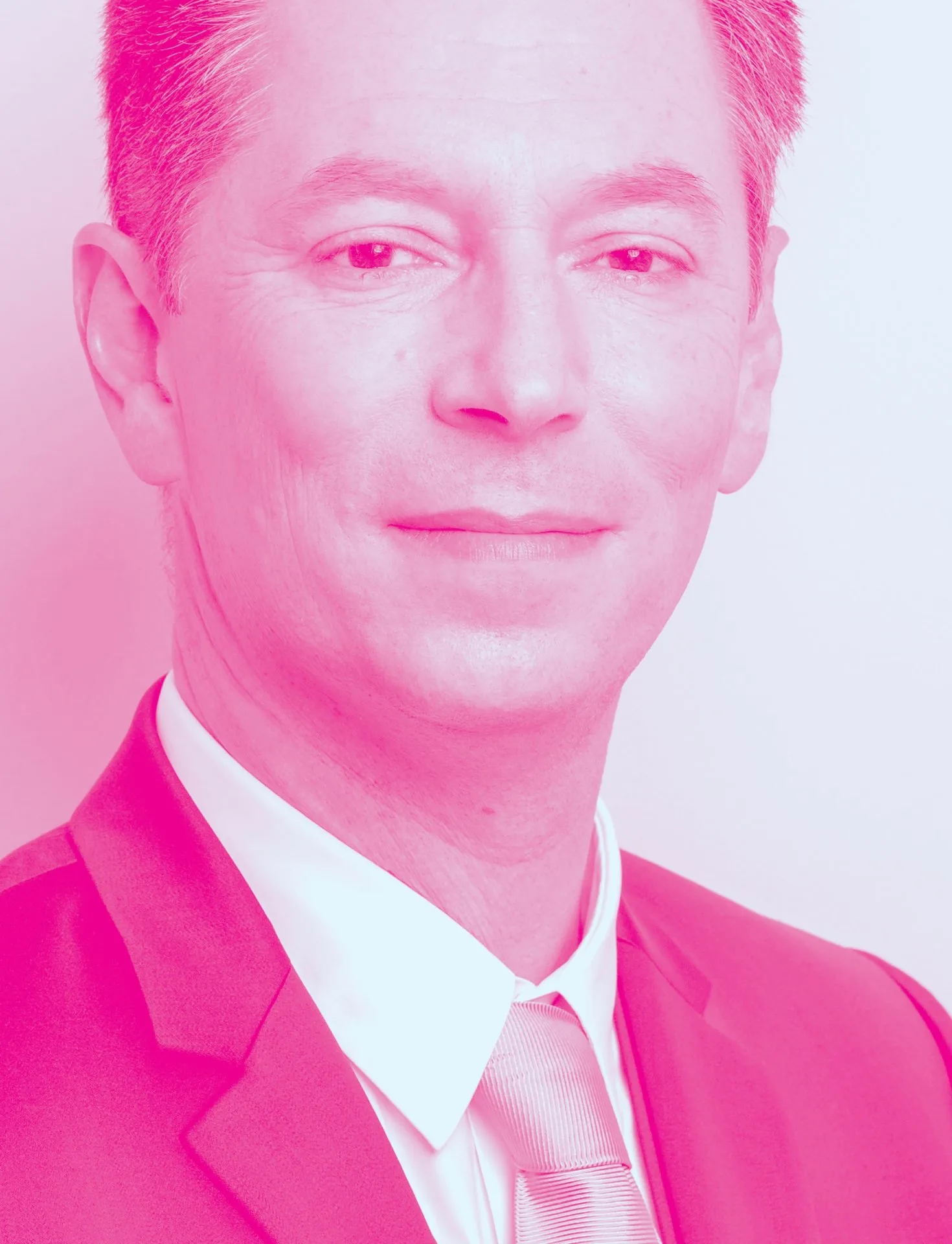
„Leadership înseamnă să inspiri oamenii din jurul tău, să-i faci să ți se alăture și să se străduiască în mod autentic pentru realizarea viziunii.”
Cum definiți dumneavoastră leadership-ul?
Leadership înseamnă înainte de toate să ai o viziune clară, să fii determinat să o tranformi în realitate și să poţi să explici această viziune şi celorlalți. Leadership înseamnă să inspiri oamenii din jurul tău, să-i faci să ți se alăture și să se străduiască în mod autentic pentru realizarea viziunii.
Cum vedeți dumneavoastră diferența dintre un șef și un lider?
Liderii luminează calea, în timp ce șefii indică direcția – stânga/dreapta. Un lider își ascultă oamenii, îi încurajează să contribuie și adaptează drumul pe parcurs, în timp ce şefii folosesc hărți și trasee predefinite pentru a ajunge din punctul A în punctul B. Nu în ultimul rând, liderii se bucură de călătorie în timp ce șefii sunt obsedați de control.
Numiți trei elemente ajutătoare pentru un observator din afară care să diferențieze între o companie condusă de un șef și una condusă de un lider!
Aș spune agilitatea acelei companii, capacitatea sa de inovație precum și performanțele sale în timpul perioadelor dificile, ceea ce-mi amintește de expresia: „O mare liniștită nu a dat niciodată un marinar iscusit“.
Din punctul dumneavoastră de vedere, cât de extinse sunt performanțele unei echipe conduse de un lider comparativ cu performanțele uneia conduse de un șef?
Cred că întrebarea este de fapt cum măsurăm performanța. Pe termen scurt sau lung? Un șef este interesat de câștiguri rapide, în timp ce un lider este interesat de soluții pe termen lung și rezultate durabile. Şeful are obiective punctuale; liderul are o viziune integrată.
Ce hobby-uri aveți pentru petrecerea timpului liber?
Îmi place să joc golf și tenis, iar în timpul iernii, să schiez. De asemenea, îmi place să citesc în timpul meu liber, în special cărți istorice.