by Mirela Meiță
Since 2017 you are one of the 282 Master Sommeliers in the world, a very desired, less known and exclusive title. What was your journey that led you to these heights and where does your interest in wine come from?
I grew up around wine – my grandparents owned several vineyards, and although they never commercialised their production, I spent many of my school holidays helping with grape picking and tending to the vines. Later, while travelling and working in hospitality, I was naturally drawn to wine. I saw learning about it as an opportunity not just to advance my career, but also to discover the world and travel further. Those early childhood memories of family winemaking proved invaluable when it came to understanding the technical aspects of wine. I was also fortunate to work with the right people along the way – mentors who helped shape my journey. One of the most important was Franck Moreau, one of the first Master Sommeliers in Australia.
How did your career evolve over time?
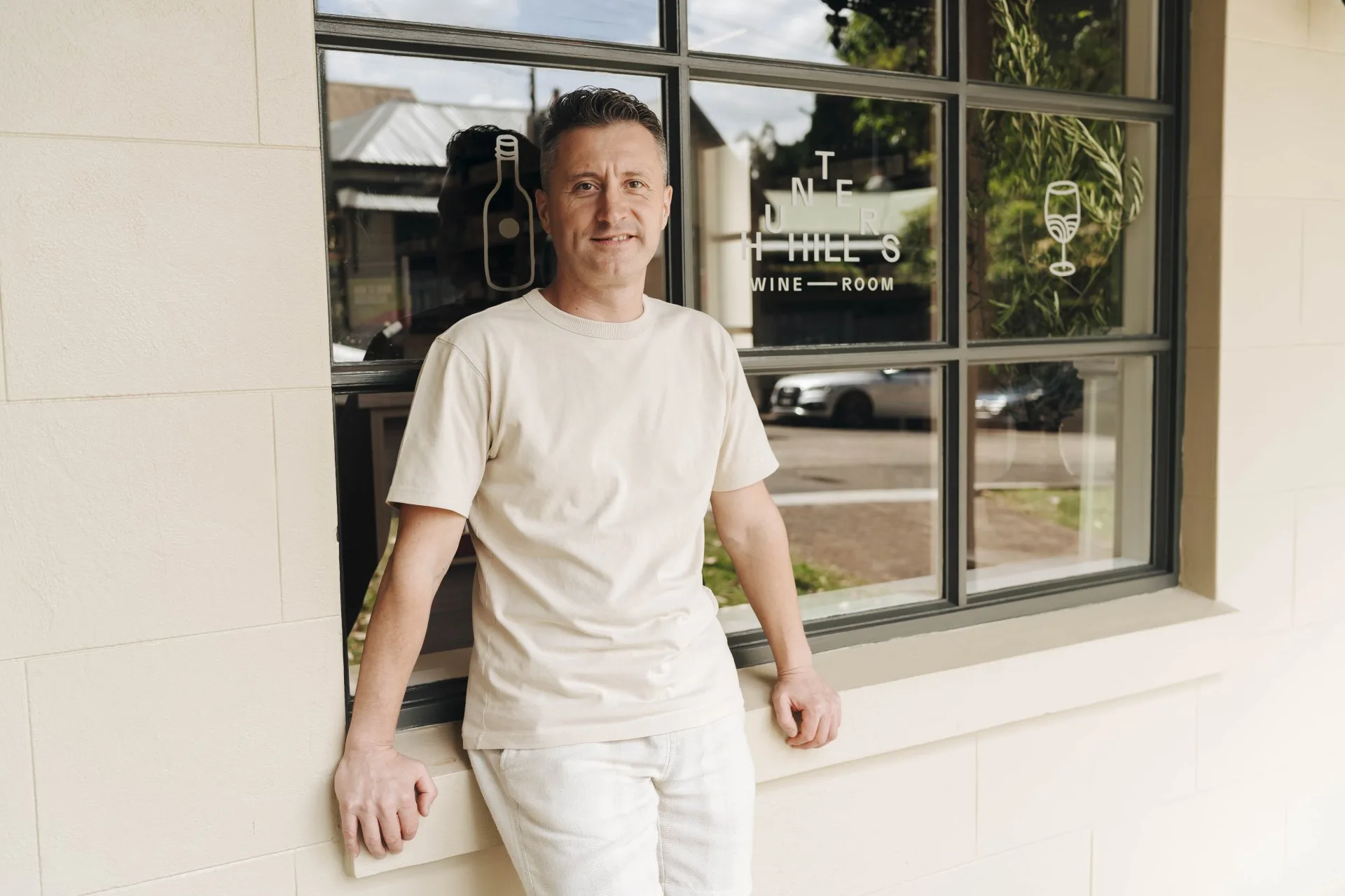
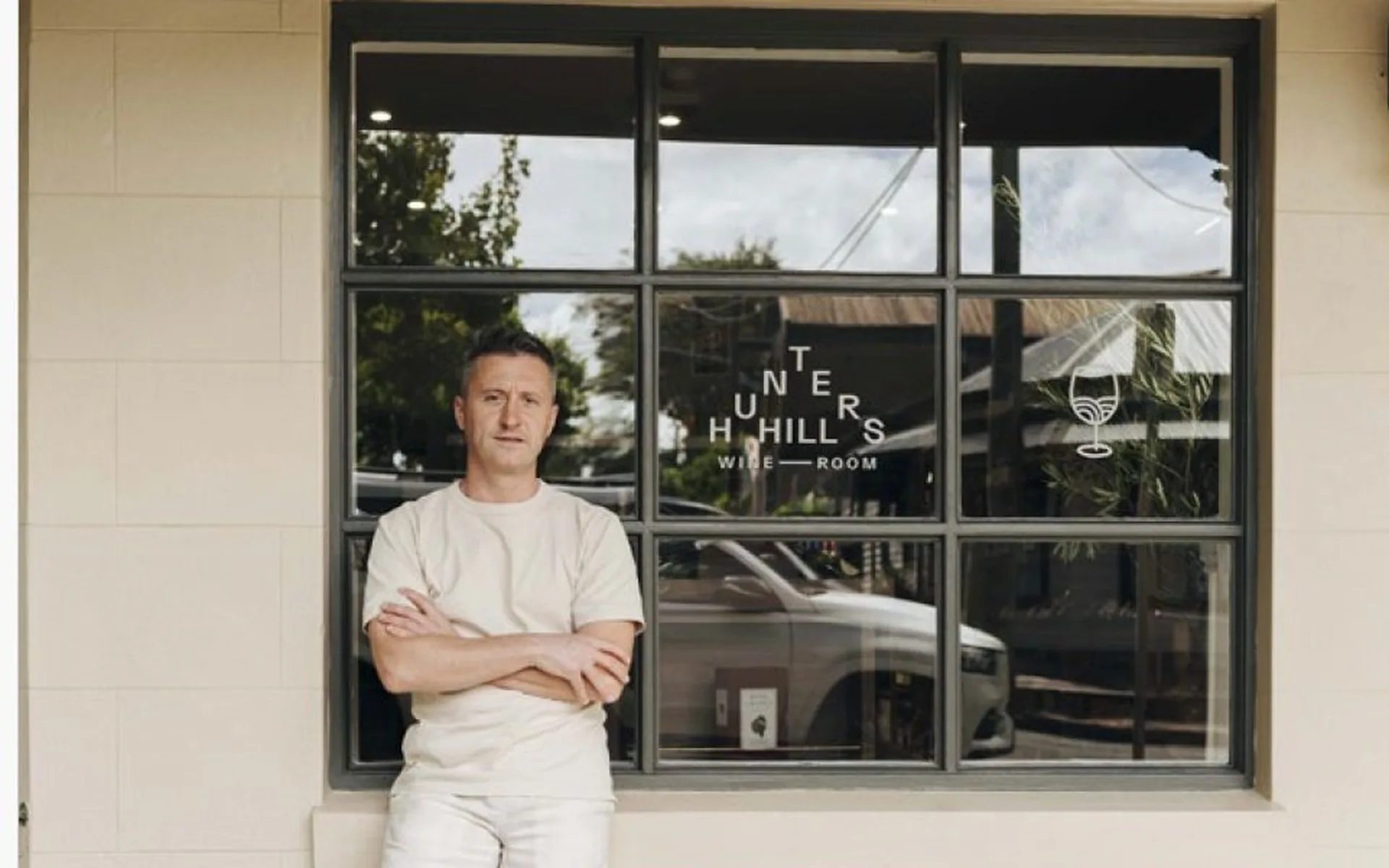
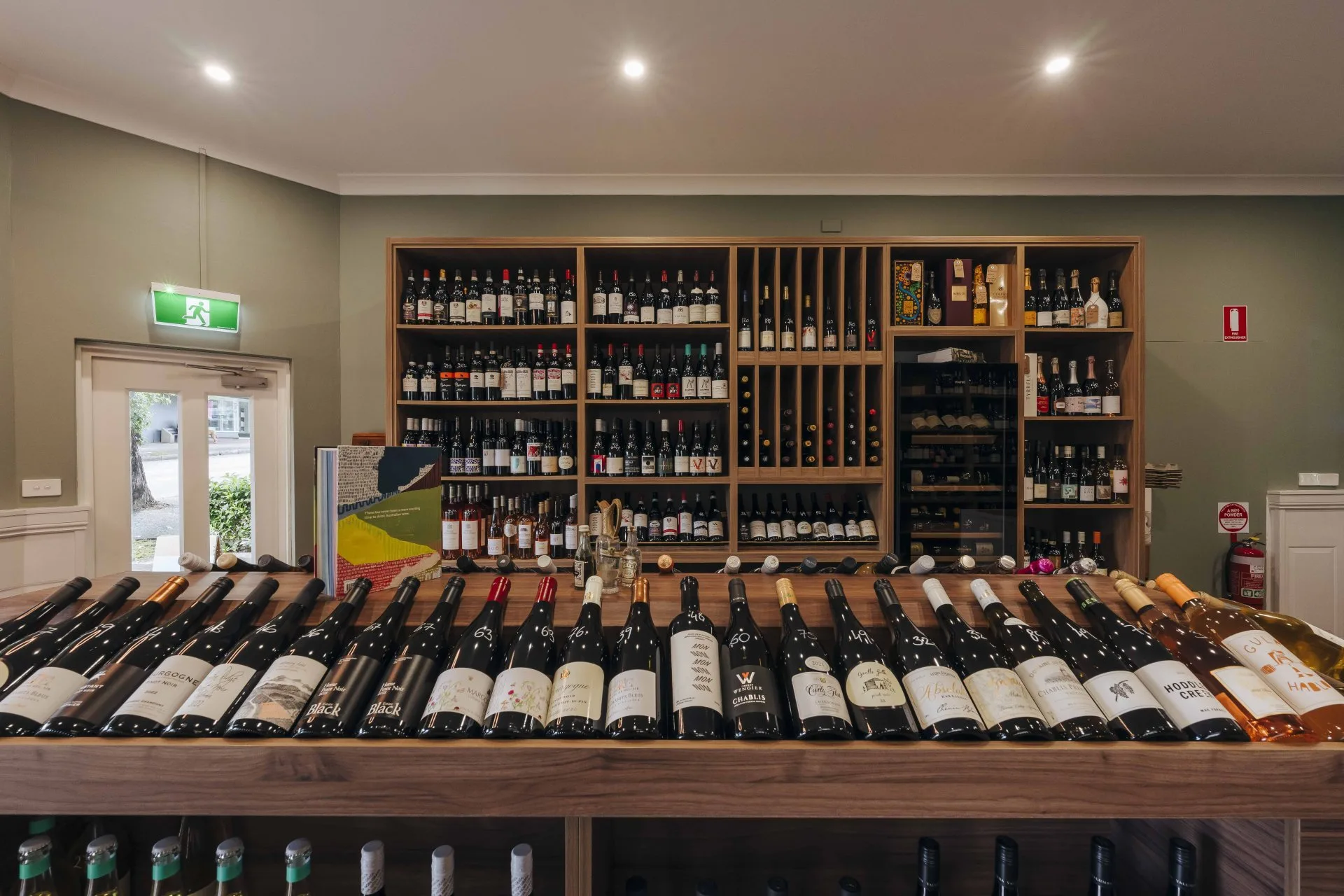
Since 2010, I’ve been living in Sydney, Australia. Most of my professional career here has been with the renowned hospitality group Merivale, where I held various roles, growing with the business from Sommelier to Group Sommelier – overseeing the wine programs across the business. In 2023, I embarked on a new journey and opened my own business: a small boutique wine store called Hunters Hill Wine Room.
When did it click that this was the profession for you? Was it an instance, or something that evolved over time?
I’ve spent most of my life working in hospitality, and I have a genuine passion for it. I find it incredibly rewarding to be around people and deliver moments of joy. My journey wasn’t exactly planned – it just unfolded naturally. I took advantage of the opportunities that came my way, and I think that’s how I ended up here.
What does the Master Sommelier mean and how do you acquire it?
I believe it’s one of the most respected qualifications for the sommelier profession worldwide. The Court of Master Sommeliers offers four levels of certification: Introductory, Certified, Advanced, and the Master Sommelier Diploma. The process demands a great deal of determination and self-motivation, as much of the study is self-directed and supported by mentorship. Working in an environment where you’re exposed to wine daily is essential. Equally important is having a strong support network – whether that’s a study group or a tasting group – usually made up of like-minded individuals going through the process at the same time.
Try to taste outside of your comfort zone. Educating your palate means being open to a wide range of wines – whether you enjoy them or not. Exposure is key.
What are the challenges presented to a Master Sommelier? What about the rewards?
The challenges are many – the journey to becoming a Master Sommelier demands significant sacrifices, particularly in one’s personal life. That’s why having a supportive partner is so important. Even after achieving the title, the learning never stops. In fact, holding the title can be even more challenging, as people look up to you with high expectations. I believe that continuous learning is essential – the wine world is dynamic and constantly evolving, with new regions, producers, and trends emerging all the time. As I mentioned earlier, you can’t do this alone. The people around you play a huge role in your success, and for me, the greatest reward has been the friendships I’ve formed along the way – many of which will last a lifetime. At this level, the industry is relatively small, and it’s incredibly rewarding to be well-connected within such a passionate and dedicated global community.
What are some useful and not so useful trends in the industry?
Right now, almost every piece of information is available online, and I believe that’s a great thing! Consumers have never been more educated, which in turn drives higher expectations from sommeliers and wine retailers. What I’m not too fond of, however, are wine scores. I see them as just another person’s opinion, and I rarely make buying decisions based solely on scores.
How should we choose a wine?
Firstly, you need to know what flavours you enjoy.
Secondly, consider the occasion, time of day, company, and food. Having the right wine at the right time and place is sometimes more important than simply having the best wine. When asking for wine advice, being able to articulate the flavours you like is really useful. Don’t be intimidated by the language – use simple terms. The wine professional you’re talking to should understand and be able to interpret your palate.
Is the price relevant? Is there a lower limit below which a wine becomes questionable? Are there qualitative cheap wines and expensive ones where the price is unjustified?
Of course. I think market knowledge is important depending on where you are located. Some regions have earned their prestige and reputation, so you’ll often pay a premium for their wines, while others are still flying under the radar. For example, think of Champagne versus other traditional method sparkling wines. A good Crémant-style sparkling wine from a small grower in the Loire or Alsace can often deliver twice the quality and enjoyment compared to some big-brand Champagnes.
What do you think about Eastern European wines?
Some better than others, but overall I believe this part of the world has huge potential – some of it still unrealised. Take the wines of Georgia, for example: they’ve experienced remarkable success in recent years by creating a strong national identity around their wines. I think the future lies in nurturing native, authentic grape varieties and producing wines without adulteration – true expressions of place and tradition.
For those interested in educating their palette, what do you recommend?
Try to taste outside of your comfort zone. Educating your palate means being open to a wide range of wines – whether you enjoy them or not. Exposure is key. Casual reading is also incredibly helpful; these days, most information is at our fingertips. Take a global approach when learning about wine – it’s easy to get stuck in what we already know, but the real growth happens when you explore beyond the familiar.
What wine do you choose for a family or friendly gathering?
I’m usually very easygoing and like to put my guests first. But if I had to choose, I’d always go with Champagne – a glass of Champagne just makes everything better.
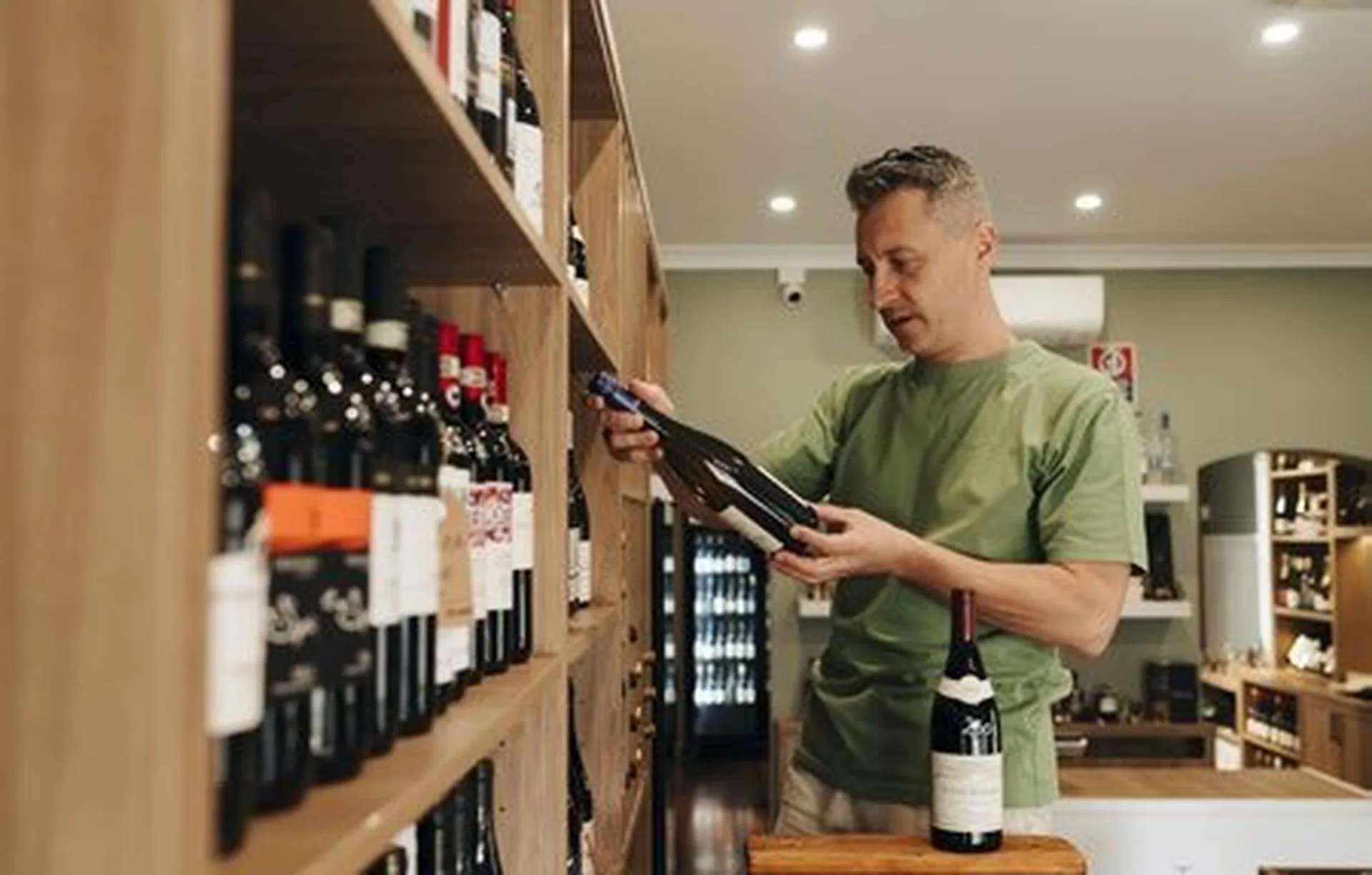
Consider the occasion, time of day, company, and food. Having the right wine at the right time and place is sometimes more important than simply having the best wine.
Which wines do you find to be exceptional?
I believe a wine is truly exceptional when it ages gracefully. That might be a broad answer, but many of the world’s most remarkable wines are those that have stood the test of time. Personally, I’m a fan of Burgundy and try to collect as much as I can afford. I believe it’s worth the investment and will ultimately reward the patience.
What do you enjoy doing in your free time?
I have a young family with three boys, and most of my spare time revolves around spending time with them – whether it’s playing sports, going fishing, or heading out on little adventures. It brings me a lot of joy.