by Ciprian Plăiașu
During his lifetime, Nobel – the man who is famous for discovering dynamite - has licensed approximately as many inventions as there are days in a year. At one point, the press used to call him “the merchant of death”, due to his invention. He was never married and his family faced bankruptcy more than once.
The year 1833 was equally one of the hardest and most blessed times for the Nobel family – that was the year when Immanuel and Andrietta Ahlsell, the parents of the famous inventor, faced bankruptcy for the first time; but it was also the year when their third son son was born on the 21st of October - the one who would later become a great inventor and visionary. His father, a reputed scientist and inventor, was descendant of the famous Swedish scholar Olof Rudbeck, and his mother Andrietta Ahlsell came from a wealthy family.
Bankruptcy and a re-invented career – the two constant elements of the Nobel family
Bankruptcy came upon the family a few years later in 1837. In this context, Immanuel moved briefly to Finland and then Russia, to start a new career. Andrietta remained in Stockholm and, in order to support the family, she opened a grocery store. Meanwhile, the father started a company in Sankt Petersburg, Russia, providing military equipment to the Russian army. Likewise, during the Crimean war (1854-1856) he convinced the Russian generals about the utility of placing underwater mines to hinder the access of the British ships.
Alfred had inherited the appetite for science and research. The new start of his father’s career in the capital of the Russian Empire, allowed him to bring his family to Sankt Petersburg, in 1842. There, his sons received a high education. For example, at the age of 17 the young Alfred spoke fluently Swedish, Russian, French, English and German. He was also attracted to exact sciences such as physics or chemistry.
After turning 18, Alfred Nobel left to the United States, where he stayed for 4 years and took his studies further under the guidance of Professor John Ericsson, the one who had conceived and designed the armored ship USS Ironclad. His ship became famous during the American Civil War.
Bankruptcy continued to be an ill-fated constant in the Nobel family business. Things in Russia ended badly and after the Crimean War, the family came back to Sweden. During his study journeys, Alfred had met the young Italian chemist Ascanio Sobrero, the inventor of nitroglycerine and became more and more interested in researches on explosives. He understood that explosives were needed in various areas of the newly industrial era, but the unstable nitroglycerine caused more damages than benefits.
The explosives business – tragedies and success
Alfred experimented and combined new formulas of nitroglycerine, trying to create a more stable type of explosive. During the experiments he conducted in 1846, a terrible explosion happened at his factory in Heleneborg, Stockholm. The event caused the death of five people, including his youngest brother, Emil. The local authorities, frightened by what had happened, forbid Afred Nobel to operate on the city premises. Therefore, he had to set up a laboratory near Lake Malaren - an isolated area, with no human settlements.
In 1867, after trying several combinations of nitroglycerine with various treatment agents, he got lucky and found the winner – diatomite (a siliceous sedimentary rock) mixed with nitroglycerine and transformed into a paste that solidifies. The new substance had the same explosive strength as nitroglycerine, but was much more stable and resistant to mechanical shocks, thus facilitating its safe transportation and handling. Alfred Nobel named it dynamite, a word coming from the Greek dynamis (strength, force). To be able to trigger the explosion, Alfred licensed another invention – a detonator based on firing a slow match.
Not for a moment did Alfred Nobel think that the explosives he invented, such as the dynamite or the gelignite (an explosive much stronger than dynamite produced from nitroglycerine, potassium nitrate and sawdust and with the property of being unalterable in water, less sensitive to shocks and easy to handle) shall have mainly a military purpose. The famous inventor wanted to ease labor and reduce costs - including the loss of human lives – in the mining and construction industry. In fact, the discoveries of those times, such as the diamond drill or the pneumatic hammer facilitated the use of the explosives Nobel produced. Despite the fact that everyone associated Alfred Nobel’s financial success with dynamite, it is gelignite that placed him among the top wealthiest people of all times.
Alfred opened factories and laboratories in almost 20 countries and when he was not traveling he would work intensively in his labs. Yet, money did not diminish his curiosity and efficiency. He contributed to the invention of artificial tires, artificial leather and artificial silk. He was also involved in the making of the ballista – a chemical compound used nowadays to produce combustible dusts to launch missiles.
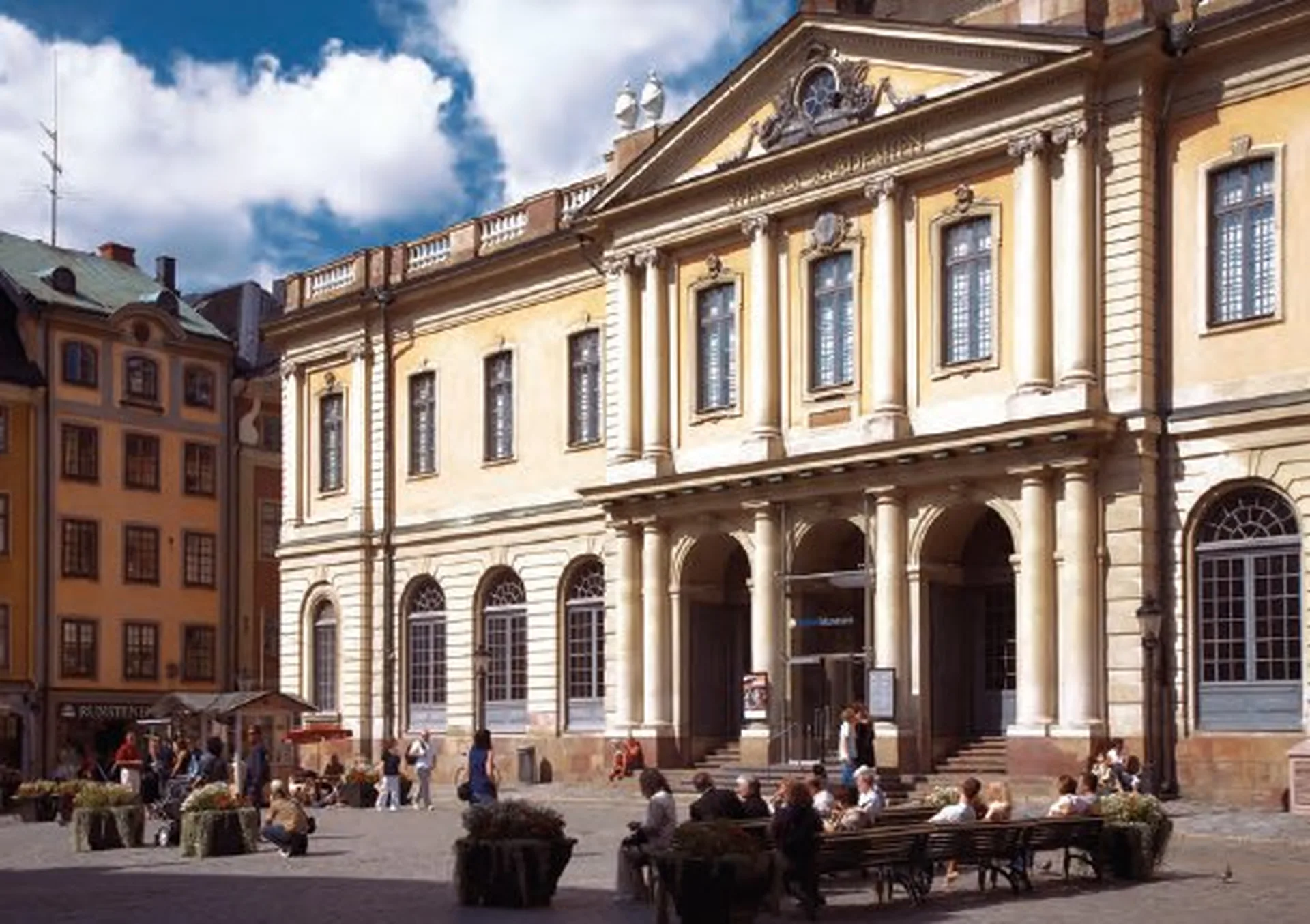
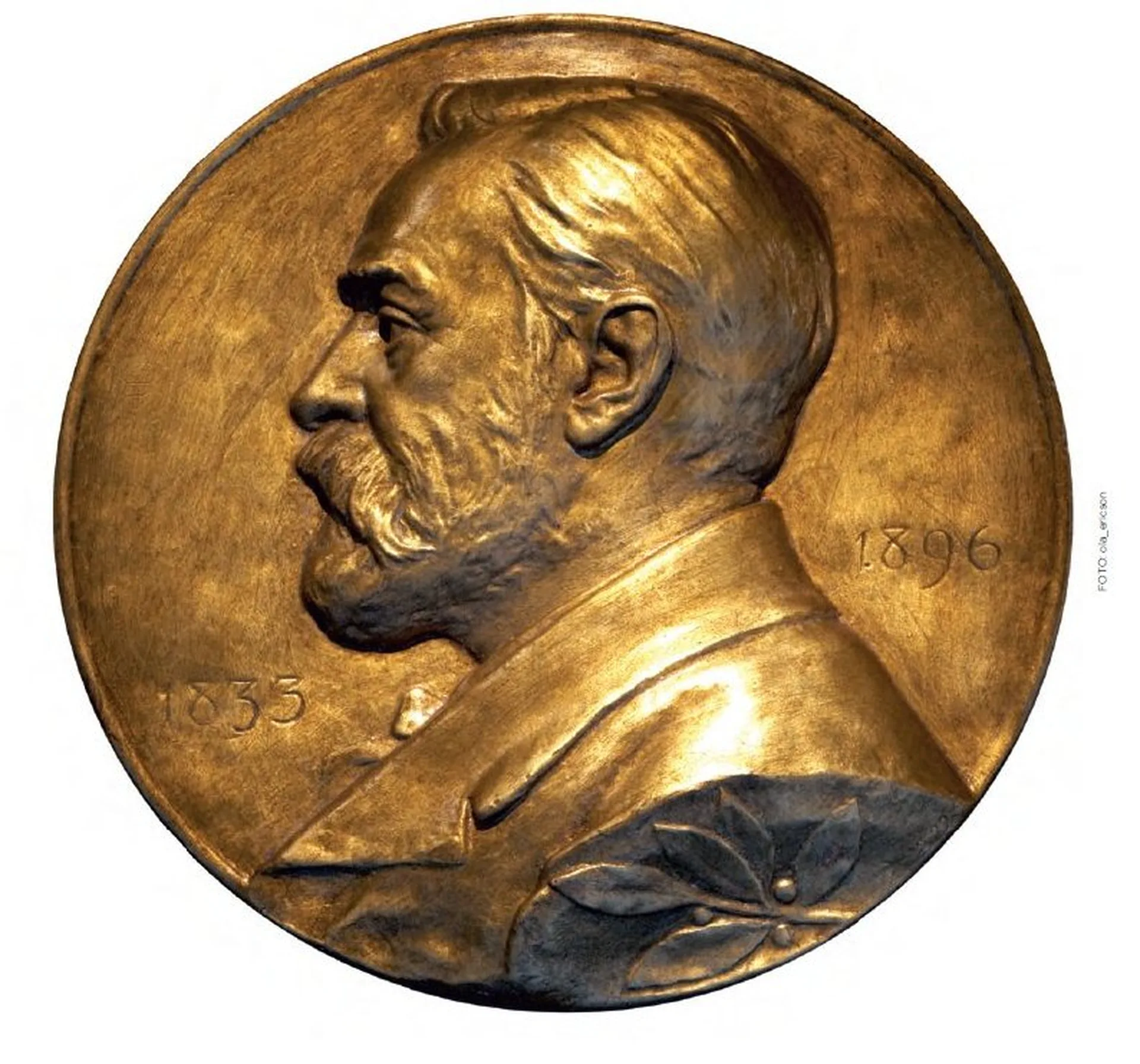
FOTO: ola_ericson
Although he was never married and always focused on his work, Alfred Nobel had at least three great love stories in his lifetime. The first was while he was a young man in Russia. His biographers say that he proposed marriage to young lady and she declined. Later on, Alfred Nobel was in love with Bertha Kinsky, an Austrian Countess. After a short relationship they broke up but remained good friends. This fact is proved by the letters they exchanged until the great scholar died. It is believed that Bertha had a major influence on the peace award idea. His last and longest relationship was with a flower merchant from Wien, Sofie Hess, whom he called at some point Mrs. Nobel.
How did the Nobel Prize appear?
Towards the end of his lifetime Alfred was a very rich man; but, the public opinion was mostly disapproving of him because people considered the explosives he invented were mainly used in the military industry and not in the civil areas of life and work. Yet, few people were courageous enough to freely express this fact. But, in 1888, Alfred`s brother Ludvig died. A French newspaper made a major confusion between the two brothers and published by mistake a necrology that stated the death of Alfred Nobel and condemned him for his inventions. The title was “The Merchant of Death is dead - Dr. Alfred Nobel who became rich by discovering unprecedented means of killing humans, has died yesterday” and this made the great inventor see things in perspective. It was probably this mixture of circumstances that lead to the decision to publicly announce on the 27th of November 1895 at the Swedish-Norwegian Club in Paris the set up of an awarding system with his name on it. Also, he decided that his entire fortune would be converted into a cash fund that would reward each year the greatest achievements in the fields of science and the efforts made by a person – regardless of religion, nationality, race or gender – to bring peace on the planet. Later on, the prize was divided into several areas of interest, such as literature, physics, chemistry and medicine.
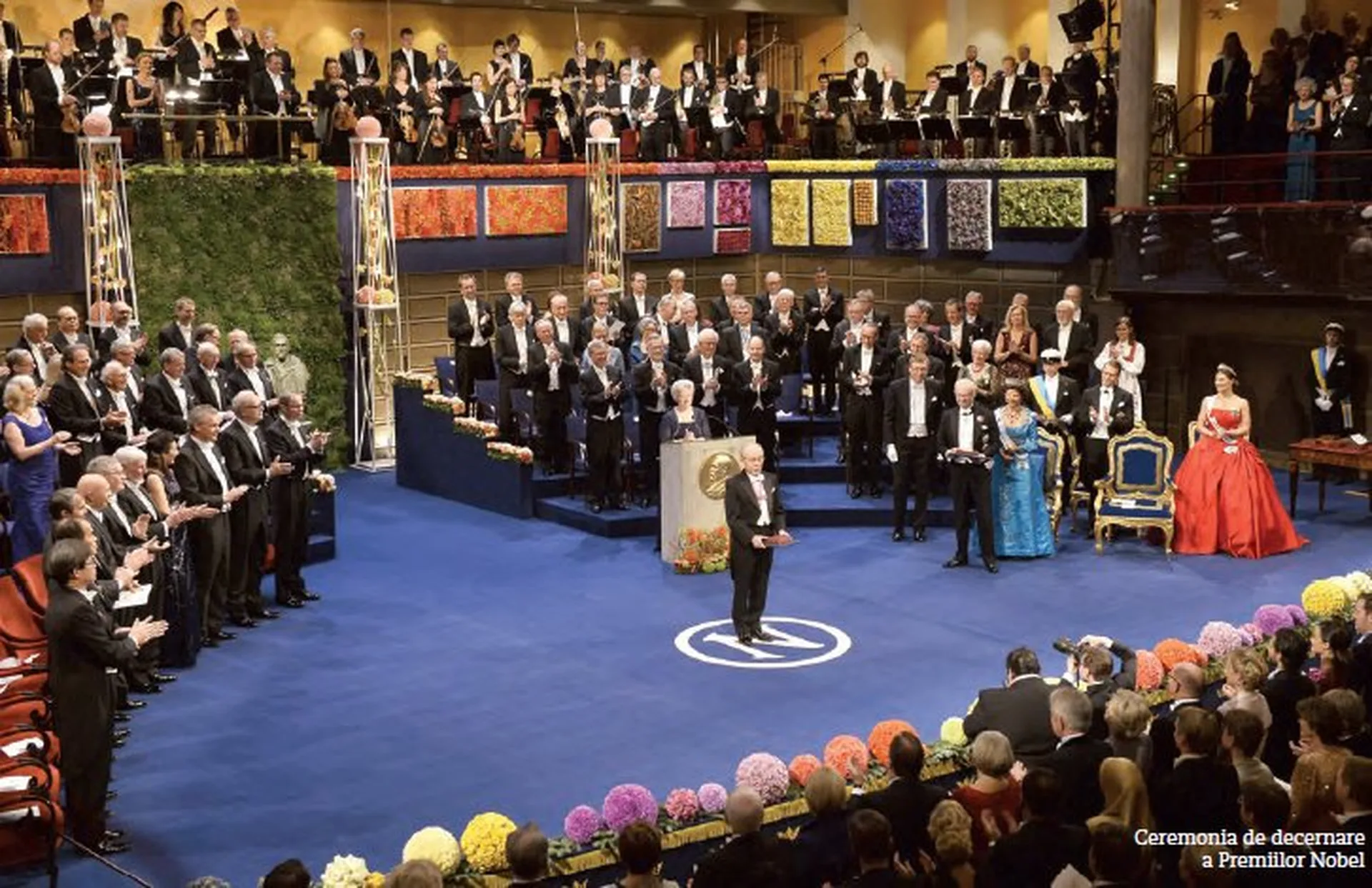
FOTO: www.japantimes.co.jp
The great scientist died the following year, in 1896 due to a brain hemorrhage, while he was on a trip to Italy. His fortune was estimated to 31.225.000 Swedish crowns, which means approximately 250 million dollars, current worth. Starting with 1901 the prize has been awarded ever since and it consists of a medal, a diploma and a cash reward of 900,000 Euros.