by Marius Pangrate
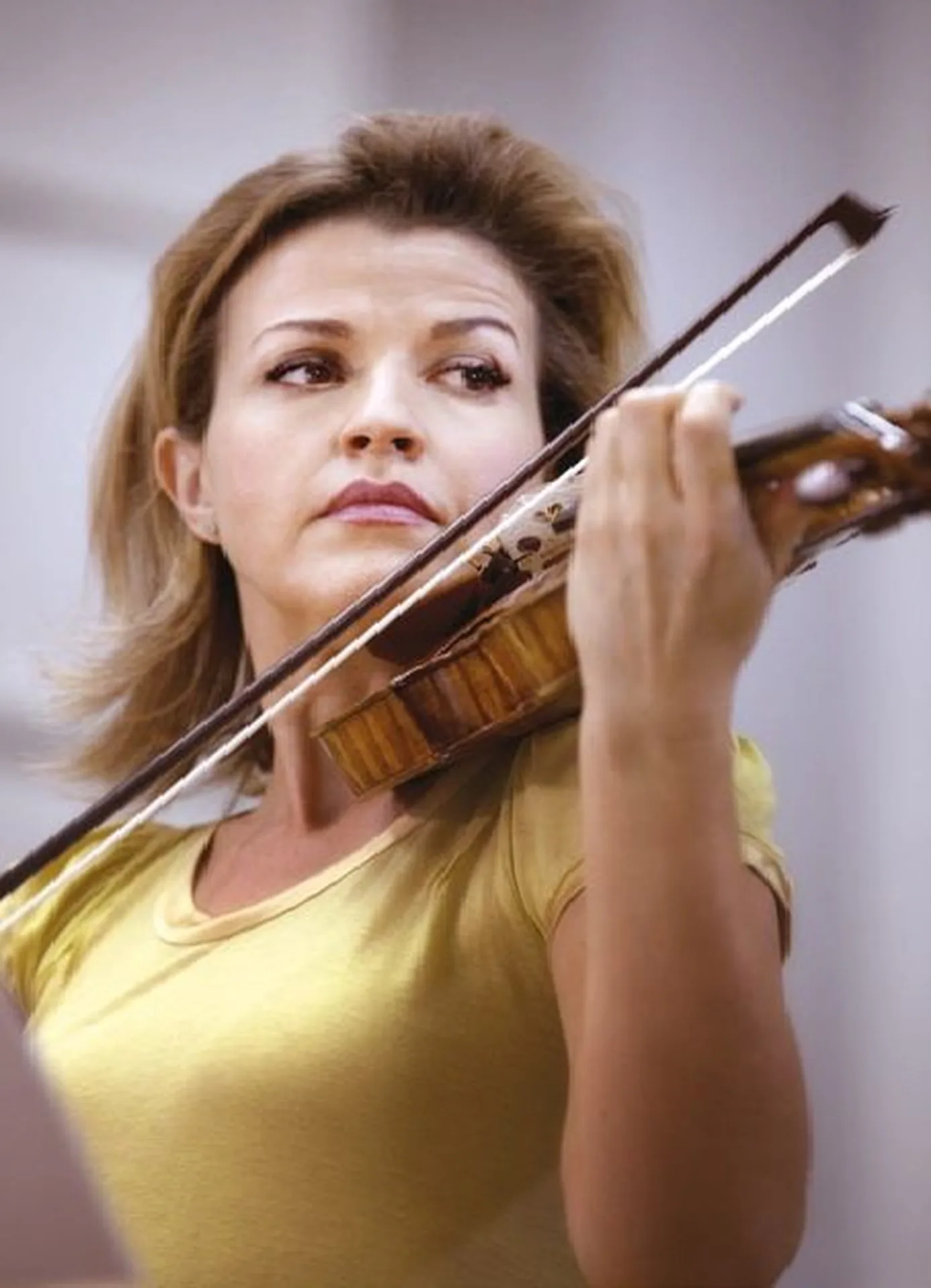
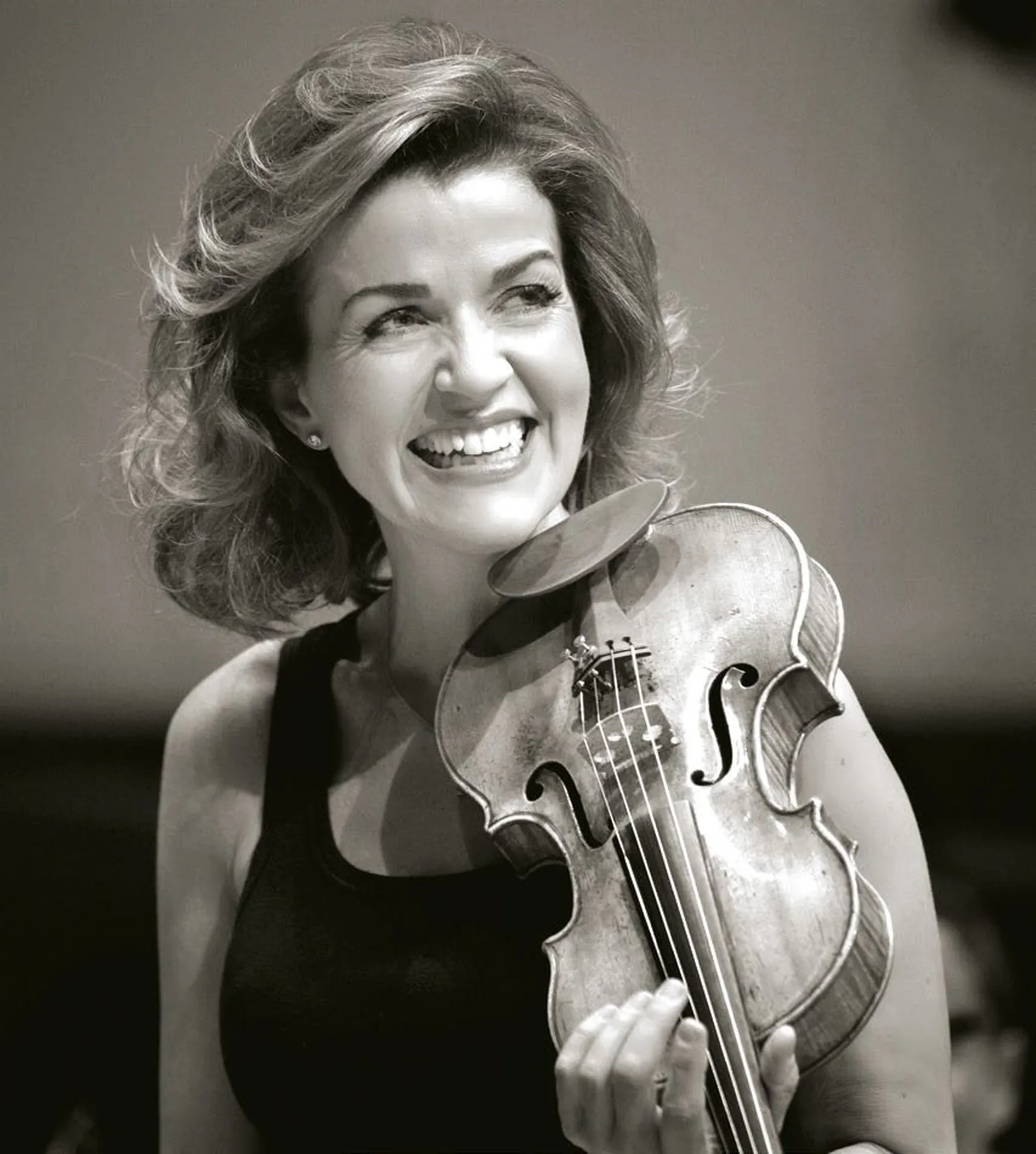
According to a 1990 interview, it seems that the career of violinist Anne-Sophie Mutter did not let anything happen by chance. She stated: „It was always very clear to me where I wanted to go and who would be able to help me achieve this aim. Maybe my instincts led me to the most appropriate path“. The violin player was born in 1963 and began studying the violin at the age of five and a half. At 11, she became the student of the famous professor Aida Stucki, in Winterthur. The event that would mark her entire musical path was, in 1976, the meeting Herbert von Karajan, who invited her to play at the Berlin Philharmonic. He said that Anne-Sophie Mutter was “the youngest musical talent since Yehudi Menuhin”. The discs they recorded together, between 1978 and 1988, for Deutsche Grammophon, contain concert works from the classic and romantic repertoire: Mozart, Beethoven, Brahms, Mendelssohn, Bruch and Ceaikovski. Starting with 1989 she formed a duet with pianist Lambert Orkis. Together they recorded sonatas for violin and piano by Mozart, Beethoven and Brahms, but also pieces by Crumb or Respighi. She is currently preparing the complete series of Beethoven`s quartets for a concert in 2020.
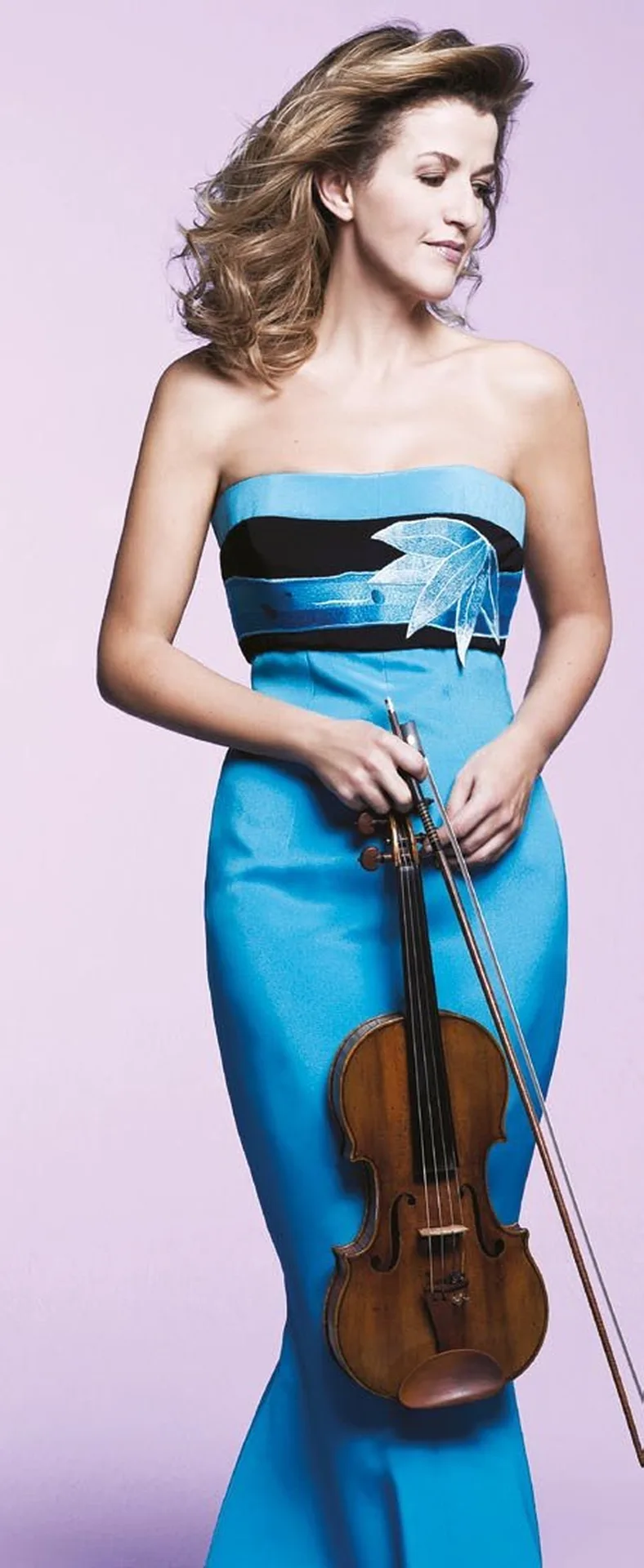
She has two Stradivarius violins – Emiliani 1703 and Lord Dunn-Raven 1703 –, but she only plays with Lord Dunn-Raven, that she fell in love with in 1984. For Anne-Sophie Mutter, the sound is essential. She said that sound is like a sculpture and it is essential to approach a piece of work intuitively, specifying that this must be doubled afterwards by conscious work. „The text must be followed. The problem is that the text is only a part of what the composer had in mind; it is only a piece of what he heard inside. Translating his thoughts into notes, and then reproducing the score into music, loses much information along the way. That is why the intuition and the imagination of the musician are crucial. Imagination helps you find what was lost during the transfer. You must respect the text, buy you must also give your all when coming close to a score“ (Diapason). First, she reads the score, then she plays it at the piano, in order to have a general view on the work, and afterwards she sets up the digits arrangement, but she needs time to feel the piece, to establish a certain phrasing. Besides the masculine attack and her tone that is always sober and complex, Anne-Sophie Mutter uses a great deal of portamento, very fashionable a century ago, but she tries to bring it back to life, combining it with the rare science of the vibrato. It may be a bizarre thing, but it is her own landmark. For her, the violinist heroes are Heifetz, Oistrakh, Milstein, but she loves listening to piano recordings (“the sexiest instrument there is”) of Dinu Lipatti or Clara Haskil.
Anne-Sophie Mutter is in love with modern painting, she plays a lot of contemporary music, creating many works written for her by Lutosławski, Penderecki, Previn, Dutilleux, Rihm or Gubaidulina. Thanks to the fact that she played a lot of contemporary music, acknowledges that widened her spirit, her colour palette and her manner of playing Mozart or Beethoven has gained a lot. The Deutsche Grammophon record label has published in 2011 a package containing most of Anne-Sophie Mutter`s recordings, as a celebration of her thirty five years career.