The owners of such collections remind us that history is not only inscribed in artifacts attributed to world leaders; it is also found in things that seem ordinary, but which bring back to life the untold stories of long-gone generations: a 12th-century Chinese iron used to iron heavy silk kimonos, a late 19th-century camera in front of which
countless families smiled, excited by the festive moment of going to the pho-to studio, or a corkscrew that transformed the gesture of opening a bottle of wine into a ritual. These small symbols of history remain alive in the world’s memory through the interest and curiosity of collectors, and the Romanian Records Museum contributes to preserving history.
Phone collection
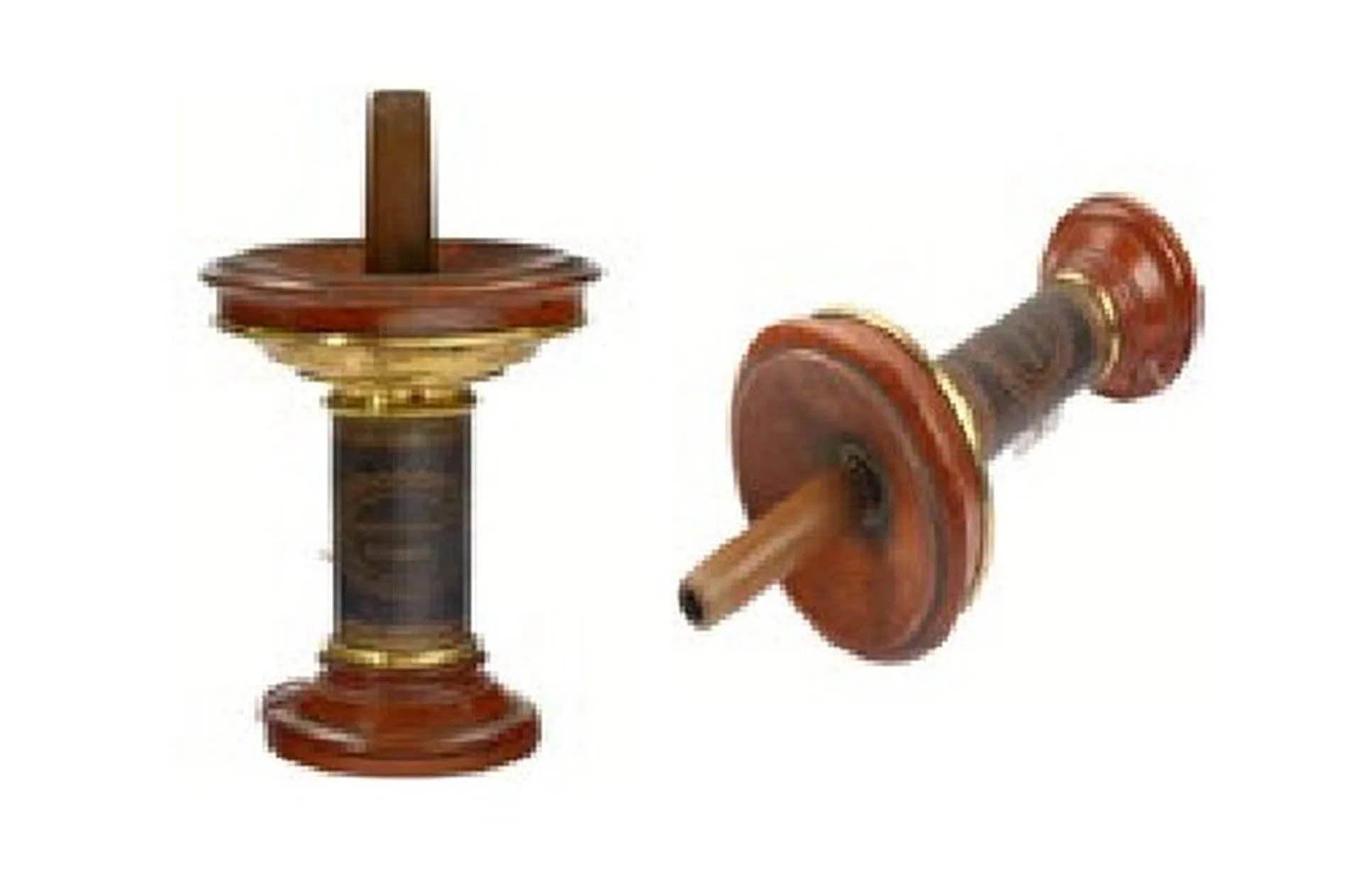
Includes over 500 pieces, many of them extremely rare. One of them, the Butterstamp telephone with whistle, is among the first telephone models produced. It is made of wood and brass, with a leather-covered handle and was produced in 1878 in Stockholm by the L.M.Ericsson company, founded by the Swedish inventor Lars Magnus Ericsson. The shape of this telephone suggests that the transmitter and receiver were combined in the same unit and, therefore, it was used for both listening and talking.
Camera Collection
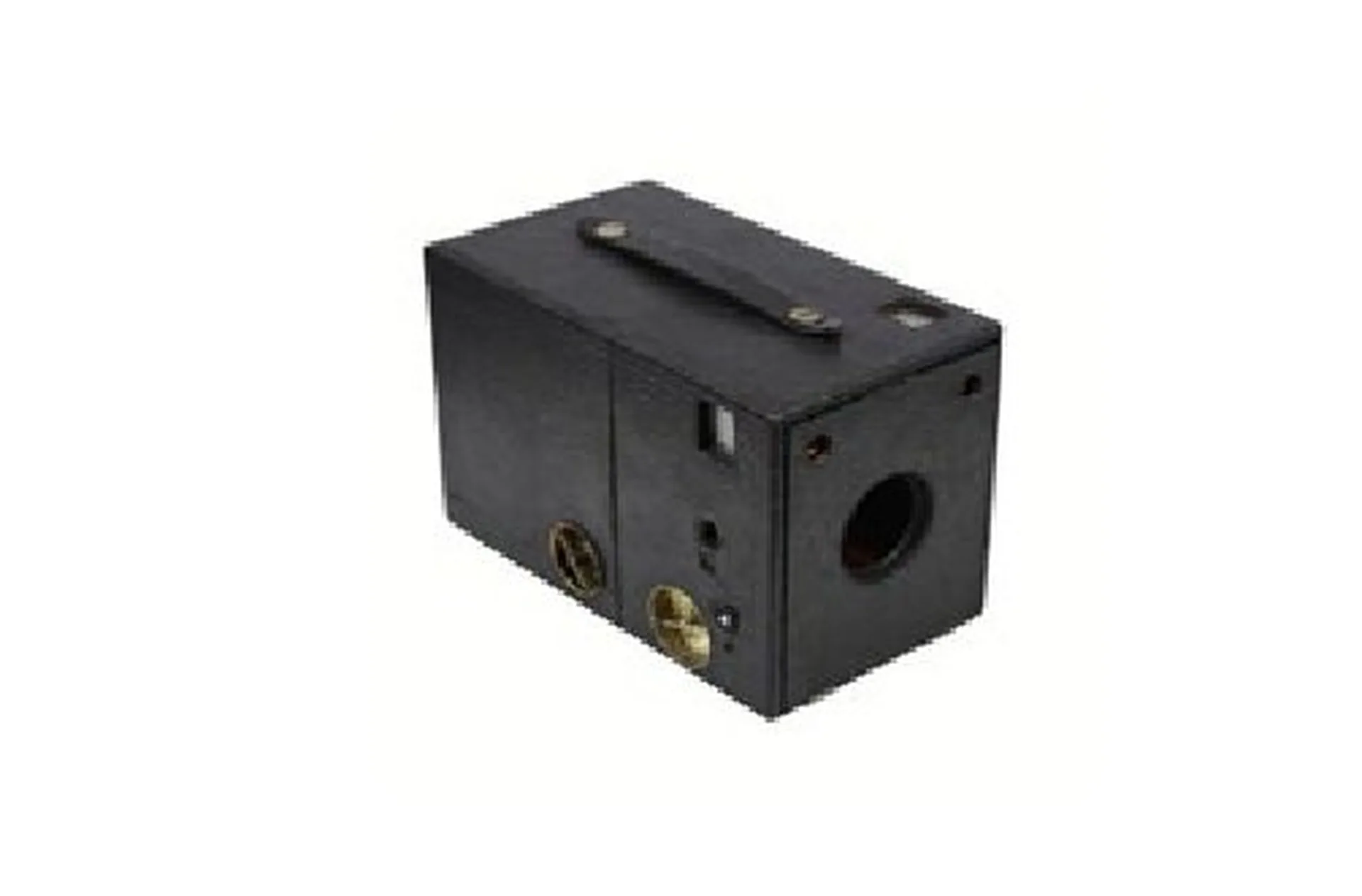
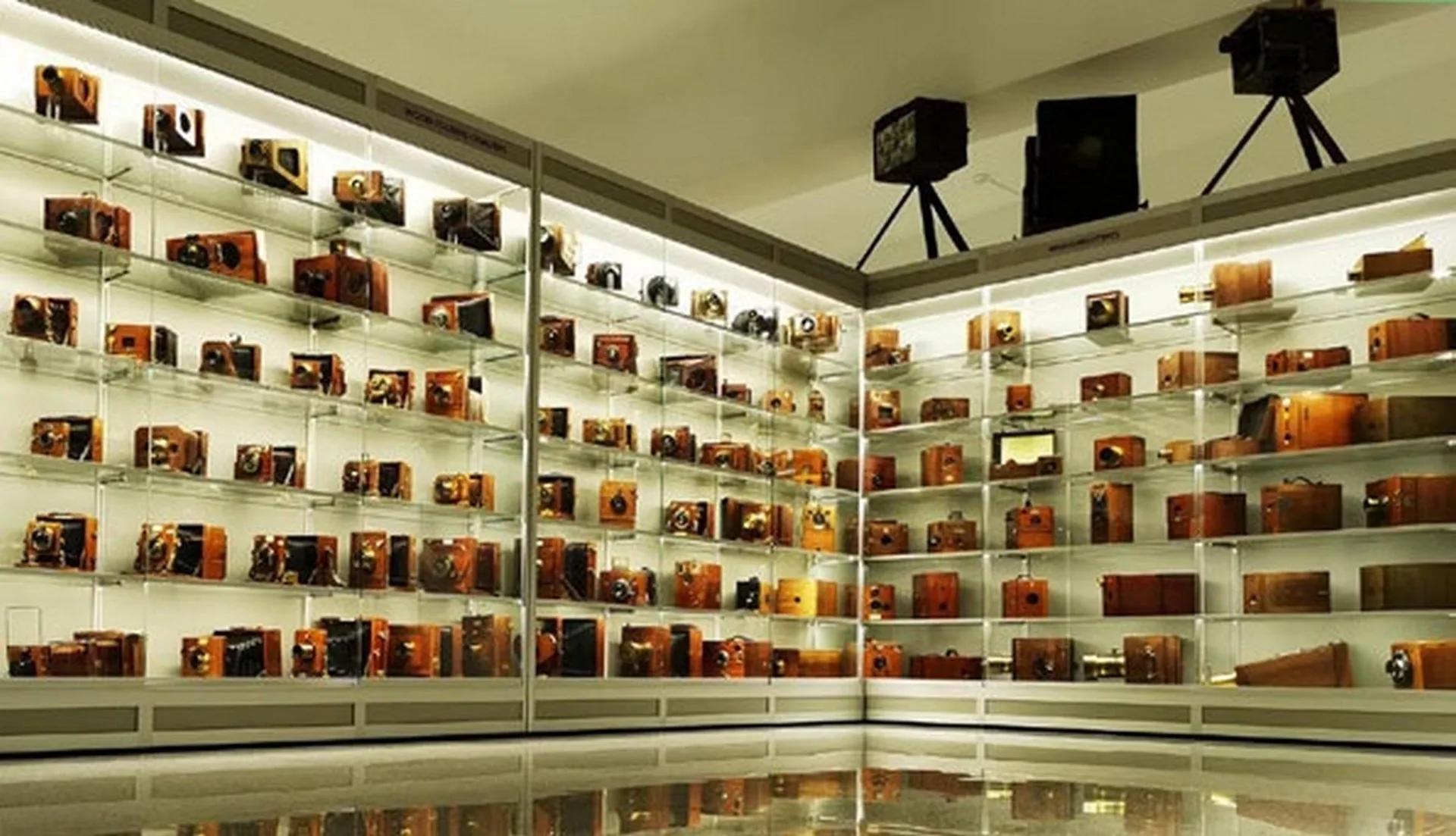
The camera collection has a total of approximately 5,000 models of the most varied types: box, reflex, stereo, for photo studios, with bellows, panoramic, folding etc. Some of them are extremely rare, but very well preserved. Other devices related to the evolution of the image are also exhibited, such as zoetropes, magic lanterns etc. This collection shows how the technology of capturing images has evolved over time.
When they first appeared, cameras were heavy and had many accessories (plates, solutions, lenses, tripods), and their transportation was always a problem. This problem was solved in 1888 by George Eastman who launched the Kodak camera, a portable and lightweight box-type camera model that used a roll of celluloid film. Eastman’s famous slogan “You press the button, we do the rest” made the camera enormously popular among the general public.
Typewriter Collection
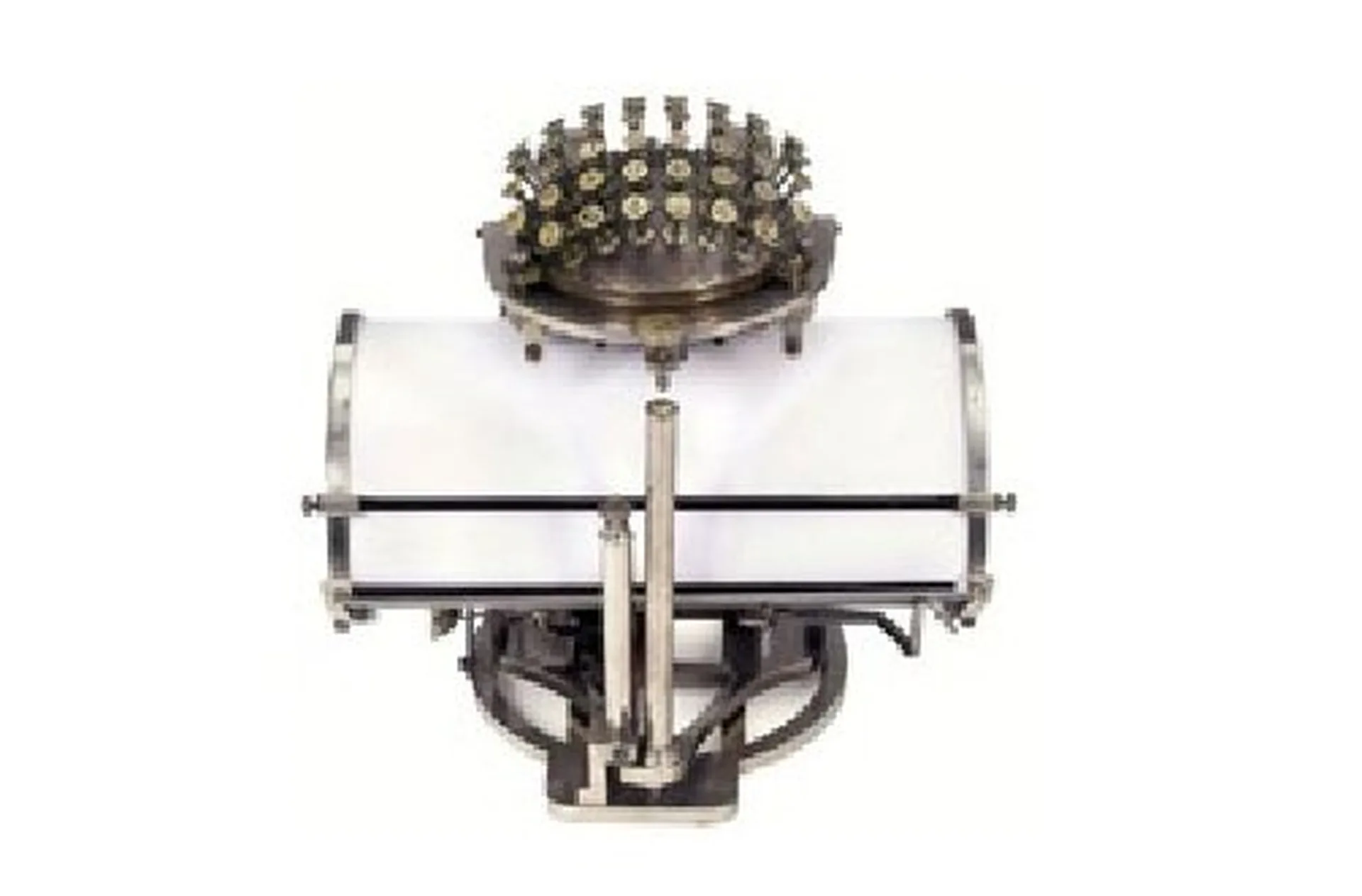
It includes approximately 500 models. The Ballpoint typewriter is an extremely rare model, of which there are only four copies in the world. The machine was designed in 1865 in Copenhagen by Rasmus Malling-Hansen, director of an institute for people with hearing and speech impairments. He designed this typewriter with the aim of helping students “speak with their fingers”. The machine consisted of a hemisphere with 54 engraved alphanumeric keys, each with its own spring, mounted on three nickel-plated columns with adjustment screws. Malling-Hansen arranged the letters, numbers and symbols so that writing was as fast as possible: vowels were operated with the fingers of the left hand, and consonants with those of the right hand. Among the famous users of this invention was the German philosopher Friedrich Nietzsche.
Collection of irons
It was officially recognized by the Guinness Book of Records on August 3, 2016, when the collection numbered 30,071 items. Over time, the collection has grown steadily, currently exceeding 35,000 items.
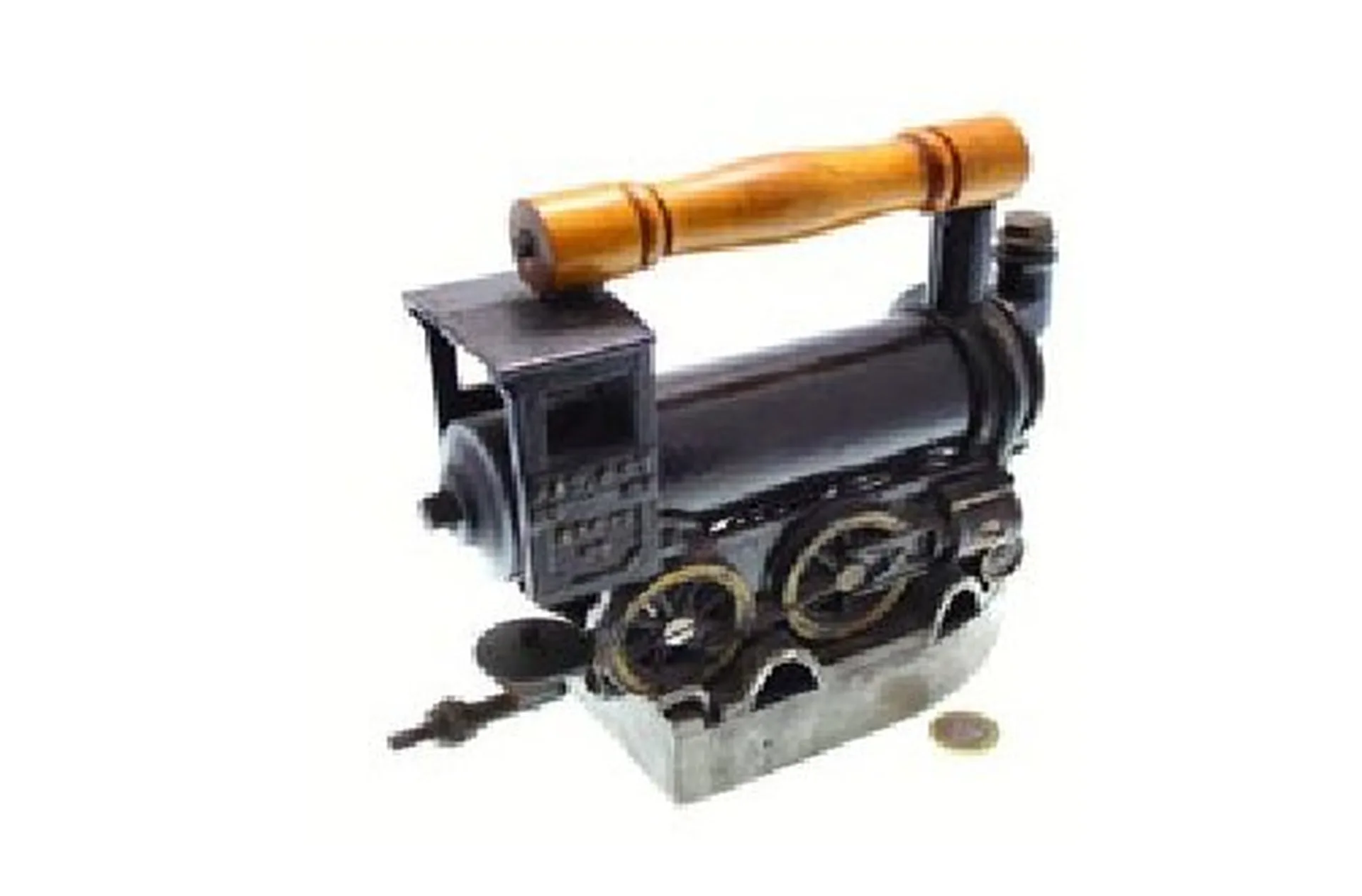
The Locomotive-type iron is the most important piece of the collection, being an extremely rare model, of which it is believed that only two copies still exist in the world. This iron was patented on October 23, 1888 and has an extremely ingenious mechanism: an internal tank was filled with liquid fuel, which flowed into the lower part of the iron where there is a burner that can be ignited through the wheel region.
Corkscrew collection
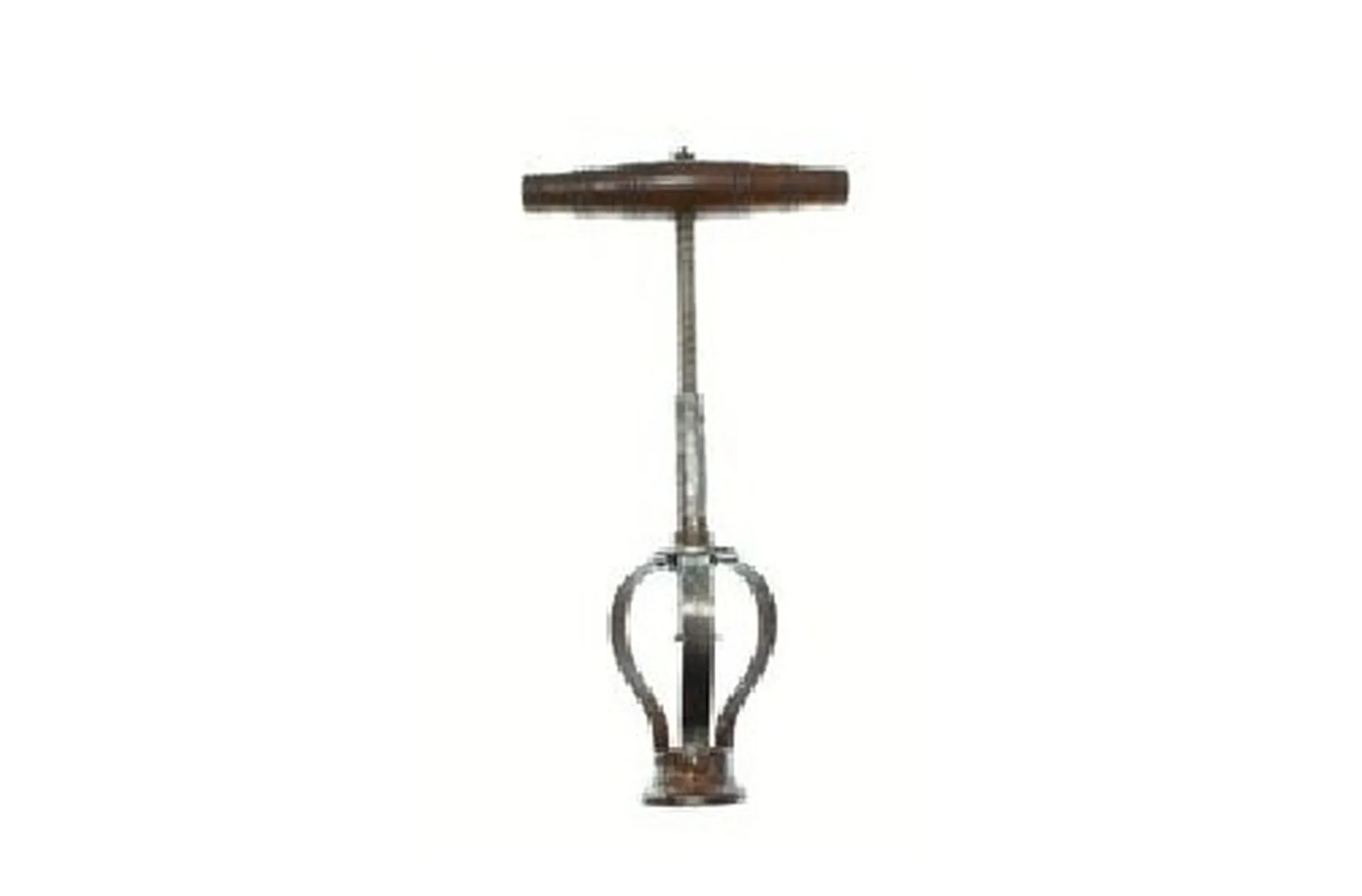
It holds a world record, marked in the Guinness Book of Records on June 18, 2015, when it totaled 23,965 pieces. Currently, the number exceeds 30,000 corkscrews. The Corkscrew with mechanism, the most important corkscrew in this collection, was made from pieces of metal and wood from the old London Bridge (1176 - 1831). After its demolition, the recovered materials were used to manufacture rare objects, including this corkscrew. The existence of two other similar copies in the world is known. Proof of its authenticity is also given by the inscription on the piece: “MADE FROM THE IRON SHOE THAT WAS TAKEN FROM A PILE THAT WAS 656 YEARS IN THE FOUNDATION OF OLD LONDON BRIDGE BY I. OVENSTON 72 GT TITCHFIELD ST LONDON”. A patent was obtained for this corkscrew by Charles Orborne on January 1, 1839.