by Anita Sterea
I was 6 years old when, in December 1990, I went for a walk with my father through the city. It was the first time in a now free Bucharest that my father could talk to me openly about the royal family, the aristocracy or other subjects that had been forbidden during the communist era. That was a decisive moment. That was when my fascination with history, heritage and the city and urban explorations began. I fall in love with Bucharest over and over again with every walk, every urban exploration, every organized cultural event or every lemonade drunk in flower-strewn gardens and old houses.
Bucharest of contrasts
Bucharest certainly has its pros and cons. It is, without a doubt, a city of contrasts - from wide and crowded boulevards to chic and quiet streets like Dumbrava Rosie or Plantelor. From the modern office districts in the northern part of the city, to neighborhoods like Cotroceni or Dorobanti, with neo-Romanian villas that tell silent stories.
We have the old stories of the historical communities - Jewish, Armenian, Greek - that have contributed significantly to the development of the city. Bucharest also means slums, small churches, hidden gardens, specialty coffee cafes, excellent restaurants and surprising museums. All you need is to give yourself time. Don't rush. Observe.
Bohemian Bucharest - a story about people, neighborhoods and memory
The tour through Bohemian Bucharest tells the story of communities and the city. In the Batistei slum we discover what a slum is, we explore the Armenian Quarter, with the superb Armenian Church, an architectural gem of the 20th century, the Melik House, which today houses the Theodor Pallady Museum.
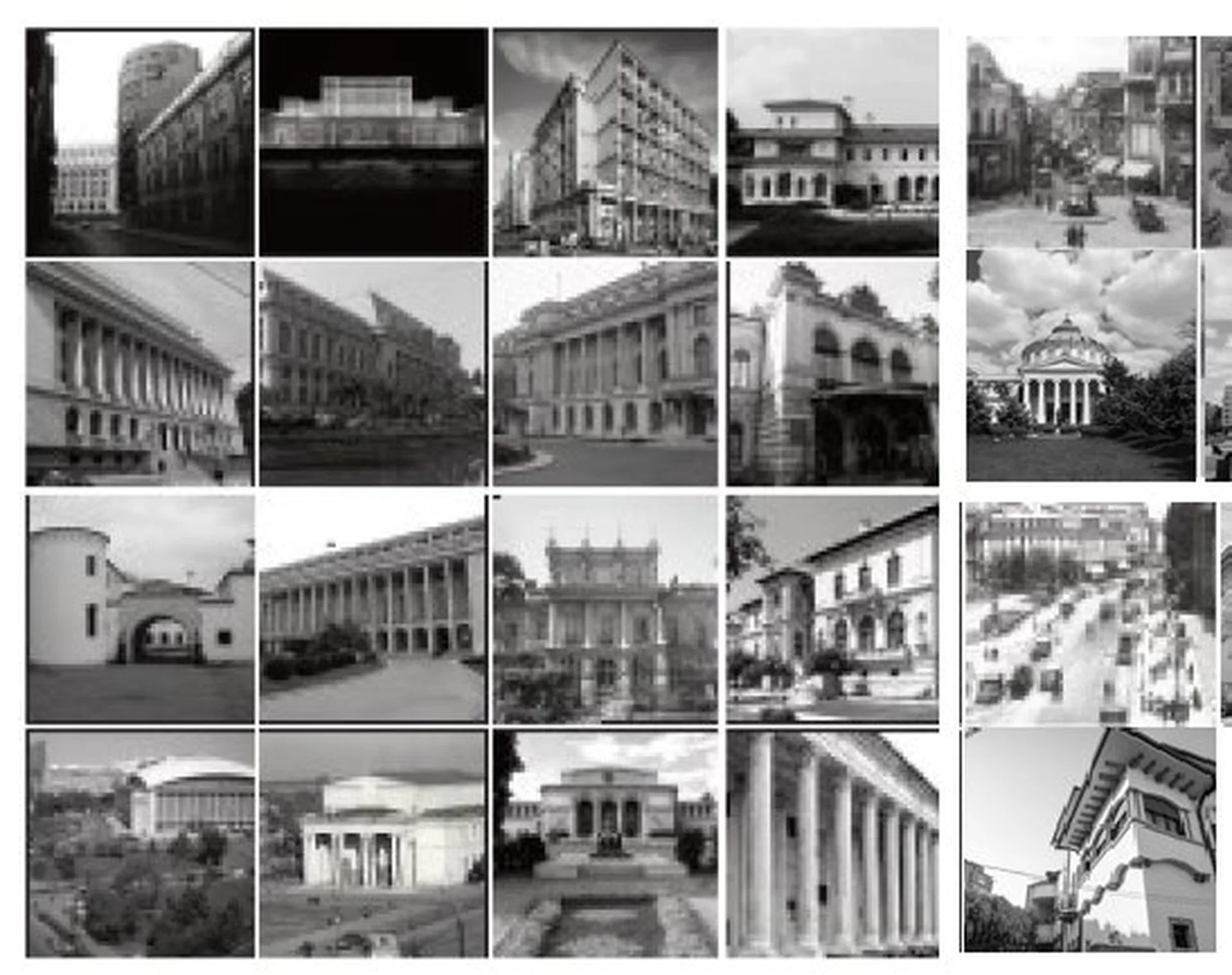
The Armenian Quarter has a special tranquility, with softly lit streets and houses in various architectural styles - a true architectural summary of Bucharest: eclectic, neo-Romanian, art deco, and even brutalist. But here the communist period had its say; about nationalizations, architectural mutilations, lack of freedom, cold, fear, but also about the spiritual resistance of the city. The Olari Church, one of the eight churches relocated in order to be saved from demolition, a church that had been moved over 50 meters in the 80s, hidden today behind some recently rehabilitated Ceausescu blocks.
The streets of the Mântuleasa slum tell us about Mircea Eliade and how enchanted he was by this area to which he even dedicated a short story, and the superbly restored houses on Plantelor Street, fascinate us at every step. The gardens with multicolored flowers, especially roses, give a special charm to this old slum, and the trees, sometimes centuries-old, protect us from the sun on hot days.
Bohemian Bucharest also means authentic gastronomy and our connection with food is deep. We love long meals, conversations around the table and rich dishes placed on the table. Leisurely meals bring to light sometimes unknown stories, so an essential stop is at Obor Square - one of the oldest and largest squares in the Balkans, with a history of over two centuries. The kings of Romania, presidents of state such as Nixon, in 1969, and locals alike came here. Today, through Obor you can find authentic peasants, retirees, young corporate workers on their lunch break, but also curious tourists. Micii at Terasa Obor has become a cultural landmark – a symbol of a vibrant city.