by Ciprian Plăieșu
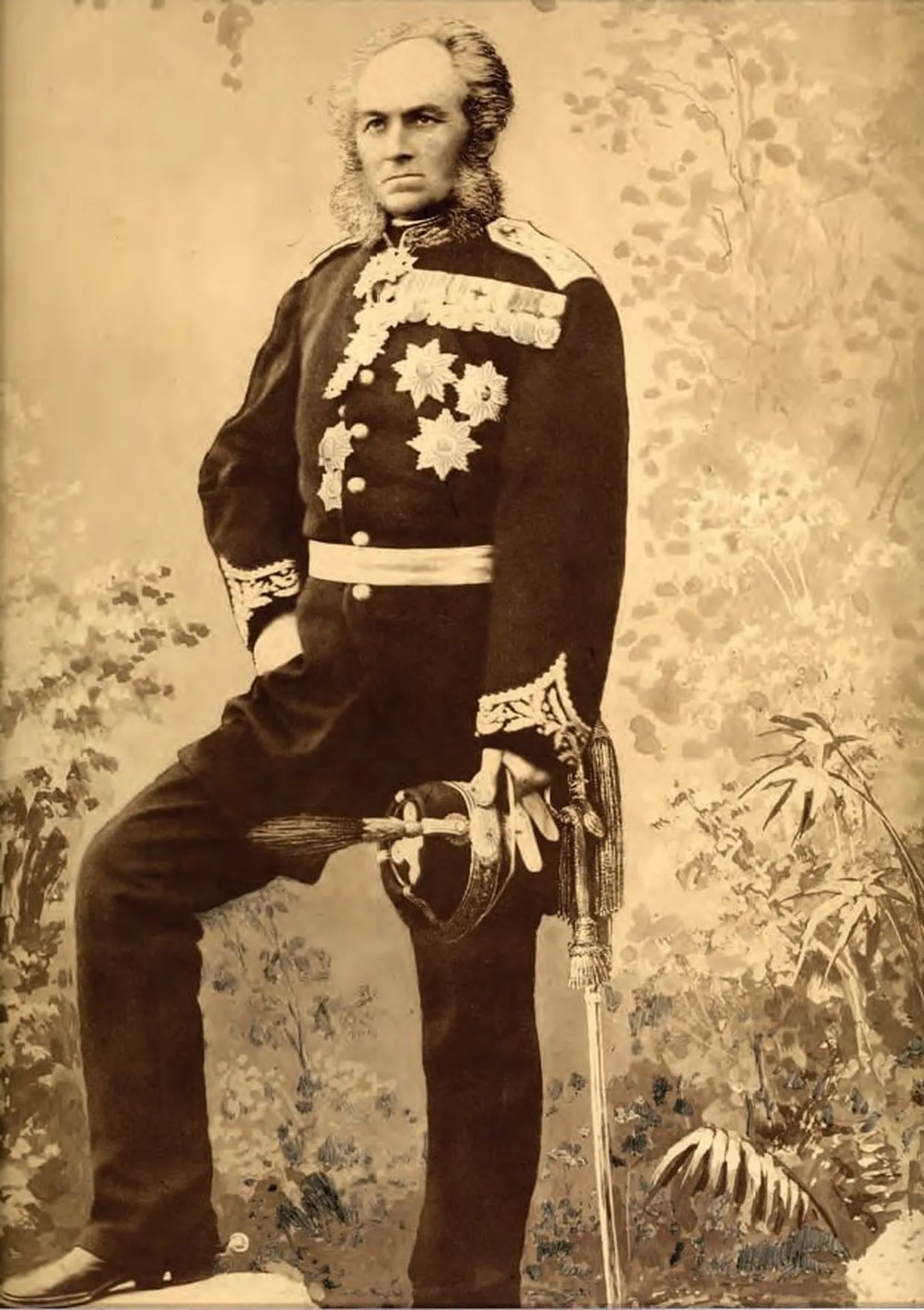
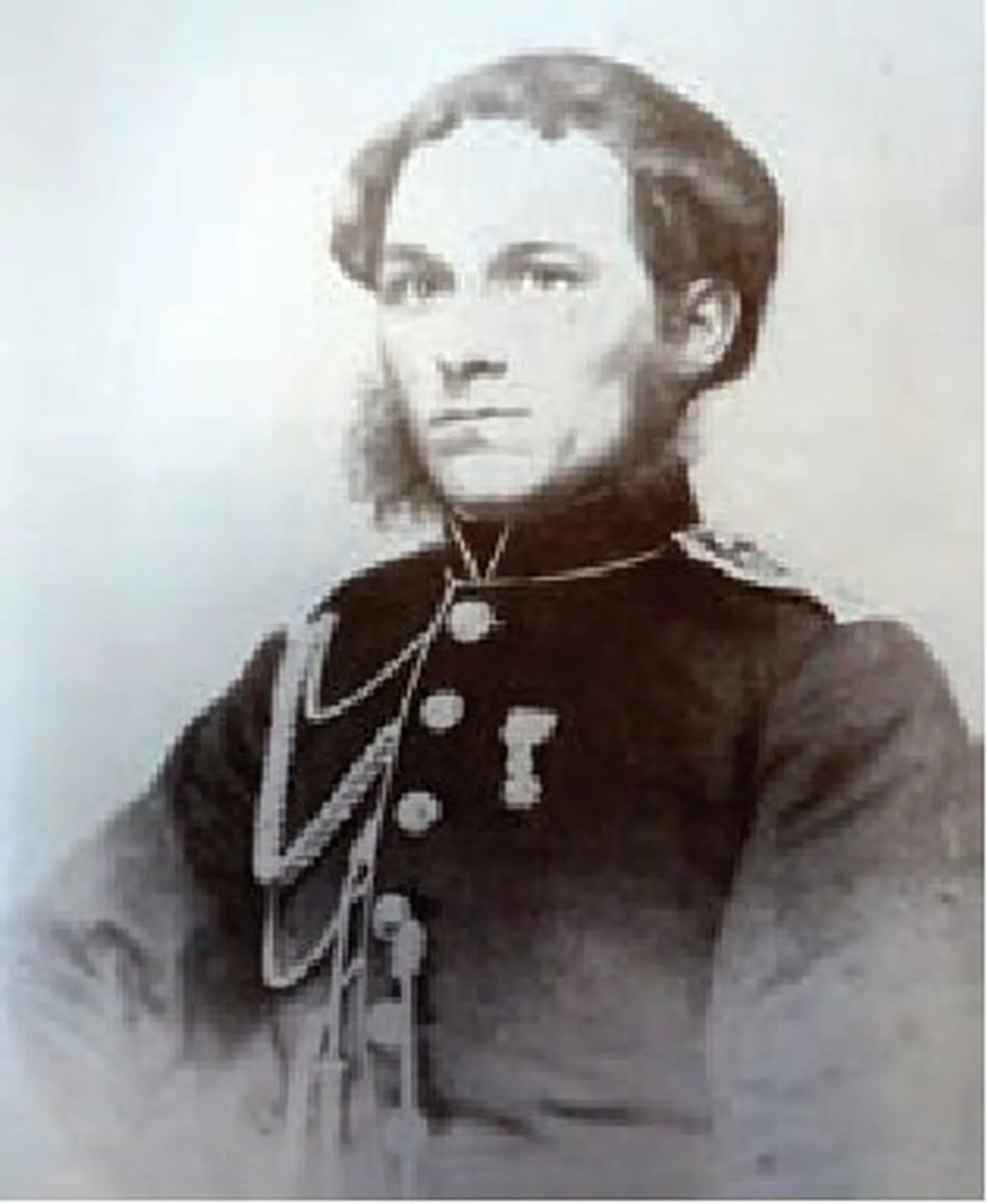
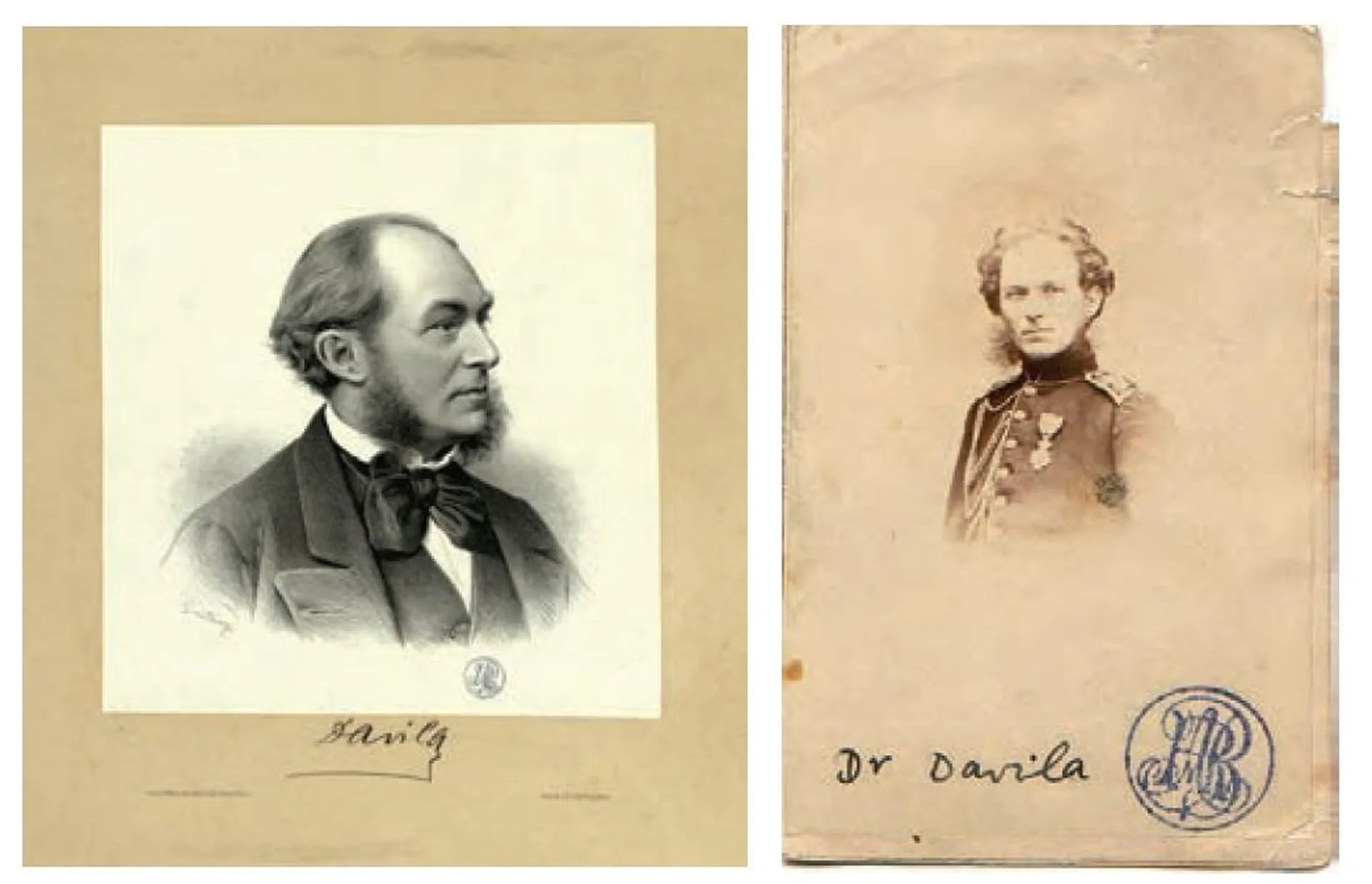
Some historians say that Carlo Antonio Francesco d’Avila (or in French Charles d’Avila) was born in 1828, in Parma, as the illegitimate son of the great musician Franz Liszt and of Contesse Marie d’Agout. The historians base their saying on the stories told by Sabina Cantacuzino, the eldest daughter of Ion Brătianu and the sister of Ionel and Vintilă Brătianu. She was connected to the medical elite of the time, being the wife of Doctor Constantin Cantacuzino. Yet, there are rumors saying that Davila was the child of some German noblemen who disappeared before their time in a fire and the child was adopted by a doctor who helped him follow the medical studies, first in Germany and afterwards at the University of Paris.
A three years invitation, transformed in a work of a lifetime
Not yet 25 years old and young M.D. Carol Davila was back from Champagne and Cher where he participated for the first time at the stopping of a cholera epidemic. He received an invitation, a three years contract that was about to change his life forever. Barbu Știrbei, the ruler of Walachia at that time, wanted to modernize the local medical system. So, helped by some people he knew in Paris, the ruler wanted to select some young graduates of the Paris Medical University. On the13th of March 1853 Barbu Știrbei and Carol Davila met for the first time in Bucharest. He would soon win the ruler`s trust and support and, despite the political tribulations of that time, Carol Davila had pursued his entire life the purpose for which he came into Romania – the reformation of the medical system (both military and civil) and the development of the medical educational institutions. Sabina Cantacuzino described him in such a way that she captured precisely this detail: “He was a pleasant man, intelligent, active, with good organizational skills but also very ambition and, the rumors were saying, he was good at flattering. He was brought by Știrbei, but he had good relationships not only with all the rulers Cuza, Carol but also with each and every minister, and this was considered a very bad thing during those times of passionate political fighting; people were not taking into account that he was a foreigner and he had a special purpose in his activity”.
Beyond the reorganization of the medical system, in 1855 Carol Davila set up a surgeon`s assistant school and, in the year 1856, a secondary surgery school with a theoretical and a sanitary –military curriculum. He struggled not to have this school closed in the troubled times before the Great Union and, later on in 1869, this school had become the Faculty of Medicine.
Carol Davila setup the education system for pharmaceutics and veterinary studies, he founded several societies and specialized magazines (among which the Association of the Romanian Doctors, the Medical Monitor, the Hospitals’ Gazette); he organized medical conferences and taught experimental demonstrations at Saint Sava High school; he founded together with the Austrian horticulture Ulrich Hoffman, the Botanic Garden of Bucharest; he introduced medical contests and mandatory stages in hospitals. He also founded two orphanages and a deaf-mute school; he also tried to regulate the introduction of free consultations in hospitals for the sick poor people. He also organized the ambulances system that was fully used during the Independence War of 1877 -1878 and saved thousands of lives. Despite the recognition granted for his special merits – in 1860 he was appointed general -, only in the year 1868 he had received the Romanian citizenship.
Less known details about Carol Davila
Today the life of Carol Davila seems like one success after another, but things are far from being this way and only hard work and perseverance, sometimes a fantastic struggle, do provide such results. For example, shortly after his coming into Walachia, due to the insanitary conditions in which he lived in the house on the Dâmbovița`s pier, the young man got sick with rheumatism that had paralyzed one of his arms. Another difficult moment of his life was during his first marriage, only one year long, when his wife died giving birth. He later re-married Ana Racoviță.
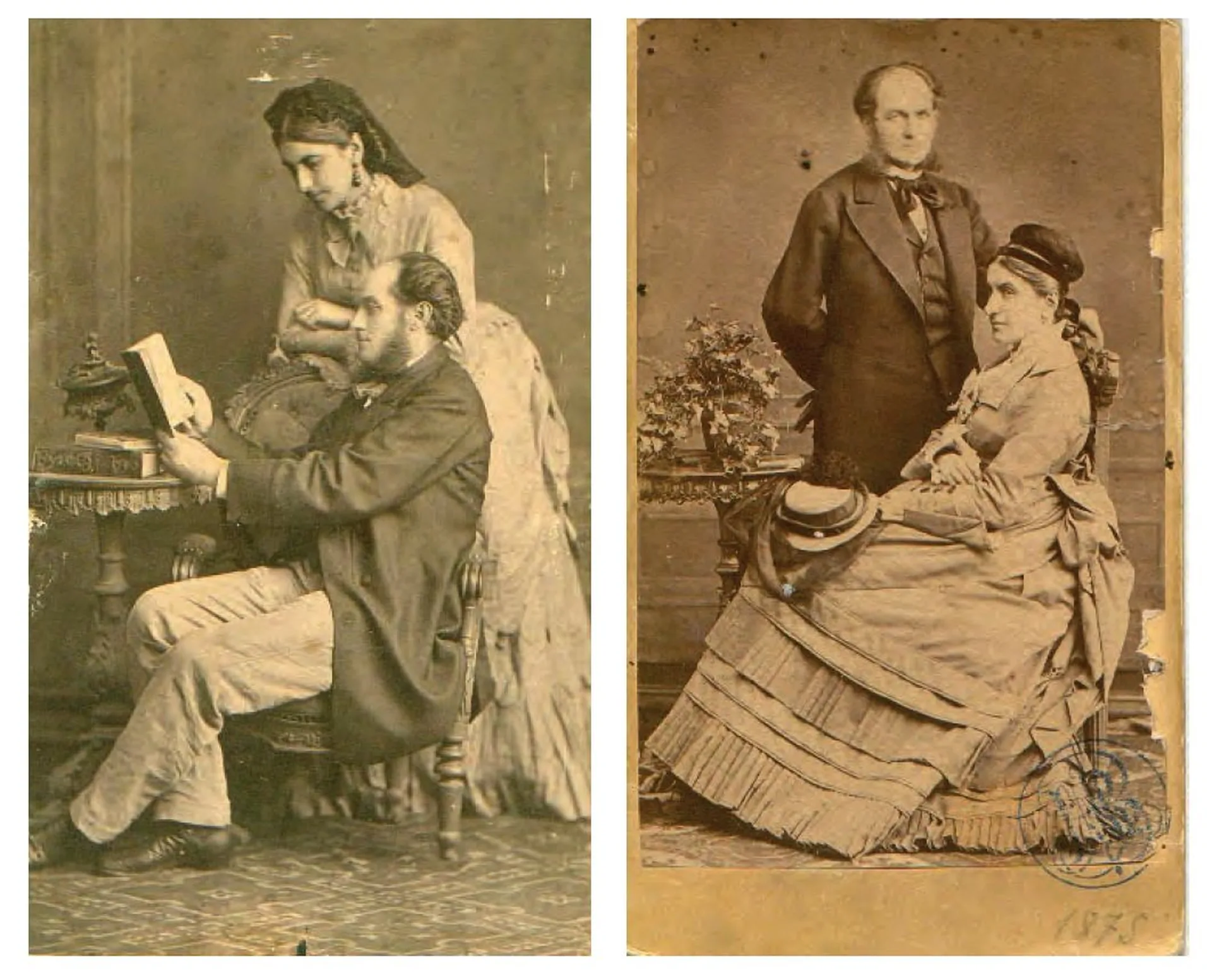
As he was always present where his expertise was needed, he often got sick, but in 1865, while trying to stop typhus epidemics, he became seriously ill and almost died. Carol Davila was an energetic person, exigent and choleric and was described as a difficult to bear individual: “When he got all crazy, he would turn over the table with plates and everything on it, breaking glasses, bottles, smashing the doors and making the entire house shake”. It even seems that his uncompromising personality got him into a duel. After a fire, Davila, being General Director of the Military Sanitary Service, ordered that all smoking on the premises is forbidden – especially in the attics that were wooden-built. Once, during an inspection he ran into a sub-lieutenant who was smoking. Davila grabbed his cigarette, smacked him over the face and rubbed the cigarette on his cheek. The incident was reported to the Minister of War, General I. Emanoil Florescu. The officer was called in and ordered to provoke Davila at a duel.
The duel took place in Băneasa and had two rounds. Davila fired in the air and the sub-lieutenant didn`t succeed to shot at him. Then, the officer fell on his knees, burst into tears and begged for Davila`s forgiveness. In 1874, his second wife died, by accidental poisoning: she received strychnine instead of cinchona, so the famous doctor was left a widow.
He participated at the Independence Wae and fell ill with an infectious anthrax around his cervix; he underwent an emergency operation, got a general furunculosis and the sciatic crisis forced him to walk around with a cane. Despite all these medical problems, Carol Davila continued his activity until his death in 1884 and he became a model and a reference both for the medical staff but also for the ordinary people. King Carol I himself, one of the most respected and powerful personalities in our history, had much considerate words about him in his letters and his journal, briefly and comprehensively saying: Davila is everywhere there is need of him.