by Ciprian Plăiașu
King Charles I, German or Romanian?
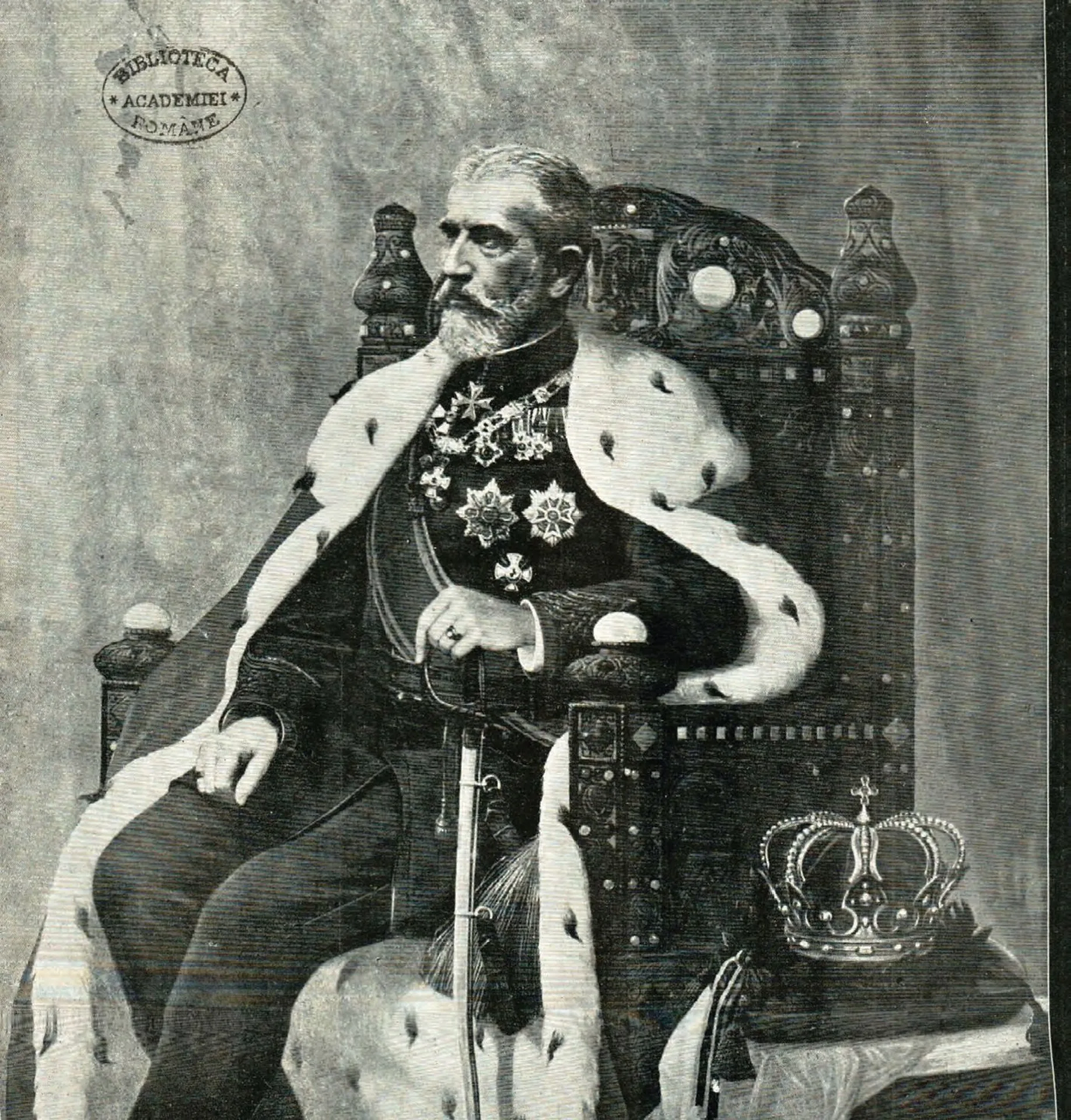
On several occasions, his Prussian identity was considered by exegetes and historians the source of his actions and temperament. Yet, we are never able to refer to King Charles I of Romania as the foreigner who held the highest position in the state. Why is that? Considering that our words are too small to describe the feelings of a man who committed his life to his country, we reproduce a small fragment from His Majesty`s will, a document that was drafted when King Charles I of Romania had just turned 60 years old: “I am writing this will and for this purpose I have in mind, first and foremost, my beloved people for whom my heart has never stopped beating and who have complete faith in me. My life has been in such a close connection with this blessed country that I desire to provide obvious proofs of deep sympathy and vivid interest after my departure from this life. I have been thinking day and night about Romania`s happiness and now it holds a worthy position among the European states: I made efforts so that religion is spread and developed all throughout society and that each person does his or her duty, having as a sole purpose the state`s interest. Despite all the hardship I had faced, all the suspicions that lent attacks, I have stepped forward, fearless and unhesitant on the right path, having endless faith in God and in the common sense of my faithful people. Surrounded and supported by the leaders of this country for whom I have always felt a deep gratitude and an intense affection, I have succeeded to form at Danube`s entry and on the Black Sea a state that is equipped with a good army and all the necessary means to both maintain its beautiful position and also achieve its high goals.”
"Surrounded and supported by the country's leaders, I managed to establish, at the mouths of the Danube and on the Black Sea, a state endowed with a good army and all the means to maintain its beautiful position and simultaneously achieve its high aspirations."
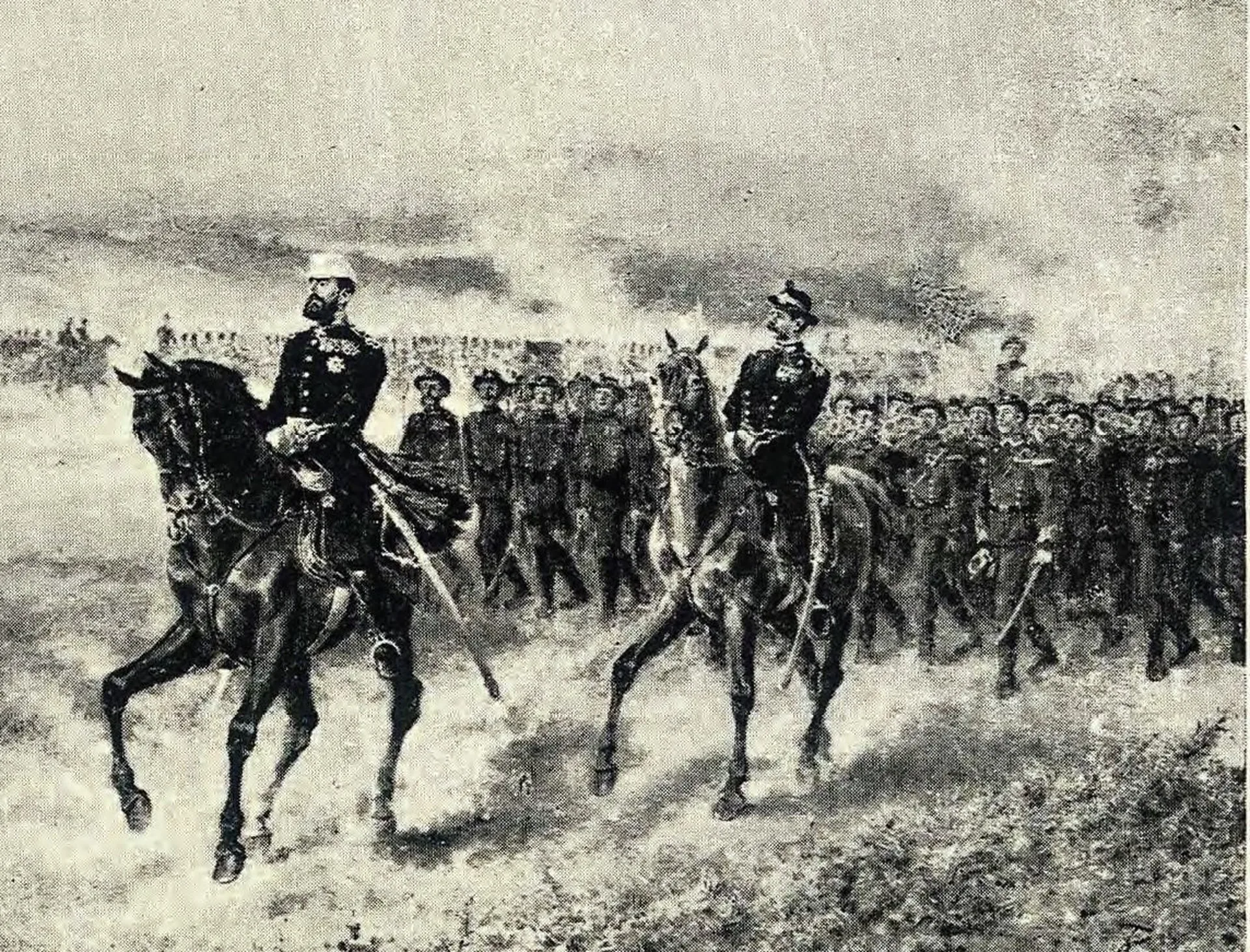
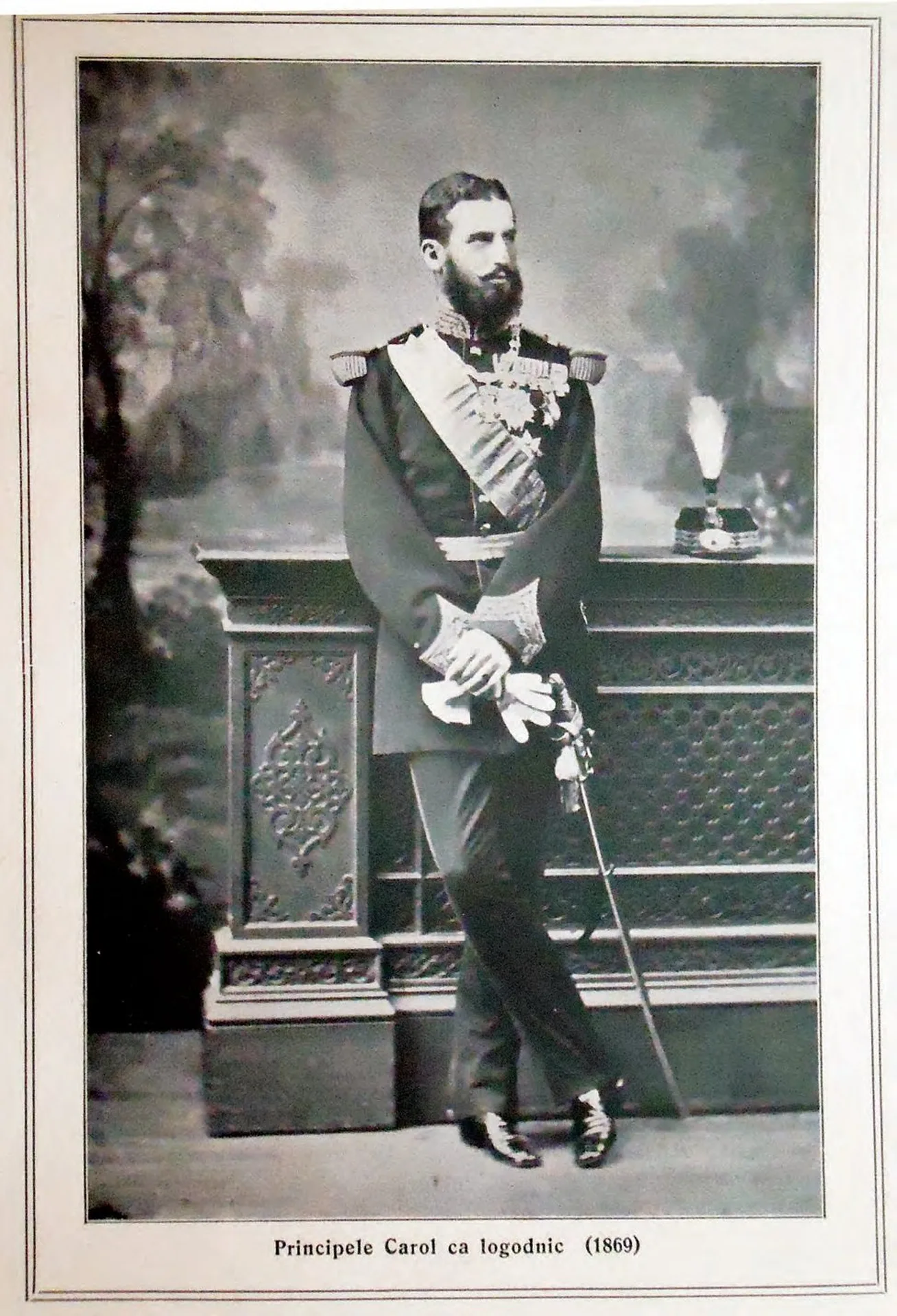
But how did a young Prussian officer write at old age such lines inspiring a great love for Romania? The founder of the Royal House, Charles I of Romania – his complete name being Karl Eitel Friedrich Zephyrinus Ludwig von Hohenzollern-Sigmaringen – was born on the 20th April 1839 and was the second son of Prince Karl Anton de Hohenzollern-Sigmaringen. Although they were related to Prussia`s imperial House and also to Emperor Napoleon the Third, it was likely improbable that one of the Hohenzollern- Sigmaringen children would ever ascend to one of Europe’s thrones. The most important status possible was held by the head`s family who lead the Hohenzollern-Sigmaringen domain, and the next in line was the oldest son who inherited the father`s social position. In this context, the proposition made by the politicians of the young Romanian state could have been at least tempting for the young officer and his family.
We must say from the beginning that the first option of the Romanian leaders was not Charles, but Philippe de Flanders, who refused to become a vassal of the sultan (the Romanian Princedom, united in 1859 following the double election of Alexandru Ioan Cuza, was still under Ottoman sovereignty and collective protectorate of the Great Powers). Prince Charles, 27 years of age, accepted this position, despite the fact that, at the time, no one guaranteed the independence of the country he was about to lead or a long term reign for that matter. Not even the political class expected this young man to become such an important historical benchmark for Romania. Compelled to bring a foreign prince (after Alexandru Ioan Cuza was forced to abdicate in February 1866) in order to maintain the union of the princedoms, the Romanian leaders considered that young Charles who, at that time, was climbing up a military career in the Prussian army, was an easy man to control, and his reign would only be a temporary one. The first years of his ruling were quite troubled and the vows, taken both by the King and also by the Romanian politicians in 1866 at the ascension to the throne, had an important saying when some people had different convictions and opinions. In time, everyone fully understood the role they played and also the fact that the vows were not made to the people, but to the country. Perhaps King Charles I understood this better than anyone else and decided to respect the vows scrupulously.
People talked that he was a cold, calculated, cheap and introverted man; they also said that when he was meeting the politicians he would give them just one finger and not the entire hand, or that when he was making a present he had a well planned goal for doing this (at some point, Charles would offer his collaborators a watch. They did not understand from the begging the significance of his gesture, but eventually they had
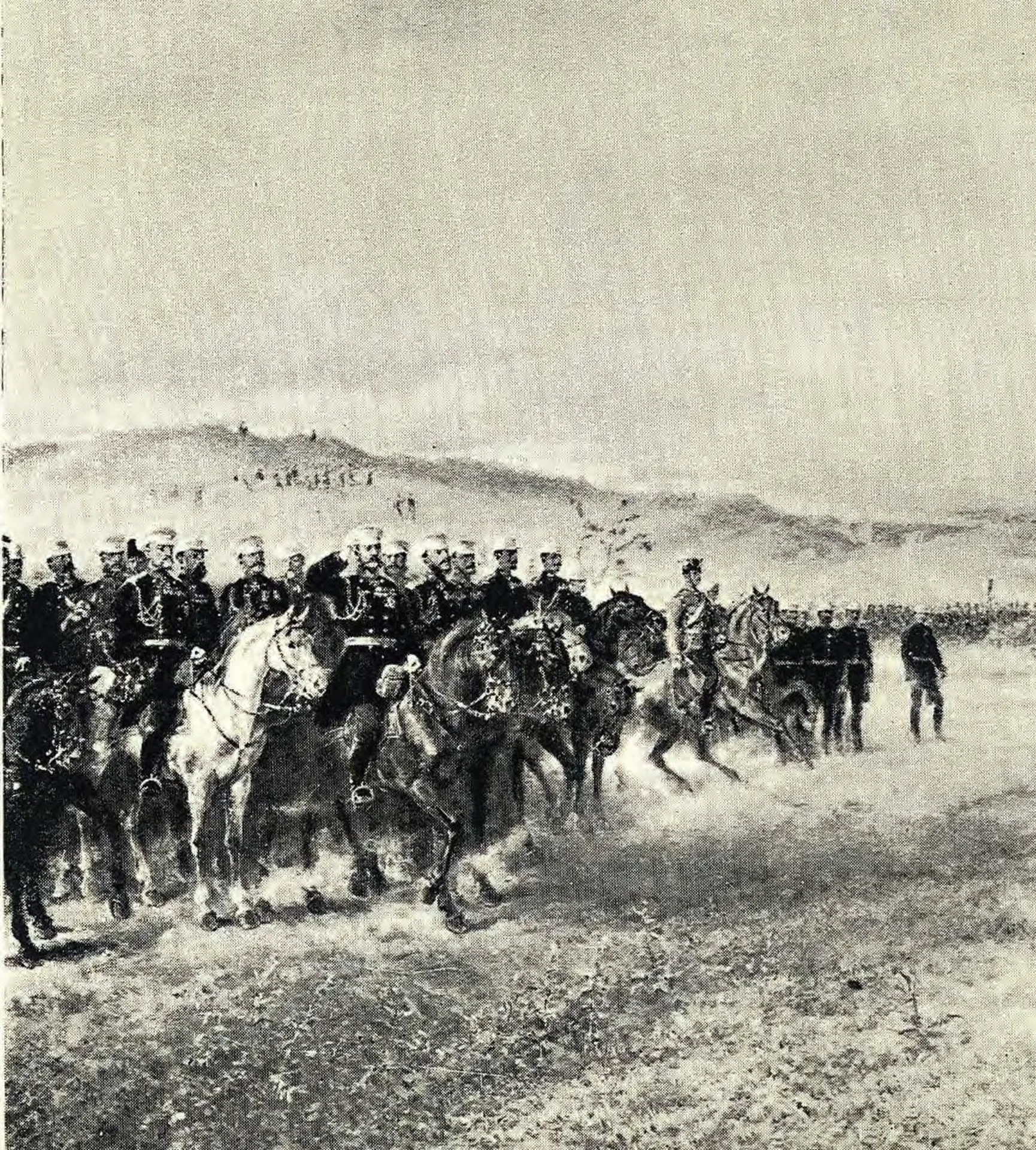
figured it out that it was an incentive for punctuality, a quality that was missing in Romania.) Even Queen Elizabeth, his wife, described him as “a person who wears his crown also in his sleep”. Indeed, the sense of duty was a defining characteristic of the King, but it was doubled by a love for his country that rarely exists in people. The direct involvement on the battle field as the leader of the Romanian Army during the 1877 Russian – Turkish war - a conflict that brought Romania`s Independence - the proclamation of the kingdom in 1881, the support of the economic and social reforms, but also the close monitoring of the public money, all these actions prove the feelings he had for his country. Even the fact that, despite his vision he did not breach the country`s resolution taken at the Crown Council in 1914, the year of his death – deciding Romania`s neutrality – shows his love and respect for Romania.
We would be lying if we are to say that King Charles I was a dreamer and an outgoing person like his spouse, Queen Elizabeth who became a true patroness of the arts and a protector of the artists. A modest and rational man, thorough and committed, he preferred acting as a fair arbitrator of politics and a vigilant mind when it came to the public money spending. The country`s great modernization projects – building bridges (such as the one of Anghel Saligny), railroads or the University Library – were carefully supervised by the King. For this matter, some called him cheap; the explanation lies in the fact that the King`s prudence was due to the fact that his family of origin was modest therefore he understood the value of money and more important the way in which money must be efficiently spent.
The inner drama of King Charles I
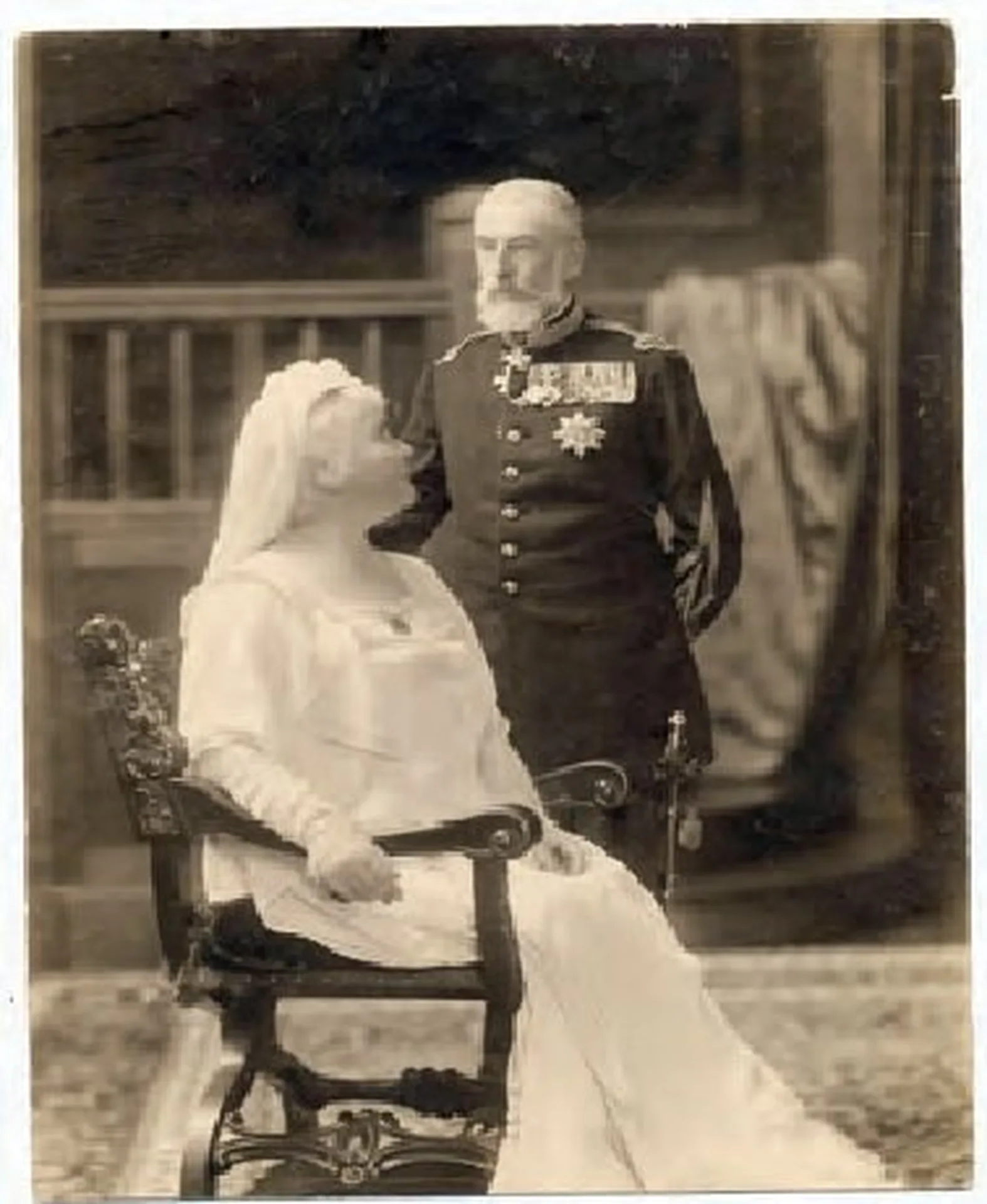
The coolness he was showing to others was in connection with his inner feelings. King Charles I did not have any direct descendants. The royal couple` s only child was a little girl named Măriuca (1870-1874). She died when she was only four years old. Since her death the relationship between the two spouses got colder; to continue the dynasty, in the year 1988 Ferdinand – the nephew of King Charles I - was designated heir to the throne. Towards the end of his life, the slightly tensed relationship between King Charles I and Queen Elizabeth turned into a nice friendship. Perhaps just few people know that at one point the queen had tried to overrule Charles` decision and endorsed Prince Ferdinand`s marriage with Elena Văcărescu, fact that upset the king very much. According to the Constitution, the king or his heir were not allowed to marry a Romanian woman. To clarify this incident, Elena was exiled for two years until Ferdinand married Maria.
Perhaps one of the moments most commented upon and sometimes misinterpreted was King Charles I`s attitude regarding Romania joining the Triple Alliance Treaty (Germany, Austro-Hungarian Empire, Italy). Some believe he made this move because he was a German and had a certain affinity for his country of birth. Because of this same reason, they say, Charles wanted to go into war on Germany’s side. This is as far away from the truth as possible. Romania`s unfortunate experience in the Russian – Turkish war (1877-1878) when the Romanian Army fought on the Russian side, but our country`s representative wasn`t even allowed to participate at the San Stefano Peace Congress and Romania was asked to cease three counties from southern Bessarabia, had convinced Charles I that Russia was not a loyal partner. The close connection with the Central Powers block came as a logical response for Romania who, geopolitically speaking was at the junction of three large empires, and could become at any time the subject of territorial raptures unless part of a strong alliance. Perhaps the training received and the skills learned as a young man in Prussia, the experience gathered on the battlefield together with his soldiers, the national interest and especially his love for the country, but not necessarily his German origin, had determined Charles I to get closer to the Austro-Hungarian Empire.