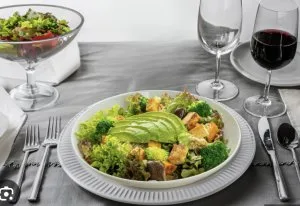
de Istvan Pentek
În zona de graniță de sud și vest se simte influența puternică din Alsacia franceză, mâncarea tipică fiind „Flammkuchen“ – o cocă subțire cu ceapă și slănină afumată, coaptă în cuptor, servită cu smântână grasă din belșug.
În zona Saar, „Dibelabbes“ – mâncarea de cartofi cu slănină și ceapă prăjită are o tradiție recunoscută iar varza murată se gătește cu vin alb. În perioada iernii se pregătește „Saumagen“ oarecum asemănător cu toba românească. Se consumă mâncăruri preparate din vânatul provenit din Pădurea Neagră, cea mai cunoscută reţetă fiind mușchiul de căprioară Baden-Baden. Deserturile cu tradiție sunt reprezentate de desertul cald „Kirschenmichel“ pe bază de cireșe și Tortul Pădurea Neagră, un tort cu frișcă, apărut pe la 1930. Ingredientele principale sunt blatul de tort, biscuiţii crocanți cu ciocolată neagră, frișca aromatizată cu distilat de cireșe, precum cireșele și ciocolata rasă folosite la decorare. Șvabii din zonă au o bucătărie mai simplă, cu „Spätzle“– paste mai groase preparate din griş, ouă şi apă – fiind garnitura tradiţională a felurilor principale. Specific comunităţii locale sunt numeroasele preparate din organe: ficat, rinichi, burtă de vită.
În zona Hessen merită gustat cașcavalul maturat în oțet, servit cu ceapă tocată; sosul verde de Frankfurt (maioneză cu condimente verzi) cu cartofi fierți în coajă; coastele de Frankfurt cu varză murată și piure de cartofi.
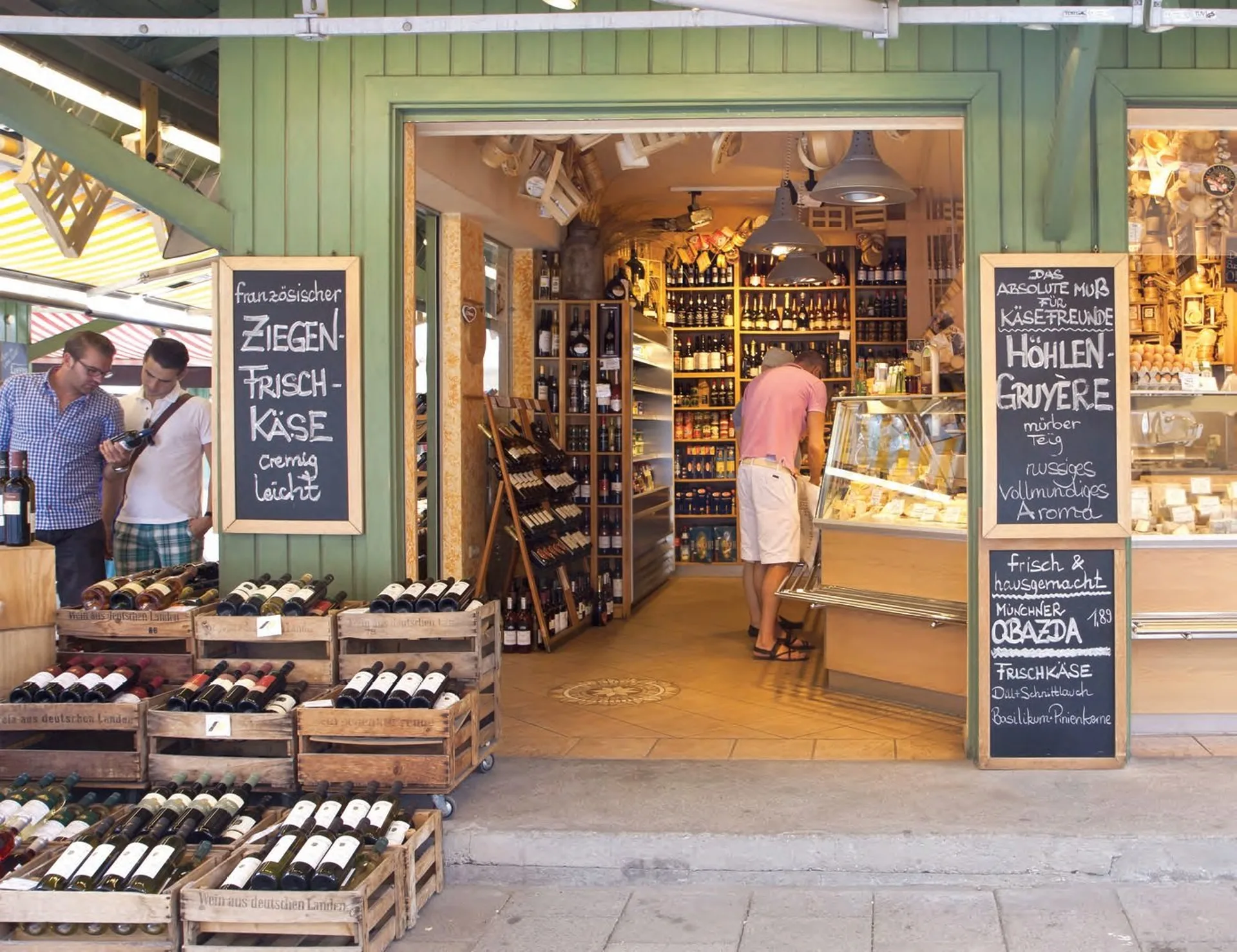
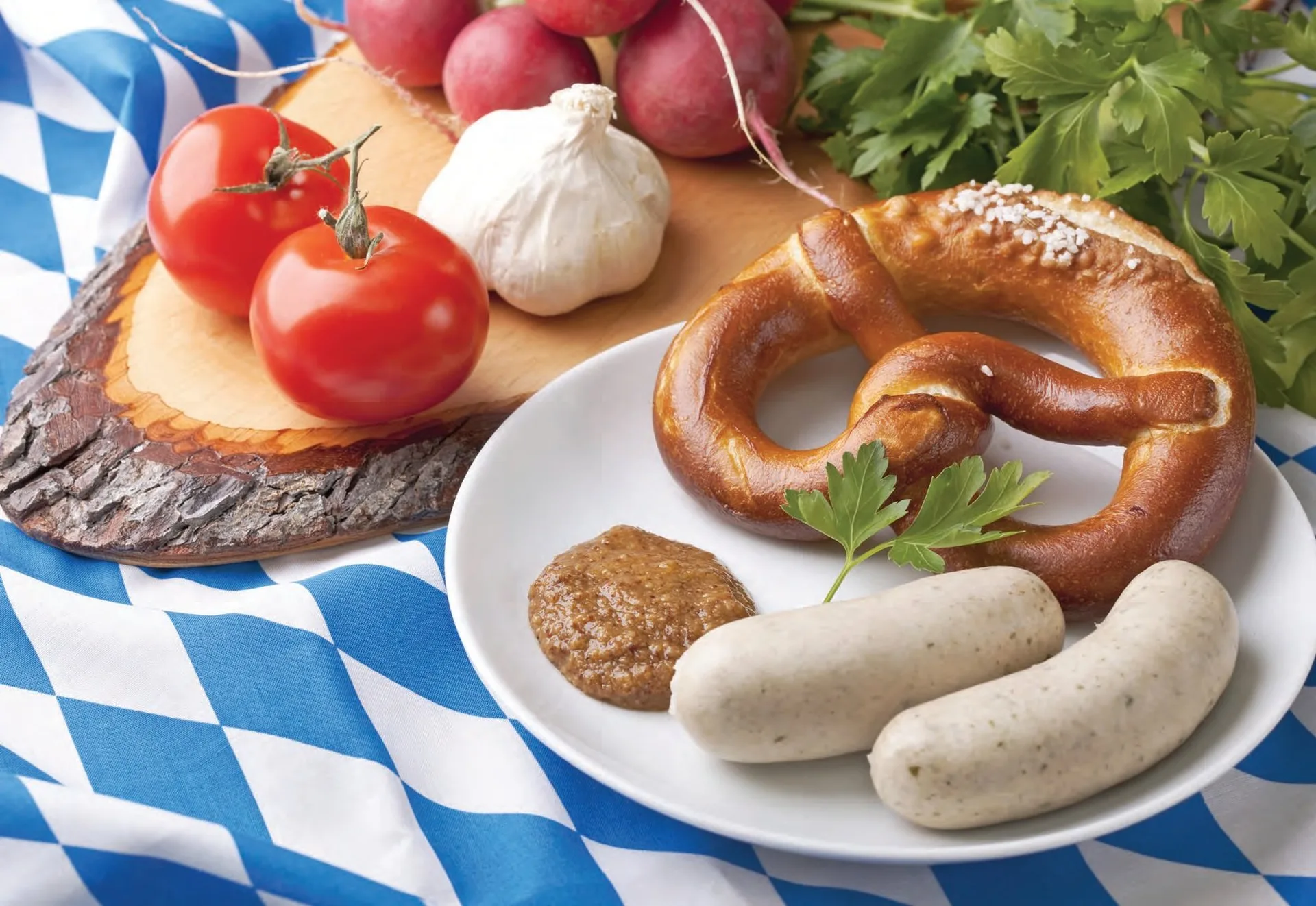
Bucătăria Bavariei este asemănătoare cu cea a Cehiei și Austriei, lucru demonstrat şi de variațiile aproape interminabile de găluşte fierte (carne, fructe, sau dulceață în cocă cu cartofi). În această zonă se pregătește tradiționala friptură crocantă de porc bavarez, servită cu varză murată. Carnea de rață cu varză roșie călită este foarte populară. O tradiție a zonei este al doilea mic dejun, când se servesc cârnații albi „Weißwürste“ cu muștar dulce și covrigi alături, precum și coroana porcului (coaste prăjite) cu pâine neagră și bere albă.
În bucătăria tradițională a regiunii de nord-vest se poate vedea apropierea de mare prin consumul de pește afumat, precum și, pentru a acoperi necesarul de calorii pe timpul iernii, consumul de cârnați grași de porc ca Bregenwurst, Kohlwurst și utilizarea aproape excesivă a slăninei afumate. Din această regiune provine „Birnen, Bohnen und Speck“ – pere cu fasole și slănină, „Labskaus“ – o mâncare din carne maturată, sfeclă roșie, castraveți murați și hering. Desertul cel mai îndrăgit este „Rote Grütze“, un amestec de fructe roșii servit cu lapte sau frișcă.
În zona nordică a Rinului carnea de cal este foarte apreciată, constituind baza pentru „Sauerbraten“, o mâncare gătită cu rădăcinoase și condimente din belșug. Alături de Berea Kölsch se servește „Halve Hahn“ (jumătate de cocoș) – o pâine de secară cu Gouda maturat iar la desert „Kartoffelpuffer“ – o plăcintă din cartofi cu piure de mere.
În Germania de nord-est găsim mâncăruri savuroase ca „Eisbein“ – ciolanul de porc, „Kasseler“ – ceafa de porc maturată, „Bockwurst“ – crenvurști, „Currywurst“ – cârnați prăjiți cu sos de curry. Sunt apreciate cărnurile de pește ca știuca și păstrăvul. În Brandenburg merită gustate torturile și prăjiturile, care au contribuit la faima landului.
Zona centrală este renumită pentru bucătăria gustoasă și berile excepționale, de aici provine cașcavalul de Harz cu grăsimi de sub 1%, „Leipziger Allerlei“ – un amestec de legume şi cârnații de Thuringia la grătar. Tot în această regiune se prepară cele mai apreciate sortimente de cârnați.
În ultima perioadă se simte din ce în ce mai mult în bucătăria germană tendința de a se alătura bucătăriei haute cuisine prin rafinarea mâncărurilor tradiționale, dar în același timp se simte și vântul globalizării prin prezența tot mai frecventă a pastelor și pizzei italiene dar și a Dönerului – devenit ușor-ușor aproape mâncare națională, cu o importanță națională – vânzările de Döner fiind duble față de vânzările totale ale fast food-urilor din Germania.