by Karina Gospei, photo archive Kokowa
In a market where the price of cocoa beans and cocoa butter is constantly rising, and where consumption in the United States and Europe averages around five kilograms of chocolate per person each year, cocoa and chocolate fluctuate between authenticity and imitation. Romania is no exception to this reality. However, alongside industrial chocolate producers, a market for artisanal, authentic chocolate has been steadily developing. These small producers work with organic cocoa, natural milk, cocoa butter, peanuts, coconut or pistachio, all one hundred percent natural, crafted in family-run workshops. We spoke with Oana Macovei, the woman whose name resonates with the Kokowa brand, about the bean-to-bar concept. Kokowa is the Romanian brand from Sfântu Gheorghe that proudly offers “Cocoa and chocolate with soul, from bean to tablet, jar or glass.”
A success story that began at Godiva and Harrods
Oana Macovei is a graduate of the Romanian Academy of Sciences and has loved chocolate since childhood, without knowing at the time that it would later become her purpose in business and a way of thinking. After graduating, she worked for a period in a Belgian artisanal chocolate factory in Brașov, then in sales in Crete, before moving to London, driven by ambition and a firm belief that Romanians could excel in top management roles, not only in the types of jobs often associated with migration.
“A friend invited me to London to work as a social worker, but that was not for me. I knew about major chocolate brands like Godiva and had heard they were hiring. I realized that applying online would not get me anywhere, so I went directly to the Godiva Circle store in Covent Garden and introduced myself. I went there on a Monday, had my interview on Wednesday, and by Friday they called to offer me a supervisor position. Once I joined, the manager, a wonderful Polish woman, noticed that I was taking on responsibilities beyond my role. She asked me about my ambitions, and I told her I wanted to work at Harrods. As it happened, the assistant manager there was pregnant, and they were looking for someone. That is how I ended up at Harrods, and within in two months I became Acting Assistant Manager and in a year and a half I rose to the position of Manager for the entire team",” says Oana, who signs herself Wanna on the Kokowa website to reflect the brand’s spirit.
From London back home to Sfântu Gheorghe, with a detour through Asia
“Once I became a manager at Harrods, I realized that the image I had built around prestige and financial success was, to some extent, an illusion. I was earning two thousand pounds a month, plus a five hundred pound bonus every three months, but London is an extremely expensive city. I had reached a point where I no longer had a personal life. My routine was limited to going to work, coming home, and reading self-development books. That was when I understood that I did not want to stay there, but that I had to find a way to return to Romania. I had also managed to save some money.”
“In London, I had access to all kinds of premium and super-premium chocolates, and I realized that, although for a long time I believed Godiva was the best chocolate brand, in reality it wasn’t. Once you look closely at the ingredients, your perspective changes. I also began reading about bean-to-bar chocolate and tasting bars that cost several hundred pounds for just 50 grams.”
So I bought a book about the craft bean-to-bar industry, which I enjoyed so much that I searched for the author, who happened to live in London. I wrote to him, then met him in person. He explained many things to me and gave me about twenty different bean-to-bar chocolates to taste. That is how my perception changed and how I fell in love with everything this type of chocolate represents. After this defining moment, Oana traveled alone to Asia, more precisely to Vietnam and Bali, where she visited cocoa plantations for 70 days, living what she calls a nomadic life, moving from plantation to plantation and discovering firsthand what real cocoa truly means.
“After that, I returned home to Romania. I was considering relocating to Cluj, and I already owned my own chocolate grinder, but I realized I was still far from being able to make my own artisanal chocolate. I enrolled in a high-ticket closing course focused on online sales, a job that allowed me to work from a laptop and continue living a nomadic life. I worked in sales for social media companies in Cluj and put the chocolate project on hold. For a year and a half, I did not pursue my bean-to-bar dream. But the universe had other plans. I was laid off by those companies, and that shock brought me back to reality. I realized I no longer needed to be anyone’s employee and that it was time to take care of my own business.
Christmas was approaching, and I did not have enough money to buy gifts for all my friends. At home, in Sfântul Gheorghe, I created my first recipe: peanut butter with naturally sweetened cocoa nibs, figs, and dates. I gave it to my friends, and they loved it. I then asked a wider circle if, were I to keep making this product, anyone would want it. Seventy people said yes, and that is how I sold my first products exclusively on Instagram.”
”As the bean-to-bar concept itself suggests, we start with the cocoa bean. We source the best ethical and organic cocoa beans from responsible farms, where pesticides and chemicals are not used, farmers are well trained and fairly paid, and fermentation is done correctly, which is an essential step.”
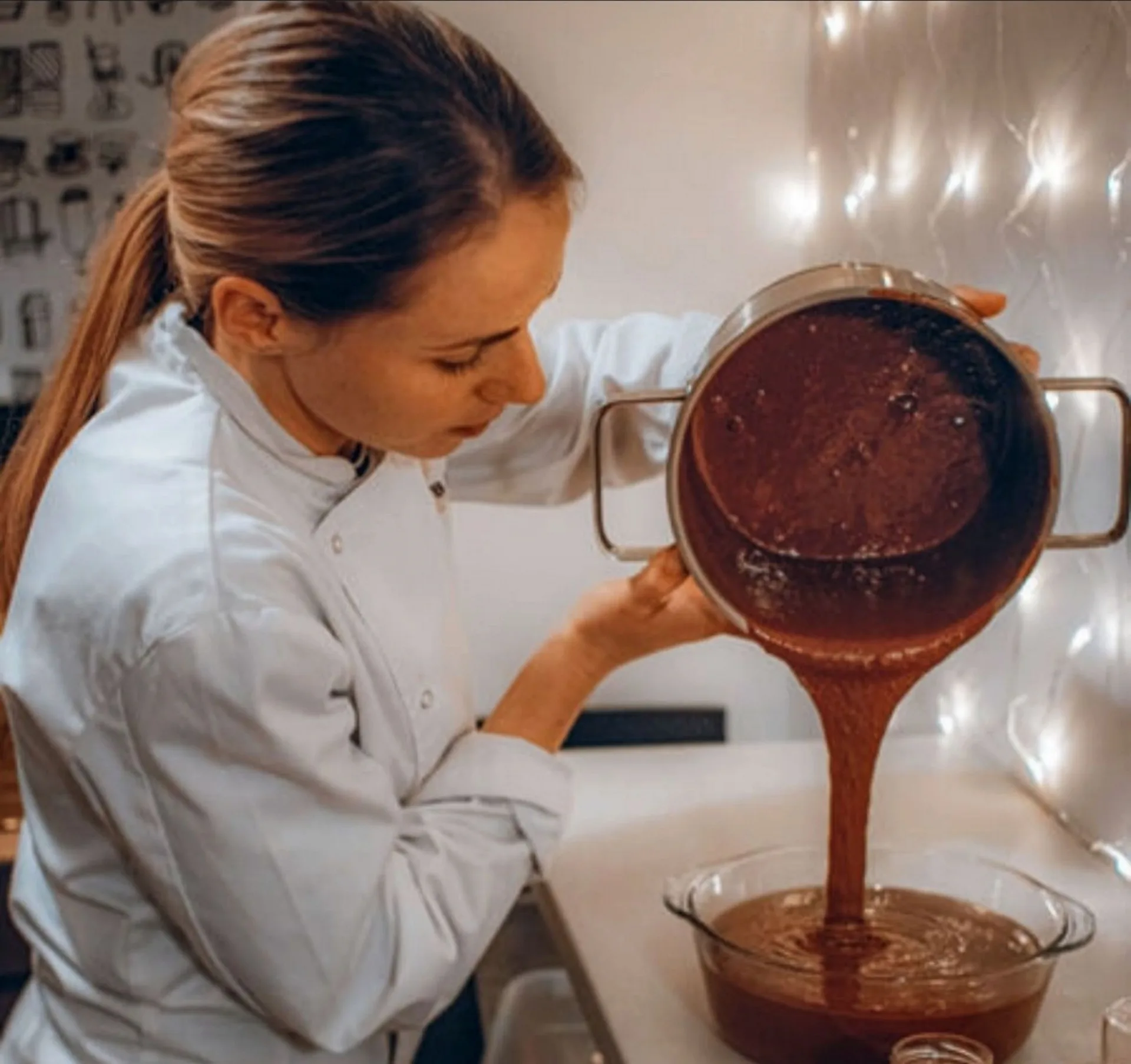
Wanna produces Kokowa bean-to-bar chocolate
Oana Macovei needed to find a name for the products she was about to create by hand, so she came up with Kokowa, keeping the K from cocoa and Xocolatl, the original name of the Aztec drink, while also incorporating a part of her own name, since she told her English friends to call her Wanna.
“I had initially thought of a longer name, something like Chocolate Factory, but then I realized that all the big brands have short, memorable names, so I stayed with Kokowa. I also entered a business competition, where I won the grand prize, 2,000 lei to finance my company and website. That is how I secured my first large order of peanut butter with cocoa nibs, figs, and dates, an order big enough to give me momentum and allow me to invest in new equipment. In fact, I reinvested everything I earned, and today we have our own chocolate laboratory, which is already Instagrammable,” she laughs.
The bean-to-bar concept literally means from bean to bar and has developed in recent years because modern equipment allows chocolatiers to create chocolate according to their own original recipes, something that is not possible in industrial chocolate production. In other words, bean-to-bar chocolate is closer to nature and to the idea of an organic product, because it is a completely transparent process in which every stage, from harvesting and fermentation to roasting and grinding, is controlled by the same producer.
In industrial chocolate, cocoa beans often come from mixed sources, are processed on a large scale, and lose the complexity of their natural flavors. By contrast, bean-to-bar chocolate is made from beans of a controlled origin, produced by hand in small batches, usually from a single region.
Of
course, the entire process is far more expensive, and mass-produced chocolate
sold at a low price can never truly be a natural product. “As the bean-to-bar
concept itself suggests, we start with the cocoa bean. We source the best
ethical and organic cocoa beans from responsible farms, where pesticides and
chemicals are not used, farmers are well trained and fairly paid, and
fermentation is done correctly, which is an essential step. In the industrial
chocolate industry, cocoa plantations are often monocultures, which is not
sustainable. Cocoa should grow in its natural environment, alongside other
plants, so it can develop its complex flavor profile. At Kokowa, we work with
partners from Belgium who supply cocoa beans from sustainable, organic farms,”
Oana explains.
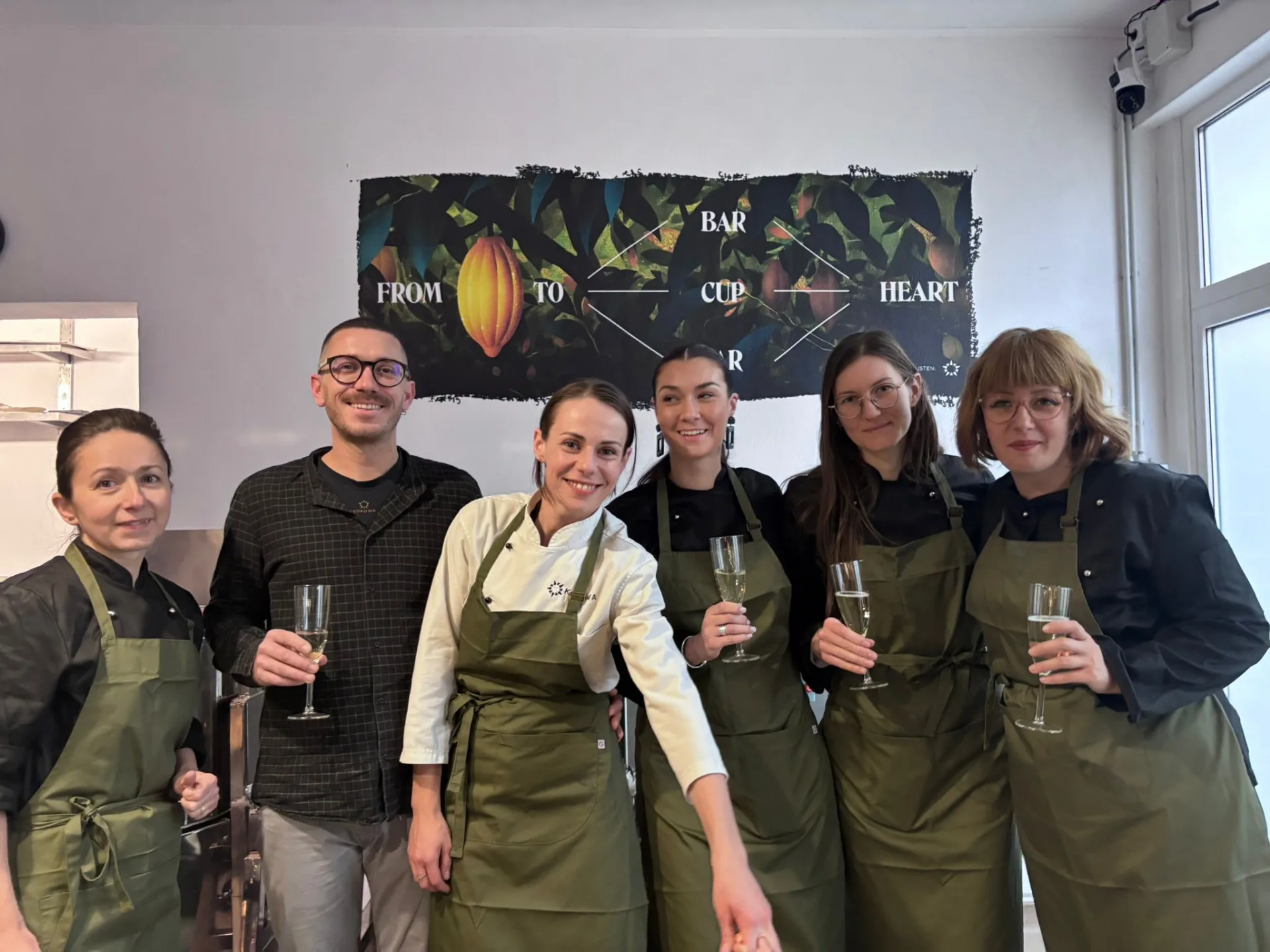
”Cocoa is a superfood, and the cocoa tree is a holistic plant. If we integrate it into our daily lives, it can bring benefits both physically and mentally.”
The artisanal chocolate market in Romania is booming
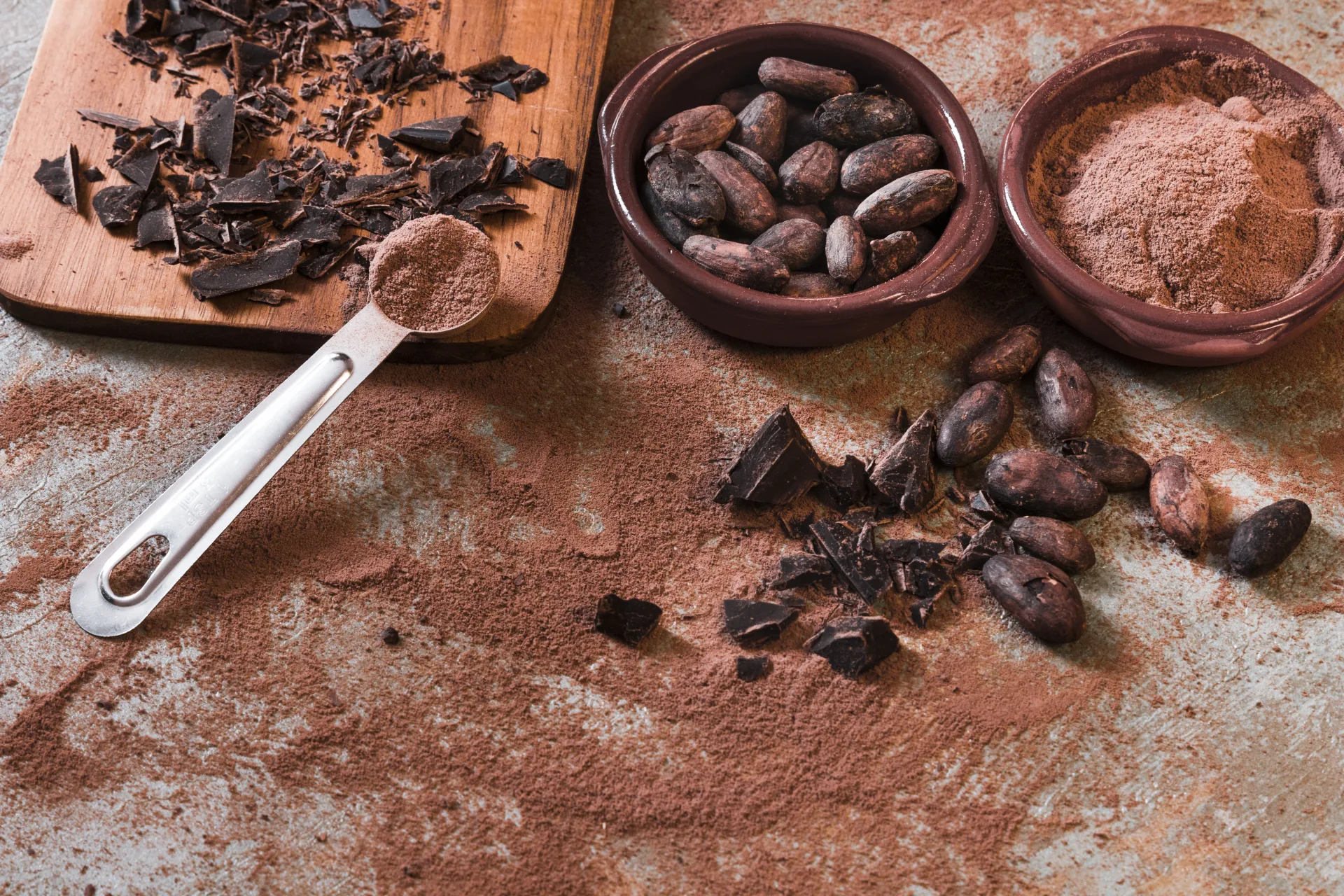
Today, Kokowa offers chocolate lovers three types of products: lightly roasted cocoa beans, which can be eaten as they are or used for ceremonial cocoa, hot chocolate, and cocoa infusions, all 100% natural, without refined sugar or additives; chocolate bars, dark, milk, or fruit-infused, made with pure cocoa, organic cocoa butter, organic coconut blossom sugar, and sometimes a small amount of whole milk powder, with 26% fat and high-quality, natural milk; and artisanal nut butters in jars, including hazelnut, peanut, pistachio, and almond butter, made from simple ingredients, slowly roasted and transformed into smooth, velvety creams, without added sugar or unnecessary oils. The cocoa beans used in Kokowa products come from Nicaragua, Ecuador, and Peru, and their flavor profiles are distinct, much like wine, where terroir speaks for itself.
All Kokowa products are safe for consumption because even the sugar used is natural. “In industrial chocolate, whole milk is often replaced with vegetable fats such as palm oil, the cocoa beans are of lower quality, and the sugar is highly processed. In our products, the sugar comes from coconut blossom, which has a lower glycemic index than other types of sugar.”
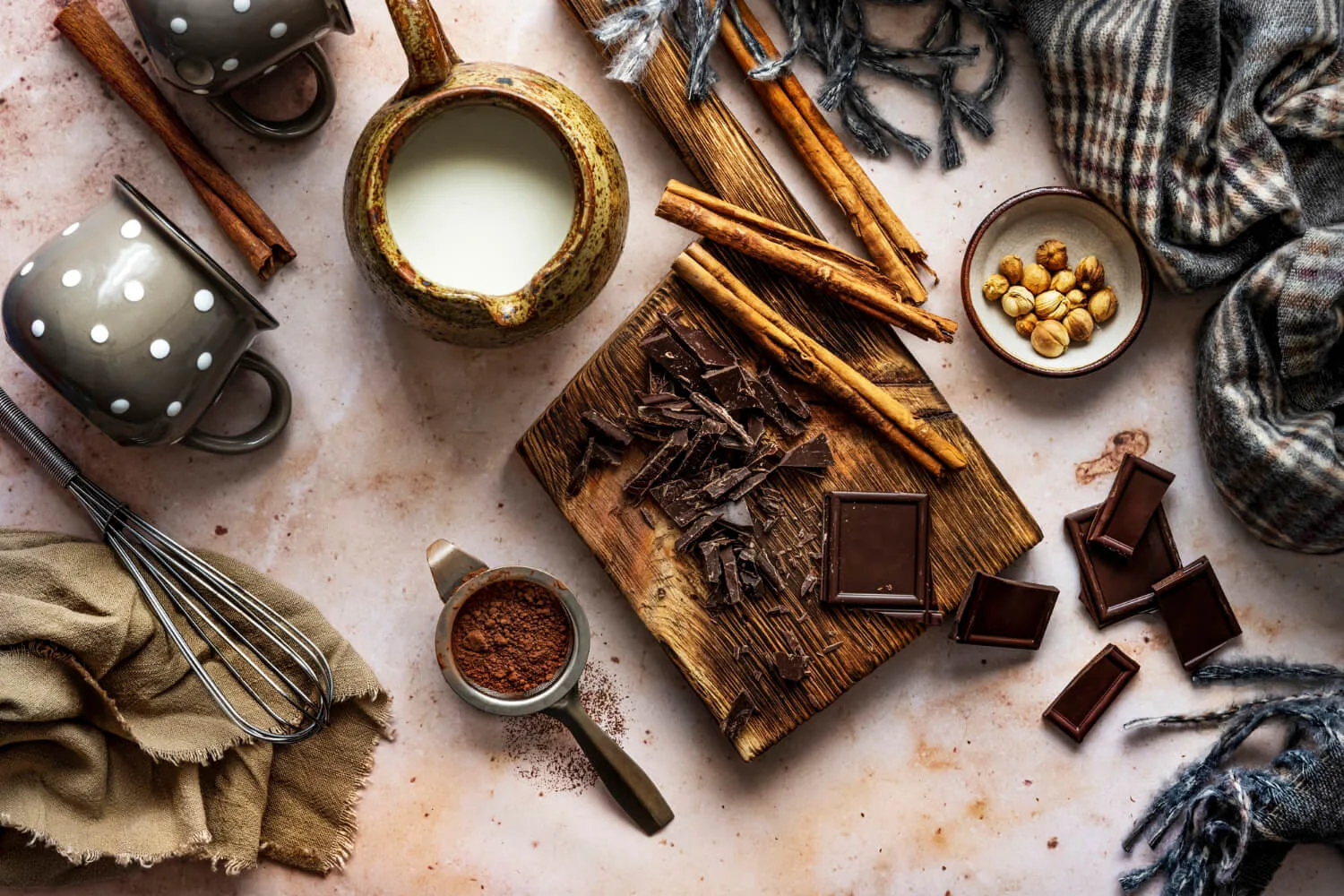
What does low-quality cocoa beans mean? It refers to cocoa sourced from countries such as Ivory Coast and Ghana, where prices are very low because production is not fully sustainable. In many cases, child labor is involved, and the beans arrive with impurities such as pebbles and twigs. Chocolatiers working with such beans face losses due to poor quality and often try to mask these defects with chemical substitutes. At Kokowa, these problems do not exist, because the beans are sourced through distributors in Belgium, who also process them using a cryogenic method that eliminates insects, which could otherwise compromise the flavor of the final chocolate.
In recent years, the artisanal chocolate market in Romania has grown significantly, and this is reflected in Kokowa’s sales as well. “We receive many orders thanks to our Facebook and Instagram campaigns, which we run together with our marketing team, a group of very talented young people who gave us the boost we needed. We do not yet have a physical store, but people can visit our workshop and taste our products. Usually, those who come once return. We do not yet have a dedicated space for chocolate workshops, although I do organize such workshops, and we plan to create one. Cocoa is a superfood, and the cocoa tree is a holistic plant. If we integrate it into our daily lives, it can bring benefits both physically and mentally. At the moment, I want to focus more on ceremonial cocoa, but this concept is still being developed.”
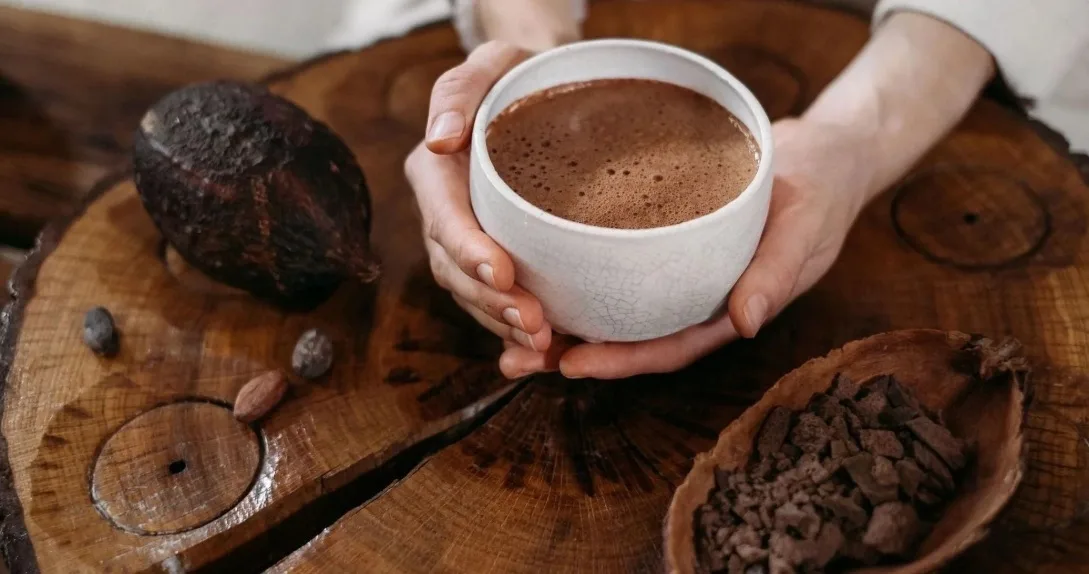 https://kokowa.ro/?srsltid=AfmBOooMDnxp2y3gQllIocdJRzP5Q3Gu7lsZkR0-YcSOPQtR91GVZwMN