by Istvan Pentek
At the Southern and Western border there is a strong influence coming from the French Alsace; here, the typical dish is called “Flammkuchen” – a thin dough filed with onion and smoked bacon, oven baked and served with plenty of fat sour cream.
In the Saar region, the “Dibelabbes” – a potato dish with bacon and fried onion – has a well known tradition and the sauerkraut is cooked with white wine. During the winter, “Saumagen” is prepared, something somehow similar to the Romanian toba. Frequently there are cooked dishes made of the prey from Black Forest; the most famous recipe is the Baden- Baden deer steak. Some traditional deserts are: warm “Kirschenmichel” based on cherries and the Black Forest Cake with whipped cream, created around 1930. Its main ingredients are dough, dark chocolate crispy biscuits, cherry flavored whipped cream, cherries and shaved chocolate for the garnish. The Swabs have more simple cuisine, they use a lot of “Spätzle”– thick pastas made from farina, eggs and water – as a traditional side dish. Another particularity of this local community is the cooking of liver, kidneys, beef tripe.
The Hessen area is known for the special vinegar ripened cheese, served with chopped onion; the green Frankfurt sauce (mayonnaise with green spices) with whole boiled potatoes; the Frankfurt ribs with sauerkraut and mashed potatoes.
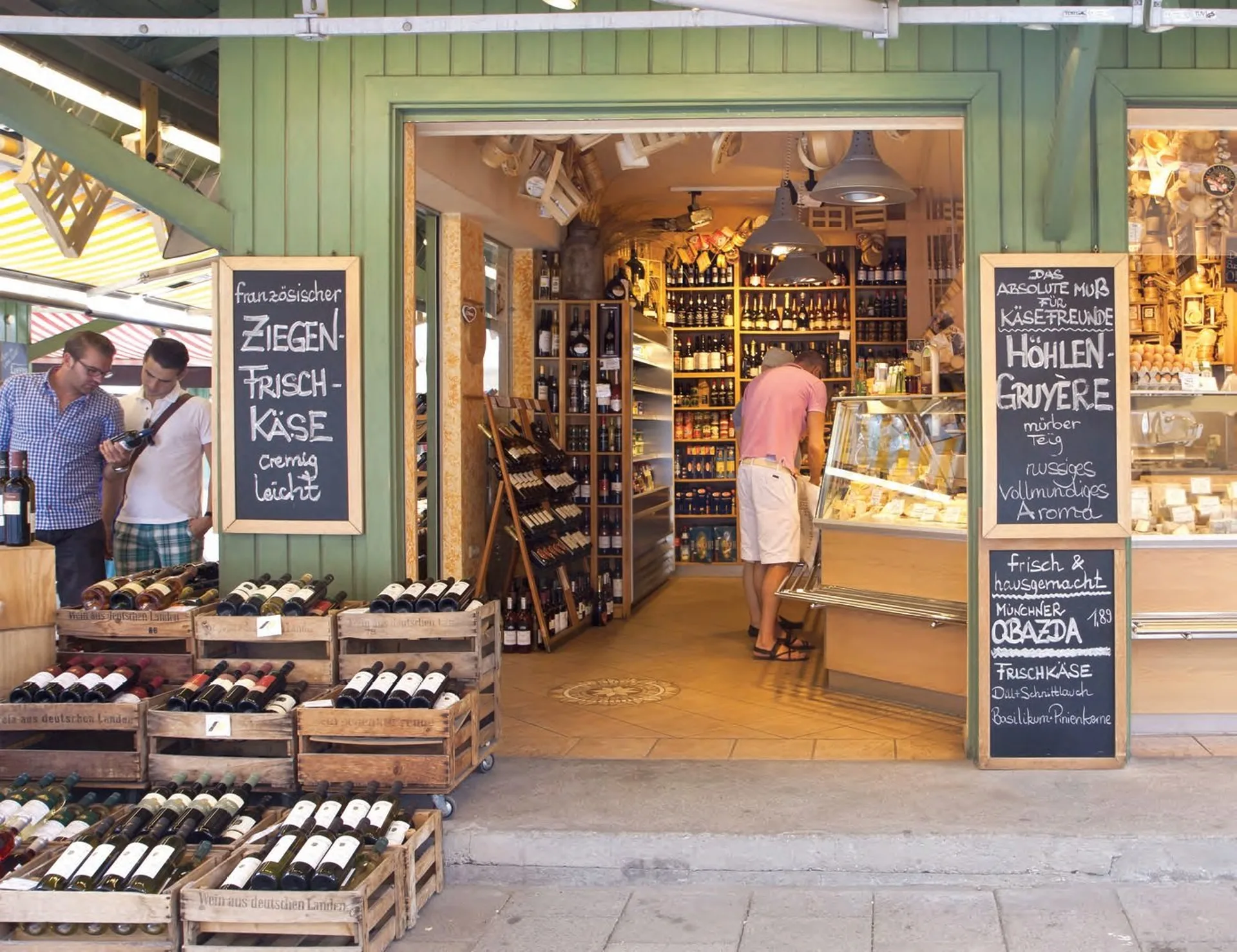
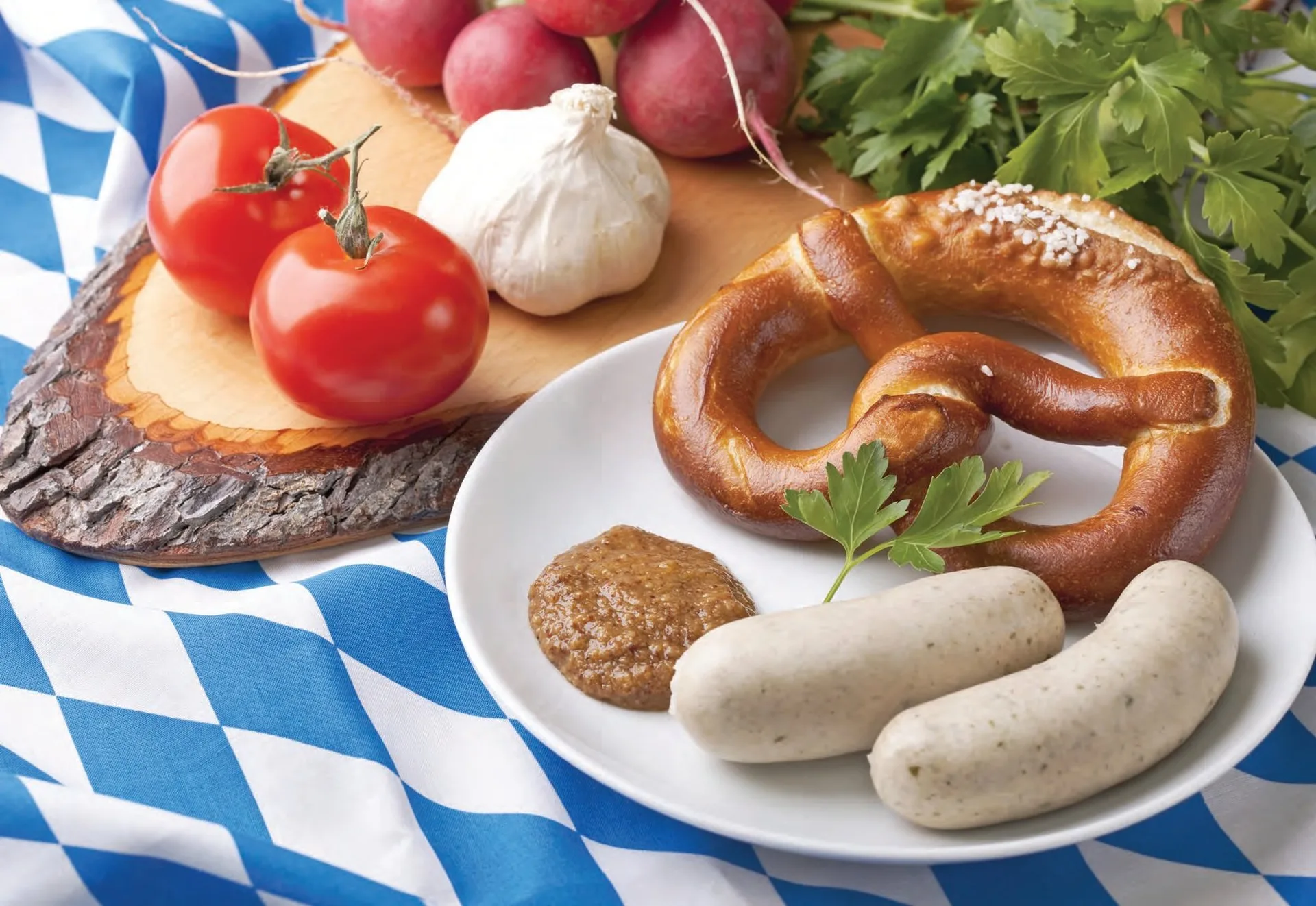
The Bavarian cookery resembles a great deal to that of Austria and of the Czech Republic, fact that was also proved by the infinity of boiled dumplings variations (meat, fruits or jam in potato dough). The people in this area eat a lot of the traditional crunchy Bavarian pork steak, served with sauerkraut. Duck meat cooked with roasted red cabbage is also very popular. One of the traditions around here is eating a second breakfast that contains the white sausages „Weißwürste” served with sweet mustard and pretzels, and also crown roast of pork served with brown bread and white beer.
Looking at the North-Western traditional cuisine we can see the influence of the near-by seaside – a lot of smoked fish is consumed and also – in order to get the calories they need during the winter - people eat fat pork sausages, such as Bregenwurst, Kohlwurst and they almost abusively consume smoked bacon. This is where “Birnen, Bohnen und Speck” comes from – pears with beans and bacon, “Labskaus” – a dish cooked from ripened meat, red beetroot, pickled cucumbers and herring. The most popular desert is „Rote Grütze, a blend of red fruits served with milk or whipped cream.
The people living in the Northern area of the Rhine greatly appreciate horse meat and they use it as base for “Sauerbraten” - a dish cooked with root vegetables and lots of spices. They serve Kölsch beer whenever they eat “Halve Hahn” (half of rooster) – rye bread with ripened Gouda cheese and for desert “Kartoffelpuffer” - potato pie with mashed apples.
In the North-eastern part of Germany we find delicious dishes such as “Eisbein” – pork barrels, “Kasseler” – ripened pork scruff, “Bockwurst” – hot dogs, “Currywurst” – fried sausages with curry sauce. The people here appreciate fish, such as pike and trout. In Brandenburg, the cakes are worth the try as they brought the land lots of fame.
The central area is famous for the tasty cookery and the exceptional beers; this is where Harz cheese (with less than 1% fat) comes from, “Leipziger Allerlei” - a mix of grilled vegetables and Thuringia sausages. This is where the most appreciated varieties of sausages are being prepared.
We can see that, in the recent years, there is an increasing trend of the German gastronomy to join haute cuisine by refining its traditional dishes; but, at the same time we can sense the globalization coming through – Italian pastas and pizzas are more and more popular and so is the Döner, that slowly became a national dish, of a national importance – the Döner sales doubled in comparison with the total German fast-foods sales.