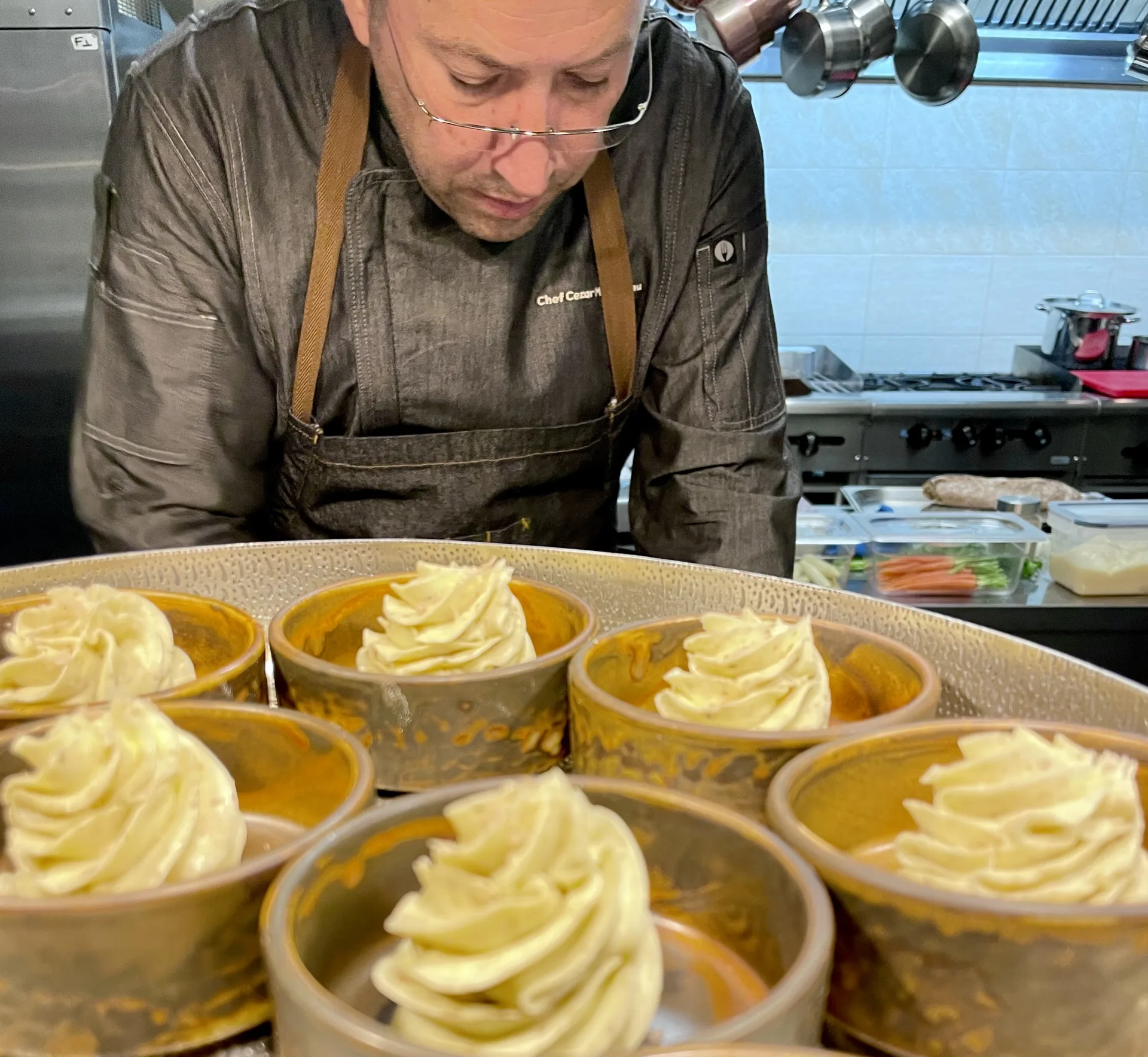
by Alice-Claudia Gherman, photo archive Cezar Munteanu
A Chef Who Turned Cooking into a Form of Representation
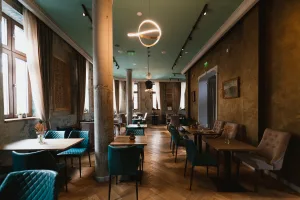
At Chef Atelier, a boutique restaurant with an open-kitchen concept, a cookbook with yellowed pages and a fragile cover holds the beginnings of a professional story spanning 36 years. It is the book he first tried to cook from as a child. By playing with ingredients, he gradually discovered that the kitchen could be more than a place for experiments: it could become a path in life.
“It means a great deal to me. It’s a piece of the beginning of my story,” says Chef Cezar Munteanu. The book is still here at Chef Atelier, though the man who opens it today cooks in a different way. In time, play turned into a profession, and that profession grew into a journey that is connecting the kitchen with diplomacy, education, entrepreneurship, international competitions and that is representing Romania.
The decisive moment came when he was about 15 years old. He prepared Peach Melba - a baked peach served with ice cream - and the reaction of those who tasted it made a lasting impression. “That was the moment I knew I wanted to become a chef.” Then came the following: school, training at a restaurant on the Romanian coast and his first jobs in professional kitchens. The choice had already been made
A Craft to Be Learned, Not Stolen!
For Cezar Munteanu, a career in gastronomy was not built on a single revelation, but on hard work, discipline and encounters with people he could learn from. That is why he firmly rejects a familiar saying in the profession: “meseria se fură” [You steal the craft].
“You don’t steal the craft; you learn it. If you steal it, you risk doing it badly,” he says. Behind this conviction lies one of the principles that has shaped his career: a true professional passes on more than techniques and recipes -they explain the reasoning behind them, too. “You need people who will explain not only how something is done, but why it’s done that way.” It is the reason why he speaks so often about mentorship today. In his view, one of the challenges facing Romanian gastronomy is the lack of true mentors: people willing to teach, to explain and to take responsibility for passing the craft on.
He continued his education throughout much of his career and, over the years, met many professionals who influenced his path. For him, learning does not end with a diploma or a senior position. In the kitchen, curiosity must always be kept alive.
From Mangalia to Culinary Diplomacy
His professional journey began in a place that might seem unexpected for a chef: the Ministry of Foreign Affairs. In 1993, while serving his military service at the Ministry, he found himself working in protocol in Mangalia. Then, in November 1994, a phone call changed the course of his career. He was summoned to Bucharest to coordinate dining arrangements for official events.
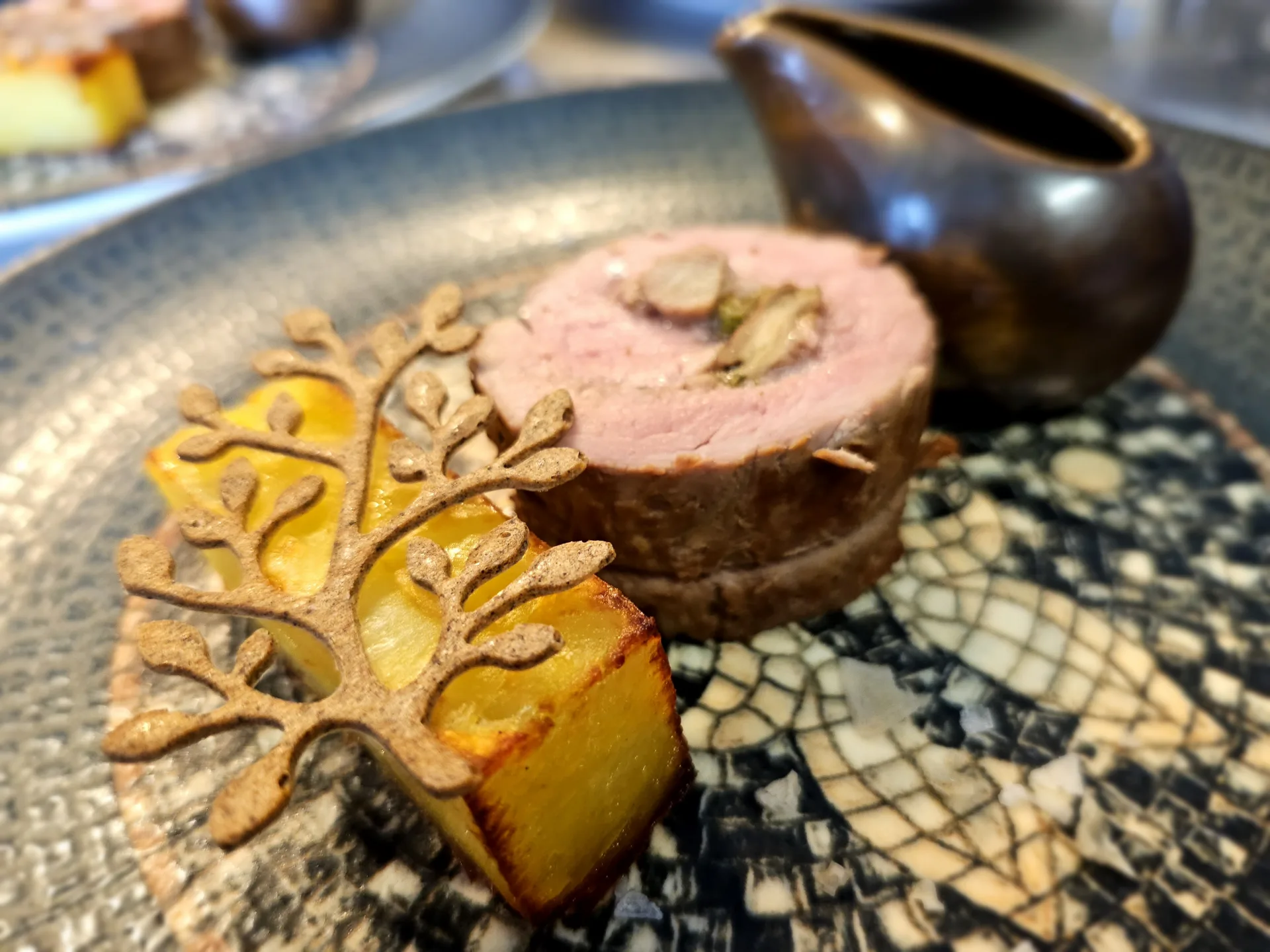
Fourteen and a half years at the Ministry of Foreign Affairs followed - a period in which the kitchen met diplomacy. He worked in Rome, Vienna and Washington D.C., at Romanian missions and in settings where every detail could convey a message. Rome played a particularly important role. A special position was created for him, as no such role had existed in the organisational structure since the communist era. It was also there that he learned to cook fish properly “ironically, for someone who came from Mangalia”. He deepened his knowledge of pasta, risotto, Mediterranean combinations and flavours that would remain part of his cooking style. Those years taught him that food can represent a country.
“The plate in front of a guest is not
just food. It is also a form of representation,” he explains, recalling the
menus he prepared for official visits and the dinners attended by presidents,
prime ministers, diplomats, politicians and international figures. The Experience
also taught him discretion. The name of the person at the table should not
change the way you cook, he believes. “You don’t have to cook ‘importantly’ for
important people. You have to cook exceptionally well.”
When the Path Takes a Turn
In 2009, as he was preparing to move to Brussels, he chose to resign from the system he had worked in for more than fourteen years. It was not an easy decision, and the period that followed was far from straightforward. Yet that very break would open up new directions.
He moved into training, hospitality and restaurant management and consultancy. At THR, he began teaching and discovered how much he enjoyed helping others develop their skills. He then joined Continental Hotels, one of Romania’s largest hotel groups, where he learned to look at the kitchen through an entrepreneur’s eyes, not just an employee’s. In 2010, he moved on once again and began building projects of his own.
“Sometimes, the thing that seems to interrupt your path is exactly what changes it for the better.” Education, hotel work, consultancy and entrepreneurship followed, along with his own restaurant, Cezanne, and later Chef Atelier. Alongside these came international competitions, his work with the National Association of Chefs and Pastry Chefs in Tourism - Romania (ANBCT), and his involvement with Bocuse d’Or. Looking back, he does not see a succession of different careers. He sees the same profession taking him to places the child who made Peach Melba could never have imagined.
“The plate in front of a guest is not just food. It is also a form of representation”
Between the Apron and Responsibility
Today, no two days in Cezar Munteanu’s life are quite the same. The morning might begin with an ANBCT project, followed by a consultancy meeting; over lunch, he might discuss a competition with colleagues from other countries. The afternoon could be spent working with young chefs or preparing a new project. “I’ve gone from a time when almost my entire professional world was the kitchen to one in which gastronomy also means education, diplomacy, consultancy, competitions, professional organisations and representing Romania.”
He wears his Chef Atelier apron less and less often, he says. That is precisely why the evenings when he cooks there have become more meaningful. For those hours, he sets aside administrative roles, projects and responsibilities, in order to return to the simple act that started it all. “That’s where things fall back into place.”
For him, a good chef is defined by more than what they can put on a plate. Cooking is the starting point. Beyond that, the job calls for discipline, character, professional integrity, curiosity, resilience and the ability to lead people. In certain settings, discretion matters too.
Discipline, he says, does not mean shouting louder than everyone else or throwing a knife at an apprentice, something the celebrated James Martin recounted on a TV Paprika programme how it once happened to him. It means that everyone knows what they need to do, to respect the ingredients, their colleagues and the time they have. In a kitchen, creativity has to coexist with flames, knives, temperatures, timings and food safety. “Without discipline, creativity very quickly turns into chaos.”
Keeping Calm Under Pressure
After 36 years, Cezar Munteanu does not claim to have reached perfection. “I haven’t yet achieved gastronomic nirvana,” he says with a smile. He does not always manage to stay calm, either, but experience has taught him one essential thing: panic solves nothing. “If you have a problem and five people panicking around it, you already have six problems.”
During service, what matters is the next step: what can be dealt with immediately, what can wait, and who needs to take responsibility for each task. Analysis and frustration can come later. The guest should never know that, just a few minutes earlier, the kitchen seemed on the verge of falling apart.
The same idea informs the way he thinks about technique. Technique is not the opposite of creativity; it is the tool that makes it possible. Before changing a rule, you need to understand why it exists. “Otherwise, it’s not reinterpretation. It’s an accident.” And sometimes the hardest test of skill is knowing when to stop. A simple plate can be harder to create than one crowded with techniques and flourishes.
Foie Gras, but Not a ‘Signature Dish’
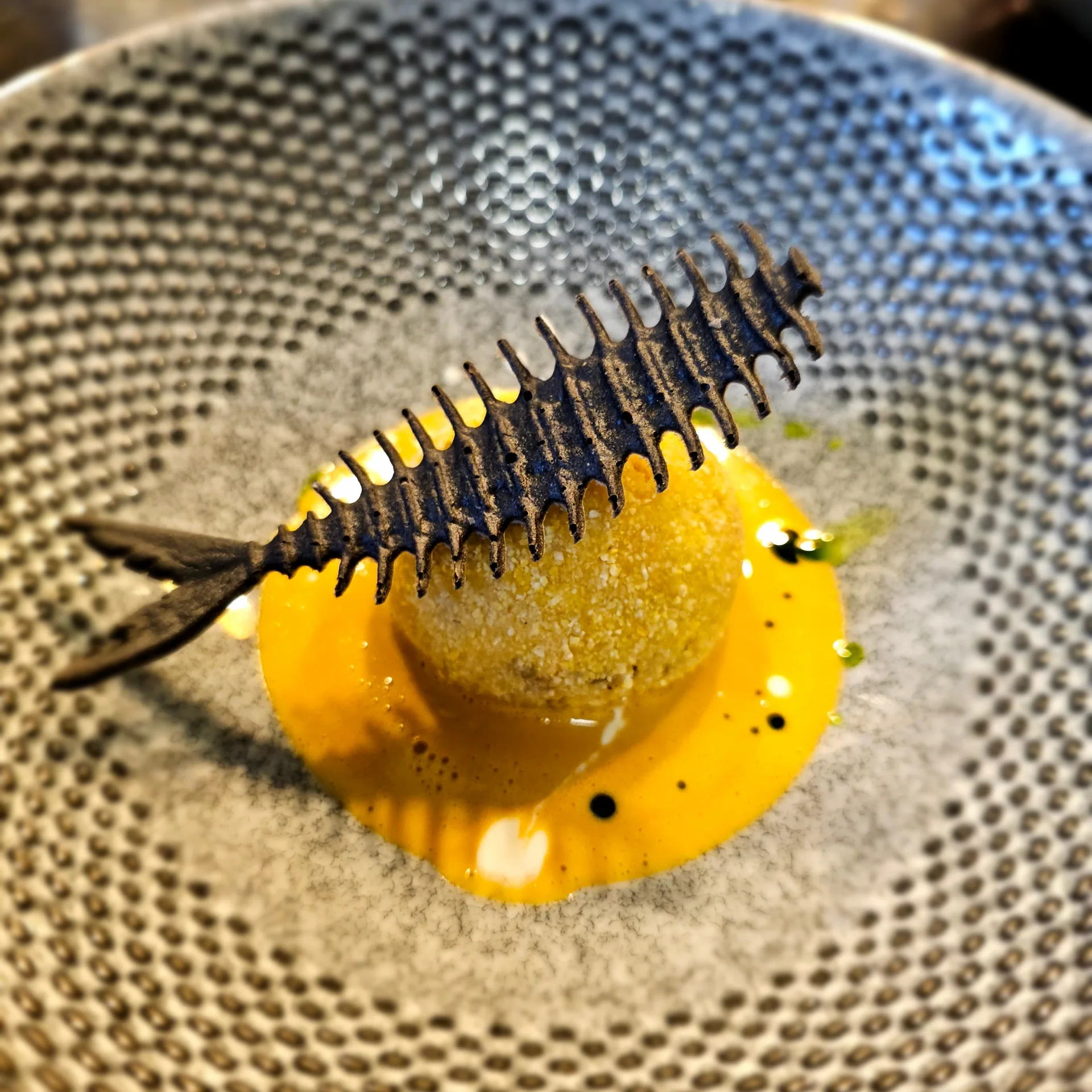
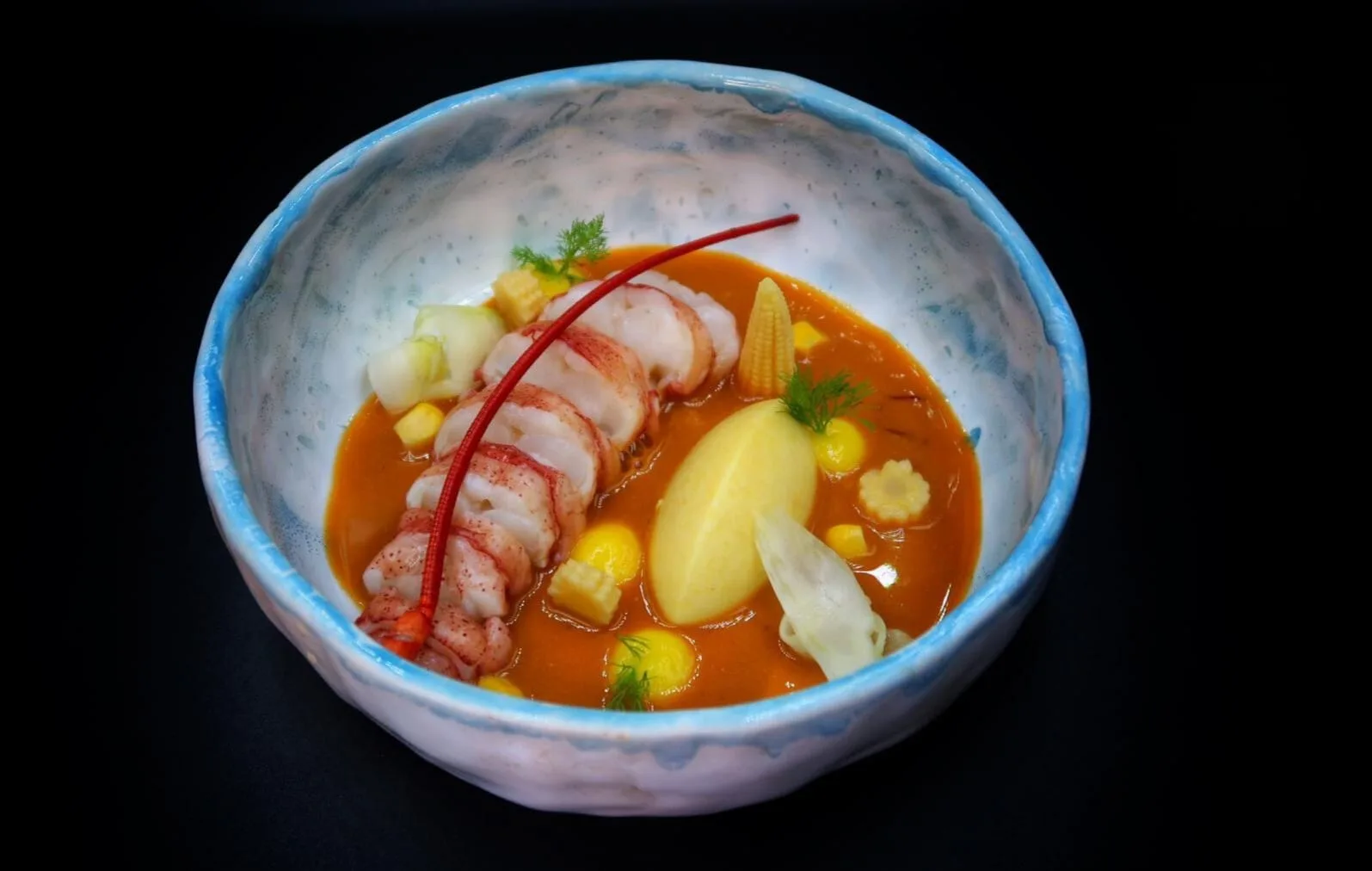
At Chef Atelier, foie gras has become something of a trademark. Its preparation takes three days, with one day set aside solely for marinating it in Cognac. There are no shortcuts if he is to achieve the texture and flavour he is looking for. Even so, Cezar Munteanu does not want to become a prisoner of a signature dish. If he had to say what truly represents him, he would name not a recipe, but “the flavour and the time given to food”.
He has no interest in letting technique shout from the plate. If it becomes more important than flavour, something essential has been lost. Inspiration comes from the ingredient: truffle, asparagus, beetroot, vegetables, cheese, goat’s milk, smoked flavours. Sometimes it begins with a journey, a wine, a memory or a technique he wants to take in a new direction. But the ingredient remains the starting point.
Tradition Is No Museum Piece
Tradition has an important place in Cezar Munteanu’s cooking, but not as something to be kept behind glass. A recipe is not honoured simply by repeating its steps mechanically. You have to understand its place, its season, its community, its ingredients and the need that gave rise to it.
“Gastronomy begins with agriculture,” says the celebrated chef. Before the chef comes the ingredient; before the ingredient comes the farmer, the livestock breeder, the fisher or the small producer. This is also the source of one of his abiding concerns: the disappearance of local producers. If they disappear, supermarket shelves will not be left empty. There will still be cheese, meat and vegetables, perhaps even products bearing the same names. But the connection between the food and the place it came from will gradually be lost. With it flavours, varieties, breeds, techniques and ultimately, part of our identity will be lost. “Our gastronomic heritage is not just the recipe. It is also the person who still knows how to produce the ingredient that gives the recipe meaning.” Tradition survives when the next generation finds a reason to carry it forward, not through rigid preservation, but through a living continuity that can adapt without losing its roots.
What You Leave Behind
The greatest satisfaction in the profession is no longer just the plate. At first, the goal was to get a dish right, then very right, then better than the day before. Today, the joy also comes from a successful evening at Chef Atelier, a project brought to life, or seeing Romania take part in an international competition where, years ago, it did not even have a seat in the room.
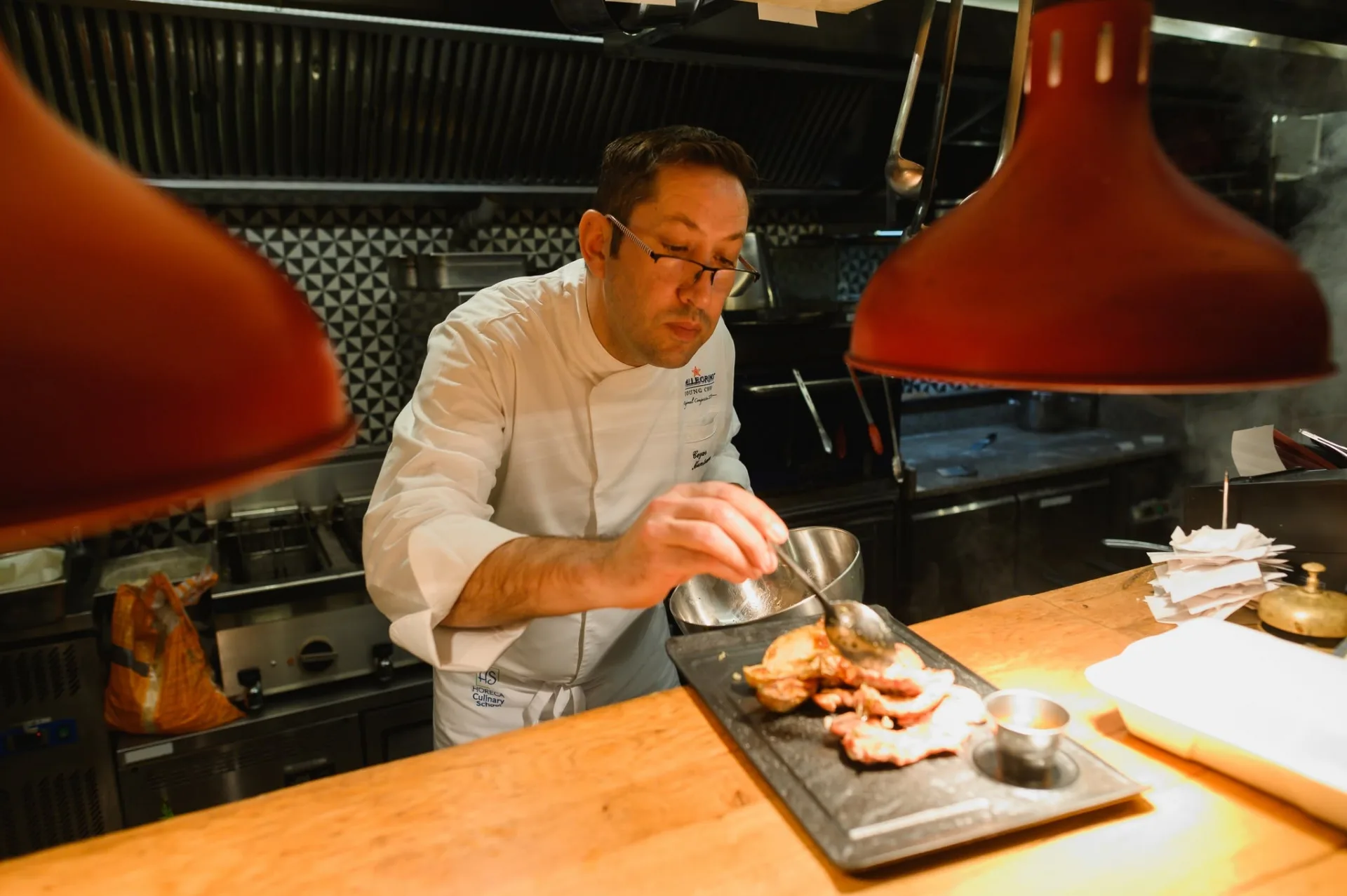
But his greatest satisfaction comes from the people. He has taught, mentored and worked with many young people who are now making their way in restaurants, hotels and competitions in Romania and around the world. Some have gone far beyond where they began together. This, he feels, is the most rewarding part of the profession: what you have learned does not end with you. It is passed on through gestures, explanations, high standards and the trust you place in those who follow. And between the cookbook’s yellowed pages and the young chefs he mentors today lies, in essence, the same story: that of a man who began by playing at cooking and, 36 years on, still hasn’t tired of his craft.
A Craft Passed On
Years in gastronomy have taught him that differences between people grow smaller around a good table. Job titles, status and pride recede; what matters is how people feel as they sit together. “People sometimes forget what you put on their plate, but they remember for a very long time how they felt at your table. That is hospitality.”
Cezar Munteanu brings the same philosophy to his relationships with his teams and young chefs. “A chef without a team is just a very busy cook.” He believes in high standards, not fear, and in developing people through explanation, correction and trust. Over time, he has also learned that a leader cannot do everything alone: delegating and passing on knowledge matter just as much as personal performance.
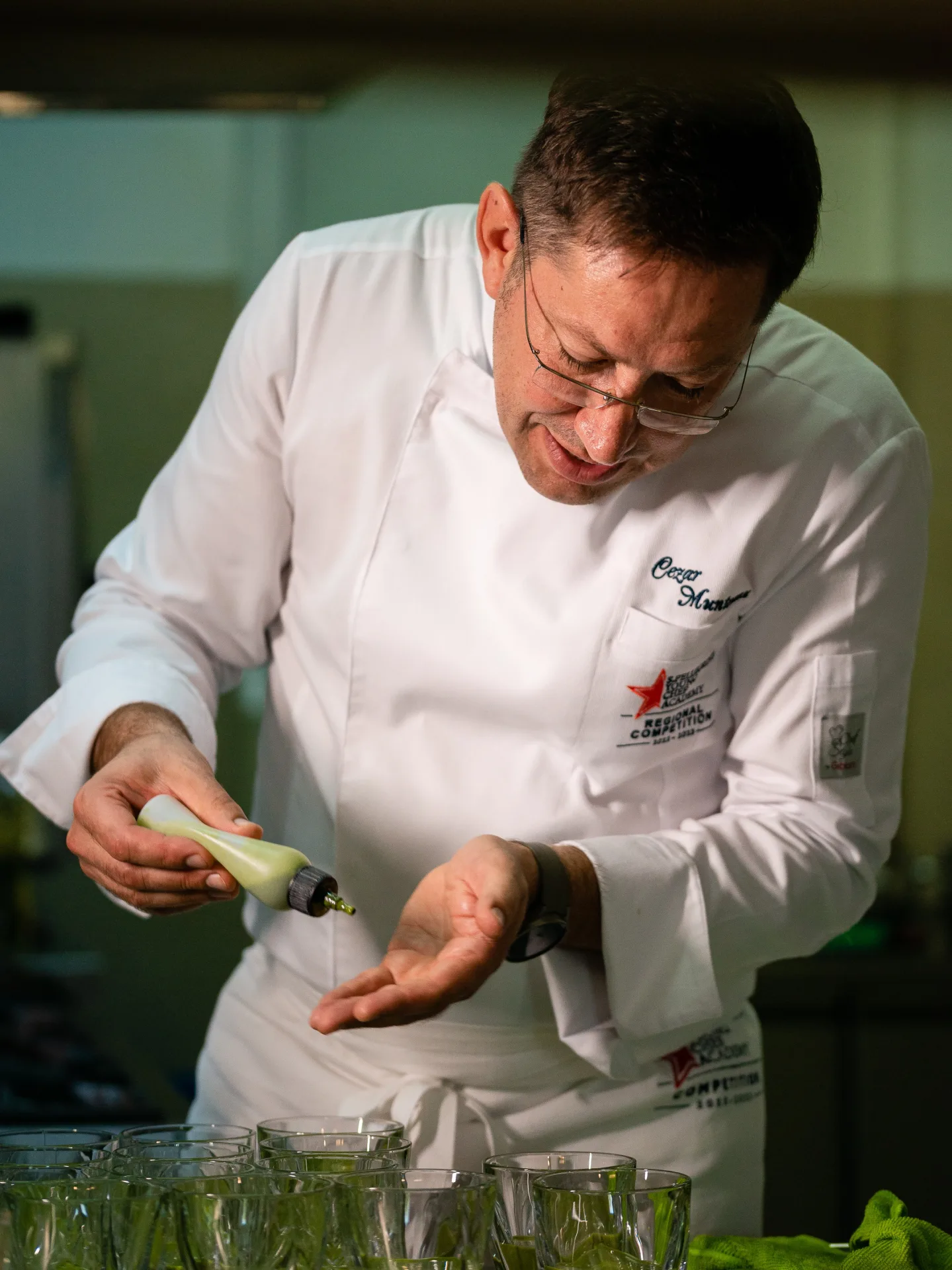
“I’ve spent 36 years in this profession, and I’m still learning. I’ve done that everywhere I’ve worked, and I continue to do it today. These days, the title of ‘chef’ can come much sooner than the experience to match it, but people quickly recognise the difference between a title and an experienced cook.”
Through his involvement in the national selection for Bocuse d’Or Romania - the competition that chooses the team of chefs who will represent Romania at the prestigious international culinary contest - Chef Cezar Munteanu is trying to create a pathway for those just starting out: from vocational training to mentoring, practice and international competitions. “If we want Romanian gastronomy to be better ten years from now, we have to work with the people entering the profession today.” His advice to them is simple: don’t rush to become chefs; first become very good cooks - work, taste, read, travel, ask questions, and don’t be afraid to say, “I don’t know.”
Cezar Munteanu believes that Romania has young people with potential and talent, but that they should not have to rely on luck to succeed. “Young Romanians today are incomparably better connected than we were. They have instant access to techniques, information, chefs from all over the world, work placements, competitions and ideas. And we can already see in international competitions that they can stand shoulder to shoulder, without feeling out of place, with young people from countries with strong culinary and competition traditions. Our problem lies elsewhere. A highly talented young person in a country with a mature culinary system has a whole support network around them: education, mentors, infrastructure, training, competitions, funding and continuity. Here, all too often, a young person has talent and luck. I’d like to take luck out of the equation.”