by Dan Aldea
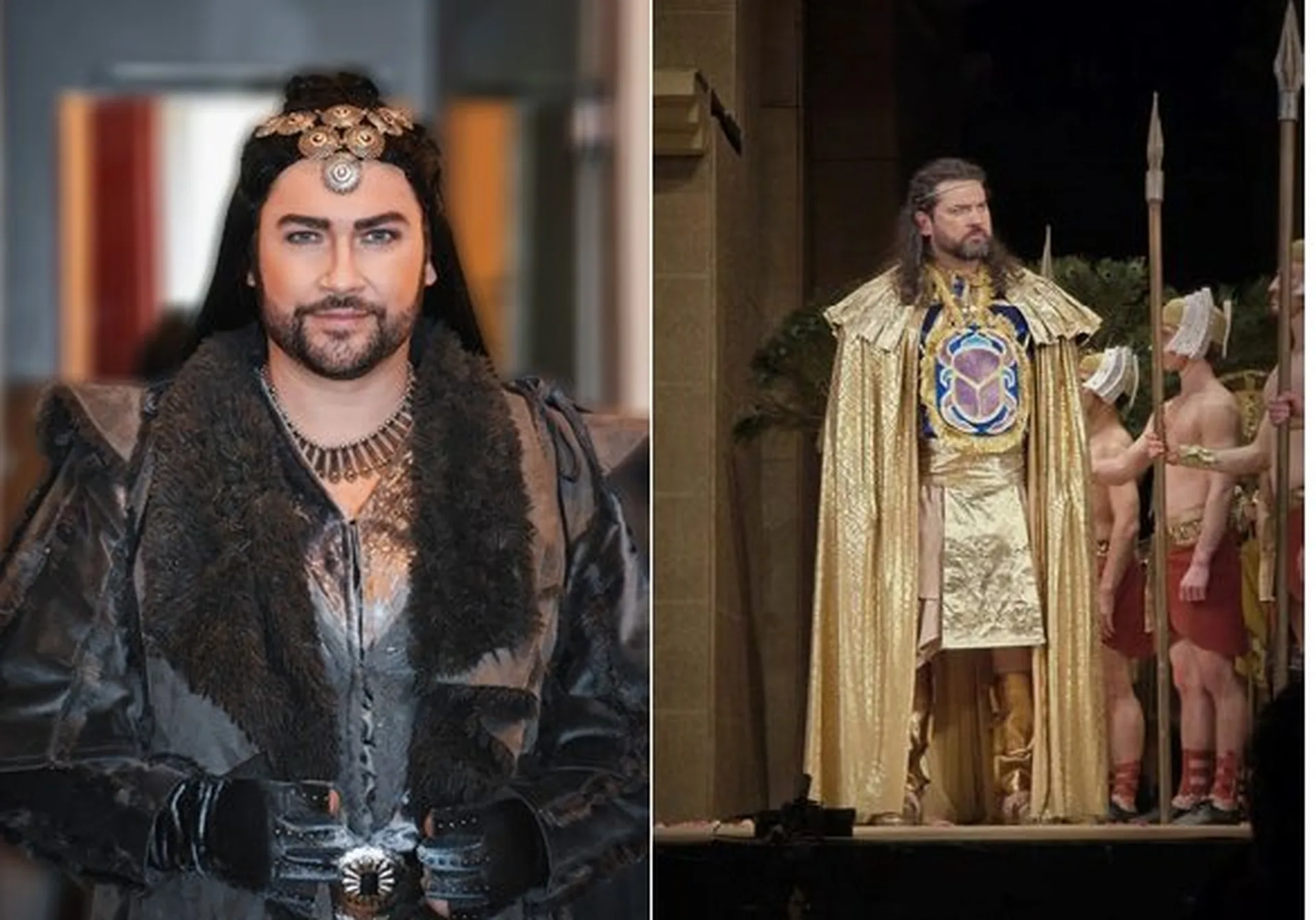
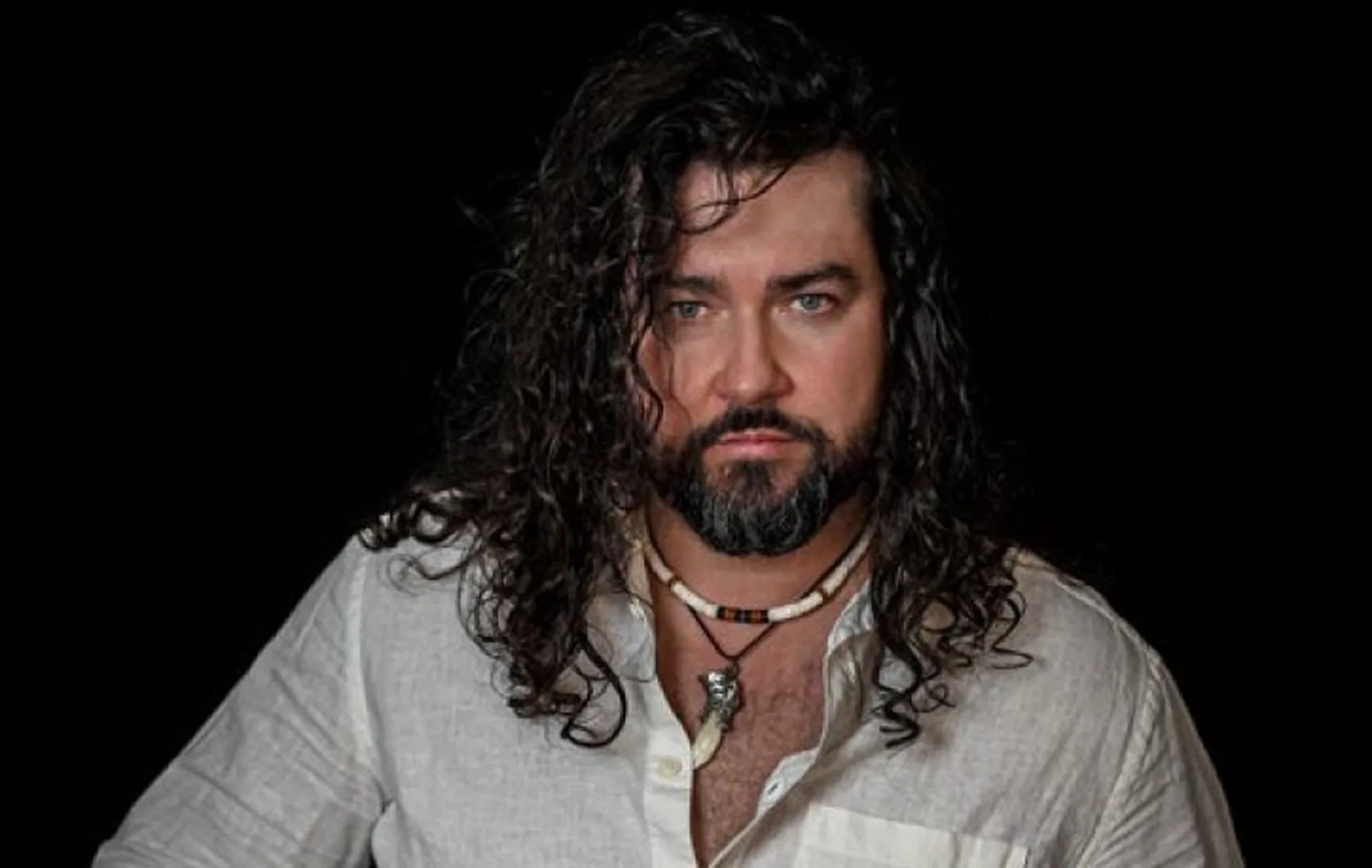
Romanian tenor Teodor Ilincăi began his professional career at the Romanian National Opera in Bucharest in 2006. In 2008, at only 25 years old, he performed MacDuff from MacBeth by G. Verdi. In 2009, he was invited to sing the same role at the Hamburg State Opera. Later that year, he made his debut at the Vienna State Opera as Ismaele in Nabucco and at the Royal Opera House as Rodolfo in La Bohème. It was just the beginning of an international artistic career with performances at the greatest opera houses in the world. He is also published poet and a enjoys writing aphorisms.
You are considered one of the best tenors in Romania, with performances on many of the world’s great stages. But, you often talk about your childhood in the village of Mălini in Suceava, as the youngest of 13 children. Where did your interest in opera come from?
My interest in opera did not appear with great fanfare, but rather as a discreet and insistent whisper that grew in my soul during my university studies. Growing up in Mălini, between stories told by the stove, folk, popular and psaltic music, I did not think that I would end up singing on big stages - at most at social events, when I was not ashamed... Music has been food for my soul for as long as I can remember, but when I discovered opera, I felt that it was a way in which I could shout my feelings and ideals to the world. I could cry, laugh and fight for something noble.
Who were the people who marked your professional path and in what way?
The list is long, but I won’t list it like at the Oscars, I don’t want to do anyone any injustice! From the first teachers, the middle school and then high school teachers, the professorsat the National University of Music who sometimes told me what I didn’t want to hear, but had to, to the masters who pushed me towards the roles I sang, they were all important. However, I can’t help but mention maestro Corneliu Fânățeanu, the one who, through intelligence, knowledge, and kindness, oversaw the beginnings of a long and fruitful career.
What were the biggest challenges in your career?
To not lose myself in the roles I play. And, perhaps, to present Othello without seeming like I only know how to declaim with a strong and beautiful voice. Oh, and to keep my vocal cords in Olympic shape while my body may be tired and my soul full. Another big challenge is not to fill my study time with hobbies (and there are quite a few!) that I consider as important as my profession: painting, writing poems and aphorisms, playing various instruments, cooking, sports, movies. It is quite difficult to organize oneself in the context of an artist’s mess.
How do you deal with jitters before a premiere?
At first I was more emotional, more strict with the rituals of an opera singer, but in recent years I have relaxed. A premiere is a reason for joy, not stress! A healthy dose of autosuggestion is welcome: “You are prepared, you have worked, go on stage and enjoy yourself and others will enjoy themselves too!”. But pre-show jitters are good — if you don’t have them, maybe you didn’t understand the point. If there are too many… I start inventing comic vocalizations, laughter is a very good medicine.
Which do you consider to be the main ingredient in music: innate qualities or perseverance?
It’s like cabbage rolls: talent is the cover (cabbage or grape leaves), but without the filling (work), you stay hungry. The main spice of the filling is will, in addition to perseverance, calm, openness, balance, over which reigns the desire to become a great musician, as my master said.
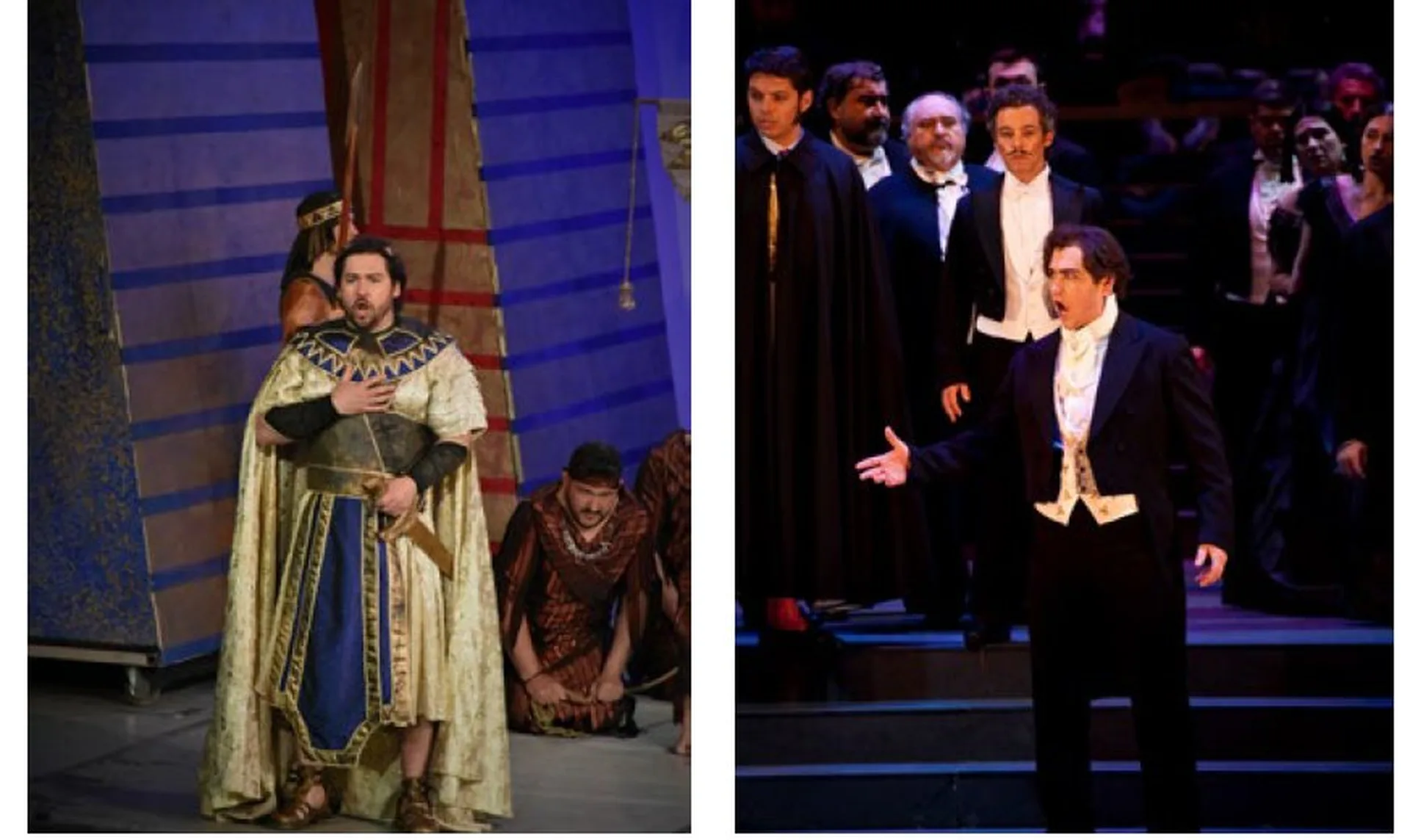
A premiere is a reason for joy, not stress! A healthy dose of autosuggestion is welcome: “You are prepared, you have worked, go on stage and enjoy yourself and others will enjoy themselves too!”.
What would you like to interpret and haven’t had the chance to do so far?
Andrea Chénier – a jewel of a role! Romantic, dreamy and a passionate poet, with music that makes you want to be in love with love and truth. We haven’t officially met on stage yet, but I think we’ll get along great when the time comes.
What would you say to a tenor just starting out, but who wants to reach the big stages of the world?
“Don’t rush, it’s not a sprint, it’s a marathon with ups and downs. Be humble, curious, brave, listen to the greats, but don’t copy them. Take care of your voice and body like the eyes in your head. Sing because you love music, not because you want applause. The applause comes, but if it leaves, the truth remains!
What fills your soul between rehearsals and performances?
Family. My wife, Paula, who is an extraordinary soprano, brings harmony to my soul even when she’s not singing! My dogs and cats, the fish in the aquarium, but also the ones I fish for, books, nature and, I admit, sometimes silence. After so much music, peace and introspection are a welcome duet.