by Marian Pălie
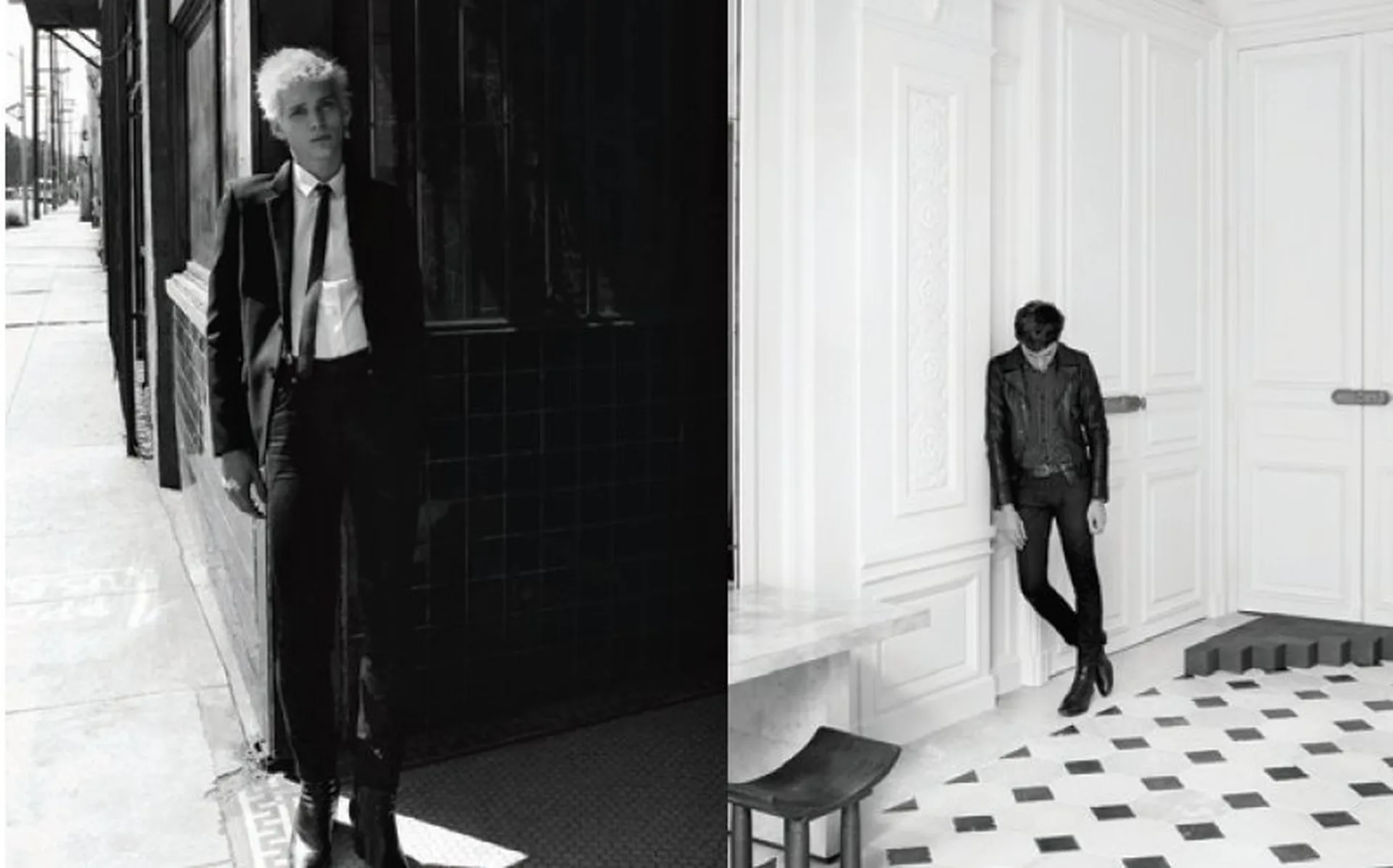
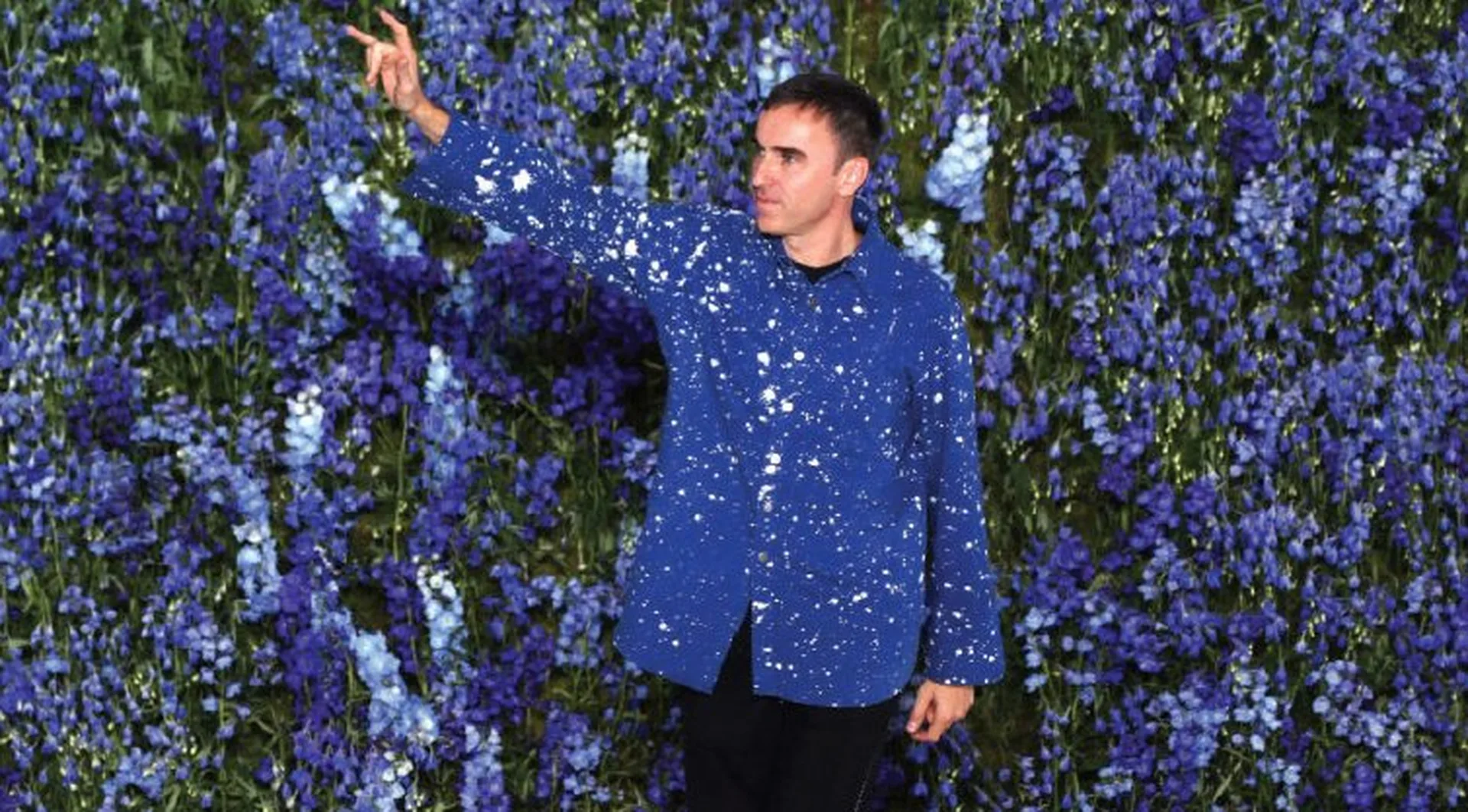
Lately, some internationally known brands such as Gucci, Dior, Lanvin, Saint Laurent were forced to behead their own superstar-designers to make room for new visions and perspectives, and in particular to some of the newer sensibilities that are more connected to the present and very little or almost not at all to the past. The cycle is ruthless and it seems that any art director has a “best before” period. Even Raf Simons – Dior`s art director. It seems that creative routine (once called “style” or “personal signature”) is the enemy who, every less than three years, leads to the excommunication from the designer brand.
The creativity that is over demanded by the multitude of projects they have to deal with – during an extremely short period of time – is exhausting or becomes selfreferential. Some time ago, this self- referentialism was a difficult to attain value, it was the trademark of geniuses, but in nowadays fashion this is the first thing to avoid. The market, like a mouth with extremely sharp molars, premolars and incisors swallows without chewing almost anything that is different.
The consumerism that is mostly driven by the perfectly grinded fashion`s mechanisms is in a paradoxical way the economical evolution engine but also the locomotive of creative clearing. To be able to face the need for “the different”, the genius is no longer sufficient and it cannot contain anymore the principles that we all know.
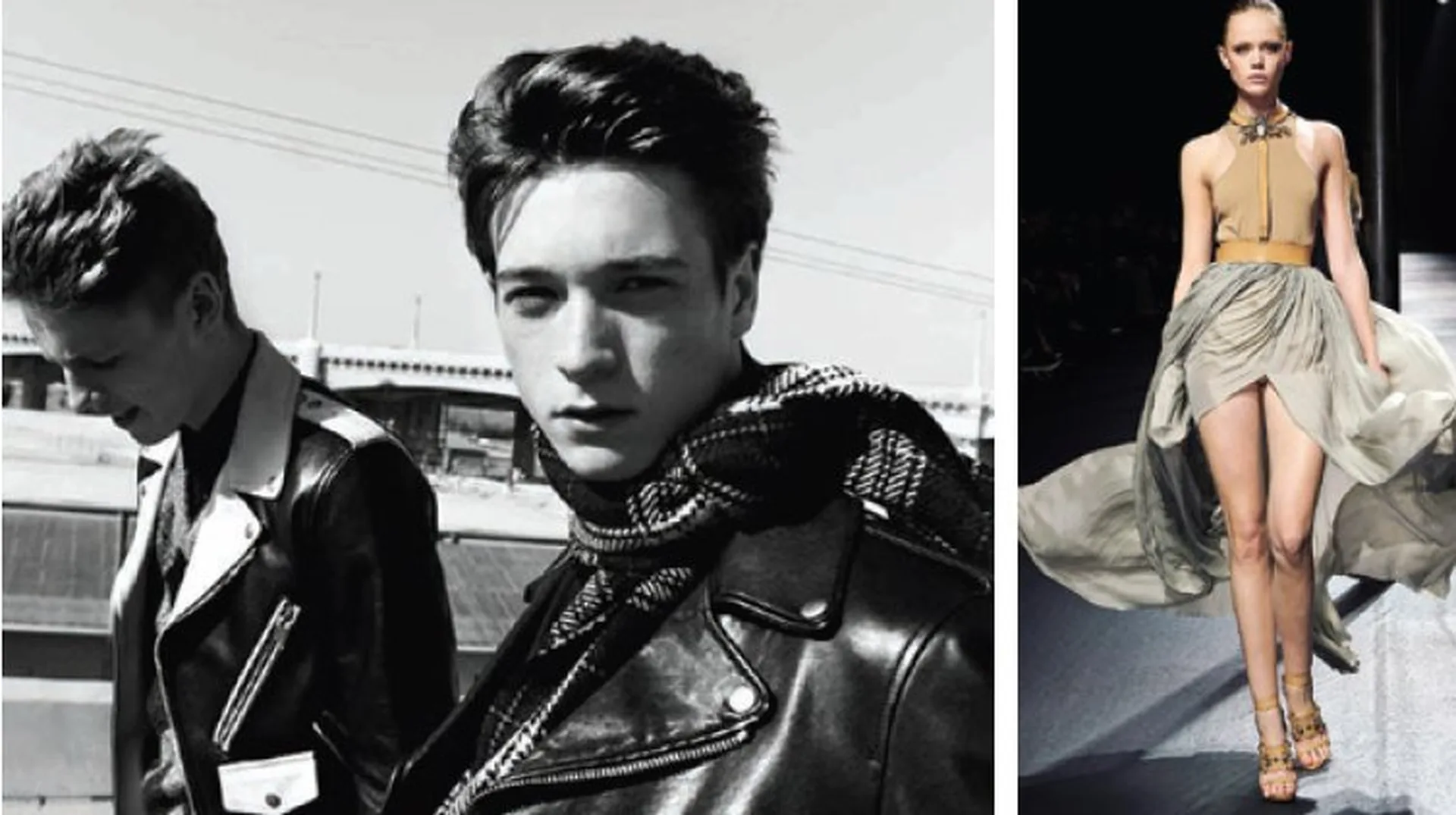
Any fashion “genius” is constrained to permanently redefine himself
A fashion genius is not the person who succeeds in providing the market unexplored perspectives. A fashion genius is the person who succeeds in redefining its brilliance at least every three years. Despite the fact that, philosophically speaking, creativity has to solve an issue that is almost metaphysical, we must observe that the final beneficiary – the consumer – is also the captive of a difficult to stand paradigm.
The abundance of end products, the diversity of styles and colors, the festival of inspirational sources, techniques and esthetical philosophies that all co-exist without disputing or annulling each other – all these overwhelm the consumer. So, the informed or the less informed consumer always has to solve a dilemma: more and good or less and good?
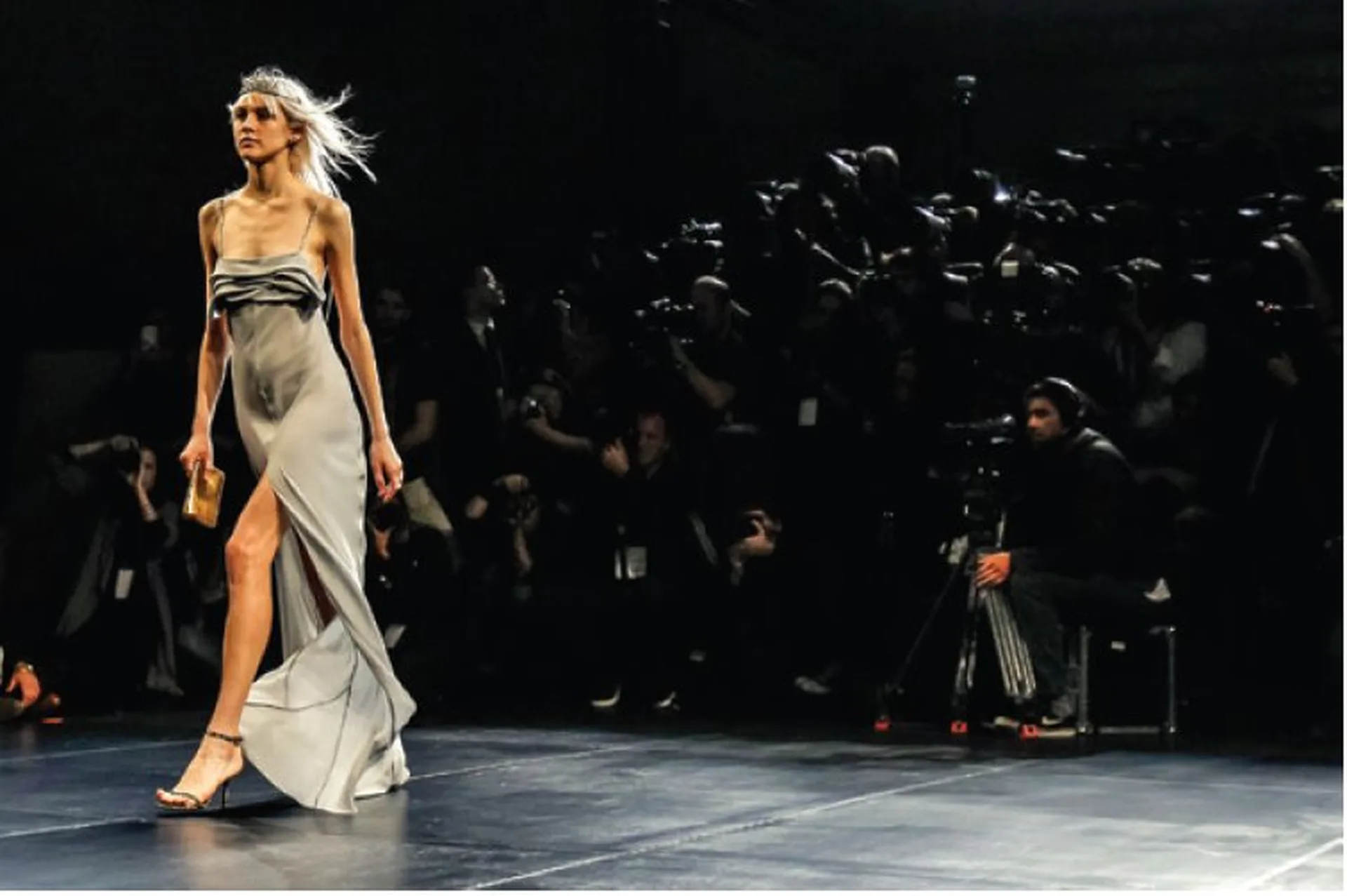
The creativity in the fashion industry always tends to move forward – while also looking in the past – and the consumer who is trained to accept the past as a 24 hours time frame (a concept influenced by snapchat) only needs a permanent and continuous present.
The war in fashion is not fought on a field belonging to the past (as history does). The war in fashion happens in the present, for now. We shall see if this unusual speeding around the present shall completely detonate or redefine creativity, providing once more new shades, strengths and valences.