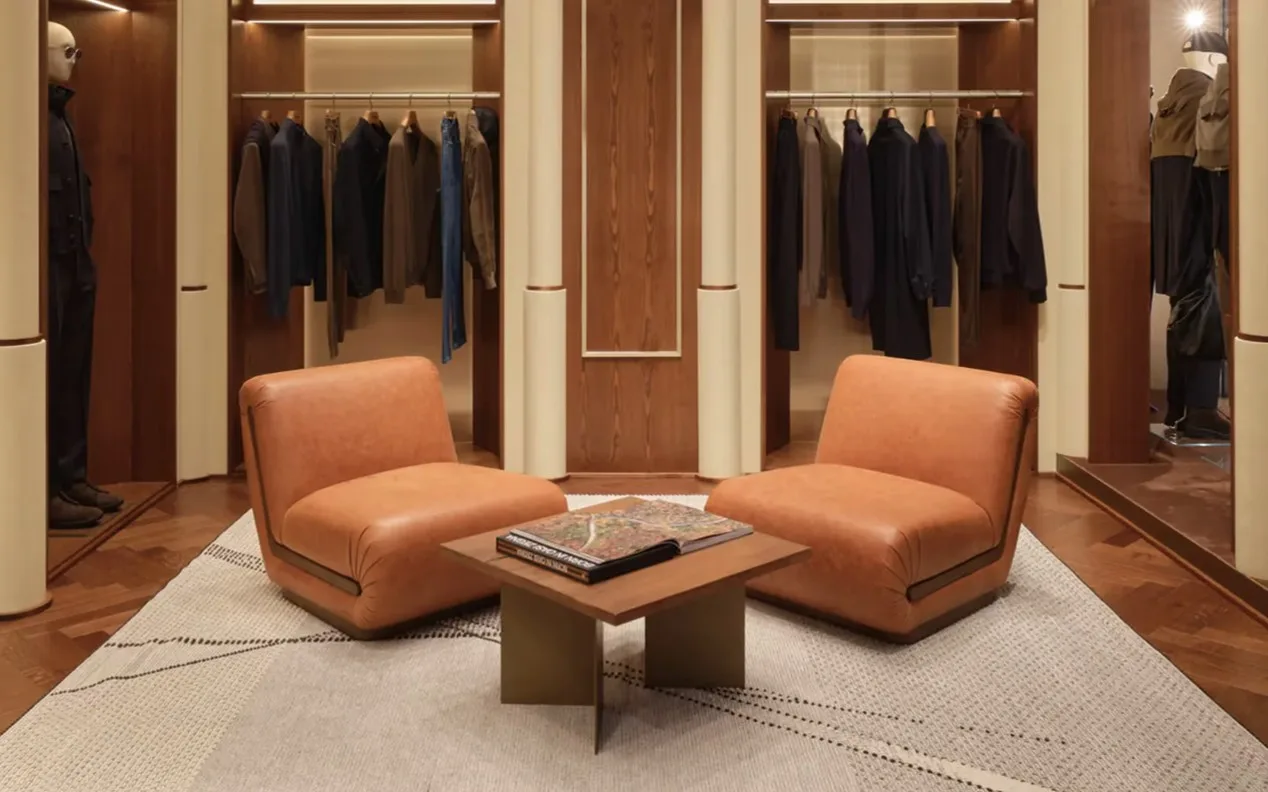
by Ana Maria Bodeanu, photo archive Zegna
For decades, the story was simpler. Founded in 1910 as a textile mill, Zegna spent almost fifty years dressing men in sharply tailored business uniforms, and its name became shorthand for boardroom suiting from New York to Shanghai. Then the world went informal. Sneakers crept into offices; ties disappeared from restaurant dress codes; the pandemic finished what Silicon Valley had started. In 2016, creative director Alessandro Sartori returned to the house and began the delicate work of rewiring an identity built on worsted wool for a generation that lives in knit polos and soft coats.
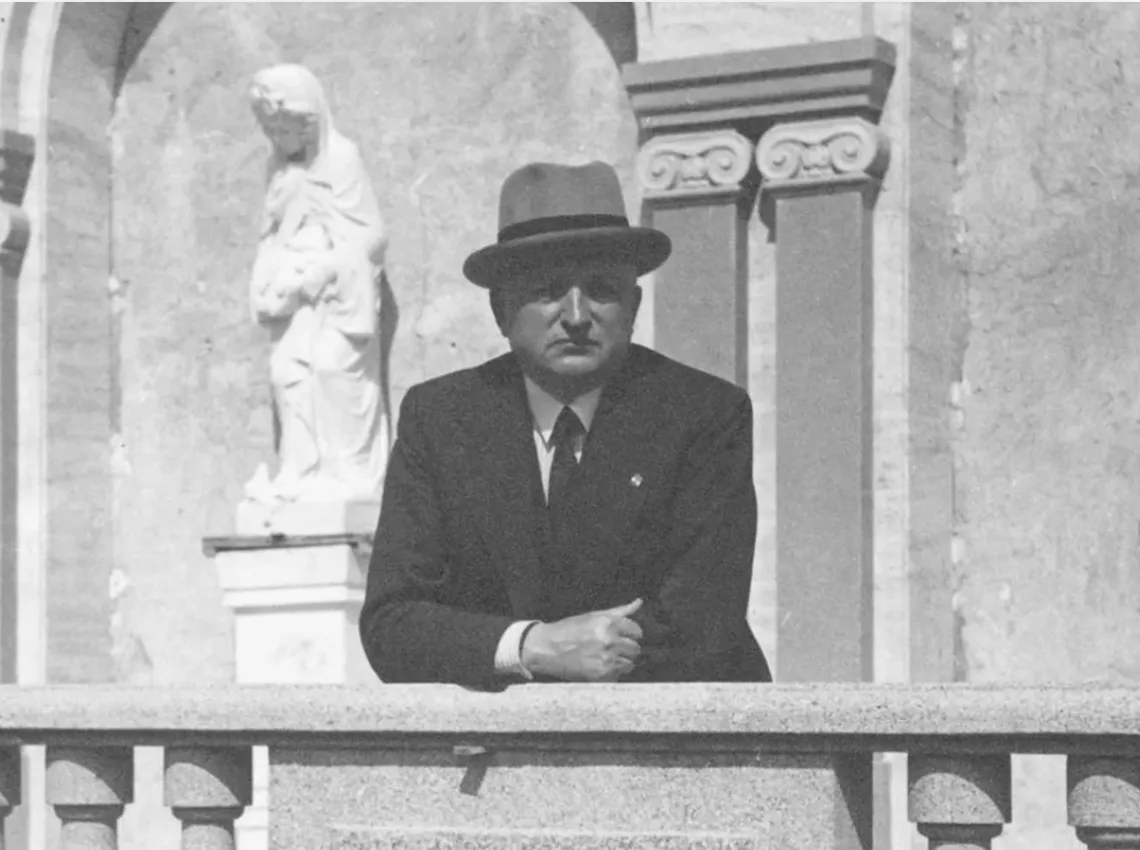
Ermenegildo Zegna, founder of Zegna
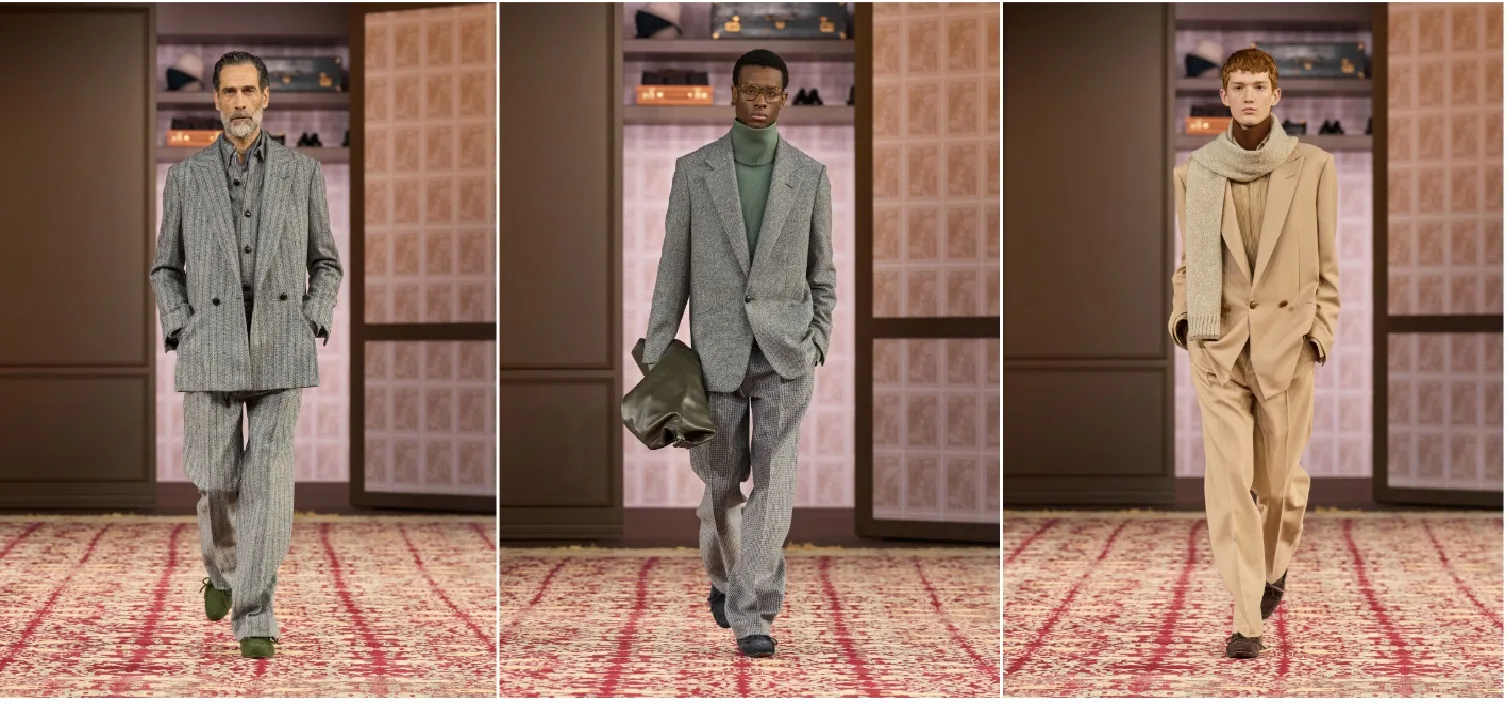
The real pivot came in 2021, when Zegna collapsed its three different labels into a single one and embraced the minimalist, informal side of luxury. By 2023, more than half of its sales come from luxury leisurewear - think double-faced cashmere overshirts, technical jersey blousons and relaxed trousers - while classic tailoring receded to a supporting role. Icons such as the Triple Stitch sneaker (now 15% of sales) and the Il Conte jacket from the backbone of what the company pointedly calls ‘Zegna’s New Look’ - a modular system of pieces that can be worn from weekend to work without ever feeling dressed up or dressed down.
Underpinning the wardrobe is something few luxury labels can claim: radical control of the supply chain. In a world of luxury supply chain scandals (Dior, Loro Piana, Tod’s, etc.), Zegna’s high upstream integration gives them credibility. The Lanificio Zegna Textile Platform, based at the heart of Oasi Zegna, covers almost half of Zegna Group’s fabric needs. And over the past fifteen years the group has stitched together a network of specialist manufacturers - silk at Tessitura Novara, superfine wool at Pettinatura di Verrone, experimental jacquards at Bonotto, jerseys at Dondi, high-end fabrics at Tessitura Ubertino, cashmere yarns at Filati Biagioli Modesto, knitwear at Fedeli - so that today Zegna brand manages around 60-65% of its production upstream, a level even above Hermès’.
The competitive advantage offered by a tight control of production is best symbolised by their Made-to-Measure business - roughly 10% of sales. MtM remains the Formula One of the house, now extending from suiting into outerwear, knitwear, denim and even sneakers. And Zegna is best in class, with turnaround times as low as 1-2 weeks as a result of their high in-house production. It is both a revenue stream and a recruitment tool: a way to onboard HNWIs through deeply personalised experiences that no digital drop can replace.
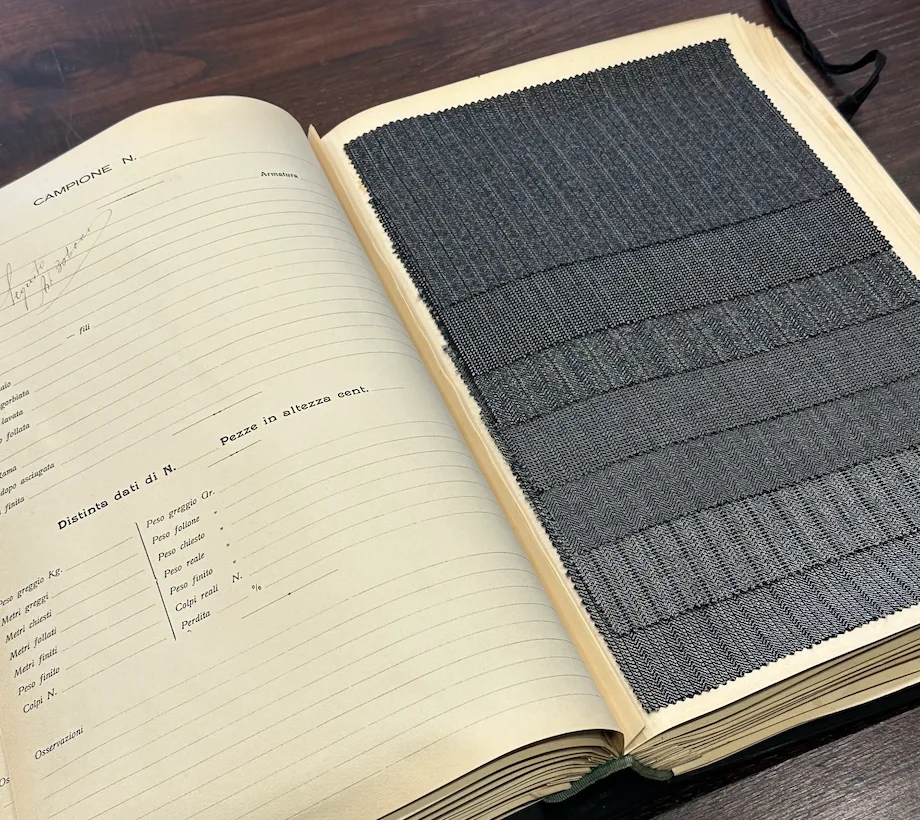
From ‘sheep to shop’ is more than a slogan for Zegna. A
stake in an Australian farm secures part of their wool, projects with UNESCO
save vicuña
camels from extinction; more than 300 people work on textile R&D; over
1,000 fabrics are designed each season and roughly 2,000 craftspeople populate
the RTW plants. It can take 500 pairs of hands and 9-13 hours to build a single
high-end jacket, whose 180 pieces are assembled, checked and finished under one
roof. Ornamental stitching is still done by hand. Quality control is obsessive:
every metre of cloth is inspected and repaired manually before it leaves the
factory. Little wonder that houses like Chanel, Gucci and Prada quietly buy
Zegna fabrics for their own collections.