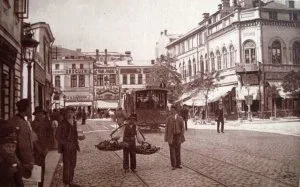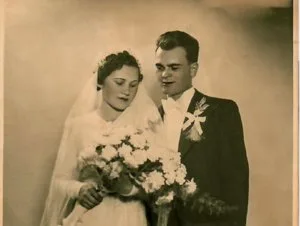
The city on our faces is like the soul that is consumed by each of our destinies. The nerve of a city is fed by the state of mind that animates the entire community. If it is oscillatory or sad, then the city also falls ill.
In the city there is a boost of interpersonal communication, enrichment, a diversification, sometimes a refinement, of the communication quality. When we say interpersonal communication, we mean interpersonal contact, direct or indirect. A human being, living in urban areas, will have every day more and more interconnected contacts, will have something to say or to hear, directly, face to face, or indirectly, by electronic means, from and to his fellows. Contributing to this, besides the spread of mobile technology and the improvement of the internet, are the simplified means of traveling -through continuous improvement of the journeys in accordance with the increasing population density and the mixture of people in urban centers.
Competition dominates in the urban areas -people live in tension. Everybody is rushing. Consequently this increases the aggressiveness of each individual, such feature becoming a factor sine qua non in everybody’s behavior. Aggression leads to violence. Accelerated changes occur to one’s tastes, way of life, expression. People tend to imitate one another, taking for granted role models offered by the media. New habits arise, they remain for a while and then they are replaced by others. Just like fashion. Habits that don’t take into account morality or health. Hence the increasing psychosomatic pathology. The consequences cannot be entirely predicted. During recent history, modern societies have proven to be vulnerable. We could see the consequences of fracturing the social framework due to the pressures made by political systems. This already happened in the past, from Oliver Cromwell’s England to Napoleon’s France or Lenin’s and then Stalin’s Russia, or Pol Pot’s Cambodia. We can question if one can resist within the professions. If the story of our face
Competition dominates in the urban areas -people live in tension. Everybody is rushing. Consequently this increases the aggressiveness of each individual, such feature becoming a factor sine qua non in everybody’s behavior. Aggression leads to violence. Accelerated changes occur to one’s tastes, way of life, expression. People tend to imitate one another, taking for granted role models offered by the media. New habits arise, they remain for a while and then they are replaced by others. Just like fashion. Habits that don’t take into account morality or health. Hence the increasing psychosomatic pathology. The consequences cannot be entirely predicted.
During recent history, modern societies have proven to be vulnerable. We could see the consequences of fracturing the social framework due to the pressures made by political systems. This already happened in the past, from Oliver Cromwell’s England to Napoleon’s France or Lenin’s and then Stalin’s Russia, or Pol Pot’s Cambodia.
We can question if one can resist within the professions. If the story of our face
During recent history, modern societies have proven to be vulnerable. We could see the consequences of fracturing the social framework due to the pressures made by political systems. This already happened in the past, from Oliver Cromwell’s England to Napoleon’s France or Lenin’s and then Stalin’s Russia, or Pol Pot’s Cambodia.
We can question if one can resist within the professions. If the story of our faces receives a specific common name within the chosen profession, beyond the tolerance of the society in which we live.
What I want to say is that a face, the mimic, the whole appearance stores, over time, more or less discrete, specific features, like the criteria of a sculptor, or an artist who seeks to express something through creation. Because some signs, traces of some events or circumstances are evidence of our own history that must not be lost.
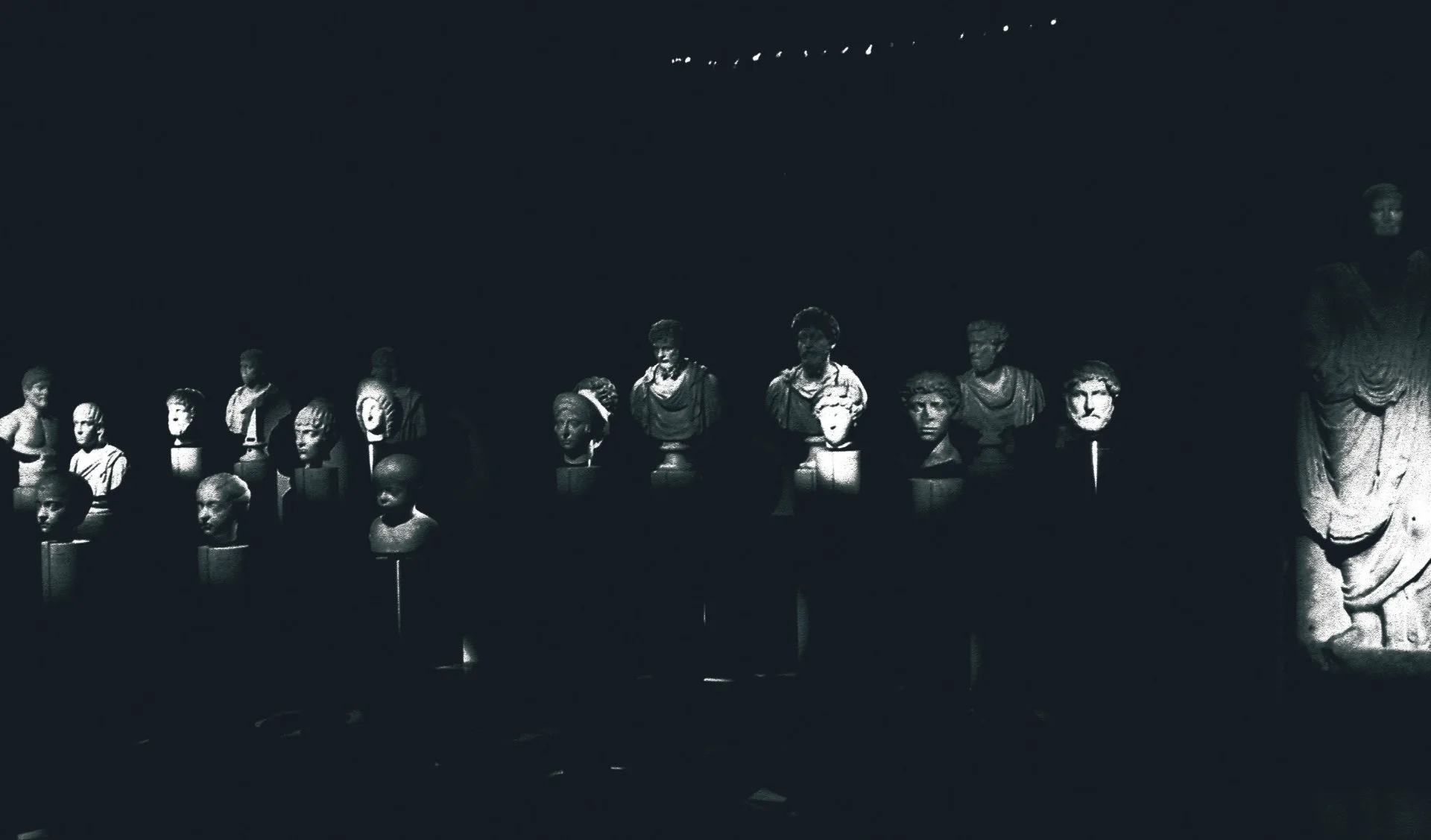
Each and everyone of us bears a personal museum, in which we gather and preserve traces of consumed or desired attitudes, of desired or accomplished ideals, but also traces of failures. This museum is our face/image. It’s a display that shows the others what we have become, what we once were, what we wanted and didn’t achieve, what we want to become oscillating recurrently between waiting, confrontation and resignation.
We all are, after all, a museum, on one hand with today’s expression, which is not the same as the one yesterday nor the one tomorrow, not even with the one in 1 hour from now, but also with everything we have stored in our memory: moments, events, people we met etc. (all selected by criteria beyond our understanding), which make us happy to meet again, to evoke and live them over and over again, or hide them all but, for reasons difficult to explain, we still keep them within us.
Somehow we reach old age, wearing a kind of mask that is not however a mask, because it doesn’t hide us, it reveals us, like an essential piece of a personal museum. This mechanism of retaining traces of something that once was but it’s not anymore and deserves to be kept, which we called a personal museum, seems to be a natural process.
Cultural factors shape constantly and under the most varied forms, in different periods of time -short, long or permanent -the material coat with which we were endowed at birth. In other words, along with external informational factors exists the information factor, the human being informs itself consciously or subconsciously, within the resources given at birth, according to their condition and to the circumstances in which it lives (historic time).
The creativity of each of us, no matter how insignificant we are, starts and, for the most of us ends with the work on ourselves, on our morphology, supplemented and supported by cultural means.
The way we looked in our childhood and adulthood reflects, beyond the ontogeny and other specific determinations, the space in which we live; in other words, our personal museum rearranges its exhibits according to its “visitors” (history and ideology), and to the constant activity of “redecoration” (changes in the urban space around us).
There are within generations some communicating vessels, of spiritual traits and, by default, of physiognomy. One can easily notice the youthful and optimistic image of elders who come to Romania as tourists, in comparison with the submissive features of our elders. There is a difference imposed by the social environment, the freedom of movement and the choices of everyone’s life project.
When we reach the old age, the entire human expression, especially the face, expresses each of us, says something about us, about our biography. I will illustrate all of the above with a few suggestive images, of three nonagenarians.

In the first picture we have a gentleman, a former senior officer with a serious and sad face, in which we can discern signs of distress.

In contrast we have the second picture with another gentleman, also nonagenarian who dealt with the trade of travel goods and had a life full of satisfactions. He has an open expression, and you can read optimism on his face.

And finally, we have the portrait of an octogenarian priest. He has a gentle expression, with a nonspectacular openness, with a direct look that seems to understand everything. Basically, it’s the profession that leaves an imprint. There are still many things to say, but not here. Our discussion remains incomplete.
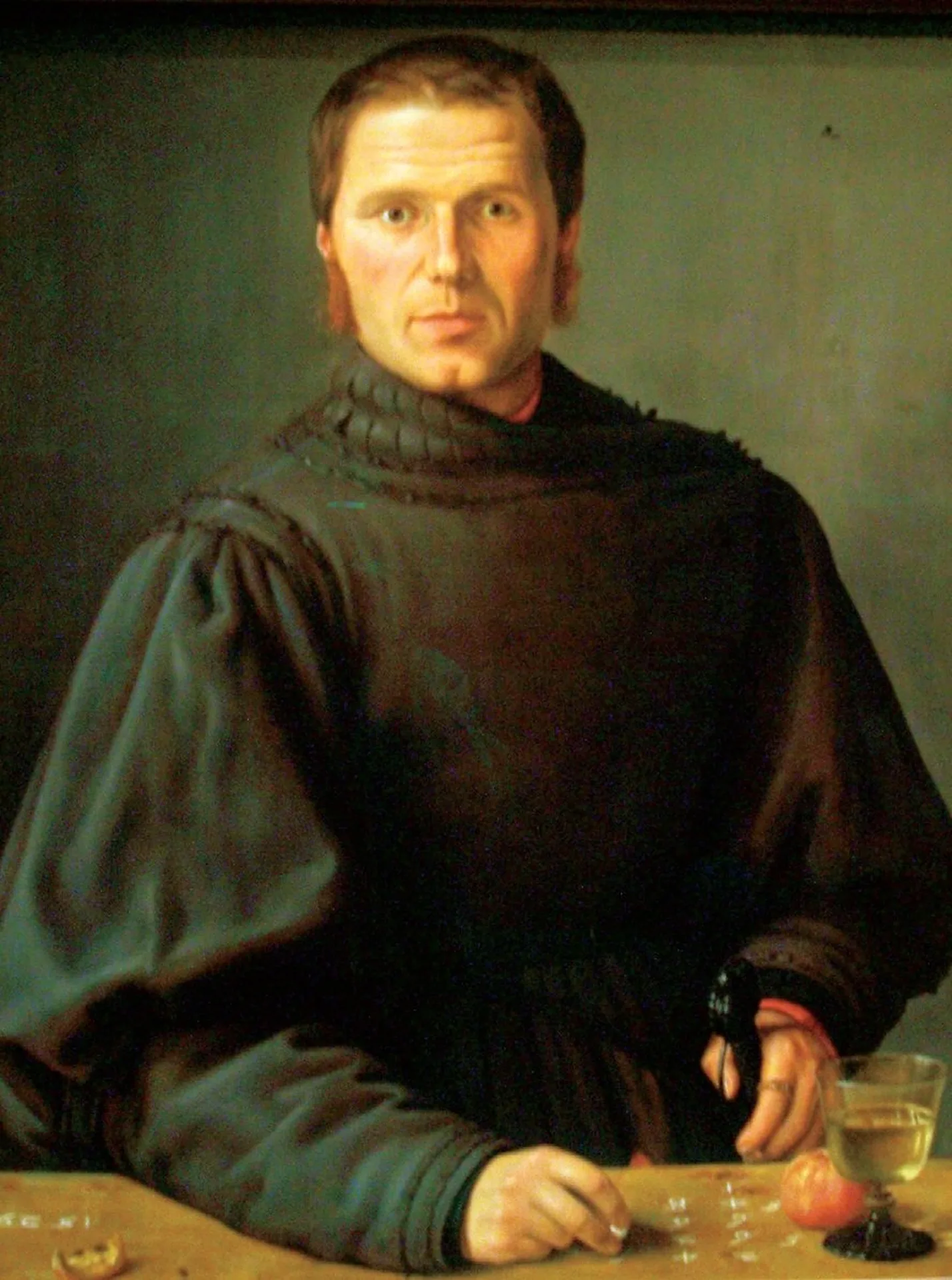
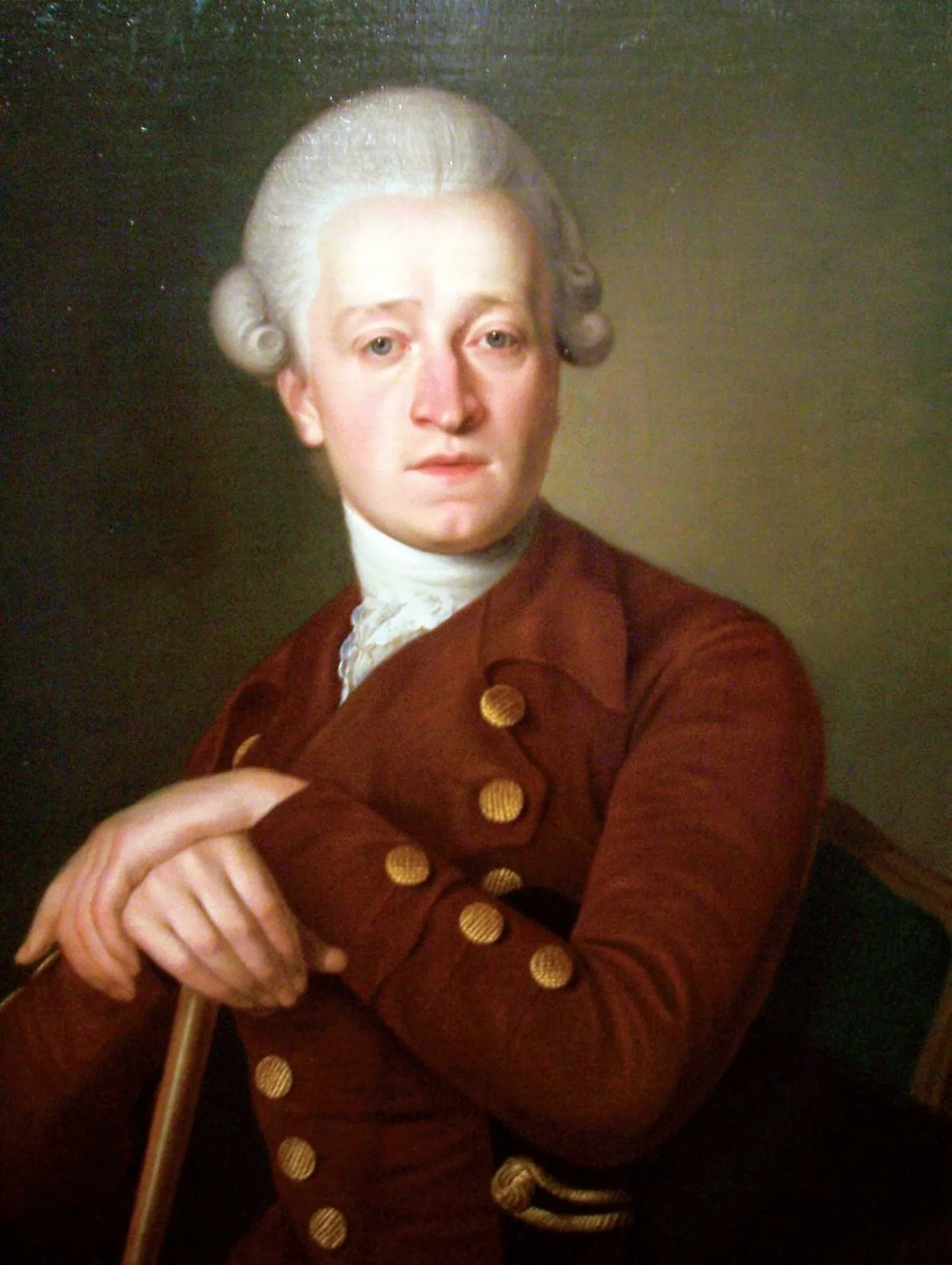
On wider spaces of time we can follow very similar physiognomies on distinct categories of professions. I have chosen three examples: the merchant-investor, the military and the aristocracy. These three examples represent a portret comparison between the fifteenth century and twentieth century, for urban Europe. In the first case we have the portrait of a merchant-investor, a man that worked with numbers, Benedict V. Hertenstein, who was the son of a great merchant in Lucerne. It was painted in 1517 by Hans Holbein the Younger (1497-1543). Next to him we have a portrait of Dr.I.Costinescu (1871-1951), Minister of Industry and Trade (1935). We notice, five hundred years later, the same rigid features, the same direct and convincing stare, and the safety kind of mood, specific to the profession. In the second case we have two portraits made five hundred years apart: General Sebastiano Verneir (1496-1578) painted at the age of 75 (1571) by Tintoretto Jacobo (1518-1594) and General G. Cantacuzino (1869-1937) painted in 1900, at 68. In this case, the typical physiognomy of a military with high responsibilities is shown alongside the frown of supreme responsibility and the uniform framed body position. In the third case we have a female perspective of the physiognomy of high society , who managed to preserve its sensibility, the delicate gestures and its non-persuasive direct look, as “noblesse oblige”. We have this time the portrait of Maria de Medici in 1555 (1540-1557), portrayed by Alessandro Allori (1535-1607), mirrored with the portrait of Princess Nadejda Ştirbey (?-1955) in a photo-portrait of the interwar period.
The human being is visionary, representing its own creation, it is its own manager of its form, of its appearance, it auto-creates itself permanently. The profession for which we prepare in the first part of our life and which represents us for the rest of our life is recorded in the matrix of our soul, whose anatomic expression is physiognomy -everything that happens to us in this long journey. On one hand, there are the particular features of any profession, determined by the specific activities and projections and on the other hand, our face records even the type of the course we took within our profession: achievements, failures, strained or relaxed mood, confrontation, dialogue, isolation etc. And these milestones are similar in time, being bound by urban life and the needs of the city, which haven’t changed their structure, but only diversified their daily guidelines according to the technological progress and information.

Physiognomy is primarily a genetic component but, it’s very true, the human morphology suffers changes depending on the social environment in which it lives.