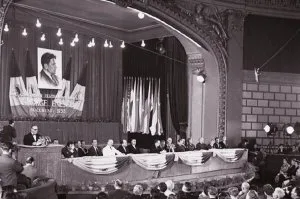
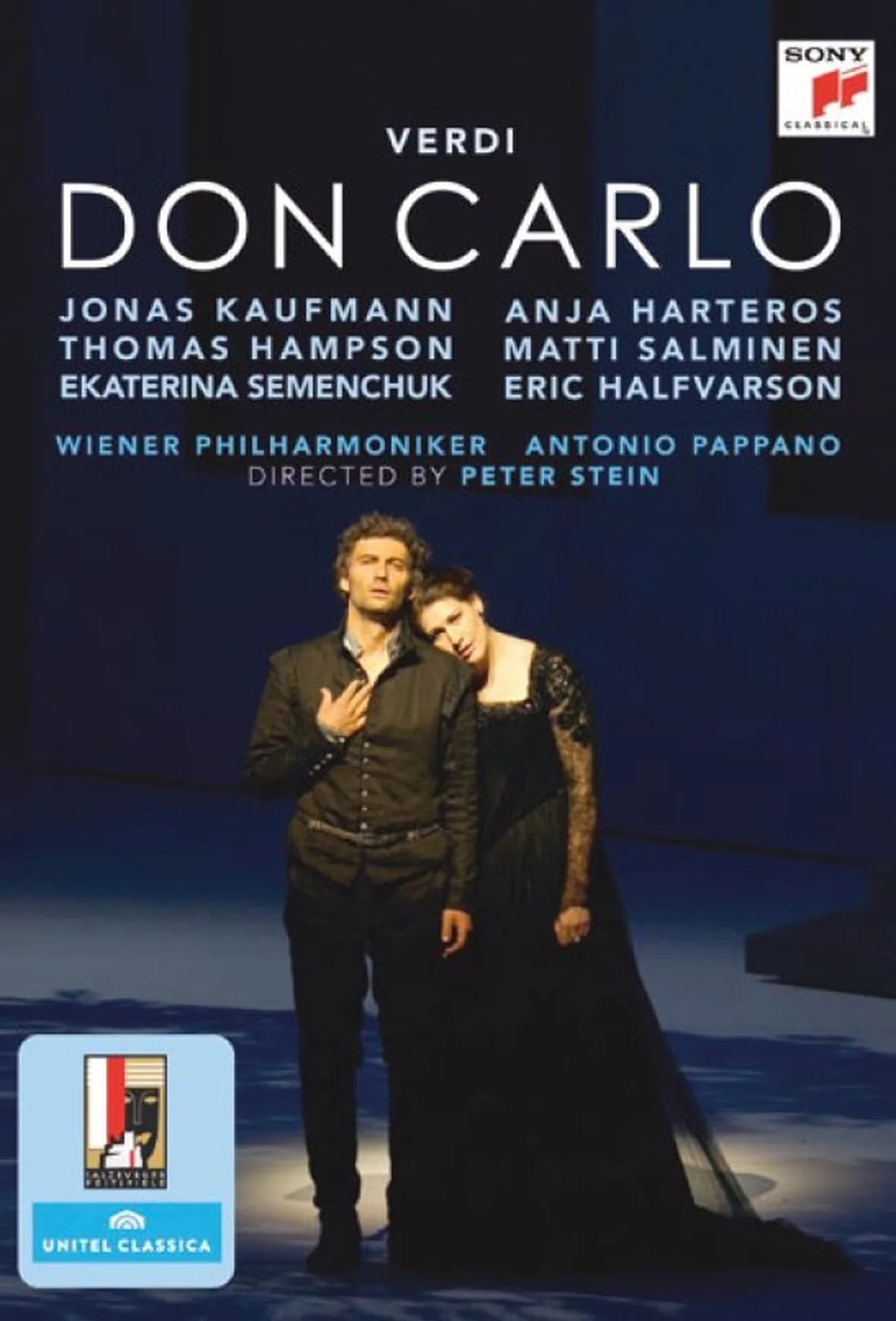
Born in 1972 in Germany, soprano Anja Harteros rose to prominence in the music world in 1999, after winning the Cardiff competition, which brought her numerous contracts with major opera houses around the globe. However, she resisted the temptation of a fast-paced American career and chose instead to return and perform in Germany. In 2005 alone, she sang four new and demanding roles—Alice Ford and Desdemona (Verdi), Arabella (Richard Strauss), and Alcina (Händel)—and appeared fully prepared for each of them. In 2010, Lohengrin, staged in Munich, presented an ideal vocal pairing that has continued to astonish the musical world ever since: Anja Harteros and Jonas Kaufmann. Many critics regard them as the finest vocal duo of the past century, and their joint recordings—Don Carlos, Il Trovatore, and La forza del destino by Verdi, or Wagner’s Lohengrin—are already considered benchmarks. There is hardly a music publication that hasn’t written in praise of the two—about the serene tension in Harteros’s voice, her stage presence that combines poise and surrender in an almost unreal way, and about this soprano whose stature has grown increasingly Callas-like in recent years.
A decade after completing the full cycle of Mozart’s piano concertos (recorded between 1981 and 1991), Christian Zacharias began a second complete cycle—this time with the Lausanne Chamber Orchestra, which he has led since 2000. Zacharias’s interpretation displays clarity and freshness, drama and purity, achieving a subtle balance between sobriety and inventiveness. Following his celebrated recordings of works by Scarlatti, Schubert, and Schumann, this Mozart concerto cycle is already considered the reference of the new millennium.
Latvian by birth, like his mentor Mariss Jansons, the young conductor Andris Nelsons was born into a family of musicians and initially studied the trumpet. He was among the favorites for the position of chief conductor of both the Berlin Philharmonic and the Royal Concertgebouw Orchestra, but in 2014 he signed with the Boston Symphony Orchestra, where he will remain at least until 2022. His recordings so far—mainly of large-scale symphonic works by Bruckner, Richard Strauss, Stravinsky, and Shostakovich—have been praised for their extraordinary energy, technical precision, lyrical phrasing, and for the commitment that the conductor himself likes to describe as “100% involvement.”
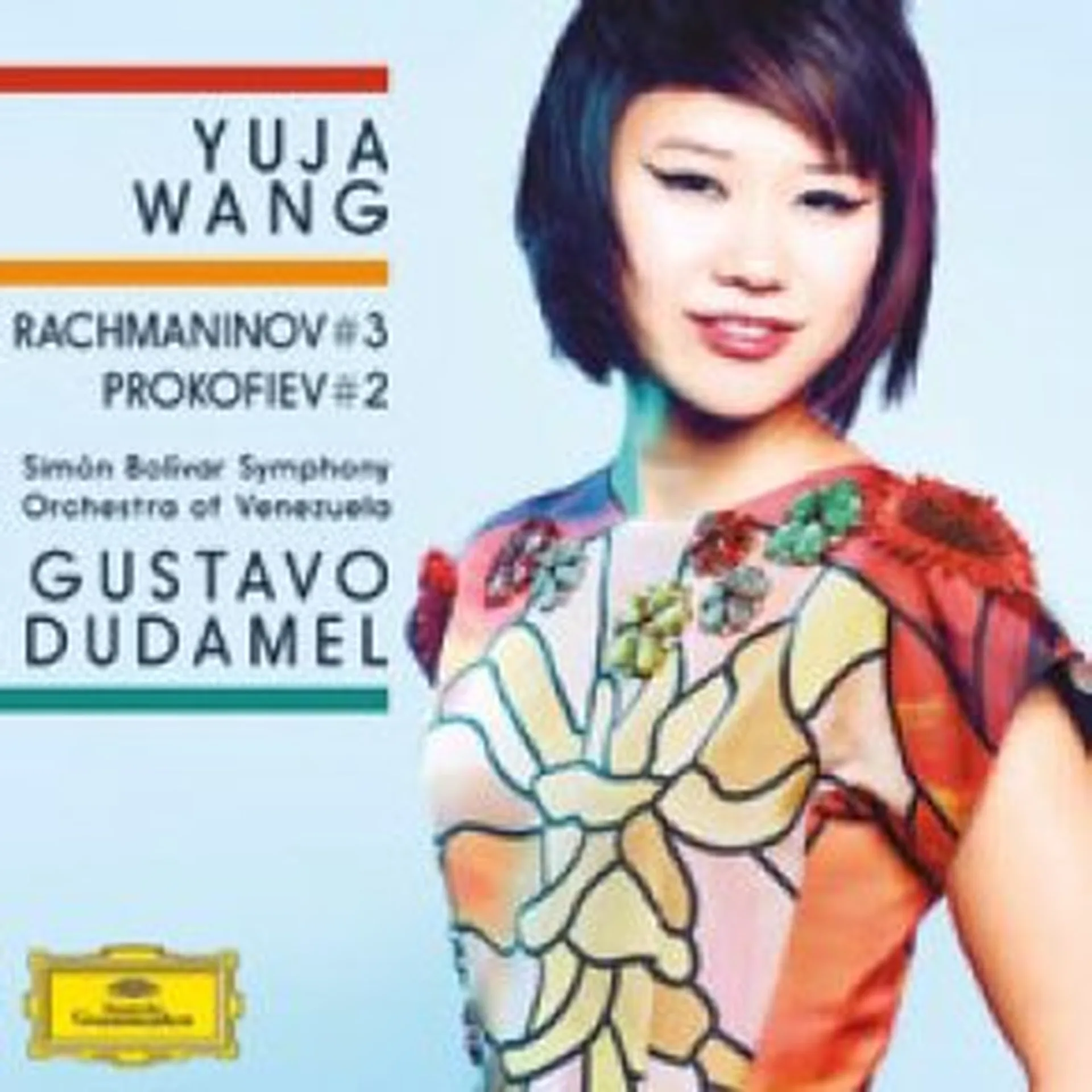
Released two years ago, the album featuring two of the most technically demanding concertos—Rachmaninoff’s Piano Concerto No. 3 and Prokofiev’s Piano Concerto No. 2—performed by the young Yuja Wang with the renowned conductor Gustavo Dudamel, has enjoyed great success. The pianist was hailed as the successor to Martha Argerich, with the British magazine Gramophone highlighting “the combination of dazzling technique and a rare poetic instinct.”