by Istvan Pentek
From a historical point of view,
we might say that winemaking in Germany has developed during the Roman
occupation thanks to the Alps. The Romans had a difficult time transporting
the wine amphorae through the Alps`s gorges, so they preferred transporting
grapewine. This is how the first wineries started out, approximately 2000
years ago. Here, as all around Europe, the medieval wine centers were built
around the monasteries. The grape and wine production, as well as the wine
trade, were regulated by a royal edict since the 8th century. Up to the 16th century,
wine represented the most important beverage in Germany. Around 1500, the wine
production started to decrease because of the climatic changes on one hand, and
to the increased quality of beer production on the other hand.
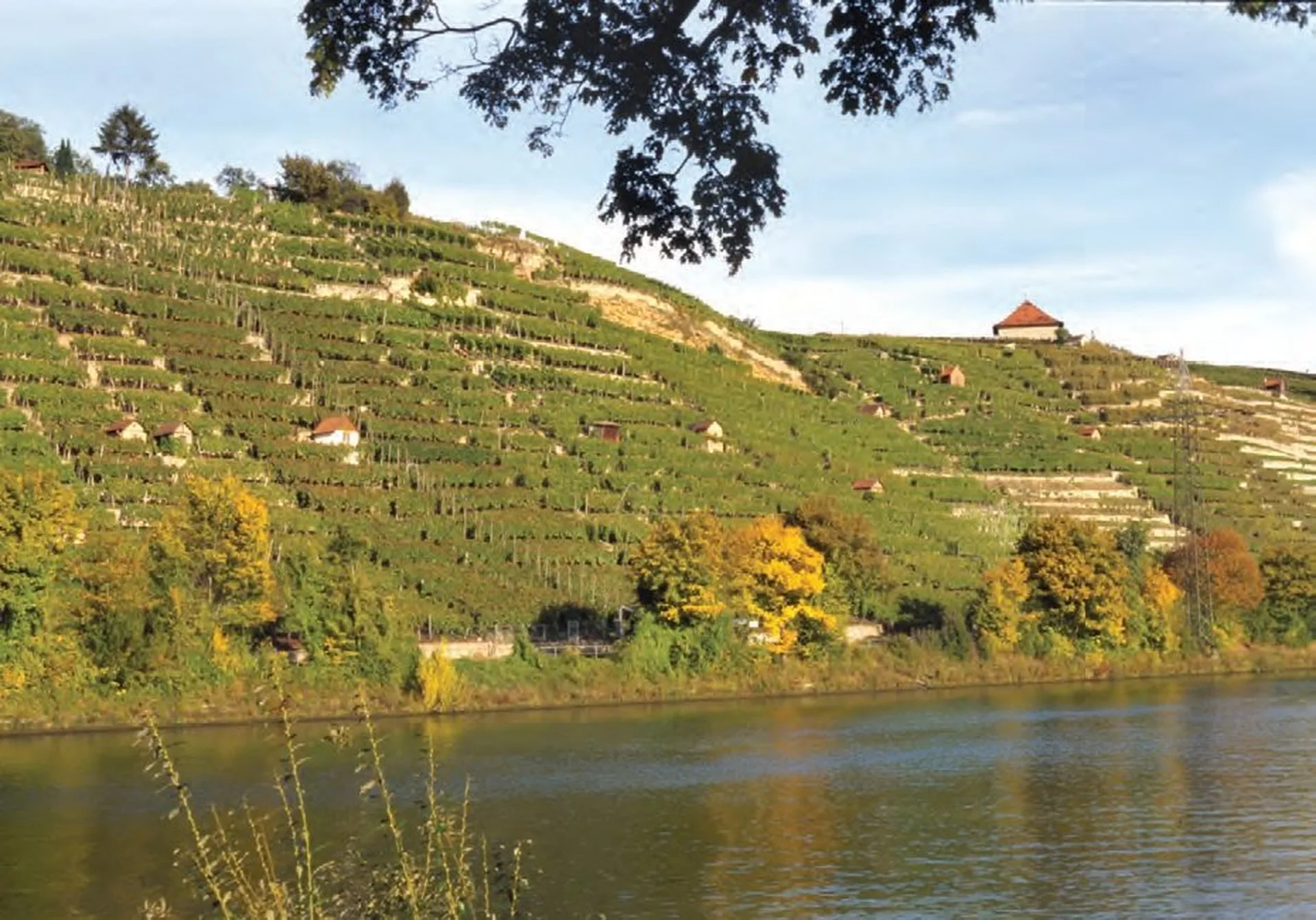
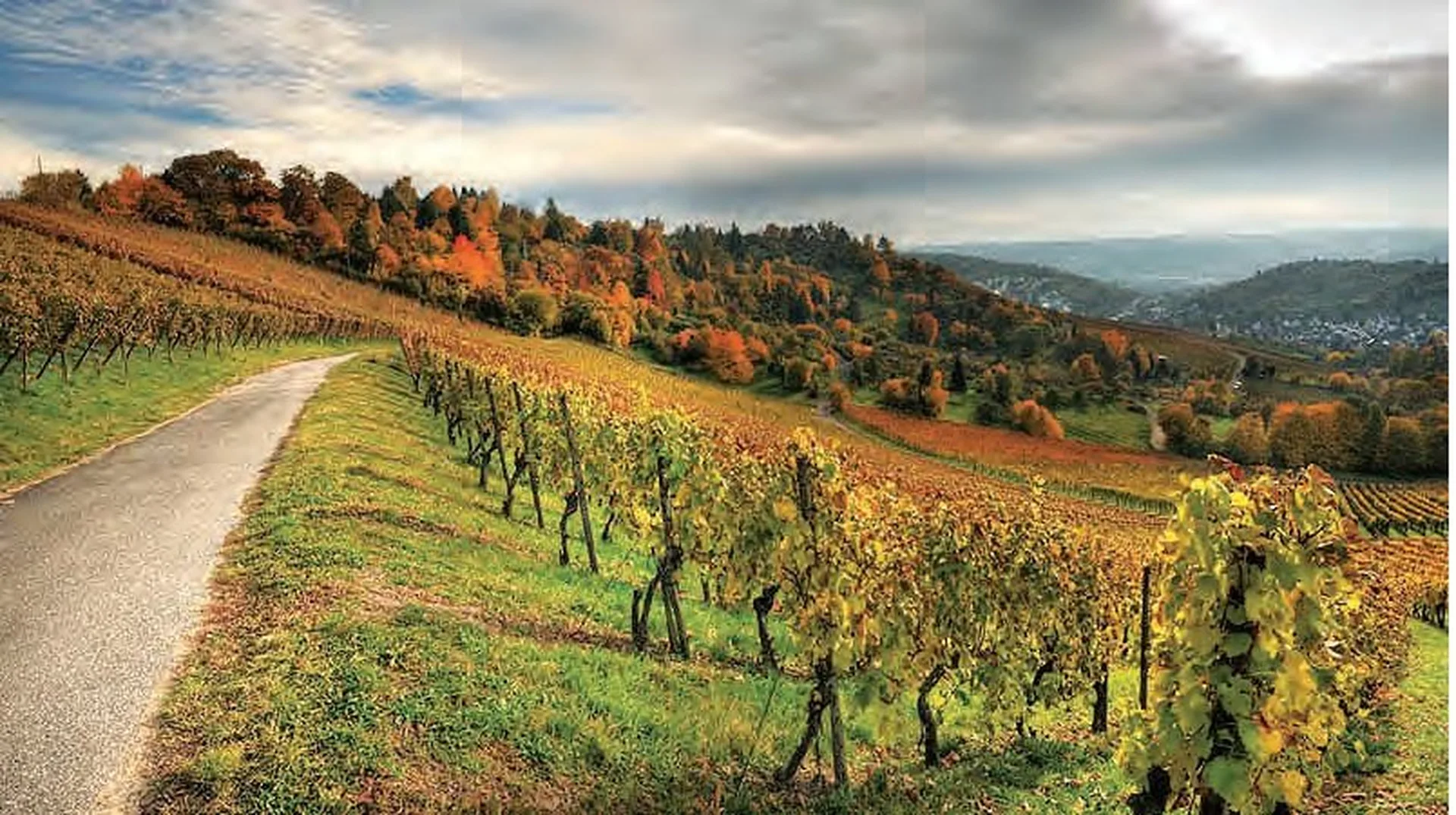
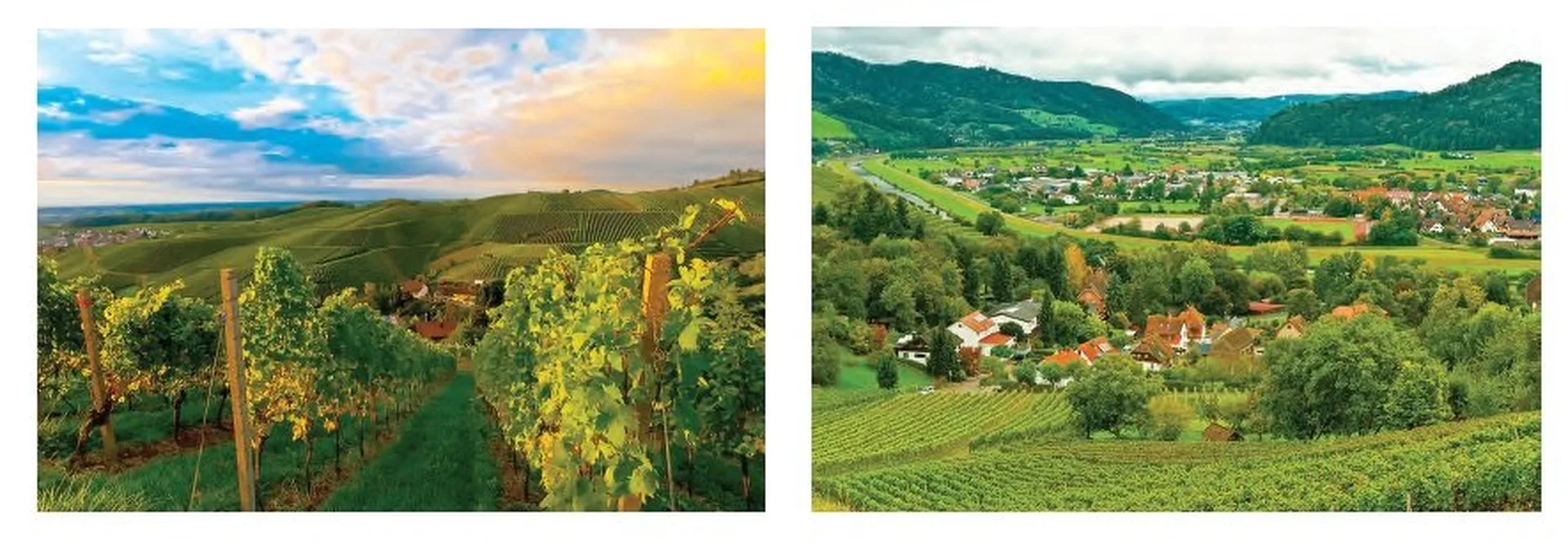
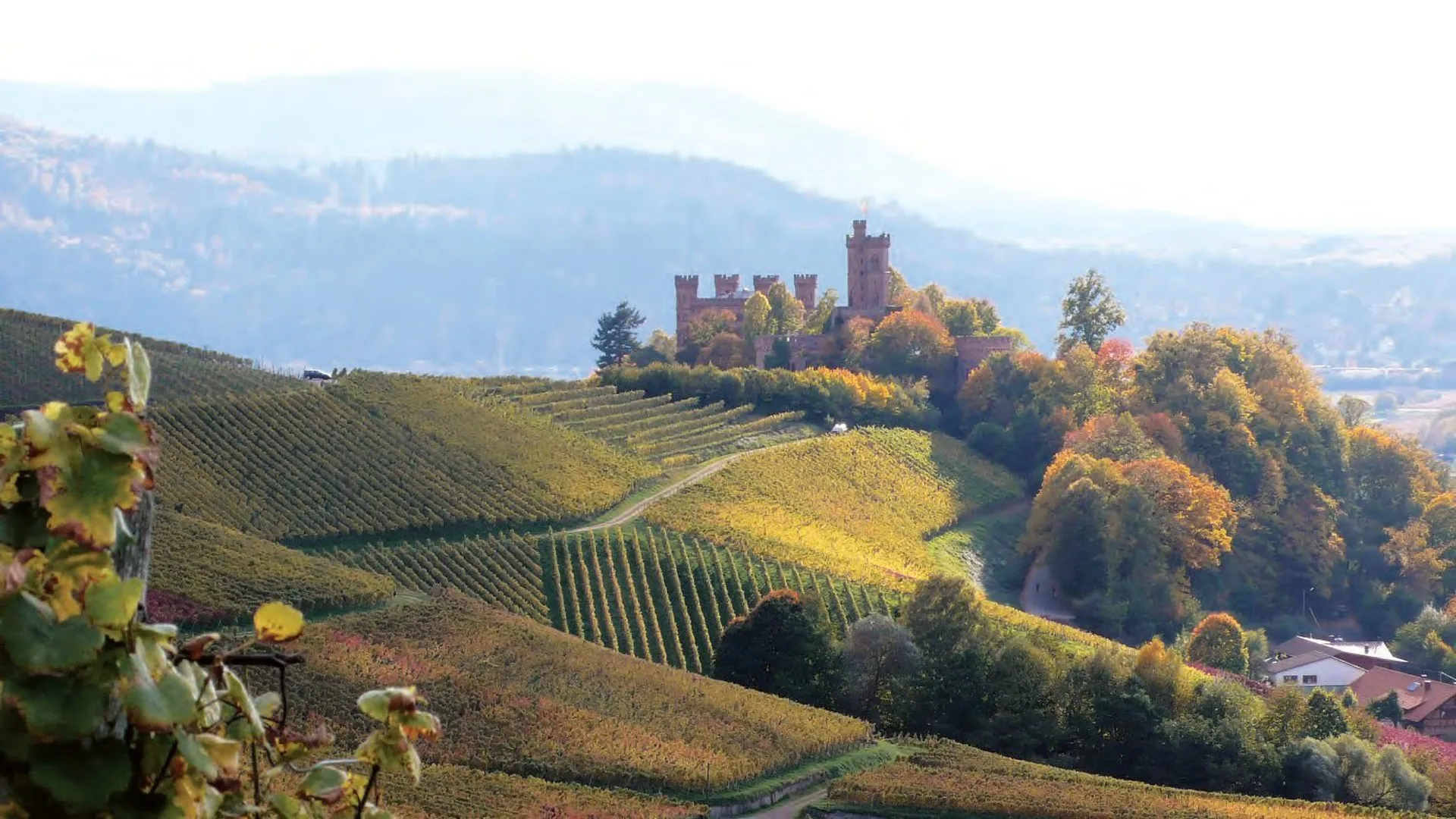
The varieties of red grapes that made German winemaking so famous are mainly a crossbreeding produced by the local research institutes, but we also find large number of international varieties. The wineries have a total surface of 102.000 hectares, with only 37% representing red varieties. These wineries are located mainly in the regions of Rheinhessen, Pfalz, Baden and Wurttemberg. The most famous red wines come from the Spatburgunder variety, better known under the name Pinot Noir, a variety cultivated on Germany’s land for approximately 100 years. Usually, the wines obtained are quite heavy and fruity, and in the last 10-15 years the producers have obtained international results with ripened wines in oak barrels.
The variety that is best known at international level is Dornfelder, born in 1956 as a crossbreed made by August Herold. It got the name of the clerk who has set up the Weinsberg research institute, the place where the variety was created. During fermentation, the high-pigmented peel gives the must a deep red color, fact that is quite unusual for the German red wines. Usually, there are two styles of making the wine: a younger, highly fruity wine with a flavor of sour cherries, blackberries and elderberries; or wines ripened in wood, with a heavier mass, stronger taninins and a better defined structure.
Blaufrankisch is present in Germany under the name Lemberger and is one of the important red varieties of the Wurttemberg area, wines that abound in slightly jam-like red and black forest fruits flavors.
Scwarzriesling, without any other connection with the Riesling variety besides the resemblance in the shape of the clusters, has much importance in the production of sparkling wines in both countries.
Other varieties present in the wineries are the traditional ones, such as Trollinger – that requires a long vegetation period, but after harvest, it rapidly gets on the market; crossbreeds such as Cabernet Cubin – Lemberger & Cabernet Sauvignon, Cabernet Dorio – Dornfelder & Cabernet Sauvignon, Domina – Portugieser & Spattburgunder, Regent – Silvaner & Muller-Thurgau & Chambourcin.