by Monica Crânganu
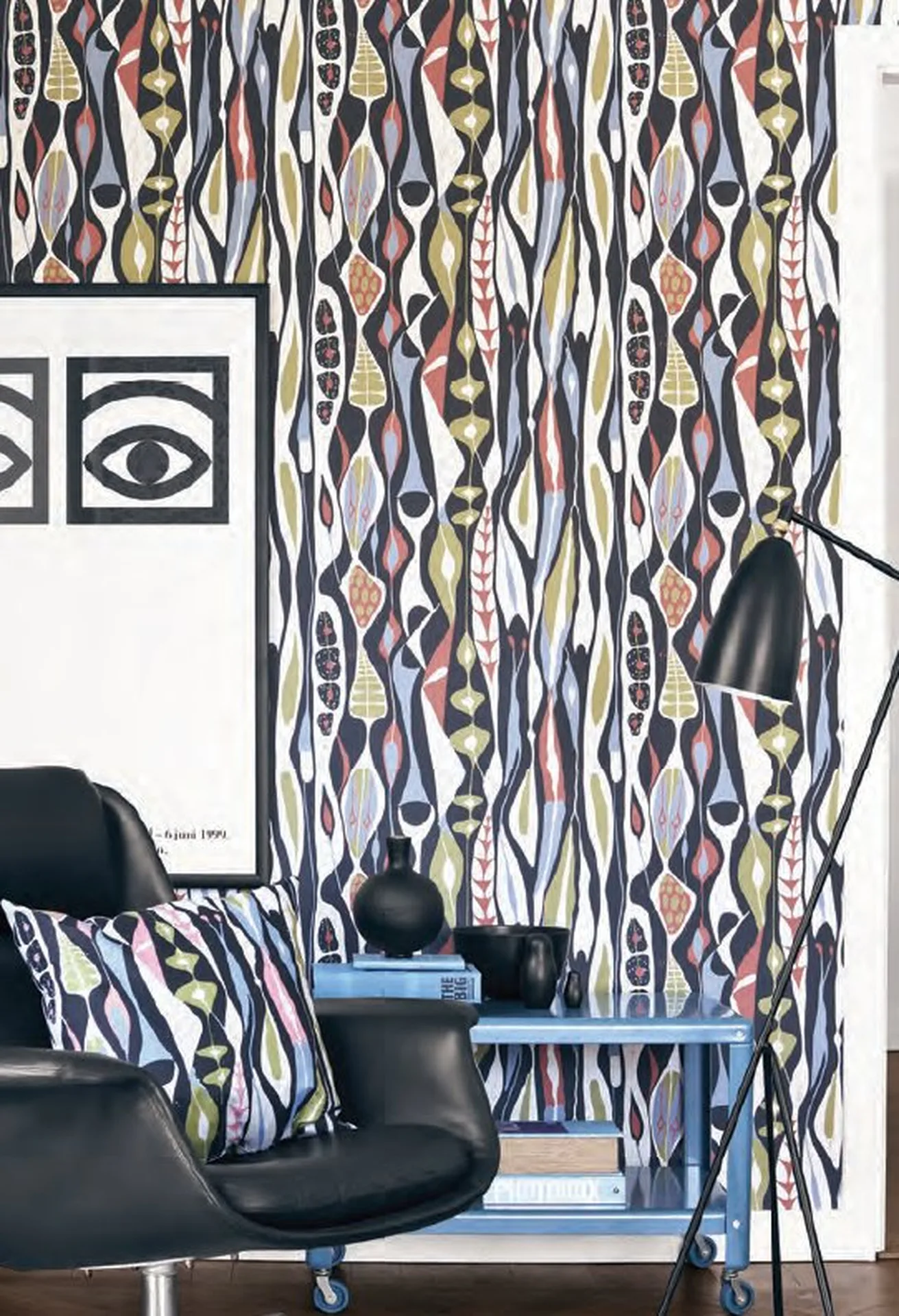
The clean-cut and easy recognizable lines of the Scandinavian style were born out of the natural need to simplify and spiff up daily life, by emphasizing the natural charm of simple things.
Through a combination of beautiful and organic shapes with immediate purpose, the Nordic creations respond to the necessities of a practical life style. This is the essence of Scandinavian design in general, though each Nordic country (Norway, Swede, Denmark, Island and Finland) displays several personality differences by nature.
Industrialization occurred in Scandinavia later than in the neighboring countries, fact that has better preserved traditional craftsmanship. The artists got their inspiration from all the surrounding things and objects. Considering the rather isolated geographical location, the overflowing creativity was stimulated by traditional crafts and the unprecedented manner in which all primary and handy materials were being used. Thus, everything was designed in order to be accessible to everyone.
This target was stated during 1920 – 1930 and the reference point was the Stockholm Exhibition (1930). The objects` usefulness came before the aesthetic and decorative purpose, but after industrialization, the functional role evolved towards shapes that nevertheless responded to the people`s emotional needs, yet not going overboard in terms of garnishing the compositions.
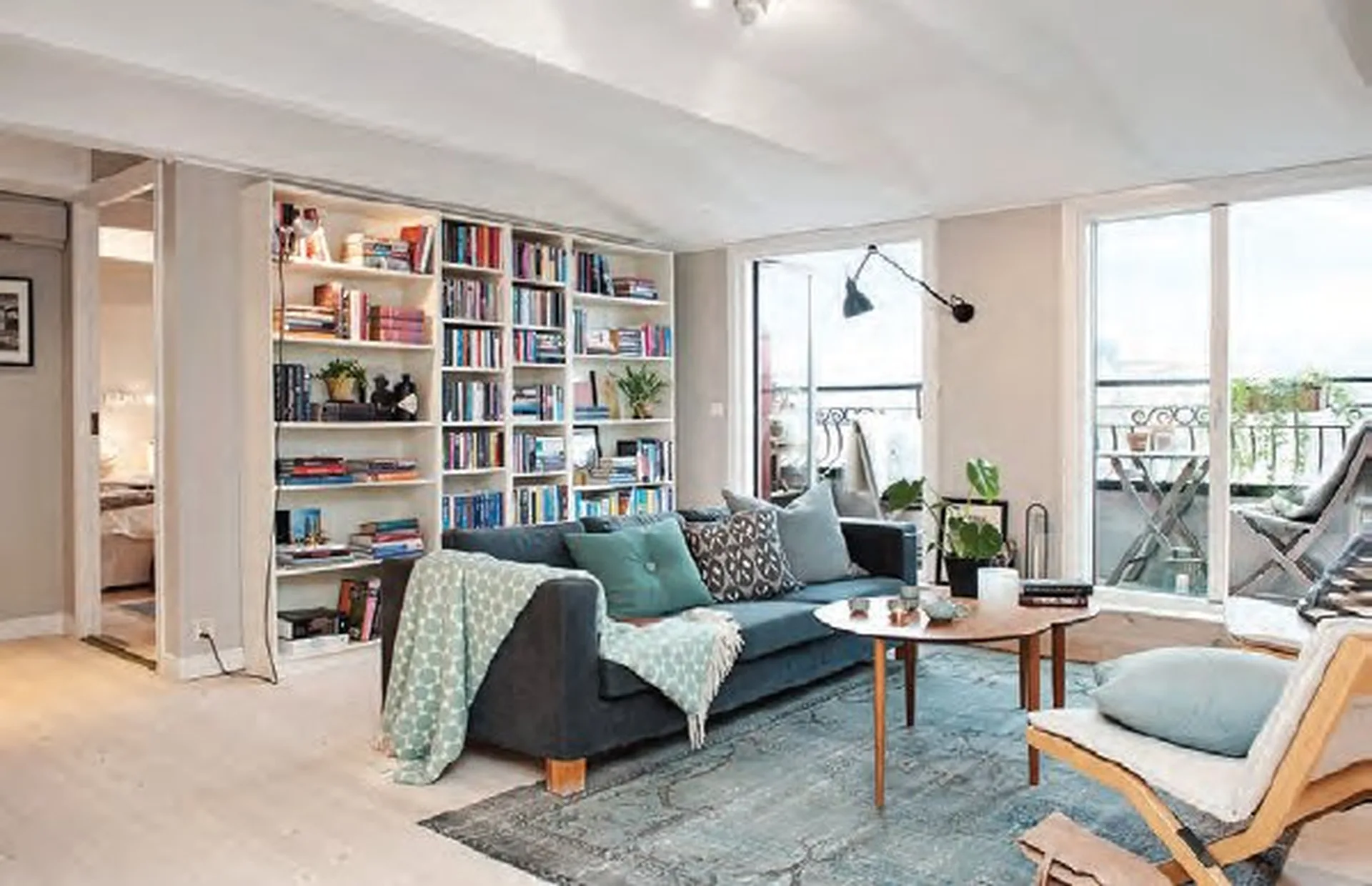
Foto: Alvhem Mäkleri
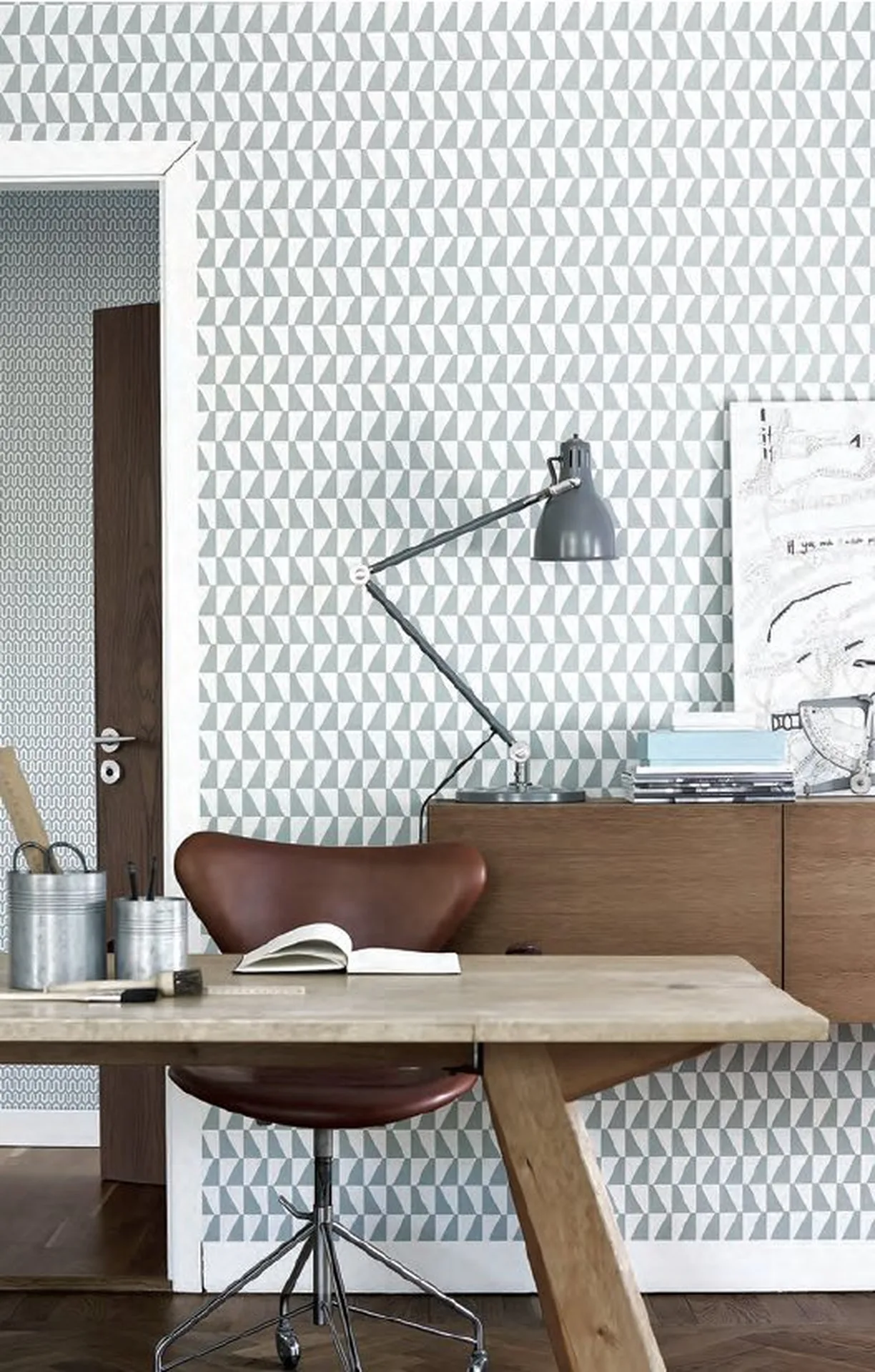
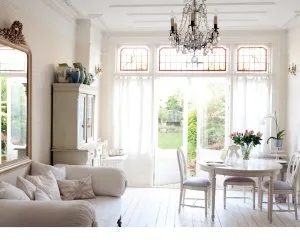
The geographical position of the Scandinavian countries implies very long winters and few hours a day of natural light; as a result these realities produced a style that is very clear, bright, dominated by light colors, a lot of white and has very practical backgrounds. This pragmatic trend had rapidly spread out all over the world and is permanently reinterpreted ever since, thus reinstating its timeless and vital traits.
Scandinavian design is mainly expressed in furniture design. The term itself was officially launched at the London exhibition in 1951 – Scandinavian Design for Living –, meaning furniture and lighting objects creations coming from Scandinavian countries.
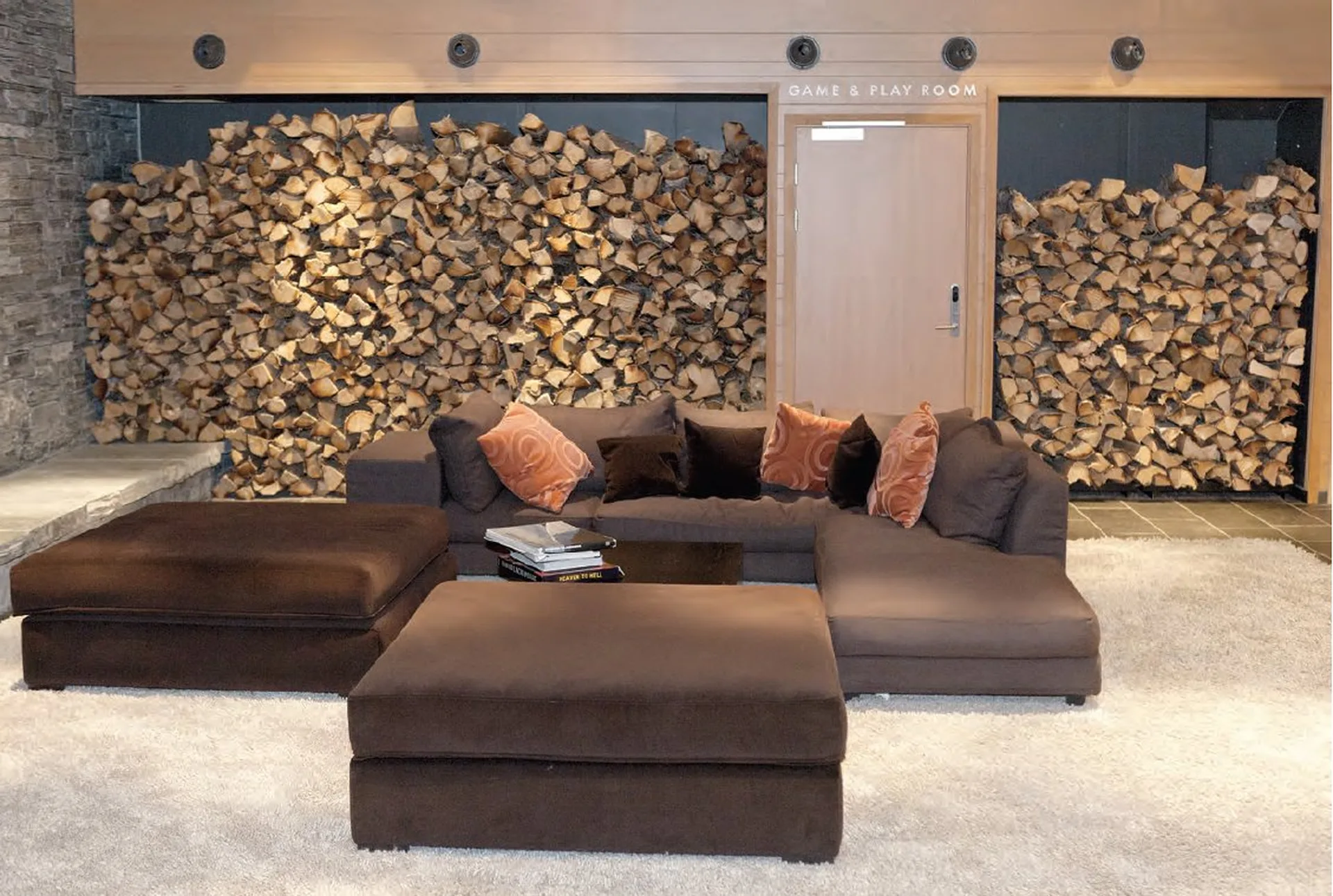
The Nordic artists went down in history with the revolutionary solutions they proposed. Alvar Aalto, one of the greatest architects of modern era, has left over 200 public and private buildings that marked the transcending of neo-classicism towards modernism, via an organic construction concept, where interior space was strictly designed as a harmonious extension of the exterior space. This is also the vision behind custom made furniture, as an inseparable component of architecture. Revolution didn`t take place only in the area of shapes, but also in terms of the technologies that eased the maximum render of products by using natural materials (especially wood) - instead of cold metallic structures - in order to provide warmth to the interiors.
The creators who followed Aalto - Eero Saarinen and Charles Eames – are two of the most famous organic inspired furniture designers. These are only a few of the names who went down in the history of Nordic design: Arne Jacobson, Kaj Franck, Bruno Mathersson, Poul Kjærhom, Poul Henningsen, Nanna Ditzel, Kay Bojesen, Carl-Axel Acking, Finn Juhl, Verner Panton, Tapio Wirkkala, Hans Wegner, Ilmari Tapiovaara, Grete Jalk and Ingegerd Råman.
Panton Chair produced for Vitra in 1967 by Verner Panton had become an ”iconic” piece, inspired by the Italian futuristic style and had launched therewith some chromatic schemes that were quite daring for the `60s -`70s. These objects were very much appreciated at their time and were used in famous films and countless photo sessions to provide vanguard backgrounds.
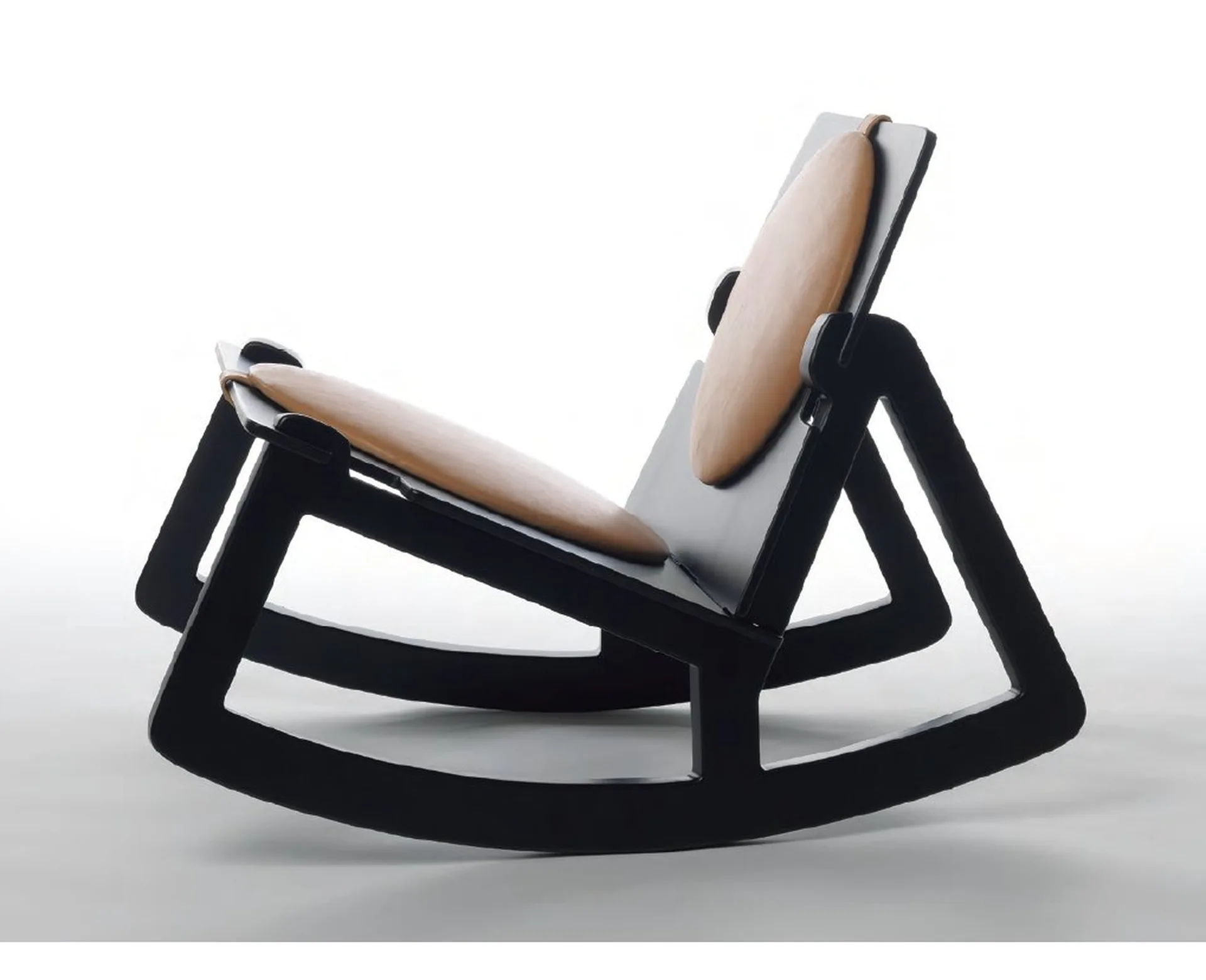
Rock Chair & Rock Seat
Designed by Fredrik Färg
Despite being simple and lacking any useless details, the pictorial shapes inspired by nature are always targeting ergonomics and comfort through a structured creation study. It is remarkable how the identity of Scandinavian design is very well asserted by the tradition that still goes on today and becomes richer and richer – the proof of success and stability winning over fashion`s passing whims.