by Alice-Claudia Gherman, photo archive, Vintage Car Club
Nicolae Apostol is the president of the Vintage Car Club and one of the most dedicated vintage car enthusiasts. A mechanical engineer by training and now retired, he inherited his love for classic automobiles from his father, who owned their family’s first historic vehicle: a 1937 Opel Olympia, when Nicolae was only six years old. “I still have the original documents. I used to go out with my father on weekends to Baneasa Forest in that car and on short trips, just as people did at the time—not long journeys, but modest excursions. Later, as a teenager, I began working on old cars together with him. That passion eventually led me to my first rare vehicle, a 1960 Triumph TR3A. It was around 1981, so the car was about twenty years old at the time. Back then, a twenty-year-old car was already considered old. Over time, however, the period that defines a vintage vehicle has gradually expanded,” the collector explains.
A vehicle is considered historic if it is over 30 years old and 100% original
There are several conditions that must be met for a vehicle to be officially recognized as historic. It must be at least 30 years old, calculated from the year the last model in its production series ceased to be manufactured. It must also be in original condition, including its engine, gearbox, wheels, headlights, rims, and paint color, along with other technical specifications.
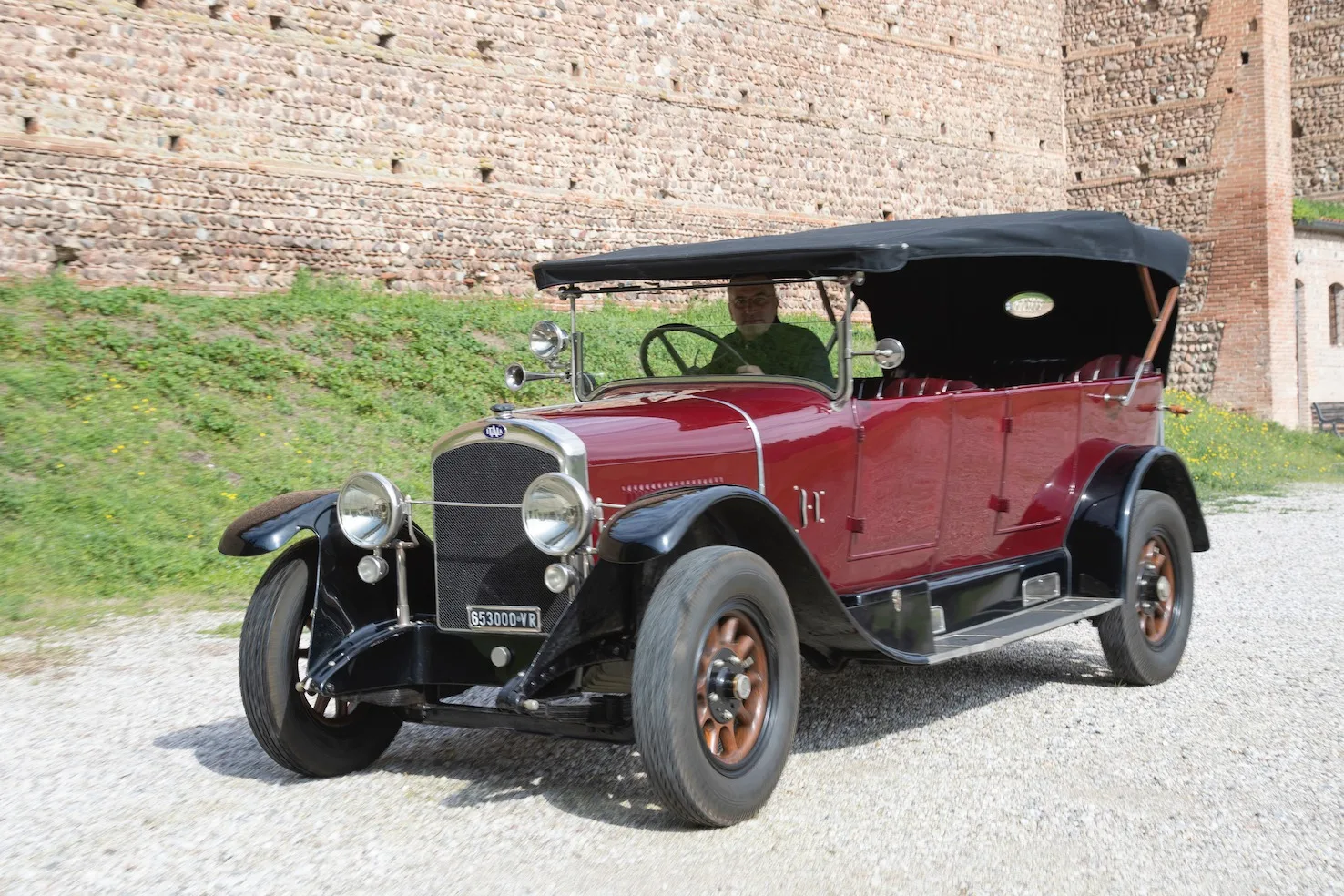
If all these conditions are met, the vehicle can obtain historic or vintage certification. “To be considered vintage, a car must be entirely original—it is not enough for it simply to be from a certain year. Everything must be authentic, including the bumpers and the signaling system. Before 1989, many cars were modified with additional bars or different lighting,” he explains. He adds, “That is why we say we are a museum on wheels at every event we take part in or organize ourselves—because all the cars in our club are certified historic vehicles.” The requirement for joining the club is to own at least one vehicle officially certified as vintage, or to be in the process of restoring such a vehicle in the coming months.
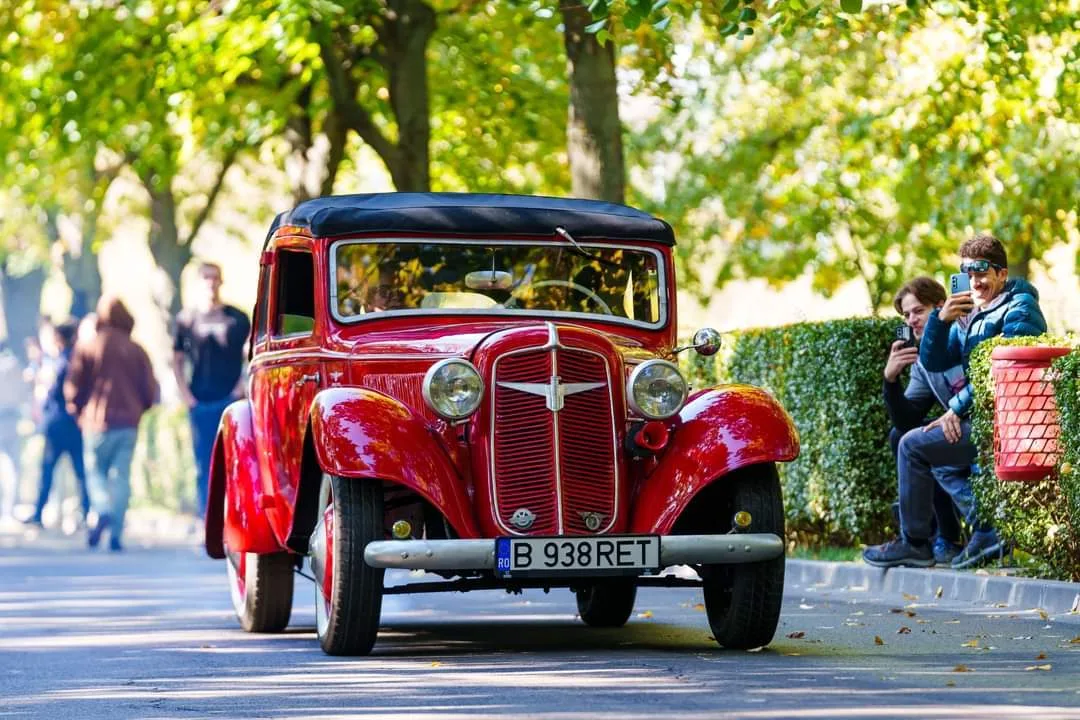
”There is no greater satisfaction for us than seeing people smile, greet us, take photos of the cars, and ask questions about them. Otherwise, what is the point of keeping them hidden away in a garage, seen only by their owner?”
In Romania, there are two major organizations dedicated to historic automobiles: Retromobil Club Romania (RCR) and the Vintage Vehicle Club (CVE). The Vintage Vehicle Club, led by President Nicolae Apostol and Vice President Mircea Ursache, is the oldest and represents the nucleus of the vintage-car movement that emerged after 1990. Founded in 1995, the club laid the foundations of what would become a national phenomenon. “Retromobil Club Romania later branched off from us and has since grown into a larger organization, with around 4,500 members nationwide, as well as a government-authorized commission for the homologation of historic vehicles,” explains the CVE president.
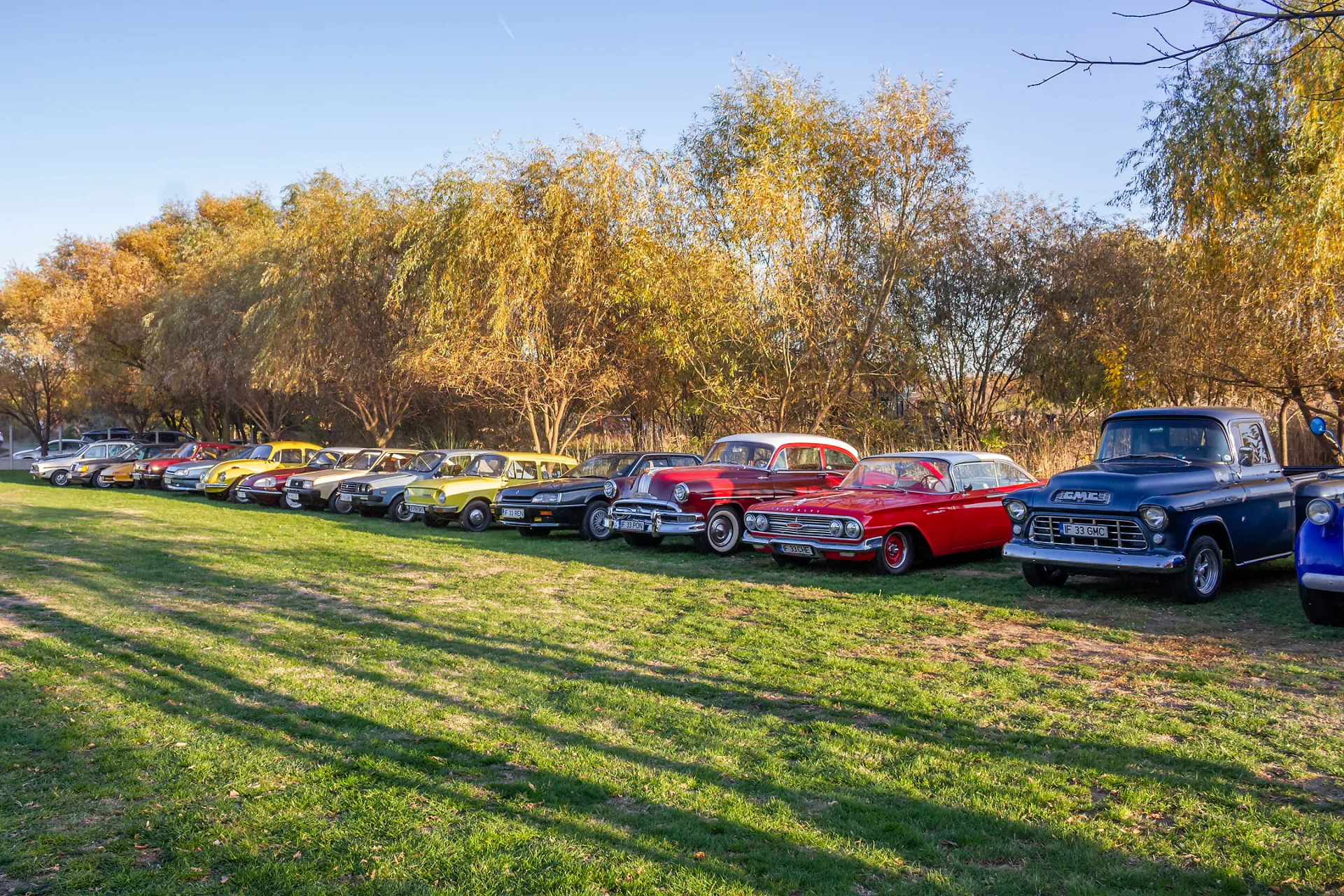
Members of Retromobil Club Romania own approximately 10,000 historic vehicles manufactured between 1899 and 1994, of which about five percent date from before 1944. In the absence of a dedicated automobile museum in Romania, the two clubs have become the main promoters of events that showcase the history of automobiles in the country and beyond. “We organize events devoted to these vehicles and enjoy the public’s appreciation whenever we bring our cars to parades or rallies. Our cars are not just museum pieces—they are fully functional and can take part in period rallies. We are not referring here to the great collectors, who belong to a different category and rarely attend such events. It is the rallies that attract the widest audience, and that is what brings us the greatest joy,” says Nicolae Apostol.
“What is the point of keeping your cars in a garage, in the dark, with only you, the owner, looking at them from time to time?”
The club organizes parades and exhibitions and also participates in events hosted by others, such as the Bucharest International Auto Show or Retro Drive & Party at Domeniile Franco-Române. “This year we have several projects planned, including an exhibition at the Technical Museum and a rally in Râșnov–Cheile Grădiștei, which offers an extraordinary route. The purpose of these events is to present our cars to the public and to share with them the joy of owning such vehicles. There is no greater satisfaction for us than seeing people smile, greet us, take photos of the cars, and ask questions about them. Otherwise, what is the point of keeping them hidden away in a garage, seen only by their owner?”
”A vintage car can involve both very small and very substantial investments. You always need to evaluate whether a particular model is truly worth it and whether you can realistically support the costs.”
An investment in a vintage car can begin at a few thousand euros and rise to tens of thousands.
Having worked in the restoration of classic automobiles throughout his career, Nicolae Apostol has owned and restored many such vehicles over the years. “I started out as a mechanical engineer at the Ștefănești Engine Center, then ran my own car service, before dedicating myself entirely to vintage automobiles. Today, I own a collection of seven historic cars. I have had many others over the years, but I did not always have the financial means to keep them.
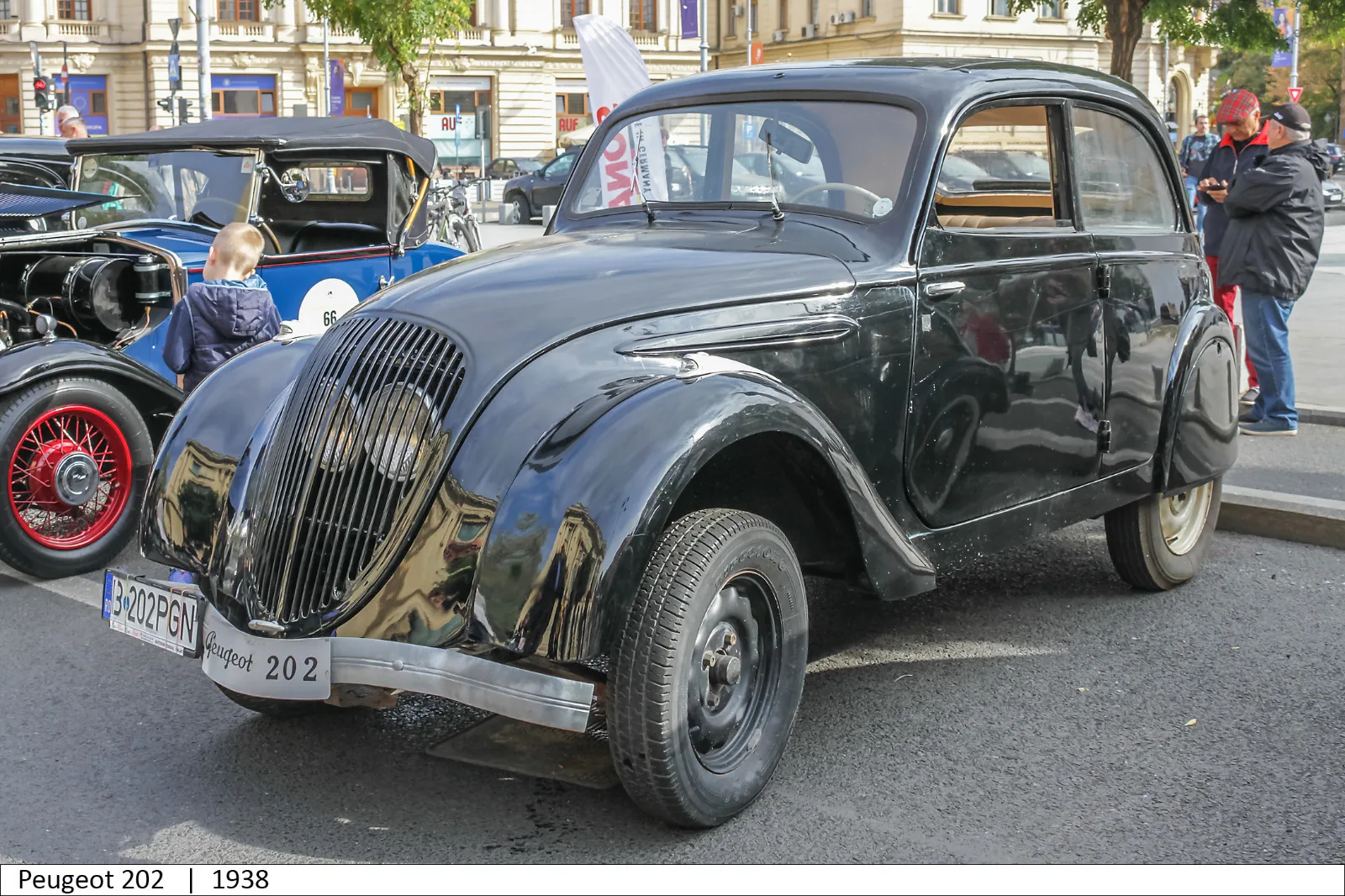
My collection includes a Dacia 1300, our national symbol, a 1975 model in perfect working condition. I also own two Mercedes: a W123 model from 1982, known as the Cobra, and a W124 from 1992. There is also a Peugeot 202 from 1937, which I recently rented out for a film production. I own a Fiat X1/9, a rare 1971 model purchased from one of Romania’s most celebrated racing drivers, Eugen Ionescu Cristea; it is currently being restored. I also have a Daihatsu off-road vehicle from 1994 in excellent condition, and a 1943 Jeep Willis, the oldest of its kind in the country.”
Owning a vintage vehicle, beyond the pleasure it brings to those who cherish these four wheeled jewels, also represents a form of investment, one that is increasingly embraced by collectors in Romania and abroad. “A vintage car can involve both very small and very substantial investments. You always need to evaluate whether a particular model is truly worth it and whether you can realistically support the costs. An investment can start at around 1,000 euros and reach several tens of thousands. To give you an example, a repaint alone costs about 2,000 euros. If the car also requires sandblasting, meaning stripping it down to bare metal using sand and salt, followed by filling, polishing, bodywork and repainting, the total can easily rise to 5,000 euros. Add mechanical repairs and you may reach 10,000 euros, which is almost the price of a new car. There are valuable models in which you can invest 10,000 euros and later see their value rise to 80,000 euros. There are also cars where it simply is not worth investing more than a few hundred euros. You have to carefully analyze what you plan to do with the car you want to own.”