by Istvan Pentek
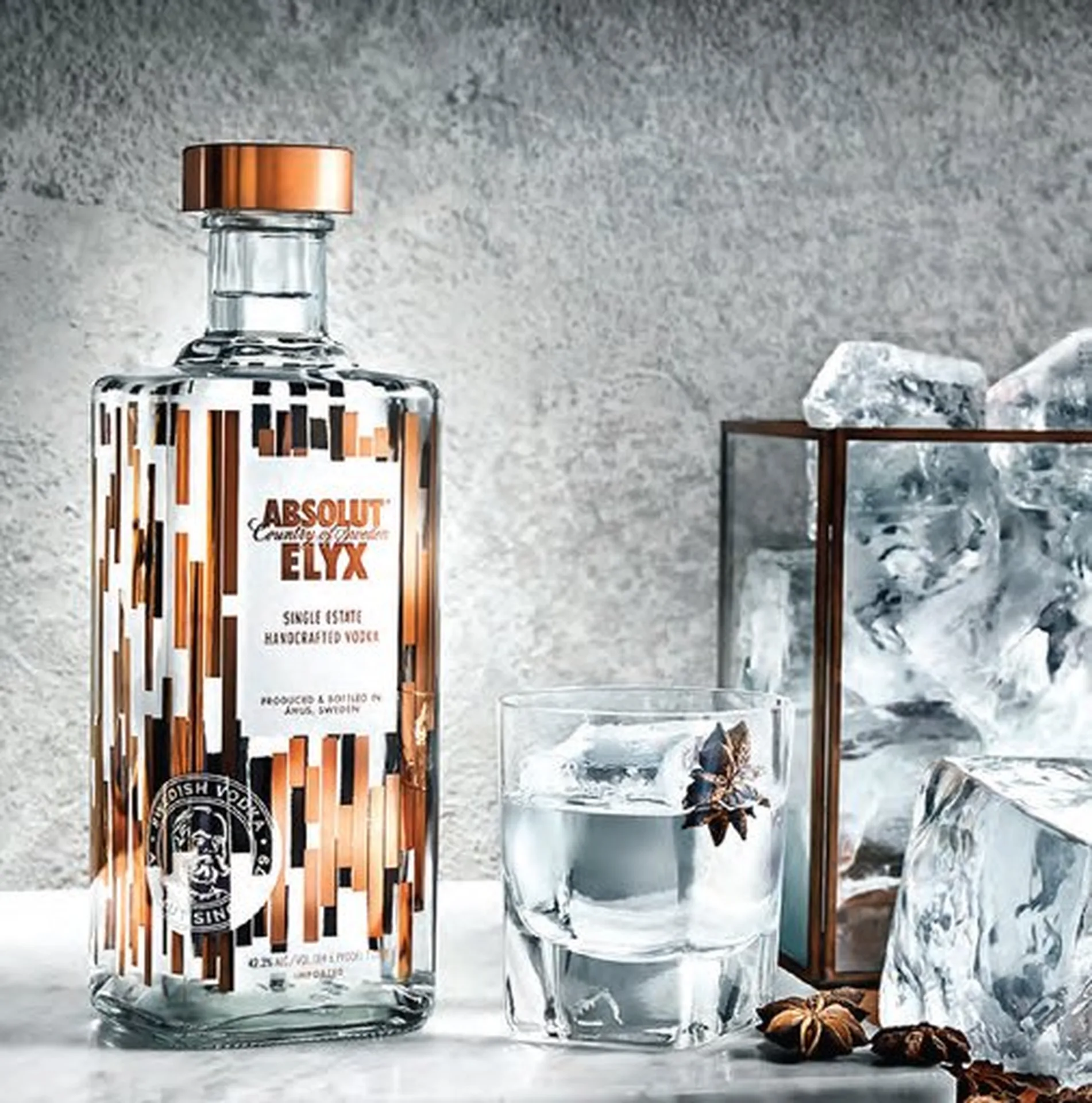
The Absolut Vodka is produced in a great variety of flavors, but their most exclusivist product is Absolut Elyx, the only Single Wheat Estate vodka in the world, produced solely from wheat cultivated on one single lot, near the Råbelöf Castle, located 15 miles from the distillery. Many experts consider it the most balanced vodka in the world.
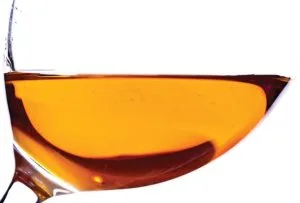
But the list of Swedish spirits does not include just vodka; Sweden is also home of Akvavit, a distilled product from cereal or potatoes with admixture of anise, cumin, fennel, coriander and dill. It has a yellowish color due to the long maturation process that is done in wooden barrels. Starting with the 16th century and until recently, Akvavit was considered a magical drink, thanks to fact that it facilitates digestion after eating heavy fish foods. The traditional flavored-distilled spirits family also includes Brännvin; this is a beverage similar to the German Weinbrand that had appeared in Sweden in the 15 century through the German merchants. It is distilled from cereals or potatoes and, at a later time it is enriched with flavors such as cumin, dill, elderflower, hip roses, all-saints`-wort, ginger and carrots.
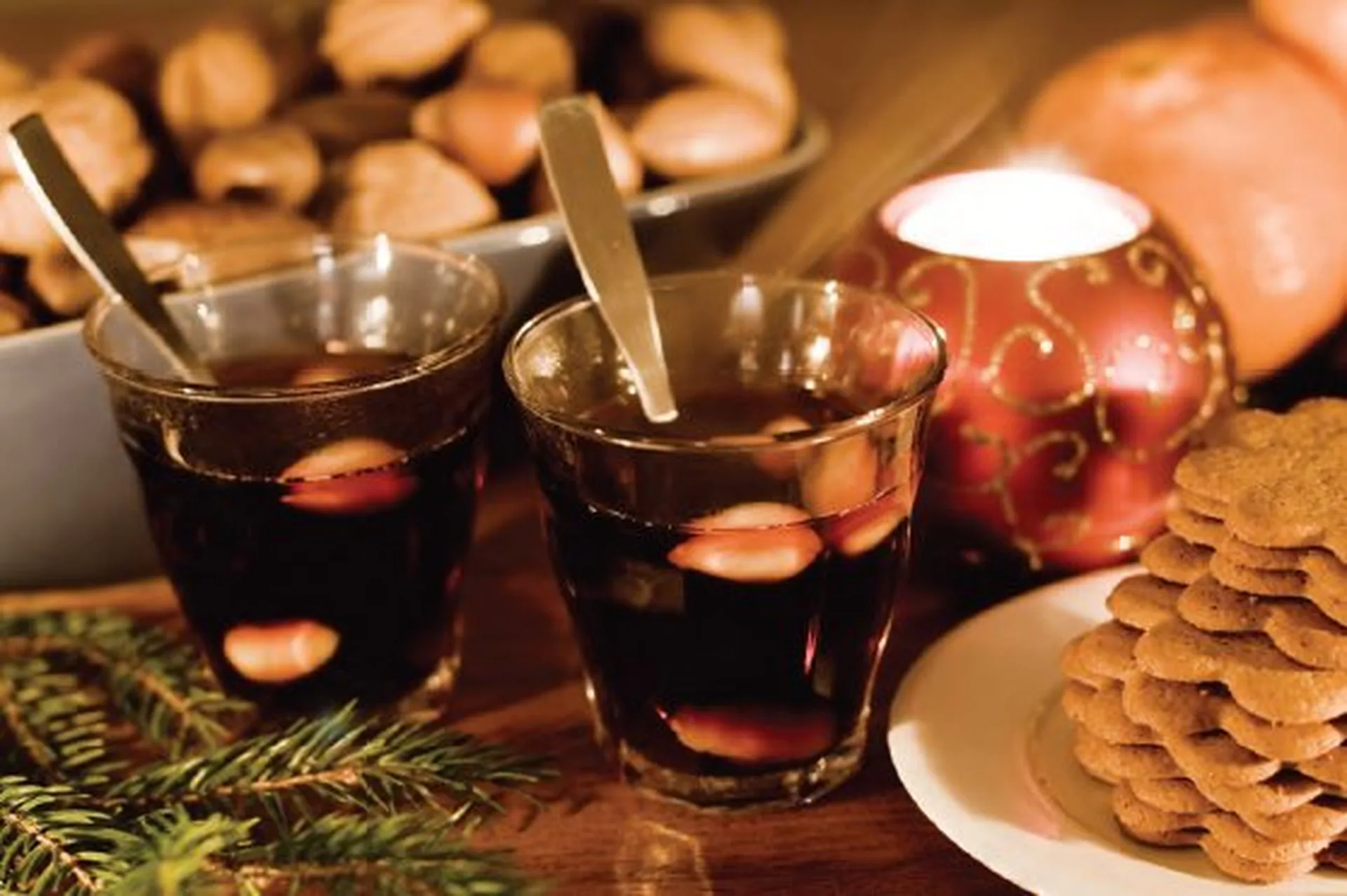
Sweden also produces Mackmyra Whisky, single malt obtained from cereals produced on a 70 miles area around the village with the same name. Its quality is given by a mixture of elements: the area`s crystal clear water, together with the Swedish barley that has the capacity of collecting sugar during the long summer days and the maturation barrels made from Swedish oaks that grow very slowly due to bad weather conditions. Those who prefer an invigorating drink with lower alcohol content can have, besides beer, some Swedish Cider – a softly bubbled drink that has a sweet taste obtained by fermenting apple juice. Those who visit Sweden during autumn or winter time must absolutely try Glögg, a warm beverage obtained by heating red wine up to 78° C and adding flavors such as nutmeg, vanilla and cardamom. It is served in large mugs, sprinkled with almond flakes and raisins. And although Sweden is not considered a wine-producing country, they make here several wine-like beverages, produced from fruits such as juniper, raspberry, blueberry, rhubarb, etc. On the Öland Island in Södermanland they produce a famous sparkling wine from white gooseberries, based on a recipe dating back to 1897.
In 1919, Sweden had a first production of Pommac, a non-alcoholic drink made from apples and forest fruits, maturated for three months in oak barrels – the only drink with no alcohol content that is maturated in oak barrels.
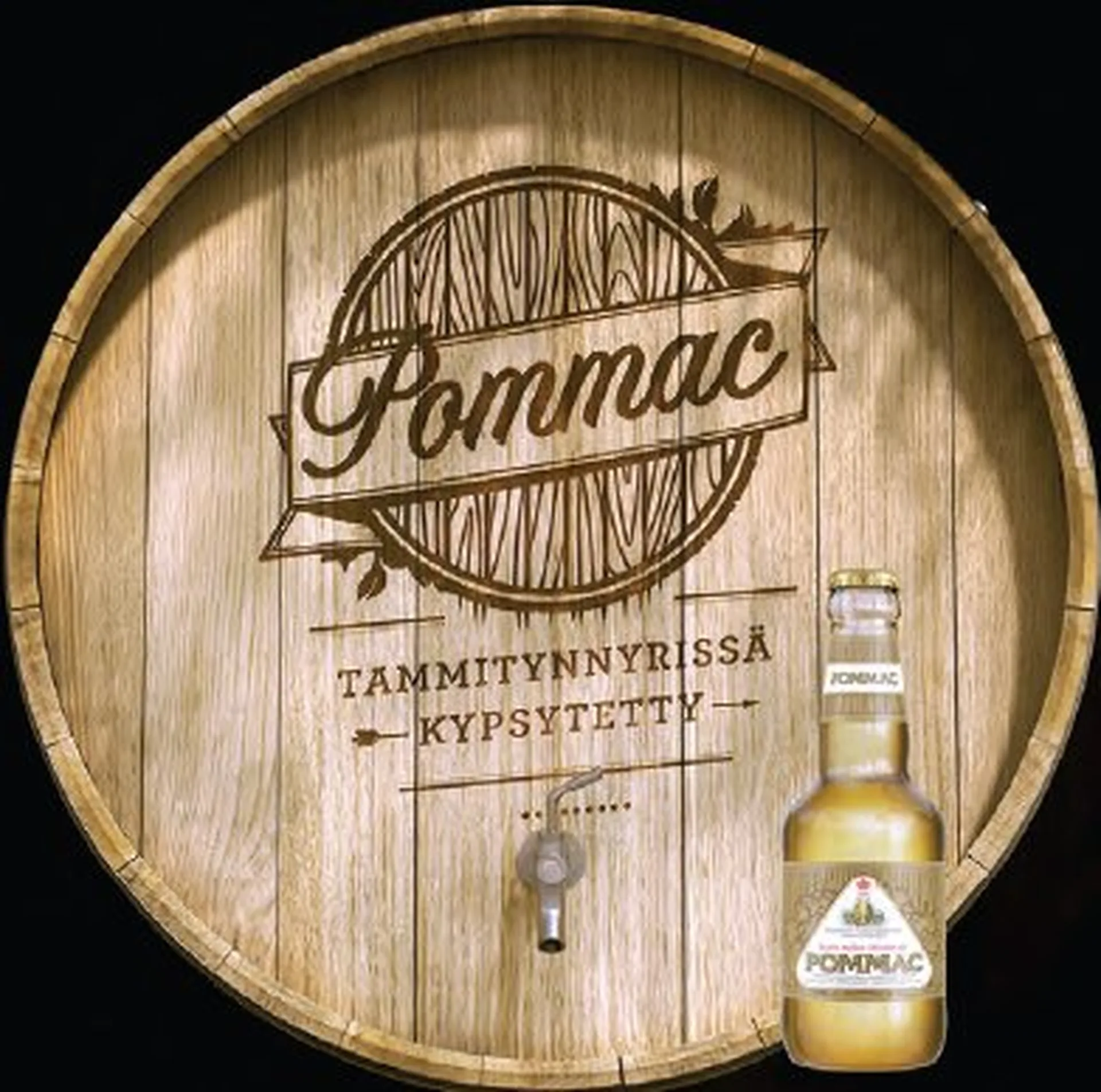
FOTO: www.mybrotherhoudini.com