by Karina Gospei, photo archive Rolls-Royce
Royce. Rolls-Royce. A symbol of social status rather than merely a car brand, Rolls-Royce is to the British what BMW is to the Germans - and perhaps even more than that. It embodies the image of a classic Great Britain: refined, conservative, and attentive to detail to the point of obsession. Simply saying the name Rolls-Royce immediately evokes images of a grand castle or an ultra-luxurious residence - traditional yet modern at the same time - as well as aristocratic status, official ceremonies, sophistication, and quiet self-confidence without ostentation.
Although it is now a global brand owned by the German BMW Group, Rolls-Royce continues to carry something deeply British in its identity: elegance should never be displayed with emphasis, because true luxury needs no explanation. Rolls-Royce’s headquarters and manufacturing facility remain in the United Kingdom, in Goodwood, West Sussex.
Lord of the Road: Rolls-Royce
The story of Rolls-Royce began in England at the start of the 20th century with two very different men: Henry Royce, a self-taught engineer obsessed with perfection, and Charles Rolls, an aristocrat, aviator, and automobile dealer. In 1904, the two men met in Manchester.
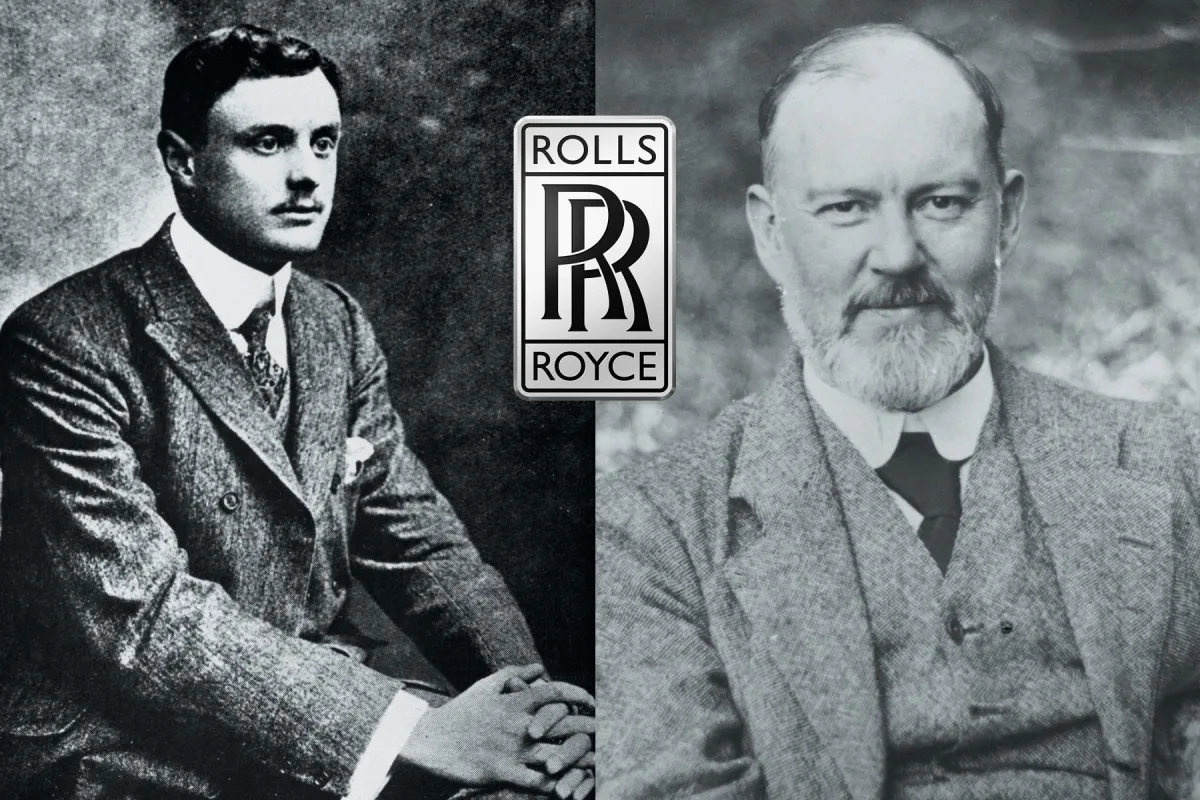
Royce had built a car of his own, and Rolls was so impressed by its reliability and refinement that he decided to sell all of Royce’s automobiles under the Rolls-Royce name. In 1906, Rolls-Royce Limited was established, with what was, in fact, Royce’s own motto serving as its unofficial creed: “Take the best that exists and make it better.” The cars were expensive, but exceptionally well built, quiet, and reliable. At a time when automobiles frequently broke down, Rolls-Royce became synonymous with precision engineering.
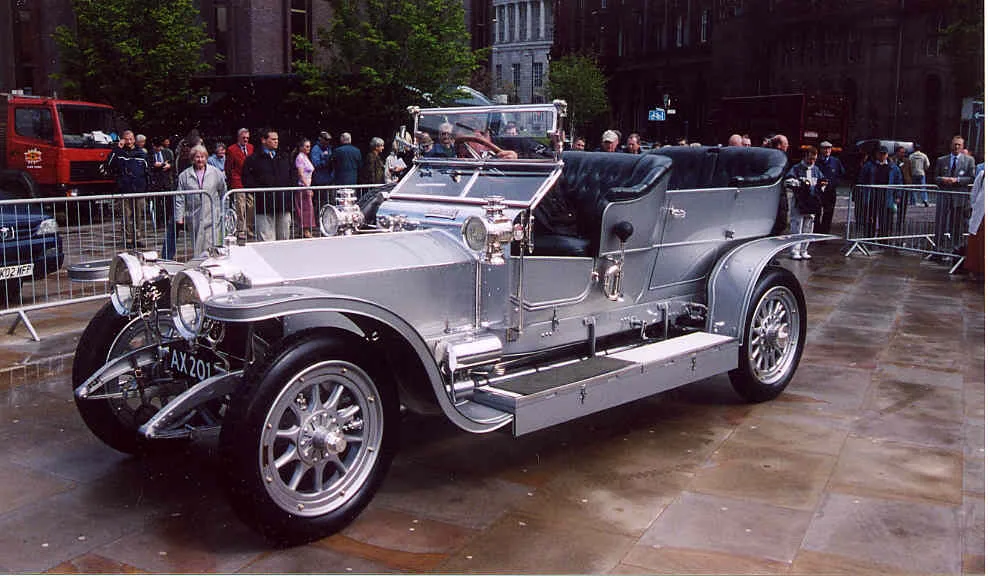
The first Rolls-Royce automobiles were the 10 H.P., 15 H.P., 20 H.P., and 30 H.P. models, introduced between 1904 and 1906. However, the marque’s true rise to prominence came with the 40/50 H.P., later known as the Silver Ghost, the automobile that established Rolls-Royce as the ultimate benchmark for luxury and reliability. Its dependability was so extraordinary that the press of the time hailed it as “the best car in the world.” Claude Johnson, the company’s managing director, played a crucial role in shaping and promoting the marque, eventually earning the nickname “the hyphen in Rolls-Royce.”
Spirit of Ecstasy, the Spirit of Rolls-Royce
Like every luxury marque, Rolls-Royce needed an emblem of its own, something beyond the familiar double-R badge. It needed a symbol that would embody its spirit, presence, and power. Its earliest emblem was a figurine known as “The Whisper,” created for the personal automobile of Lord John Scott Montagu. The sculpture depicted Eleanor Thornton, a close associate of the lord, with one finger raised to her lips - a gesture suggesting discretion and secrecy, qualities long associated with Rolls-Royce automobiles: silent, discreet, and gliding along the road like ghosts.
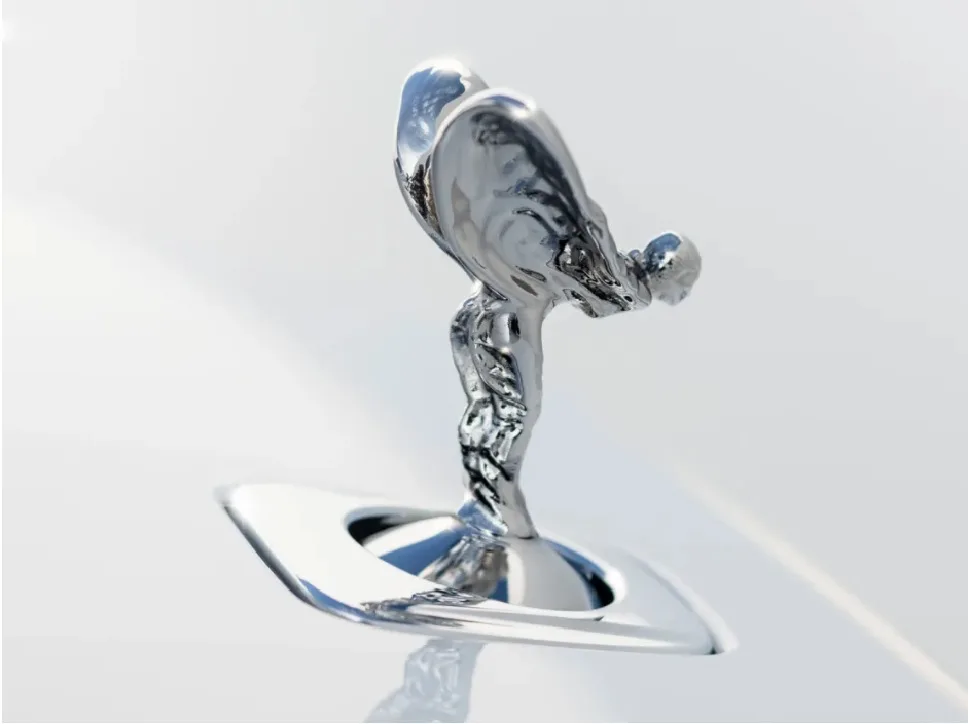
In 1911, British sculptor Charles Robinson Sykes created the Rolls-Royce emblem known as the Spirit of Ecstasy. Mounted on the automobiles’ bonnet, it portrays a woman leaning forward, her flowing garments swept back as though caught by the wind. The model for the emblem was, once again, Eleanor Thornton. Initially known as the “Spirit of Speed,” the statuette went on to become one of the most recognisable symbols of automotive luxury and refinement - and one of the defining emblems of the Rolls-Royce marque - from 1911 to the present day.
There are, however, a few exceptions. Certain special models and bespoke editions may feature a modified emblem, while the figurine can retract automatically into the bonnet for protection. On the all-electric Spectre, meanwhile, the Spirit of Ecstasy takes on a lower, more aerodynamic form.
Rolls-Royce in the Age of Globalisation
During the First World War, Rolls-Royce began producing aircraft engines, laying the foundations for an aeronautical division that would eventually transform the company into a global leader in the aerospace industry. Despite its close association with the British aristocracy and the highest levels of luxury, Rolls-Royce also faced a major crisis in the 1970s. The cost of developing the RB211 aircraft engine led to the company’s bankruptcy in 1971, after which it was taken over by the British government.
In 1980, the automotive division was sold to the Vickers Group. In 1998, Rolls-Royce Motors came under the ownership of Volkswagen and since 2003, Rolls-Royce Motor Cars has belonged to the BMW Group. The design centre remains in the United Kingdom, where a dedicated team of designers works to ensure that every model retains its classic proportions and distinctive details. The engines and electronic systems, however, come from research and development facilities in Munich.
Rolls-Royce Today: From the Phantom to the Spectre
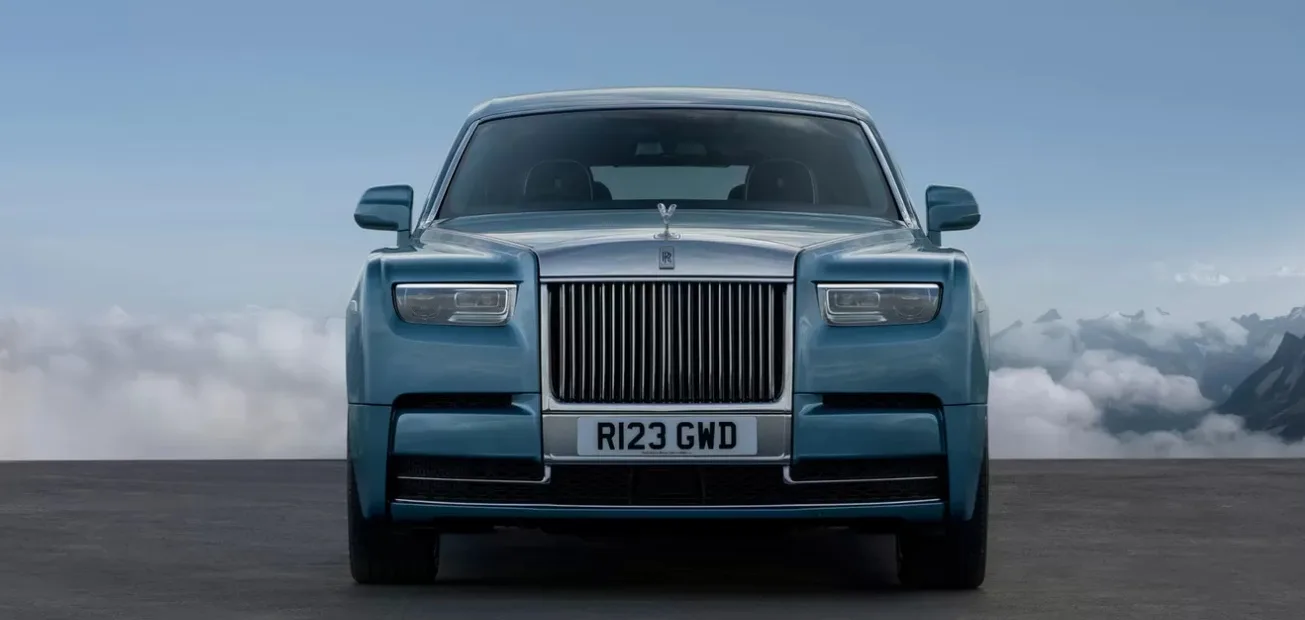
The modern Rolls-Royce range includes the Phantom, the marque’s flagship limousine; the Cullinan, its luxury SUV and the Spectre, its first fully electric model. These are joined by versions such as Extended and Black Badge, as well as updated generations - known as Series II - available for certain models.
Phantom
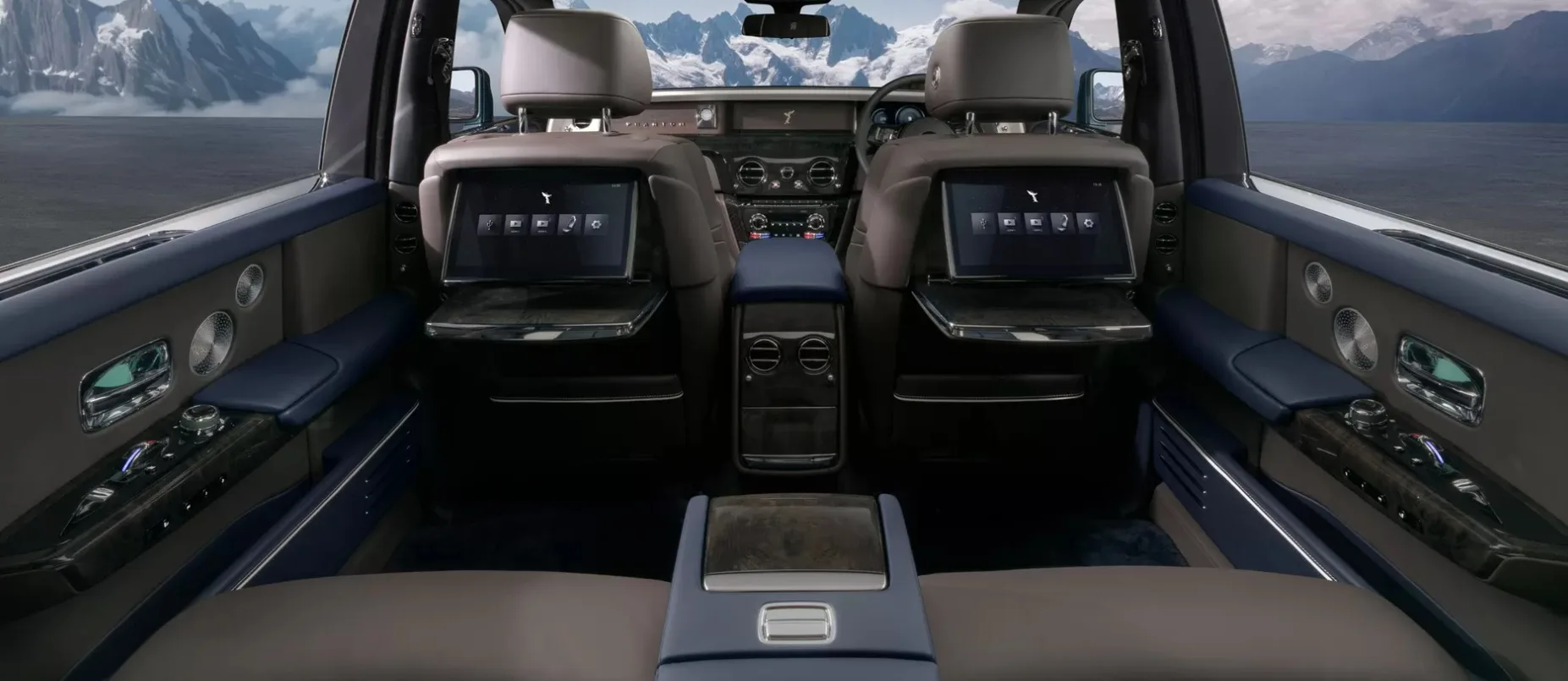
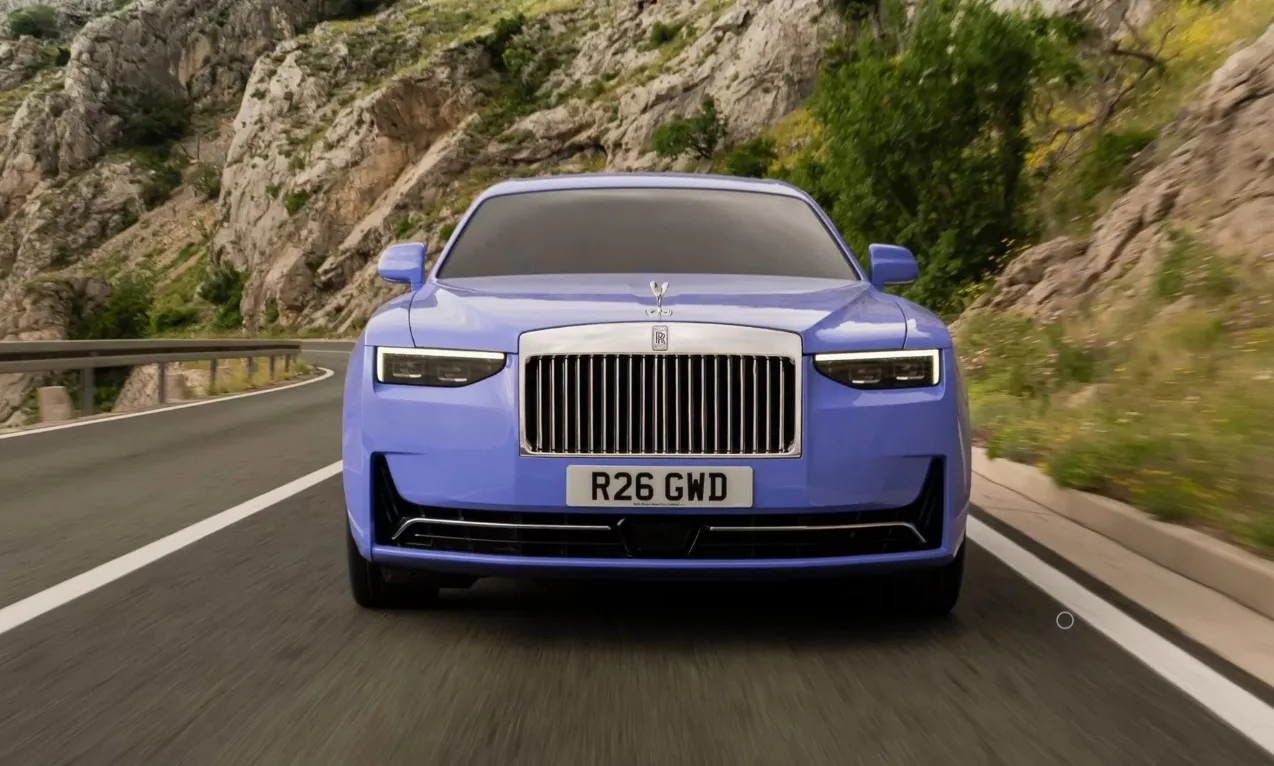
The Phantom is the marque’s flagship and the closest thing to a royal limousine. It is imposing in size, exceptionally quiet, and designed above all for the comfort of its rear-seat passengers. Even the name Phantom suggests a host of exceptional qualities: the engine and cabin are so remarkably silent that the car appears to glide “like a phantom” - a discreet, understated presence, yet one that moves with unmistakable elegance.
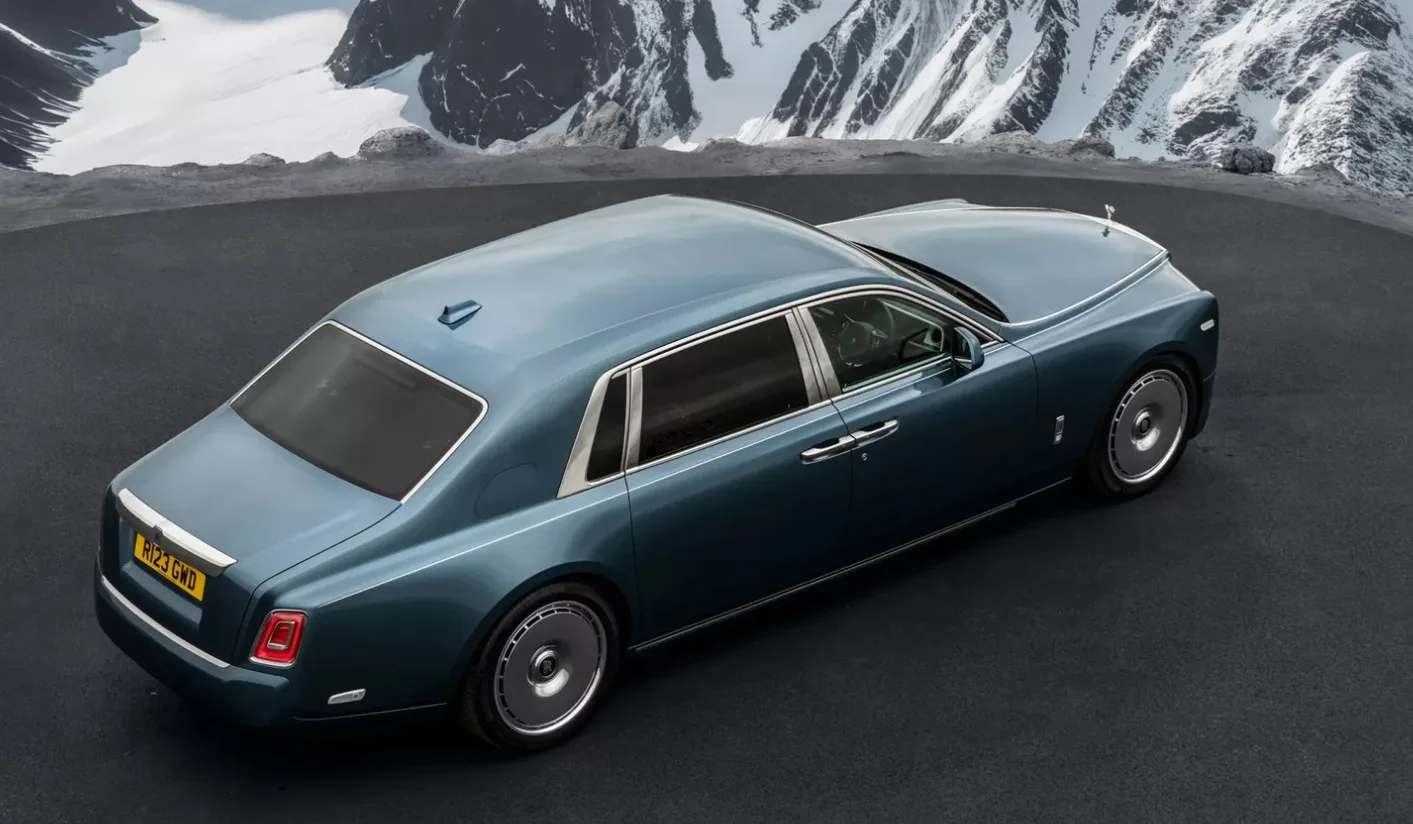
Features: ● 6.75-litre twin-turbocharged V12 engine; all-wheel drive; ●all wheel steering for enhanced manoeuvrability; ● highly sophisticated suspension, known as the Planar Suspension System;● Ghost Extended version, offering additional space for rear-seat passengers; ● Black Badge Ghost option, with a more assertive visual character and enhanced performance; ● minimalist interior featuring natural materials, leather, wood, and Bespoke elements.
Ghost
The Ghost is the more discreet model and its silhouette is simpler than that of the Phantom, yet it retains the exceptional refinement and bespoke personalisation that define Rolls-Royce. The current Ghost model is presented by the marque as an expression of power and highly customisable luxury, while the Black Badge version adds a more assertive and aggressive character.
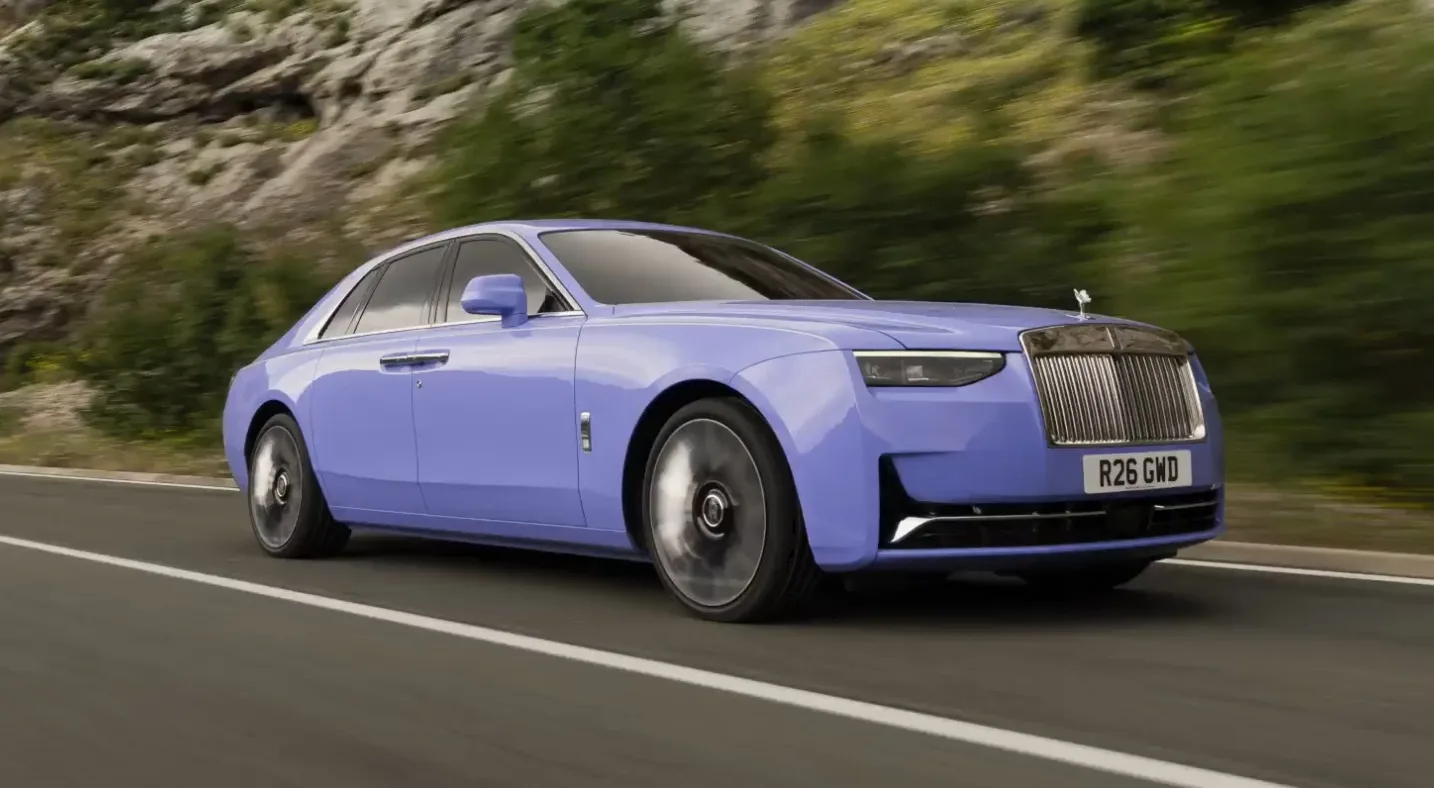
Features: ● 6.75-litre twin-turbocharged V12 engine; ●all-wheel drive; ● all-wheel steering for enhanced manoeuvrability; ● highlysophisticated suspension, known as the Planar Suspension System; ● Ghost Extended version, offering additional space for rear-seat passengers; ● Black Badge Ghost option, with a more assertive visual character and enhanced performance; ● Minimalist interior featuring materials, leather, wood, and Bespoke elements.
Cullinan
The Cullinan is the marque’s SUV and one of Rolls-Royce’s most important models, described by the manufacturer as a combination of power, elegance, and the freedom to travel almost anywhere. The name of this Rolls-Royce SUV refers to the Cullinan diamond, the largest gem-quality rough diamond ever discovered. The Cullinan is not an off-road vehicle in the traditional utility-SUV sense. Rather, it is a luxury automobile capable of tackling challenging roads, while keeping its focus firmly on comfort, refinement, and exceptional materials. There is also a Black Badge Cullinan, distinguished by a darker, sportier appearance, black detailing, special finishes, and a more dynamic character. Alongside it sits the limited-edition Black Badge Cullinan Blue
Shadow, restricted to just 62 examples worldwide.
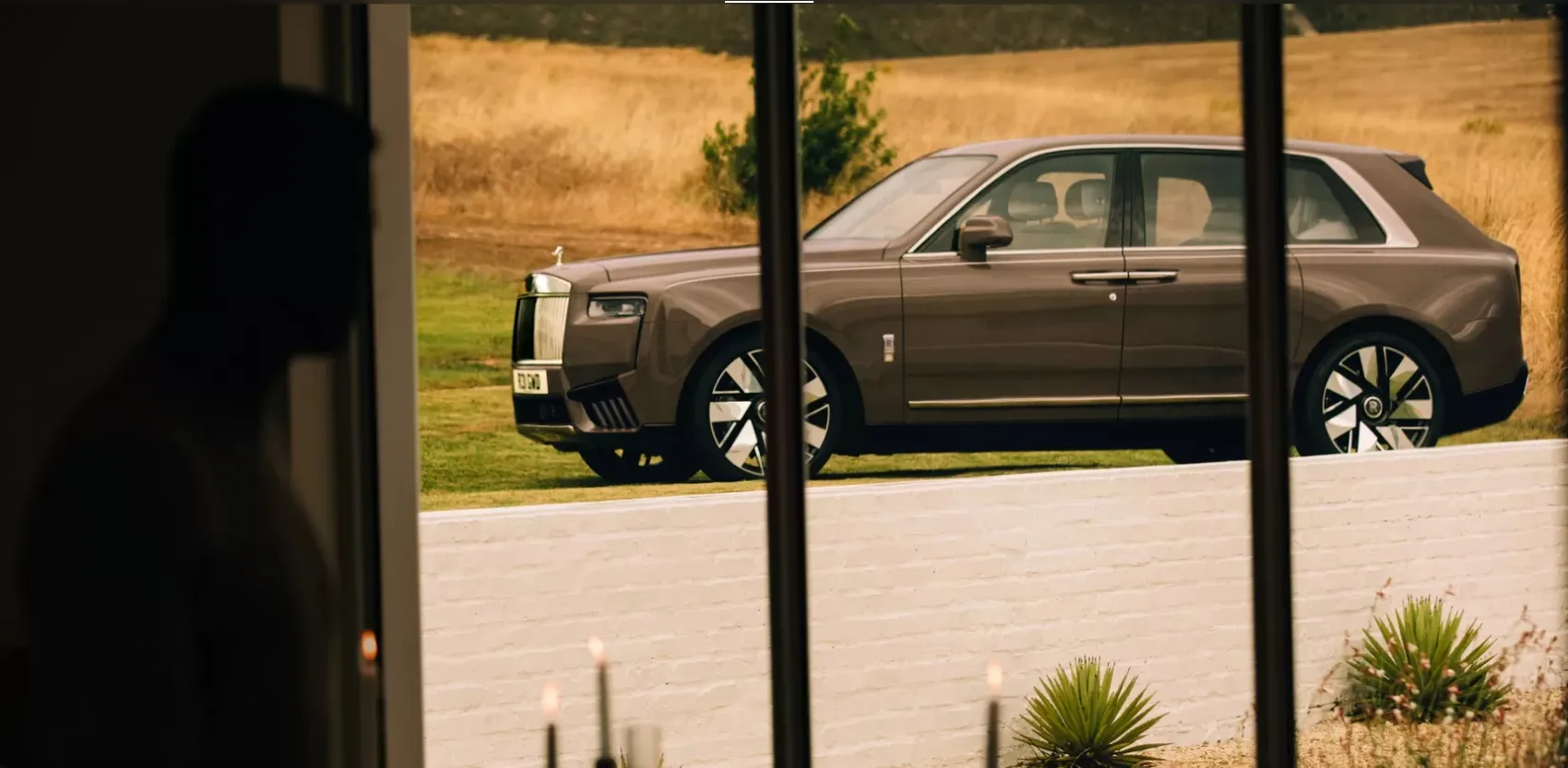
Features: ● 6.75-litre twin-turbocharged V12 engine; ● all-wheel drive; ● high ground clearance and elevated driving position; ● spacious interior; ● rear-hinged coach doors; ● luxurious rear seats and a separate luggage compartment; ● Cullinan Series II version, featuring updated exterior and interior design; ● Sporty Black Badge Cullinan version
Spectre
With the Spectre, Rolls-Royce has embraced the automotive industry’s shift towards electric and environmentally friendly vehicles. Although its powertrain and technical innovations bear the influence of BMW, its British DNA is unmistakable: the Spectre is a two-door coupé with long proportions, an imposing bonnet, and an elegant fastback silhouette. The Spectre does not attempt to be just another high-performance electric car in the mould of a Tesla or Porsche. It is simply the Spectre, enigmatic and seductive, in the unmistakable manner of a true Rolls-Royce. Its priorities are silent travel, exceptional comfort and that distinctive sensation of gliding effortlessly, an experience so characteristic of Rolls-Royce. Its design is younger and more daring than that of the Phantom or Ghost, while remaining unmistakably part of the marque’s family.
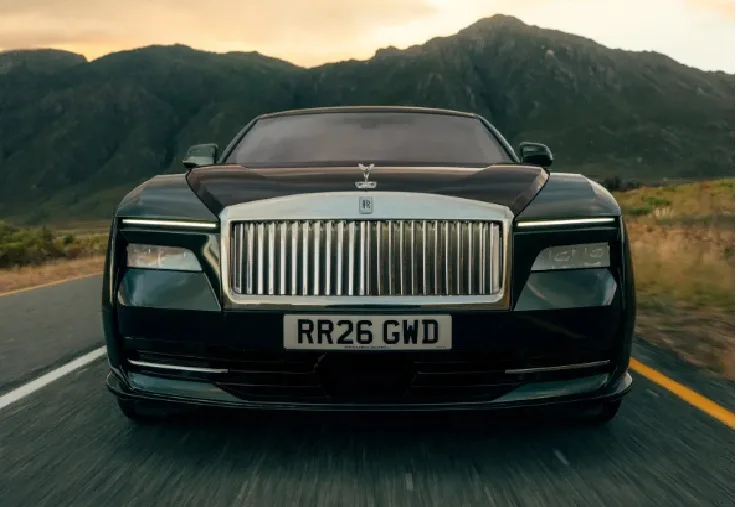
Features: ● Fully electric powertrain; ● dual electric motors; ● all-wheel drive; ● rapid acceleration delivered with remarkable silence and refinement; ● an official range of approximately 500–520 km, depending on the version and testing standard; ● four-seatinterior; ● Starlight Headliner ● Updated Spectre Series II version; ● BlackBadge Spectre option, with a more performance-focused and dramatic character.
In keeping with the marque’s tradition, all the models described above can be commissioned through the Bespoke programme. Clients can choose not only the paint colour and leather, but also the type of wood, stitching, embroidery, headliner, metal inlays, instrument dials, and entirely unique decorative elements. As a result, the final price can rise by hundreds of thousands of euros above the base price, but that is another story.