by Petruș Costea
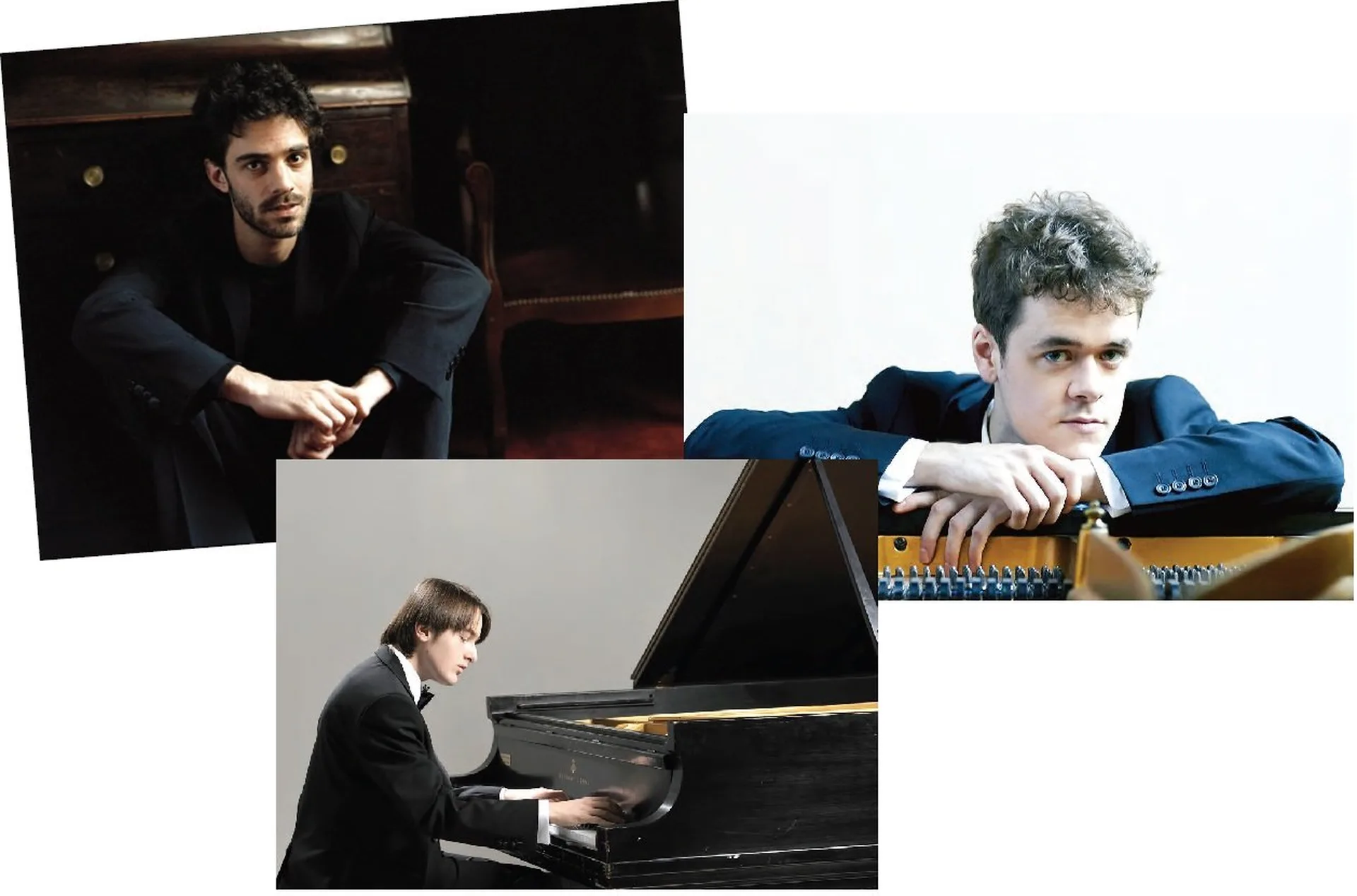
A century ago, a pianist was recognized by his sound, by his performance concept; today, such subtle matters seem to have completely disappeared and the trend is to sing as loud and as fast as possible. Except some small variations, we seem to be listening to the same pianist all the time. Someone like Alfred Cortot, Glenn Gould or Ivo Pogorelich would not be able to win any important competitions today because they are too original. Although the list of young pianists who try to find their own way and break the patterns is quite large (certainly the results are more or less convincing), we shall stop at three pianists under the age of 30.
There were always pianists who accommodated all tastes. Last century, those looking for virtuosity were listening to Horowitz or Cziffra, those in desire for poetry were listening to Cortot, who ever wanted sobriety was turning to Backhaus, those searching for a genius with a drop of madness were listening to Glenn Gould or Ivo Pogorelichand and who was looking for the perfect pianist turned to Lipatti, Richter or Michelangeli. Today, things are almost not at all different. Those who desire virtuosity listen to Yuja Wang, Lang Lang or Valentina Lisitsa, those who long for poetry listen to Frank Braley, Adam Laloum or Martin Helmchen, those who want extravagance listen to Fazil Say, and the list may continue, without suggesting that those mentioned above are better than others. There is room for everyone. All that is important is that they are pianists with a voice.
Benjamin Grosvenor
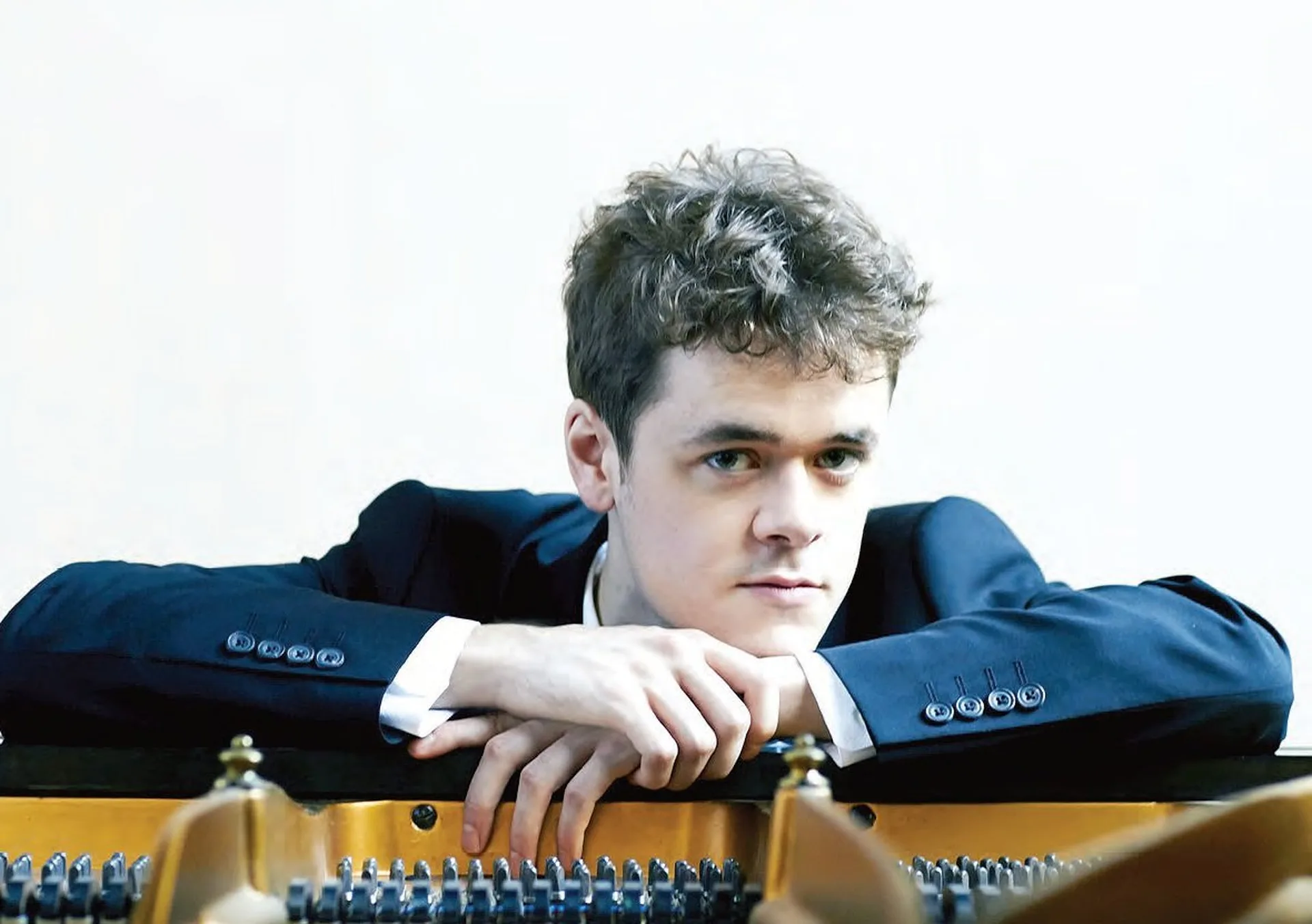
Benjamin Grosvenor was born in 1992, in the United Kingdom and started piano study at the age of 8. At 11 he won the piano section of „BBC Young Musician of the Year”, at 16 he recorded his first album containing virtuous songs; at 19 he signed a contract with DECCA (in the last 50 years this record company has not contracted any British pianist whatsoever) and recorded 3 CDs which had excellent reviews. Especially his first CD, containing the works of Chopin, Liszt and Ravel, was considered a true musical event for Ravel`s Gaspard de la nuit.
Benjamin Grosvenor said during an interview: “I am not quite so talented. Obviously I have some sort of gift for music, otherwise I am not very talented” and mentioned that contemporary pianists are almost no inspiration for him, thus he looks up to the artists of the 1950s: Schnabel, Moiseiwitsch, Cortot etc. Besides the strange maturity despite his age and a virtuosity that is never empty – an extremely rare thing, even for great artists – he has the power of intensely conveying inner life to the song he plays; all the more so that it is never enough to simply play the notes, although the score contains only notes. A detail of his performance – his hands are not synchronized. His left hand plays with a microsecond before his right hand and this is associated with the pianists of the beginning of the 20th century.
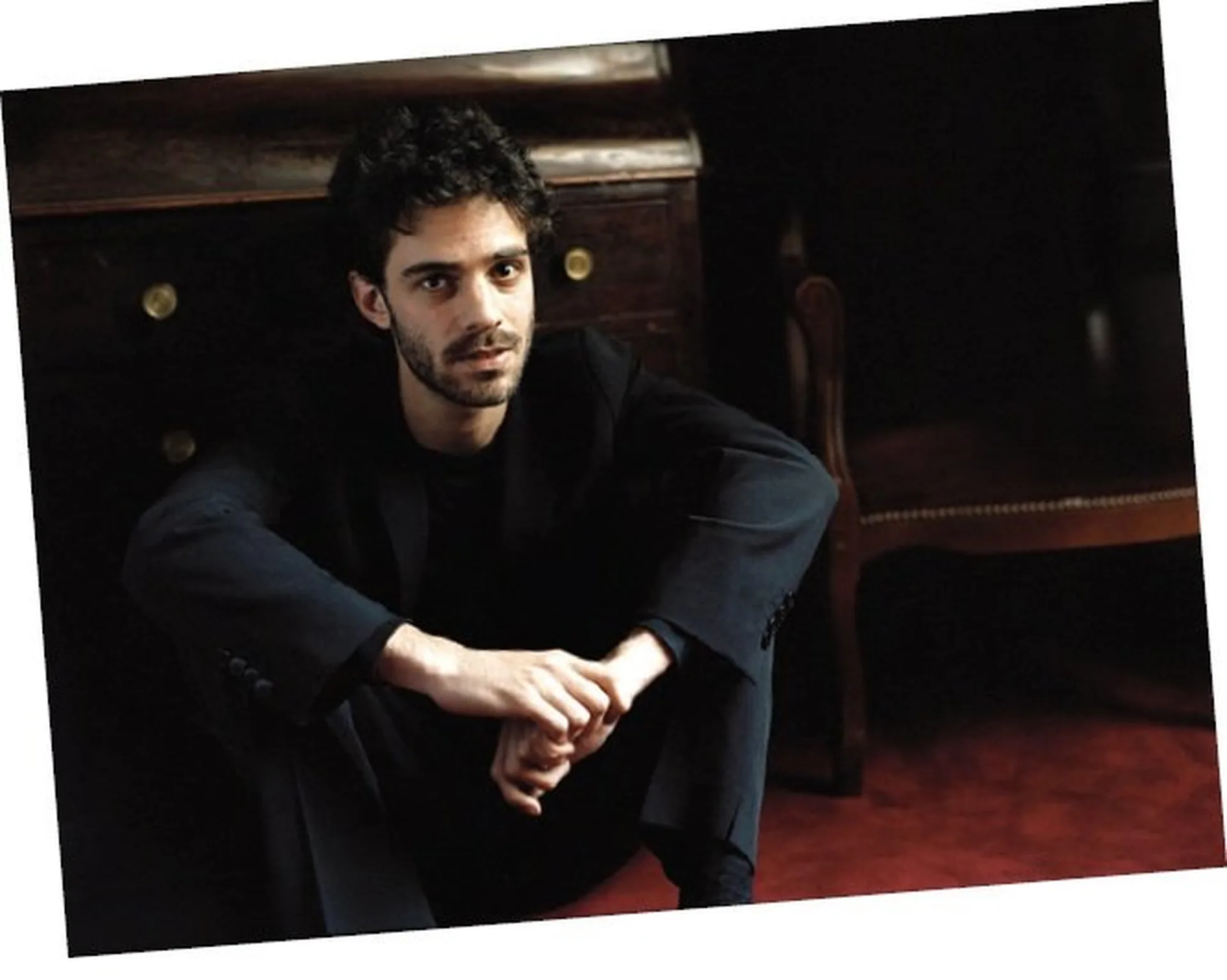
Adam Laloum
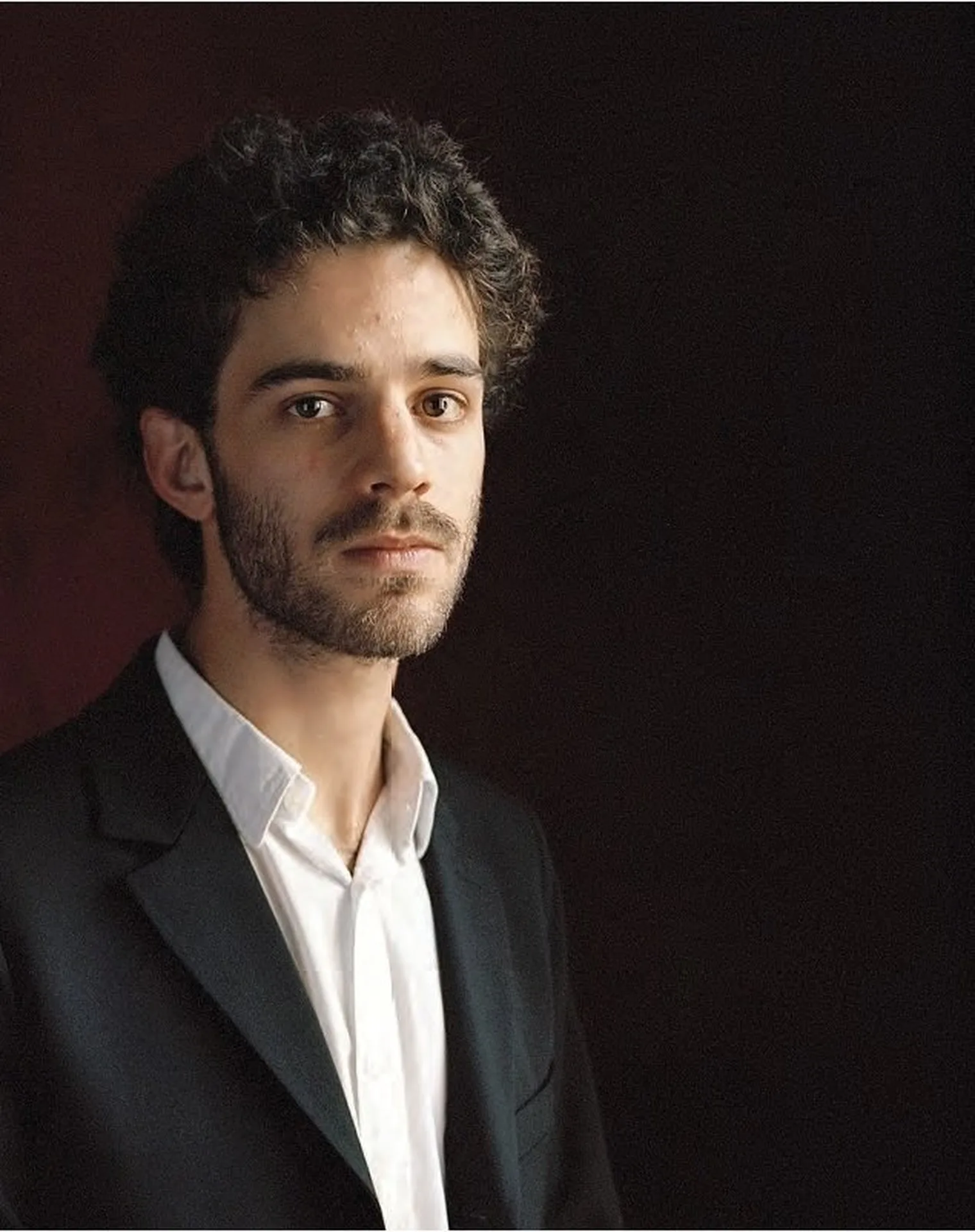
A winner of the „Clara Haskil” competition in 2009, pianist Adam Laloum is another somehow unusual character among today’s young musicians. He was born in Toulouse in 1987 and has started taking piano lessons when he was 10. He joined the Conservatory of his birth city and in 2002 he became a student at the Conservatory in Paris; he continued to improve his skills together with Jean-Claude Pennetier and since 2011, he works in Hamburg with Evgeni Koroliov (also a winner of the „Clara Haskil” competition in 1977), one of the most important pianists of these last few years. A winner of the “Clara Haskill” competitions does not resemble any other competition winner, because the emphasis is always placed on the sensibility and the depth of performance, and not on the virtuosity. In the case of Adam Laloum, you never have the impression that he is a virtuoso; he never wants to prove that velocity might have its own deepness; for him everything seems pure sensibility and his connection to music is rather intuitive and it absolutely requires an ability to empathize with the composer whose plays he performs.
He timidly walks on the scene; his surprise-like look of seeing people in the concert hall becomes, once he takes seat at the piano, an inner attitude that reveals a world known only by him. He has recorded four CDs; his first album, in the memory of Bhrams, was followed by an extraordinary CD containing two important works of R. Schumann: Sonata number 1 and Humoresca, la pièce de résistance, where he reveals the great composer`s tribulations, torment and poetry.
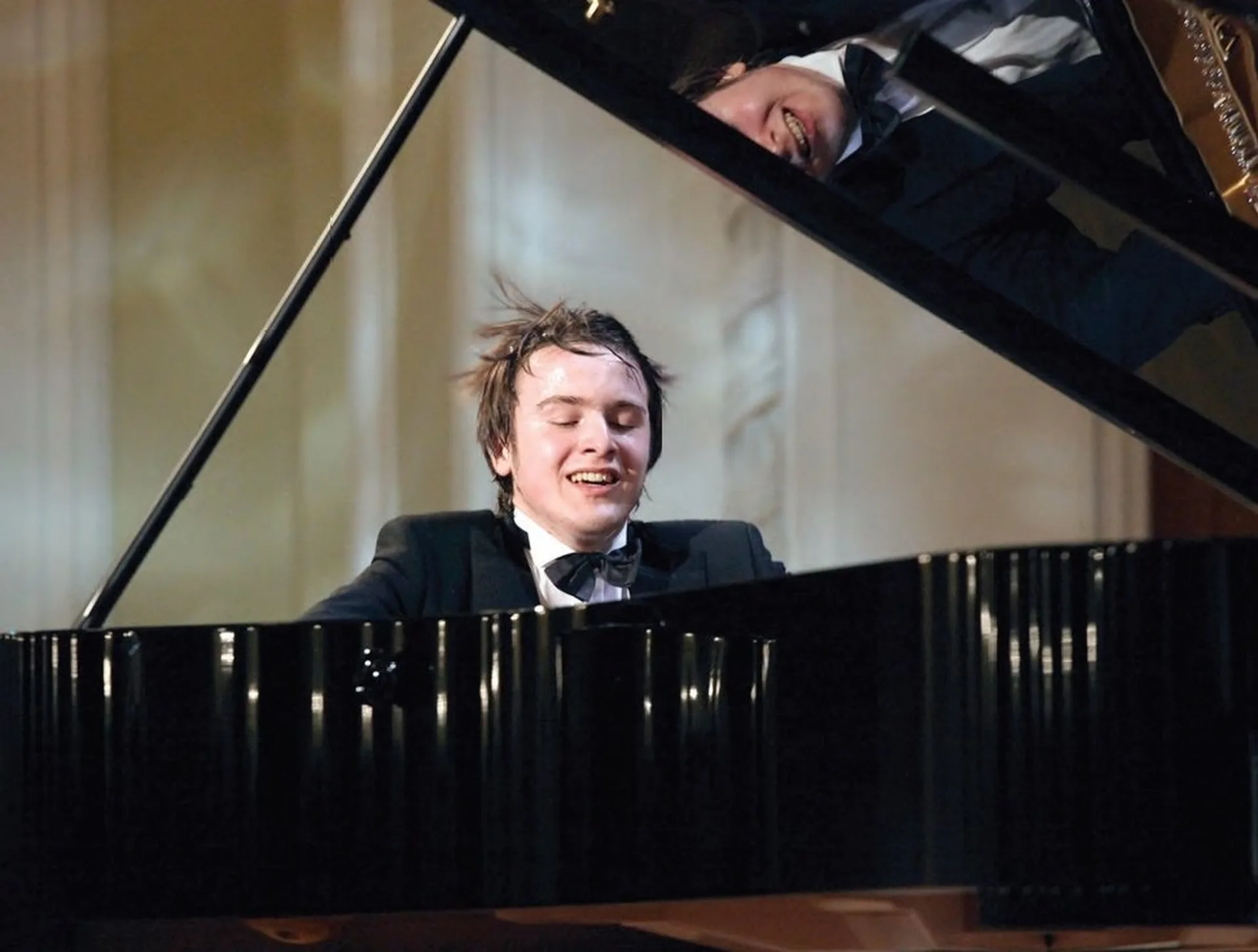
Daniil Trifonov
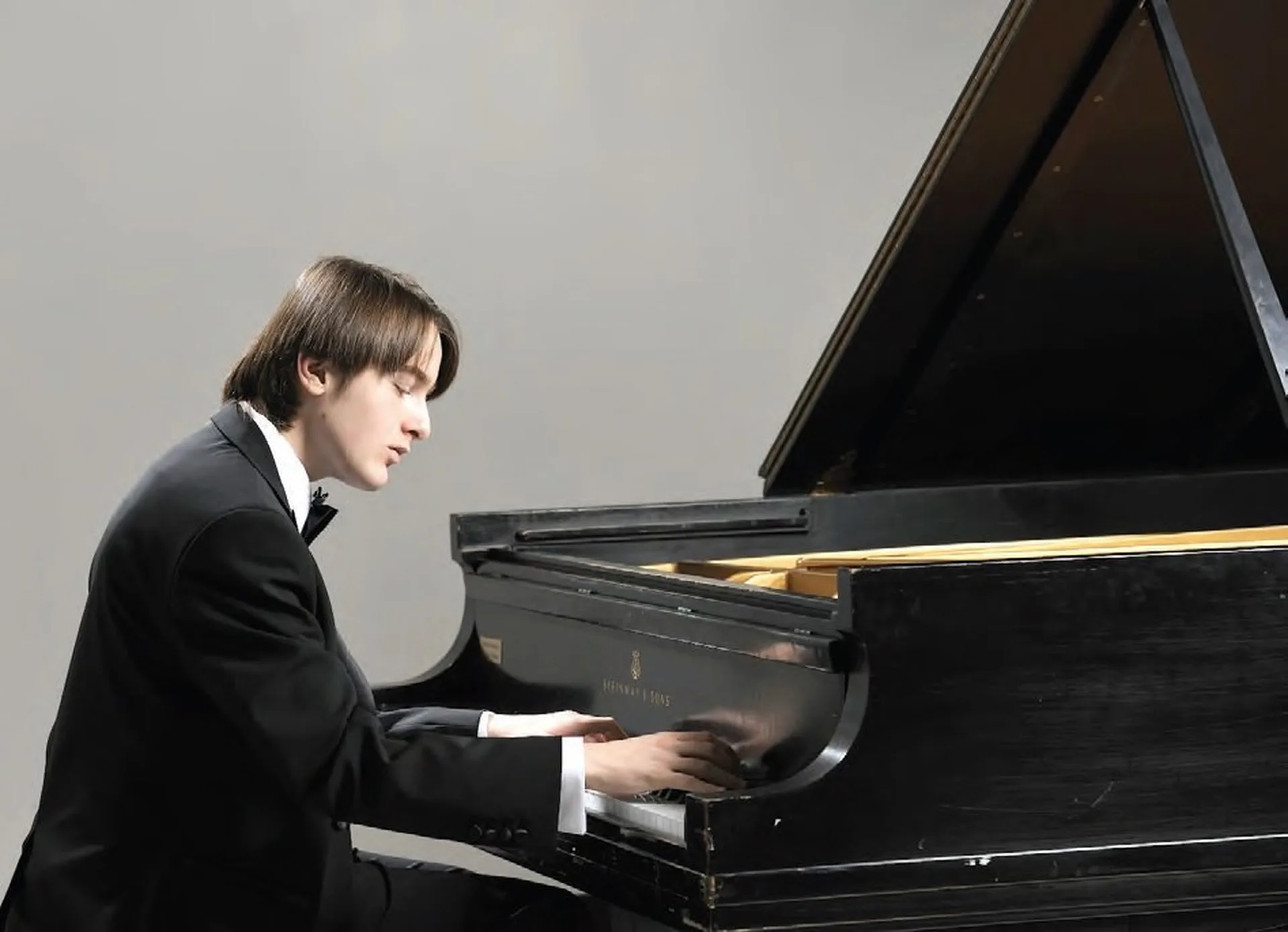
In 2011, after winning the „Arthur Rubinstein” contest and the „Ceaikovski” competition, Daniil Trifonov has quickly become one of the stars of classical music and was asked to play at the most important festivals together with the greatest conductors. He was born in Russia, has started studying the piano at the age of 3 and at 9 years old he got into the Gnesin Institute, the most famous music school in Russia. In 2009, he left for the United States of America for a masters and at the same time he won the third prize at the “Chopin” competition. He has recorded five CDs, a Chopin recital for DECA and in 2013 he has signed an exclusivity contract with the Deutsche Grammophon. This is where he released his debut recital at Carnegie Hall, containing Liszt`s Sonata, Chopin`s Preludes, Scriabin`s Sonata nr. 2 and a Medtner miniature. The reviews are full of superlatives, some call him the perfect pianist because of his virtuosity and sensibility; Martha Argerich listens to his recordings on Youtube and said she has never listened to anything like this before; she also says that the young pianist has, besides his perfect technique and a personal touch, something delicate and evil-like in his performance.