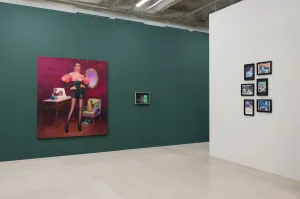
1 First, figure out what kind of art you
like.
The better education you have, the better collection you’ll have. The art world can be really overwhelming. We suggest you go to museums and art galleries and talk to dealers and artists to familiarize yourself with various periods, mediums, and style. The important thing to do is really get a sense of your taste and what you like. And the best way to do that is to go see a lot of art. Very often you evolve from what you originally thought you liked— sometimes it’s before you buy your first piece, because you did a little research. But unfortunately sometimes it’s after you buy your first piece; this could be because your taste becomes more sophisticated or you find that you like abstract or conceptual work better, which is tougher to chose when you are buying for the first time. The internet can be a great resource for figuring out what kind of art suits you best, figuring out what your taste is, and discovering artists you didn’t know exist. Websites like Artsy, Artnet and Artinfo can provide helpful information.
2 Try to see every piece you're considering in person.
Once you've narrowed down the list, make an effort to see every piece you're thinking of buying. They might look different up close and personal than they do on a computer monitor. Talk to dealers and gallerists to find out about the reputation of the artist you like.
Has he won any awards? Has her work appeared in any major shows? Are there any periods for which he's particularly well known?
Be aware that gallerists are usually trying to sell you something.
3 Determine what You’re buying.
Are you buying something that you love and want purely because you think it’s great? Or are you buying something that you love but you secretly want to be an investment?
There are different types of purchases in the art world. If you’re buying it because you love it, it’s much easier. All you have to do is figure out if you can afford it, and if the price is something that you think is worth the passion you have for it. If you’re buying with an eye toward investment and you want it to actually have long-term value in the future, it’s a little bit more tricky. It’s very important for a first-time collector to know that there are various factors that affect the price of the work, for example, a work on canvas is generally more valuable than a work on paper by the same artist; or if it’s an edition versus a one-of-a-kind piece.
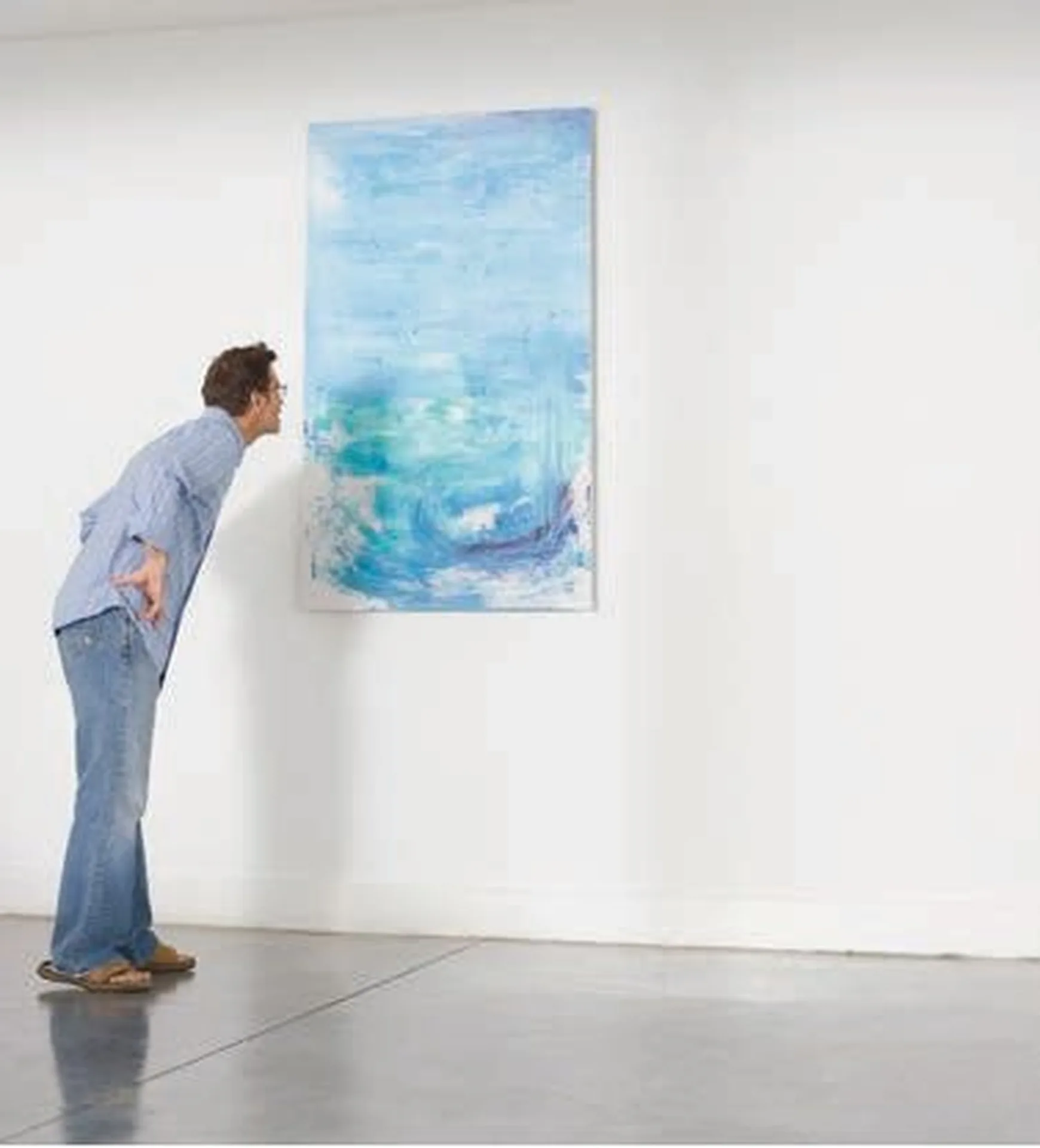
4 Set a budget and be prepared to go over it.
The things that you might regret in purchasing are not any works that you purchased, but the works that you didn’t purchase. Talk to an appraiser or experienced collector about the price you're paying. It's hard to establish comparable value in art, so ask the opinion of a professional appraiser or experienced art collector to make sure you don't overpay. But if you really love a piece of art, trust your instincts and go for it. Life is short and you want to be inspired.

5 If you're buying at auction, do a dry run.
Attend some auctions beforehand, so when you do decide to make a bid, you feel comfortable doing so because it's easy to get caught up in the excitement of the auction room and overspend. For first-time buyers, auction houses can be a great way to acquire a work of art. While the big-name auction houses may be out of your price range, there are plenty of smaller, regional auction houses where high-quality works are available at lower price points.
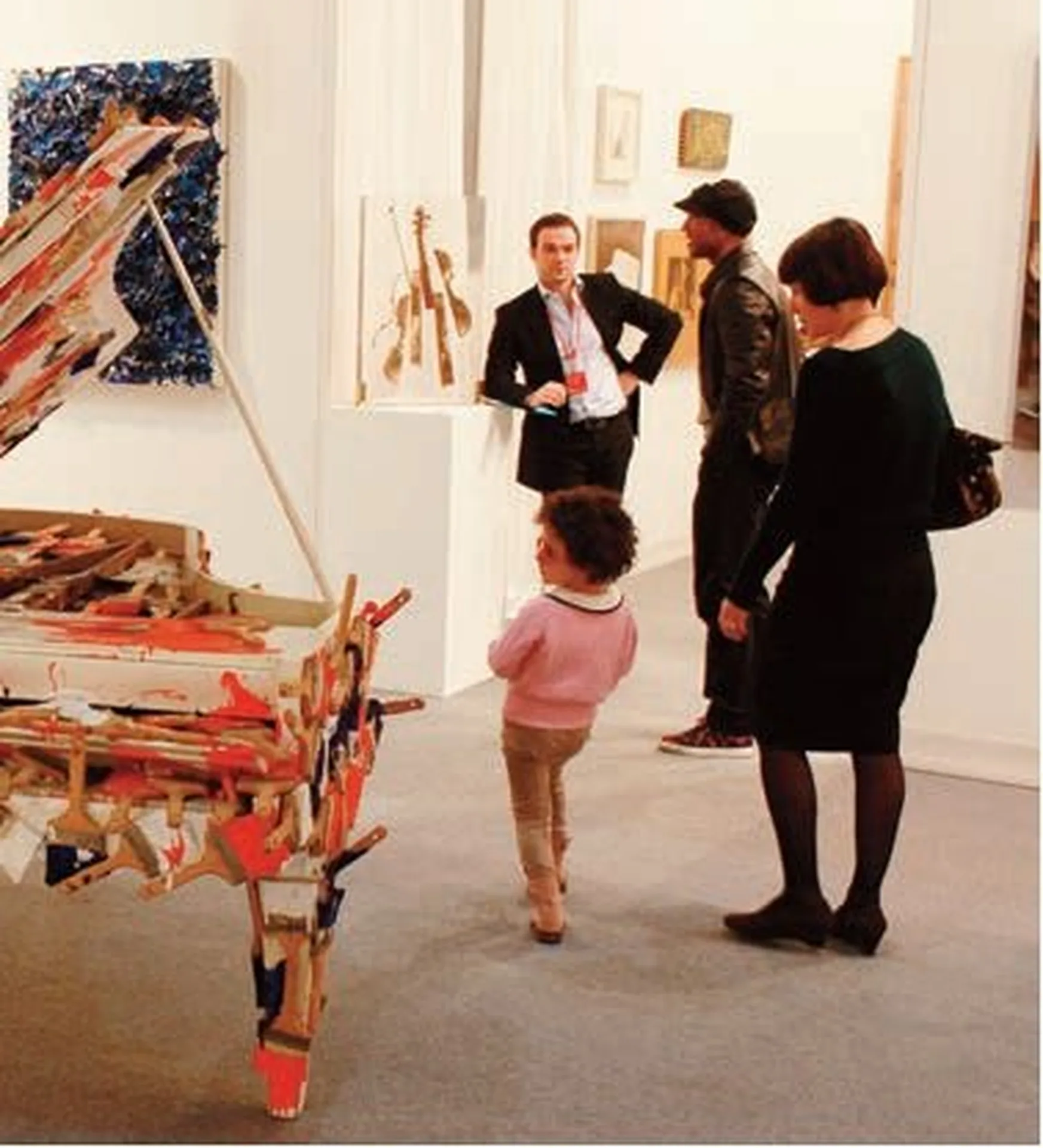
6 If you're buying at a gallery, ask for a discount.
It might sound strange, but it's always worth to ask for a discount--your request will likely pay off. The sticker price is not what it seems. Galleries sometimes discount a piece when they hope to develop a relationship with a first-time buyer, or to reward a loyal customer who has purchased numerous works from them.
7 Beware of hidden costs.
The art's not the only thing for which you'll have to shell out. A few additional costs to consider: • Insurance: certain pieces will not fit under a standard policy, and may need to be insured separately. You may also need to pay for an appraisal. • Shipping and framing: both can add up. • Buyer's premium: If you're buying at auction, buyer's premiums can quickly add up. At Sotheby's the standard premium on any purchase below $50,000 is 25 percent.
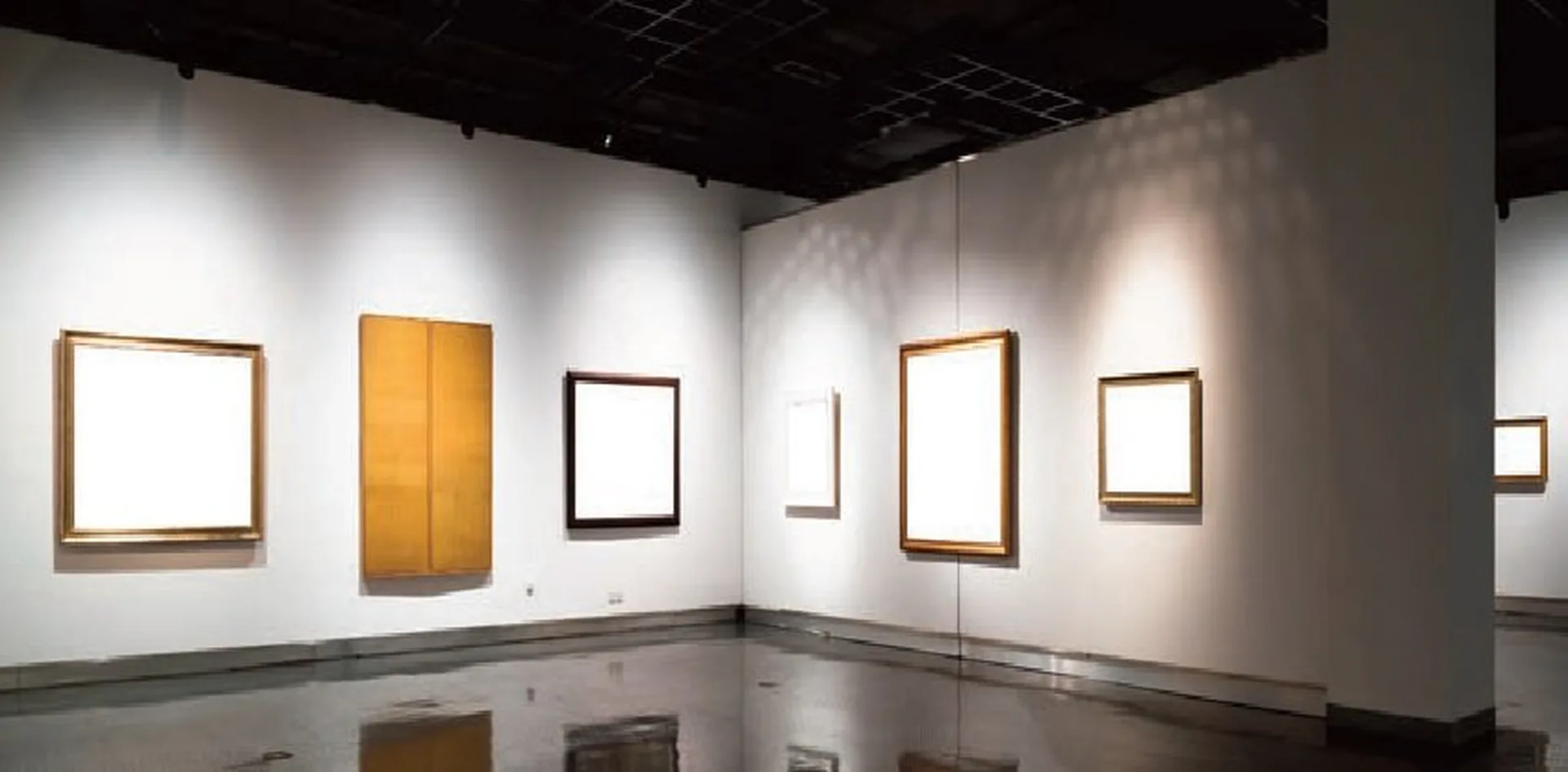
8 Make some space on your wall.
Art tips what could be worse than arriving home with your new painting and realising you have nowhere to hang it on your wal?
You wil need to make sure that the picture is properly fixed on the wal and that it is wel lit and visible so that it can become the topic of the conversation. Some works of art need special care. For example, some of them might be light-sensitive. Take notice of these requirements before buying.
9 Track your purchase.
There should be a clear, traceable path from artist to owner, and it should be documented: save emails, invoices, and receipts. If you eventually want to valuate or sell a work, it’s important to have this documentation. Once you've bought the piece, don't throw anything away. A lot of first-time collectors toss out receipts and documentation, and it can be a huge mistake if you plan to resell it at some point. There should be a clear, traceable path from artist to owner, and it should be documented. File away all documents connected to a work of art.
10 Know the factors that can affect the price of a work of art.
They include: • Primary vs. secondary market: Pieces bought on the primary market (ie. you're the first owner) tend to be less expensive than those bought on the secondary market (ie. previously owned works being sold privately, through gallery or at auction).
• Rarity: Is the piece one-of-a-kind, or one of 100?
• Medium: A work on canvas is more valuable than one on paper. • Period: For certain artists, one period within his career can be far more valuable than another. • Gallery: High-end galleries will generally charge higher prices for artists than less-established galleries, so be aware of the reputation of the gallery you are buying from.