by Karina Gospei, photo archive
The Luxury of a Life Steeped in Intrigue
At the heart of Chatsworth’s remarkable history stands Bess of Hardwick - Elizabeth Talbot, Countess of Shrewsbury - a woman of humble beginnings who rose to become one of the most influential figures of Elizabethan age. Born in Derbyshire, Bess married four times. In 1549, together with her second husband, Sir William Cavendish, she acquired the Chatsworth estate for £600. Three years later, in 1552, the couple embarked on the construction of the family’s first Tudor residence. Their marriage gave rise to the Cavendish dynasty, whose association with the estate has endured to this day.
Following Sir William Cavendish’s passing in 1557, Bess married Sir William St Loe, who died in 1565. Her fourth and final marriage, in 1567, was to George Talbot, 6th Earl of Shrewsbury, through whom she acquired the title by which history remembers her: Countess of Shrewsbury. From this point onwards, her life became increasingly entangled in the intrigues of the royal court, as well as in the ambitious architectural vision that would define her legacy.
During her marriage to the Earl of Shrewsbury, Chatsworth became one of the residences where Mary, Queen of Scots, was held in captivity by order of Elizabeth I. It was here that Bess and the imprisoned queen worked together on intricate embroideries and tapestries (ed. note: the famous Oxburgh Hangings). Their shared needlework offered the illusion of a peaceful domestic scene. For the Shrewsbury household, however, the queen’s presence brought considerable financial and political pressure, as the family was responsible for both her security and her upkeep.
The arrangement proved even more complicated when Bess began to suspect that her husband had grown excessively close to the captive Queen of Scots. What followed was a bitter marital conflict, so serious that Elizabeth I herself intervened in an attempt to reconcile the couple. Her efforts proved unsuccessful. By 1584, Bess and the Earl had permanently separated.
Bess died in 1608, leaving behind far more than an impressive collection of residences, possessions and artistic treasures. A meticulous organiser of her estate, she had carefully inventoried the contents of her properties and arranged, through her will, for Chatsworth to pass to her Cavendish descendants. Thus, the story of Chatsworth begins with a remarkable woman who transformed wealth, ambition and an extraordinary sense of vision into a lasting aristocratic legacy.
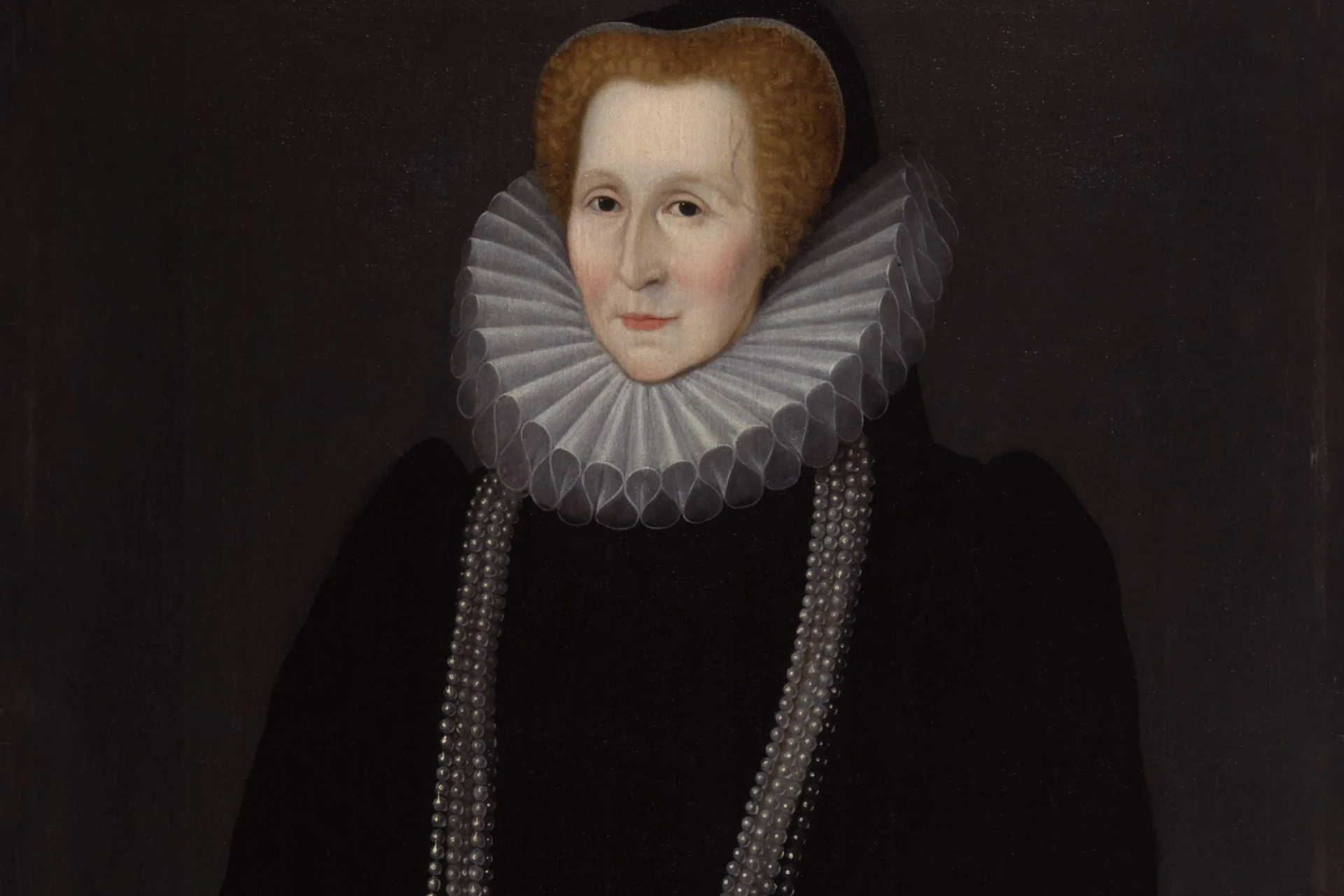
Portrait of Elizabeth Talbot, Countess of ShrewsburyScandalous Family Secrets, Hidden Mysteries and Ghostly TalesThe intrigues and scandals surrounding Chatsworth did not end with the death of Bess of Hardwick. In 1688, the first Duke of Devonshire to make Chatsworth his home became one of seven noblemen involved in a clandestine conspiracy against the Crown. He secretly signed the invitation to William of Orange, urging him to invade England and overthrow James II. It was a discreet act of political defiance with far-reaching historical consequences.
In the 18th century, the 5th Duke of Devonshire, his wife Georgiana and her closest friend, Lady Elizabeth Foster, lived for almost 25 years in an unconventional arrangement, a true ménage à trois under the same roof. Incidentally, Georgiana, Duchess of Devonshire, née Spencer, was the great-great-aunt of Princess Diana. Moreover, while the Duke shared his life with Lady Elizabeth, Georgiana embarked on an affair with the future Prime Minister, Charles Grey, and secretly gave birth to a daughter, Eliza. Forced by her husband to relinquish the child, she was sent to the Continent for a time.
Even in the 20th century, Chatsworth was not untouched by controversy. This time, the story revolved around the Mitford sisters. When Deborah Mitford became Duchess of Devonshire, a new and scandalous chapter began at Chatsworth House: her sister Unity was a fervent admirer of Adolf Hitler, while another sister, Jessica, became a committed communist activist. Beyond the scandals that marked successive generations of Chatsworth’s heirs, the estate retained its splendour: a magnificent residence surrounded by architectural and artistic treasures.
Chatsworth conceals even more enigmatic stories: a secret door inside the library, hidden passages and staircases from the visitors, as well as the legend of Edensor - a village relocated by the 4th Duke of Devonshire, William Cavendish, so as not to spoil the estate’s views and to ensure that only the natural landscape could be seen from the windows of the house. In 2018, it is said that drought conditions revealed the outlines of the old streets and houses of the former village of Edensor. Local folklore also tells tales of apparitions of Mary, Queen of Scots, Bess of Hardwick and a mysterious ‘Lady in White’.
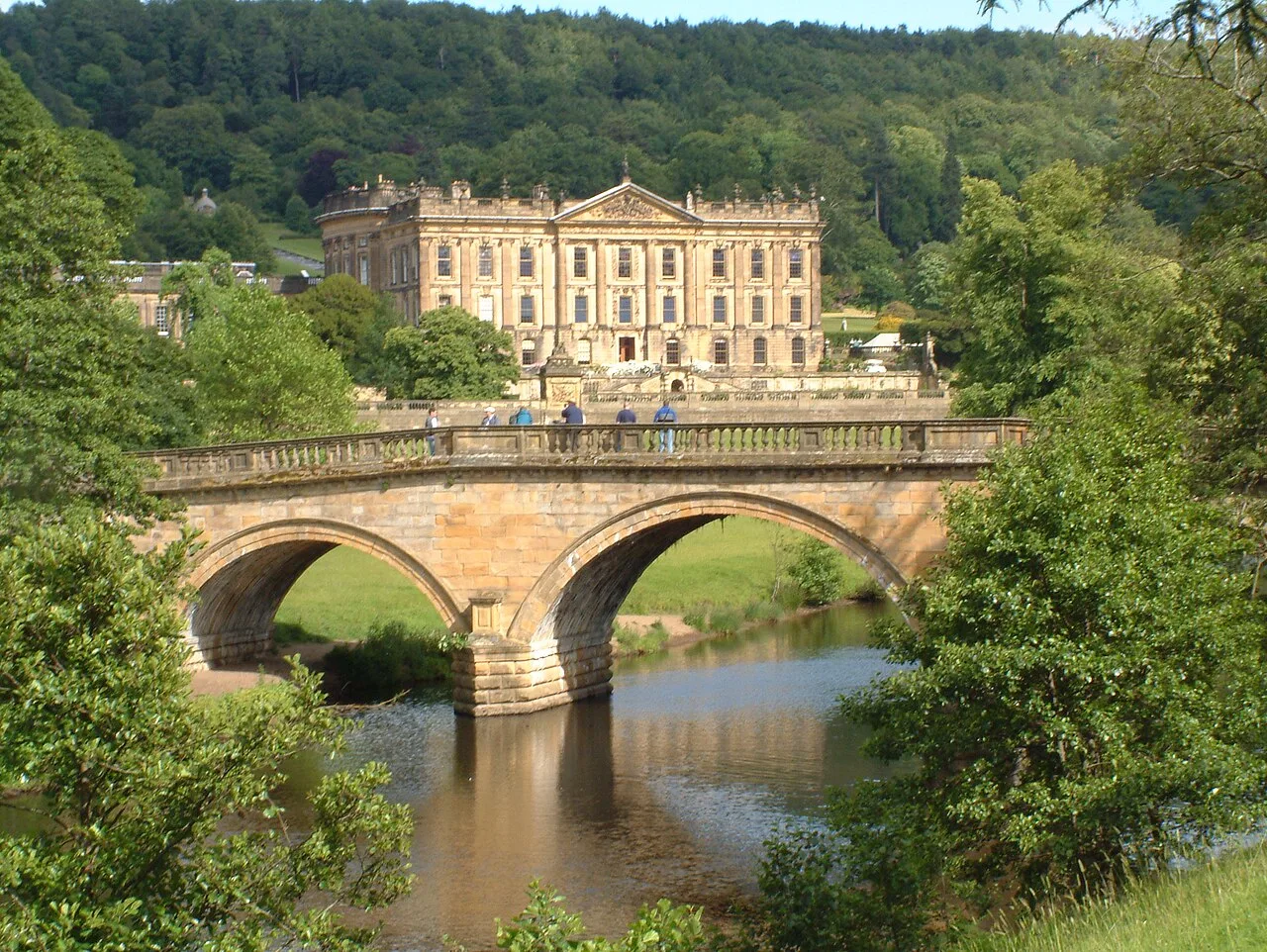
Chatsworth House: A Home Devoted to Art
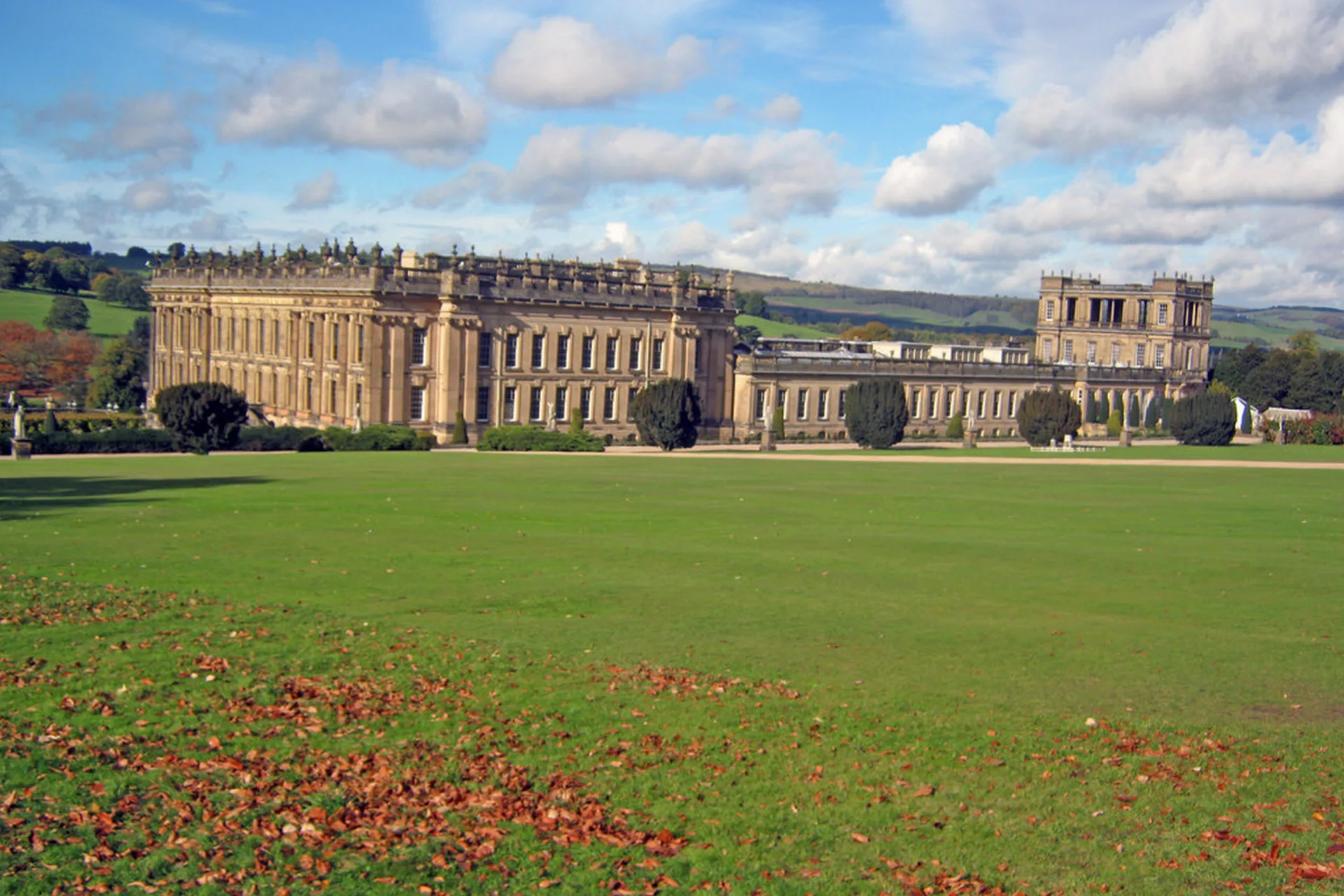
The Chatsworth House we admire today is the enduring expression of generations of artistic vision, ambition and patronage. Largely rebuilt from 1686 onwards under the direction of the 1st Duke of Devonshire, the house, its gardens and interiors have been transformed and refined over the centuries. Its evolution was never the result of a single grand gesture, but rather the accumulation of individual visions, with each generation of the Cavendish family adding a distinctive chapter to the story of the estate.
This legacy is most eloquently expressed through the Devonshire Collections, an extraordinary assemblage of art, books and family archives. Instead of reflecting a single artistic taste or historical period, the collections reveal the passions and discerning eye of successive generations. Ancient and contemporary sculpture, exquisite decorative objects and works with remarkable personal histories sit alongside one another, ranging from an ancient Egyptian statue of the goddess Sekhmet to Neoclassical masterpieces and contemporary art.
This extraordinary diversity is, perhaps, what makes Chatsworth so distinctive. It offers far more than an opulent setting. It is a living dialogue between art, history and the lives of those who have called it home. Within its rooms, the ambition of Bess of Hardwick, the captivity of Mary, Queen of Scots, and the 6th Duke of Devonshire’s passion for the sculptor Antonio Canova converge in a remarkable cultural narrative. Amid its gardens, galleries and historic interiors, luxury takes on a deeper meaning - one defined not merely by splendour, but by a legacy carefully assembled, layer upon layer, over the course of centuries.
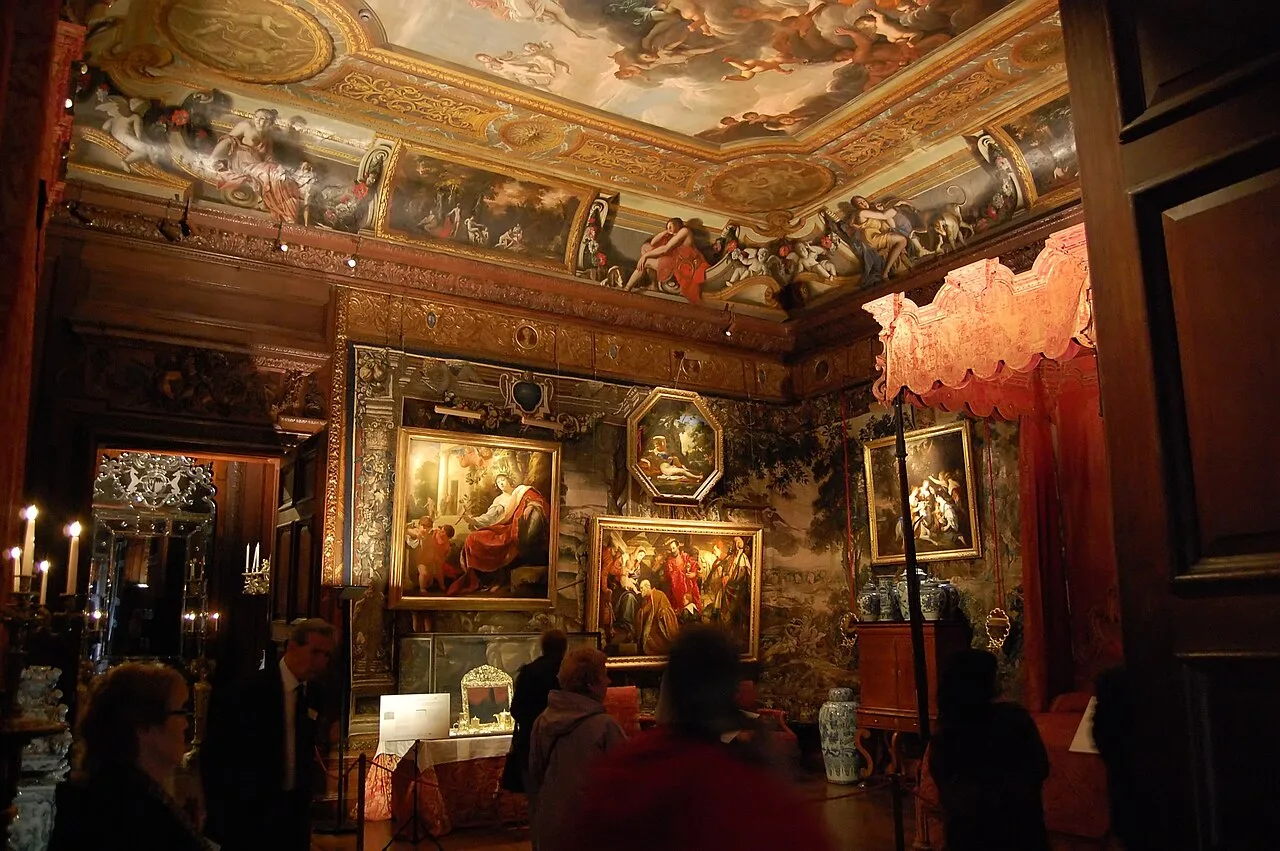
The art collection at Chatsworth brings together drawings and paintings by some of the greatest masters in European art, from Leonardo da Vinci, Raphael and Rembrandt to Canaletto and Gainsborough. These are complemented by Neoclassical sculptures by Canova and Monti, as well as remarkable ancient Egyptian and Roman artefacts. Among its more intriguing treasures are modern works, including portraits by Lucian Freud (ed. note: figurative painter and grandson of the famous psychoanalyst Sigmund Freud) and a ceramic installation inspired by the family’s DNA. Equally remarkable are the Devonshire Parure, an exquisite jewellery ensemble dating from 1856, and historic embroideries associated with Bess of Hardwick and Mary, Queen of Scots.
Yet perhaps the most captivating space of all is the Sculpture Gallery. Created between 1818 and 1834, it embodies the refined artistic sensibility of the 6th Duke of Devonshire, William Spencer Cavendish, famously known as the Bachelor Duke. An eccentric and cultivated aristocrat who never married, he developed a particular passion for contemporary European art, favouring it over classical antiquities and developing an especially close affinity with the work of Antonio Canova.
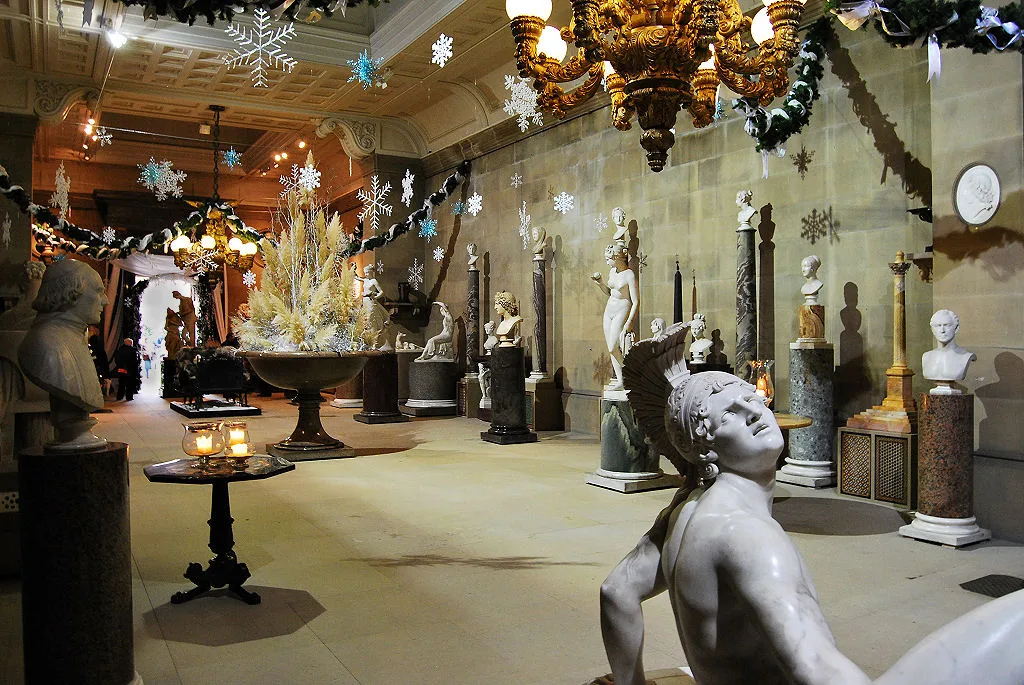
Sculpture Gallery
Among the six works by Canova at Chatsworth are Endymion, a masterpiece in exquisitely polished marble, and the monumental bust of Napoleon. Displayed discreetly in a glass case, the sculptor’s own tools offer an intimate connection to the creative process - a poignant reminder of the craftsmanship through which an unyielding block of stone was transformed into a work of extraordinary beauty.
The modern-day appearance of the Chatsworth estate owes much to the vision of the 6th Duke of Devonshire, who, working alongside his head gardener, Joseph Paxton, undertook an ambitious transformation of its gardens. Their collaboration gave rise to some of Chatsworth’s most spectacular features, including the celebrated Emperor Fountain and the magnificent Great Conservatory. The scale and expense of these ambitious projects eventually compelled the Duke to sell some of the family’s properties. Yet his legacy remains unmistakable, having shaped the estate’s distinctive appearance and established Chatsworth as one of the defining expressions of 19th-century art, architecture and cultivated taste.
Chatsworth remains the ancestral home of the Cavendish family, today represented by Peregrine Cavendish, the 12th Duke of Devonshire, and his wife, Amanda, Duchess of Devonshire. The house, gardens, parkland and collections are now cared for by the Chatsworth House Trust, an independent charitable foundation established in 1981. Its mission is to preserve this extraordinary heritage and share it with visitors from around the world, allowing future generations to experience and appreciate one of England’s most remarkable historic estates.