by Karina Gospei, photo archive
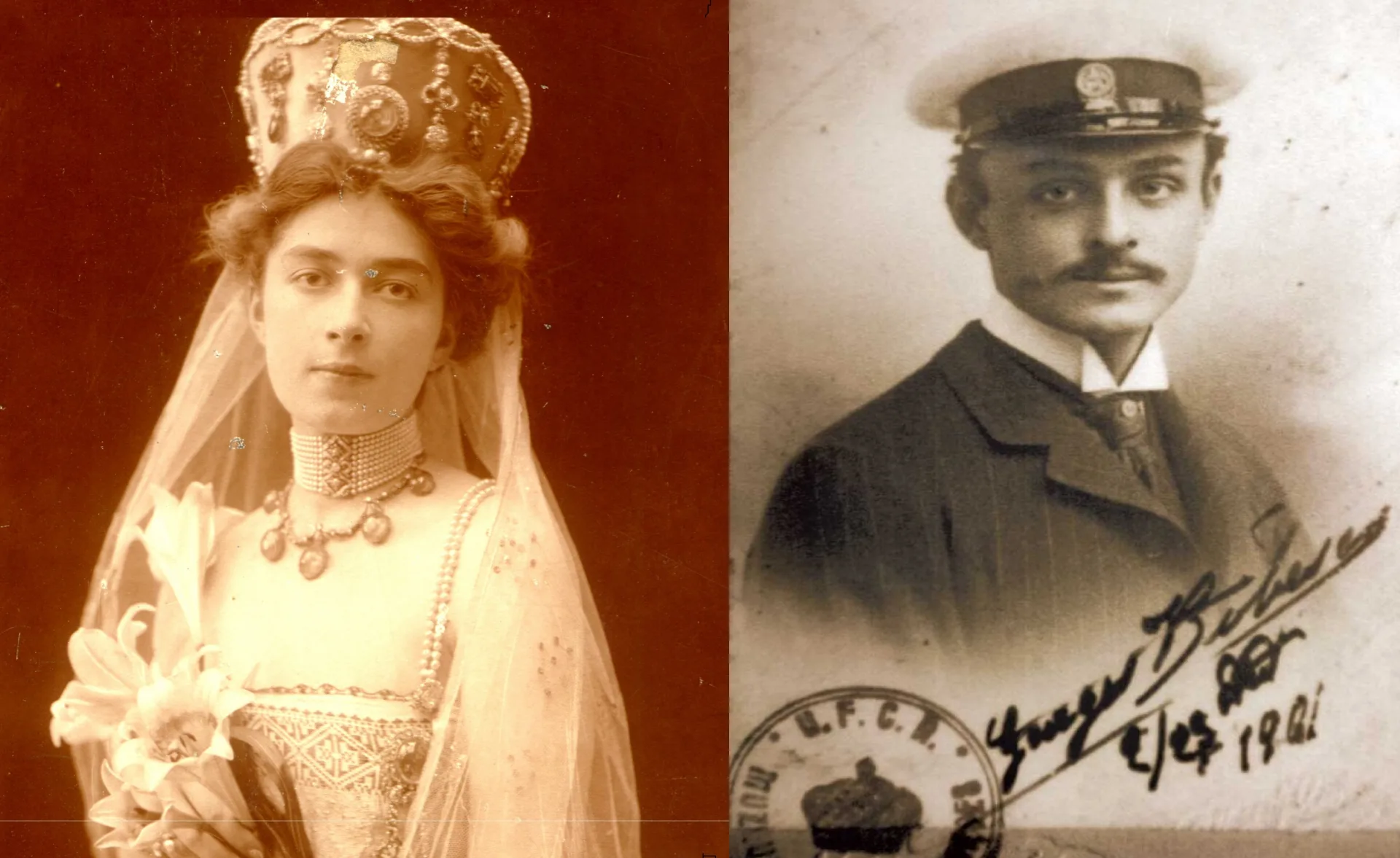
In a photograph from the early 20th century, Martha Bibescu appears to have already discovered the power of a public presence. Her piercing gaze, impeccable elegance and natural ease with which she commands the frame reveal a woman who did not want to be merely an ornament in a refined world. As a result, she turned the experience of that world into inspiration and literature.
Born Marta Lucia Lahovary in Bucharest in 1886, into an aristocratic family, Martha grew up between Romania and France, between the conventions of a private education and the horizons of a Europe where travel, literature and conversation opened paths to new social circles. She learned French at an early age and, in time, became a writer who felt equally at home in both Romanian and French. However, before literature brought her recognition, her marriage to Prince George Valentin Bibescu introduced her to an influential dynasty, with prestige, wealth and ambitions of its own.
The circumstances surrounding Martha's meeting with Prince George Valentin Bibescu are unknown. It is known, however, that at her society debut in 1900, Martha Lahovary first met Crown Prince Ferdinand. Biographies even mention a secret engagement between the two, before she married Prince George Valentin Bibescu in 1902, at just 16 years old, while he was 22. George Valentin Bibescu came from an influential family and was fascinated by automobiles, aviation and the new technologies available at the beginning of the 20th century. For her, marriage meant entering a world of prestige and conventions - a world in which the title of princess opened doors, but could not guarantee her either freedom or happiness. A year later, the couple's only child, Valentina, was born.
The Prince of Speed and the Mistress of the Pen
George Valentin Bibescu built a reputation of his own, beyond that of Martha Bibescu's husband and a prince by birth. Fascinated by the new technologies of the age, he was drawn both to the automobile - a rarity at the time - and to the aeroplane, an invention with a promising future. He turned both into passions and adventures.
In 1901 he was among the founders of the Romanian Automobile Club, and in 1905 he set off by car on a journey to Persia. Bibescu also distinguished himself as a pioneer of Romanian aviation and an active participant in international aeronautical organisations. His prestige rested not only on his family name but also on his willingness to explore territories that were still uncharted.
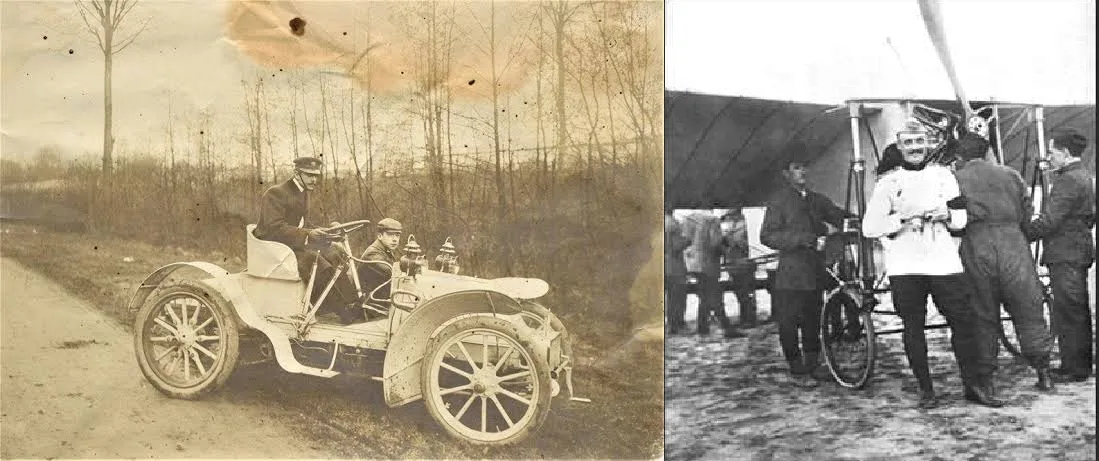
On the other hand, Martha was much more than a mere travelling companion on George Bibescu's adventures in the world of vehicles, speed and long distances. The journey to Persia revealed new landscapes to her and gave her the opportunity to reflect on how encounters with other places change our perspective. This experience gave rise to Les Huit Paradis (The Eight Paradises), published in French in 1908 and marking the beginning of a rich literary career that would include novels, memoirs and writings with autobiographical elements.
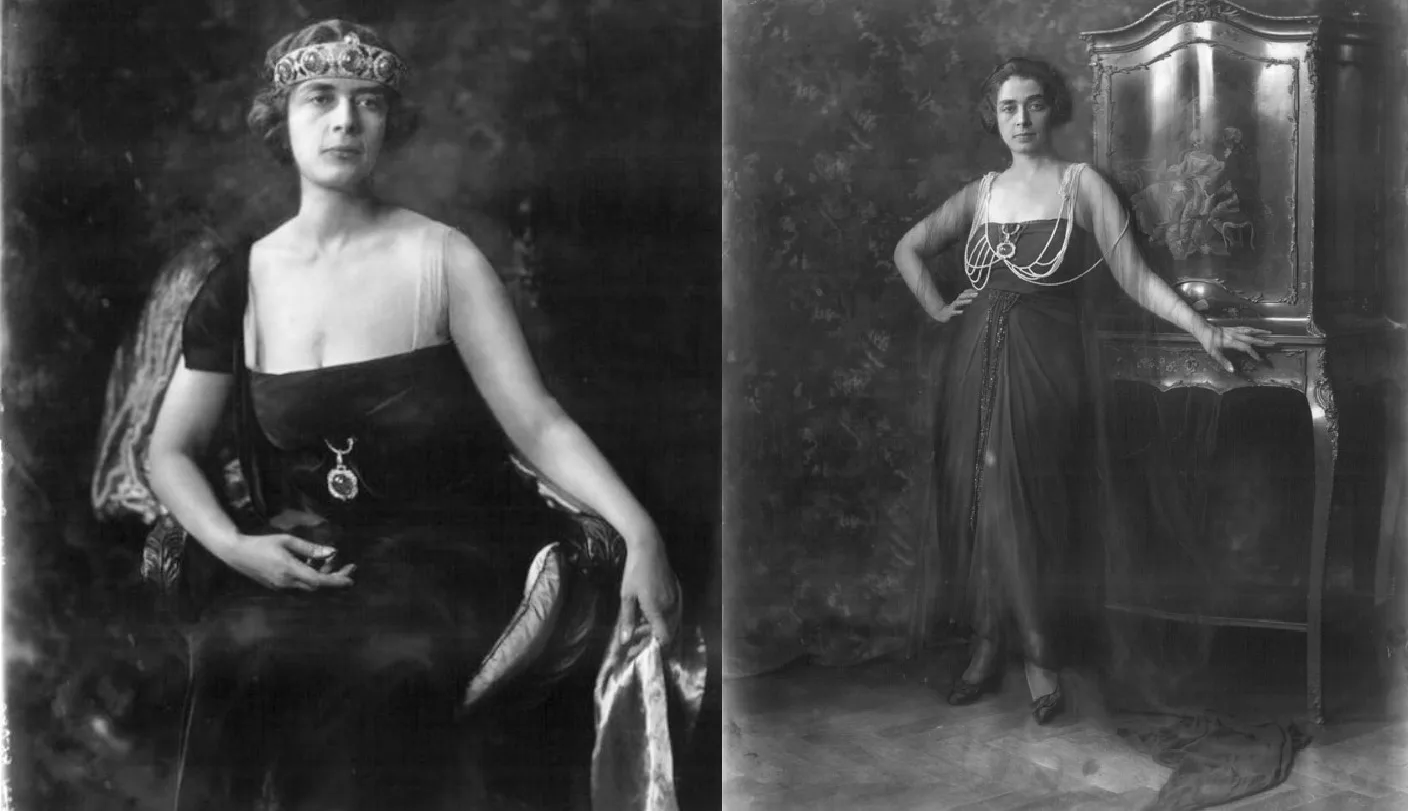
Beyond the mere act of marriage, perhaps the point at which the lives of the two - Martha and George - came closest was precisely their shared passion for travel. George was drawn to roads, records and new horizons, while Martha found in these experiences an opportunity for observation and reflection. He covered the distances; she transformed them into literature. Together, they represented two distinct temperaments: one driven by action and adventure, the other by curiosity, memory and expression.
Beyond the Family Crest: Two Lives Growing Ever Further Apart
Behind the prestige of the Bibescu name, the couple's life together was far from free of trials. Biographies describe a troubled marriage, and over time, their paths drifted apart. George pursued his passions and projects, drawn to motoring, aviation and the world these opened up to him. Martha, in turn, gradually built a path of her own: she travelled, wrote and earned a place in European cultural life, beyond her identity as the ‘prince's wife’.
The two remained united through their daughter, Valentina, and through a shared social and family environment, but their relationship was not without periods of estrangement and tensions. For Martha, establishing herself as a writer also meant breaking away from the role society had reserved for a woman of her rank. Thus, their story is not merely that of an aristocratic couple, but also of two personalities who, although they shared the same name and the same era, followed their own paths. And there was something else! Accounts of their marriage point to a less visible reason behind the family's prestige: George is said to have had extramarital affairs that he made no attempt to conceal. Without ever divorcing, the two gradually grew apart and came to lead increasingly separate lives.
Success did not come by chance. Martha knew how to observe people and settings, but also how to find a story within them. In her pages, travel was not merely a succession of exotic places, but also a test of the imagination. Literary Paris welcomed her with interest, and the Romanian princess established herself as an author in a world where her title could attract attention, but only her talent could keep her there.
In the world of salons, her elegance was a form of presence, not an end in itself. Martha frequented literary and aristocratic circles and cultivated relationships with prominent figures of the time. However, her story cannot be reduced to a list of famous names. More significant was her ability to navigate between worlds: between Bucharest and Paris, between aristocracy and literature, between the Romanian and French languages. She carried Romania with her not merely as a title of origin, but as a living memory, transformed into observation and writing.
Mogoșoaia, a Home and an Idea, a Contrast
In 1912, George Valentin Bibescu gifted Martha the Mogoșoaia Palace, a place with particular significance in the family's history and in the Brâncoveanu heritage. The gift marked the beginning of a deep connection between the writer and the palace. More than an elegant residence, Mogoșoaia was a place where architecture, memory and the beauty of Romanian tradition came together naturally.
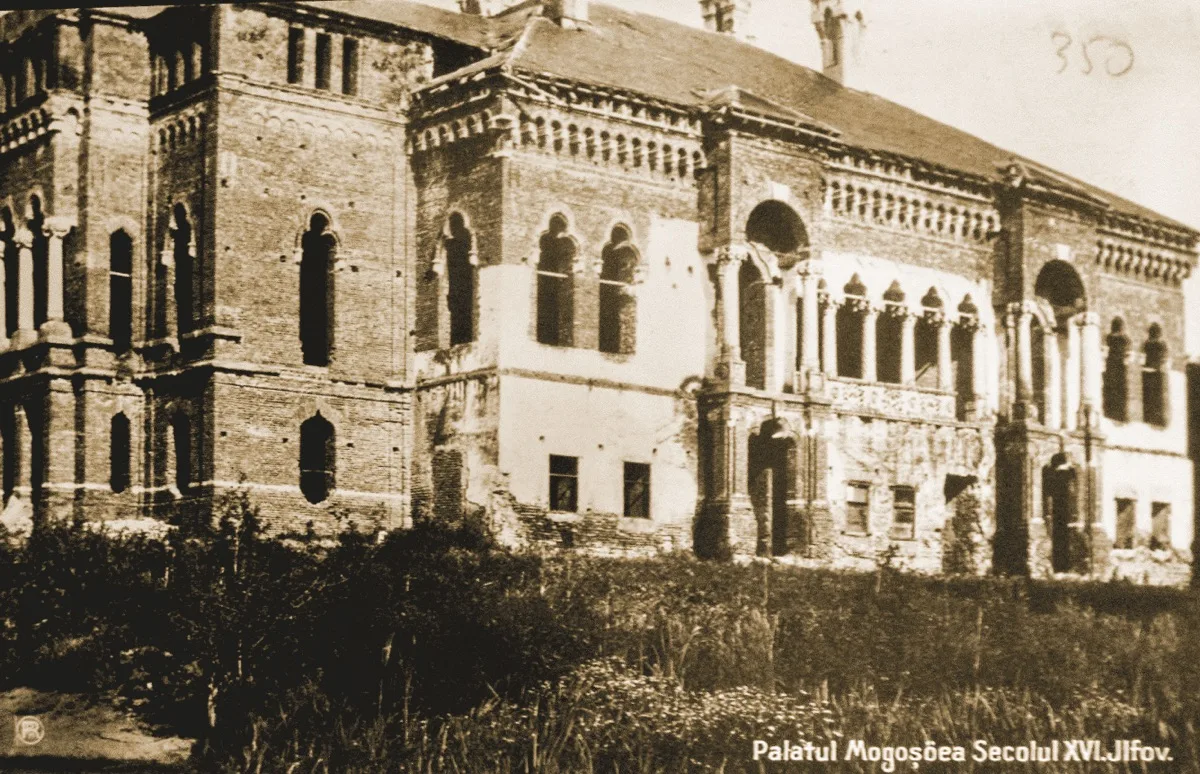
Two worlds met within Martha: the cosmopolitan refinement of a woman familiar with Europe's great capitals and a deep attachment to Romanian places and traditions. In an era marked by automobiles, aeroplanes and political changes, Mogoșoaia offered a point of continuity - a place where stone, architectural harmony and the memory of the past imposed a rhythm of their own. The problem was that it was precisely at this point that the difference in temperament between the two became most apparent. George was drawn to the fast pace of progress, while Martha had the gift of looking at the world patiently and capturing its nuances. It was not a matter of absolute opposition, but of two distinct ways of engaging with the same era: he left his mark on motoring and aviation, while she transformed the time in which she lived into literature and reflection.
Two Legacies, One Remarkable Era
George Valentin Bibescu died in 1941, at the age of 61. Accounts of the cause of his death differ: some mention lung cancer, while others link his death to the consequences of an aviation accident he had suffered ten years earlier. Martha survived George by more than three decades, years during which Europe was profoundly changed by war and political upheavals that affected both her own life and that of her daughter Valentina, who had meanwhile married Prince Dimitrie Ghika-Comănești. After the establishment of the communist regime in Romania, Martha went into exile, leaving behind many of the places and possessions associated with her life. She managed to bring her daughter, son-in-law and grandchildren abroad after they had been forced by the regime to leave their residence at Mogoșoaia. Martha continued her literary activity outside the country, and her fame extended beyond Romania's borders. She died in Paris in 1973.
While Martha Bibescu became a renowned Romanian-French writer, leaving a lasting mark on the cultural heritage through her work and her connection with Mogoșoaia, George Valentin Bibescu left his mark primarily on Romanian motoring and aviation. He was one of the founders of the Romanian Automobile Club and after obtaining his pilot's licence in France, he organised a flying school at Cotroceni. In 1912, he founded the National Air League, and later headed the International Aeronautical Federation, contributing to the recognition of aviation as a field of public and sporting interest.
In retrospect, the story of the Martha and George Bibescu couple goes beyond the chronicle of an aristocratic family: it captures an era in which tradition met technology, and salons met adventure. George embodied the modern spirit of motoring and aviation, while Martha transformed her experiences into a literary body of work and a voice of her own.
The elegance of their legacy lies not only in titles and palaces, but in the distinct ways in which they lived through the same era: he, by exploring new horizons; she, by securing a lasting place in culture through her writing.