by Bogdan Munteanu
Dating from the first millennium A.D., Sweden’s monarchy (elective before 1544 and hereditary afterwards) is one of the world’s oldest. One could hardly understand the history of this nordic realm without following the stories of the eleven Swedish dynasties. The current one, the House of Bernadotte, has been ruling longer than any of the previous ones and led Sweden through an unequalled age of peace (no wars since 1815) and economic prosperity.
As long as today’s Swedish monarchs are strictly ceremonial heads of state – having little in common with the warmongering kings who had turned a scarcely populated country into an empire between 1611 and 1721 – the monarchy shouldn’t matter too much today, should it? Nevertheless, it counts as a vivid national symbol that most Swedes are proud of.
A minority of republicans does exist in Sweden as well, often invoking reasons also heard elsewhere: the institution’s obsolescence in a democratic country (actually, a constitutional monarchy is a newer form of government than the republic) and the alleged burden for the taxpayer (not that presidents elected every 4-5 years are inherently cheaper).
When they run out of arguments, those wishing to stir up anti-monarchic sentiments resort to sarcastically affirming that the Crown Princess Victoria’s personal popularity surpasses that of the monarchy itself. No matter what a nice person Her Highness is, her coronation would be an offence to the egalitarian nature of Swedish society, they claim.
On the other hand, the monarchy’s supporters hold on to the same argument: the more lovable and authentically Swedish Victoria is, the more relevant she would be as a Queen.
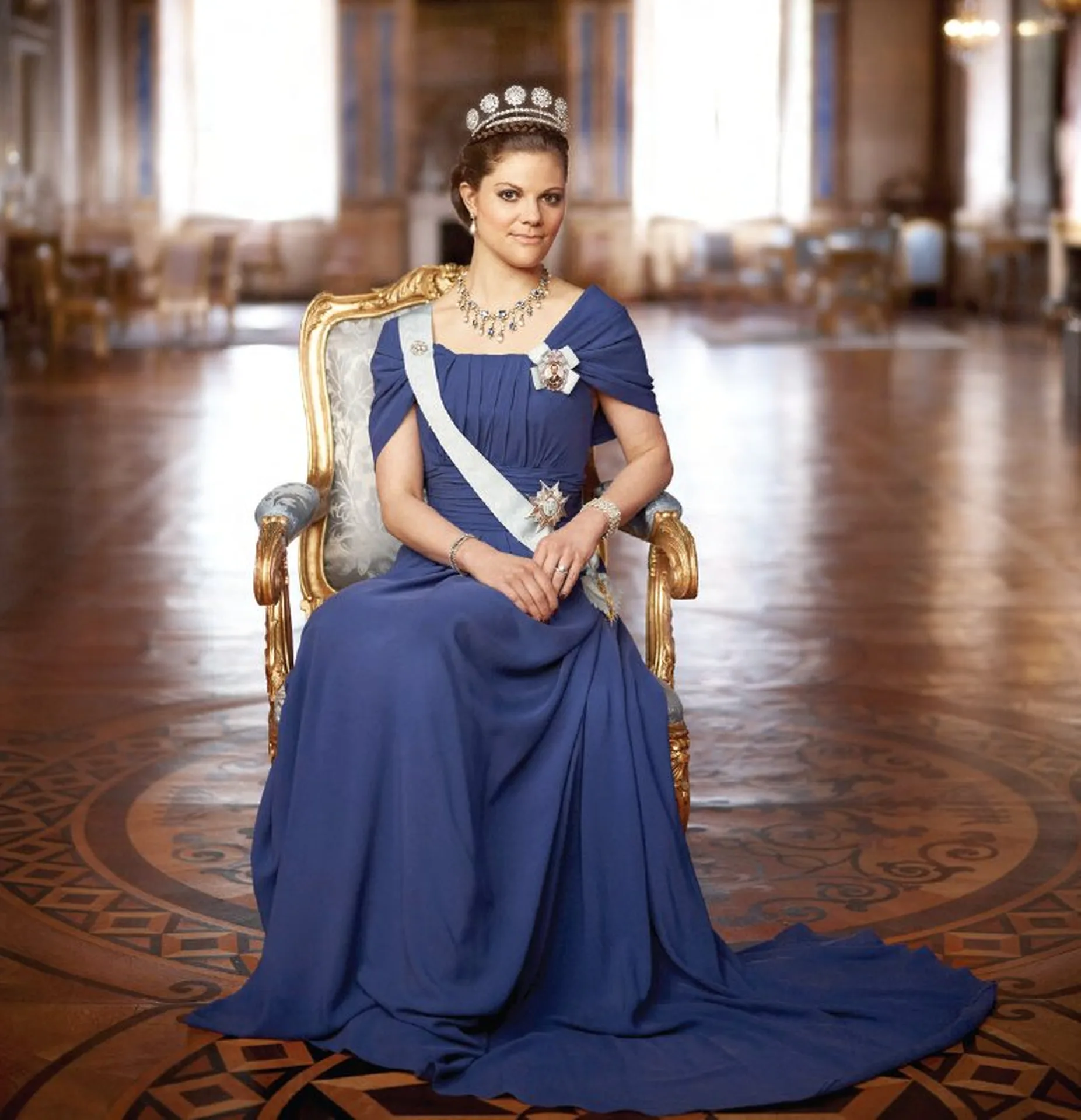
FOTO: Mattias Edwall
A royal incarnation of Swedishness
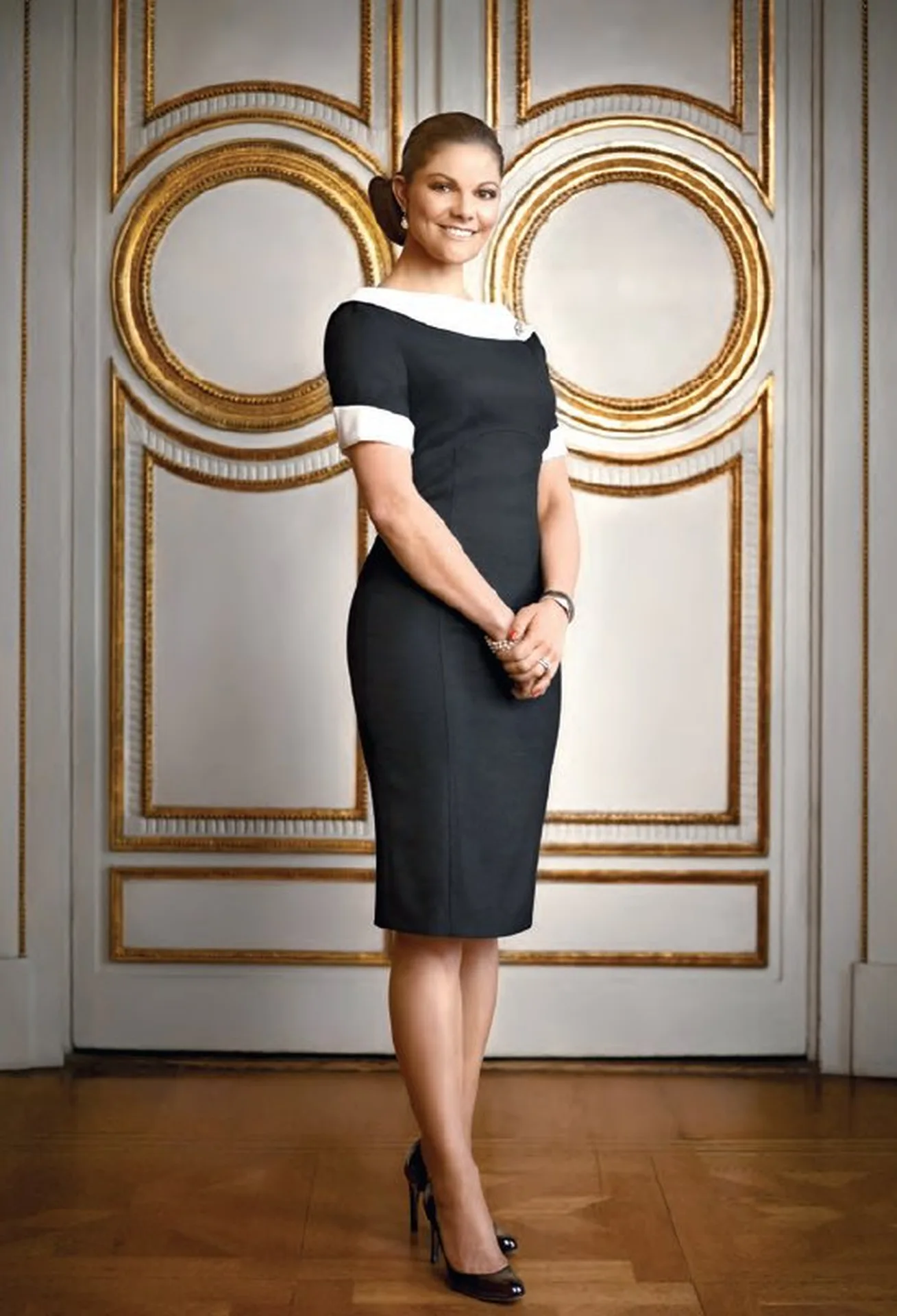
Born on 14 July 1977, as the first child King Carl XVI Gustaf and Queen Silvia, Princess Victoria became first in line to the Swedish throne in 1980. Though her brother had already been born in 1979, that year the Swedish Parliament (Riksdag) changed the Act of Succession designating the first royal offspring born, regardless of gender, as heir of the throne. Thus, little Victoria Ingrid Alice Désirée would soon feel her childhood overshadowed by the high expectations everyone had from a future queenAfter the first idyllic years – spent in the Drottningholm Palace (near Stockholm) and the Palace of Solliden (on the island of Öland) – the princess faced harder times in school. Suffering from dyslexia meant that she had to work harder than her peers. She is also affected by ‘face blindness’, a cognitive disorder meaning that she is unable to recognize faces (even of friends and relatives), though intellectual functions are intact.
As she turned 18 on 14 July 1995, the Princess became eligible to act as Head of State in case her father was not in the country. On that occasion, she gave her first public speech and almost instantly took hold of the Swedes’ hearts. But the nation’s delight would soon turn to worries, as the Crown Princess looked skinnier with every public appearance.
In 1997 her family admitted that Victoria had undergone treatment for anorexia. It was a painful crossroads in her life that she would recall in 2002: “I, Victoria, didn’t exist. It felt like everything in my life and around me was controlled by others. The one thing I could control was the food I put in me.” Nevertheless, she found the inner strength to leave bad times behind. Trying to quench her thirst for knowledge, she open-heartedly embraced her royal status.
She studied French in Angers (France, 1996), international relations at Yale University (USA, 1998) and peace building at the University of Uppsala (Sweden, 2002). Specifically tailored study programmes took her to the Riksdag and to Sweden’s Government, Foreign Affairs Ministry, Misson to the United Nations, Embassy to the USA, International Development Agency and to other high ranking institutions. In 2003 she completed basic military training. Over the next decade, she took more and more official roles, visiting over 30 countries on all continents.
[IMG_d4eb06d913d10ae7.webp]
FOTO: Charles Hammarsten
The cost of stardom: a not-so-private personal life
Her effective ambassadorship for Sweden, a country that exports over half of what it produces, most likely outweighs by far what the Swedes pay for her princely life. Apart from her mother tongue, Princess Victoria speaks fluent French, English and German. She is well-educated but down-to-earth, interested both in preserving traditions and keeping up with the times. As a typical Swede, she is passionate with outdoor sports and sometimes finds time even for practicing her talent in drawing and painting. Who wouldn’t like her – in Sweden and abroad?
As a matter of fact, knowing that she is always open and enthusiastic about taking social causes and cultural initiatives under her patronage, Swedish companies, professional organisations and NGOs constantly lobby her office in the Royal Palace in Stockholm’s Old Town. Long gone are the days when little Victoria could play undisturbed with her younger siblings, Prince Carl Philip and Princess Madeleine, away from the millions of eyes watching her.
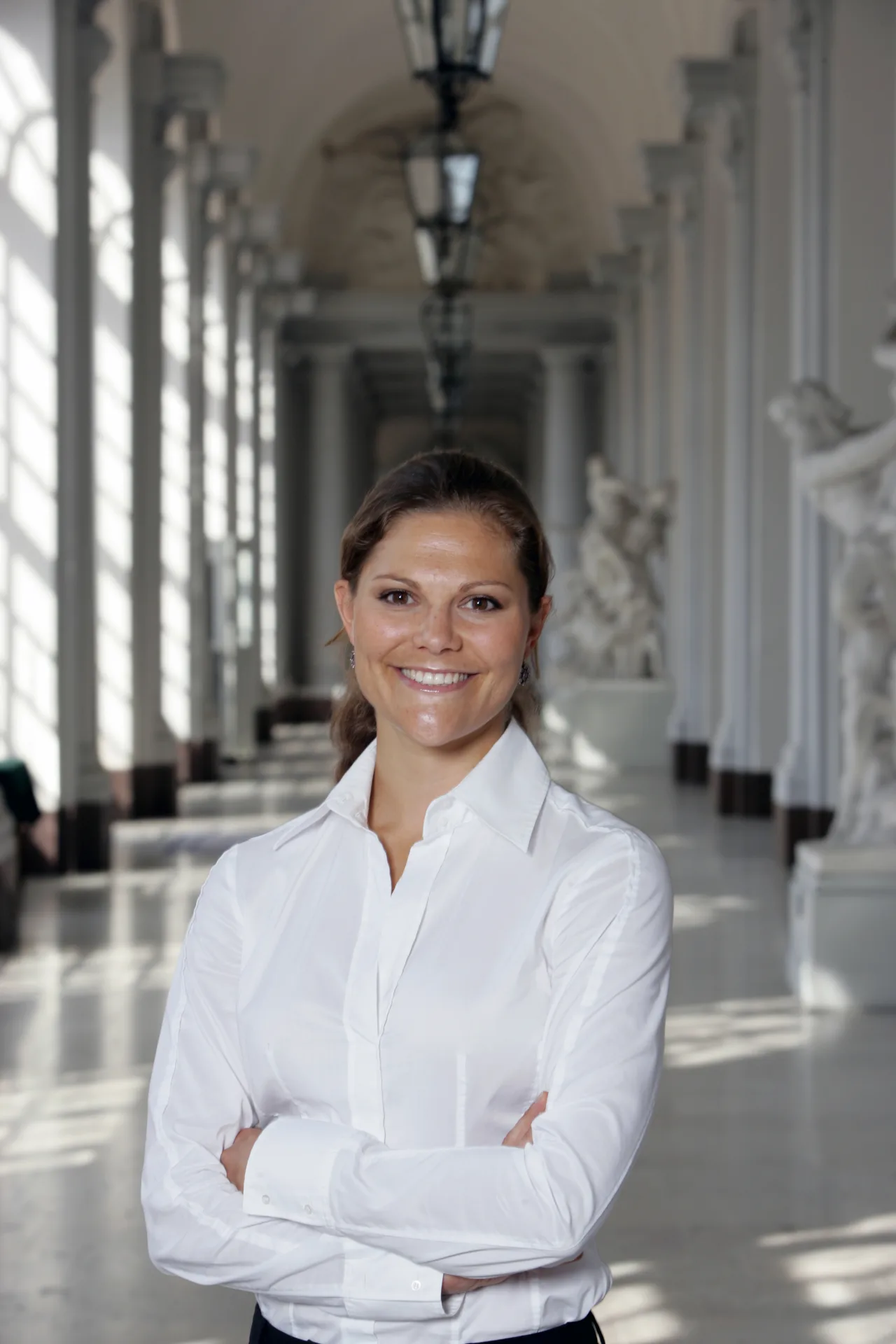
Before she was 18, her public appearances could be counted on fingers, but these days she must be everywhere in Sweden (when something essential for the nation takes place) and anywhere beyond the country’s borders where Sweden’s interests require it.
There’s no boundary between the Princess’ public and private life and – irrespective of the widespread belief that Swedes are reserved and respectful of one’s privacy – they are interested in everything about their Crown Princess as if she were at least a cousin, if not a closer family member.
Unsurprisingly, the Swedish media reported extensively on Victoria’s first boyfriend, film producer Daniel Collert, who followed her to the USA in 1998. The nation’s hope for a royal wedding would dash in 2001, when Victoria and Daniel broke up. It was only one year after an official press release confirmed they were together and after eight years of relationship.
Not much later, in 2002, the paparazzi began chasing the Princess’ new boyfriend, Daniel Westling. A businessman (gym owner), he was the personal trainer who had helped her overcome the effects of anorexia. After another lengthy relationship, in 2010, the Royal House would announce that the King had granted Daniel the title Duke of Västergötland. He became a Prince, meaning that he could dare to ask Victoria’s hand in marriage.
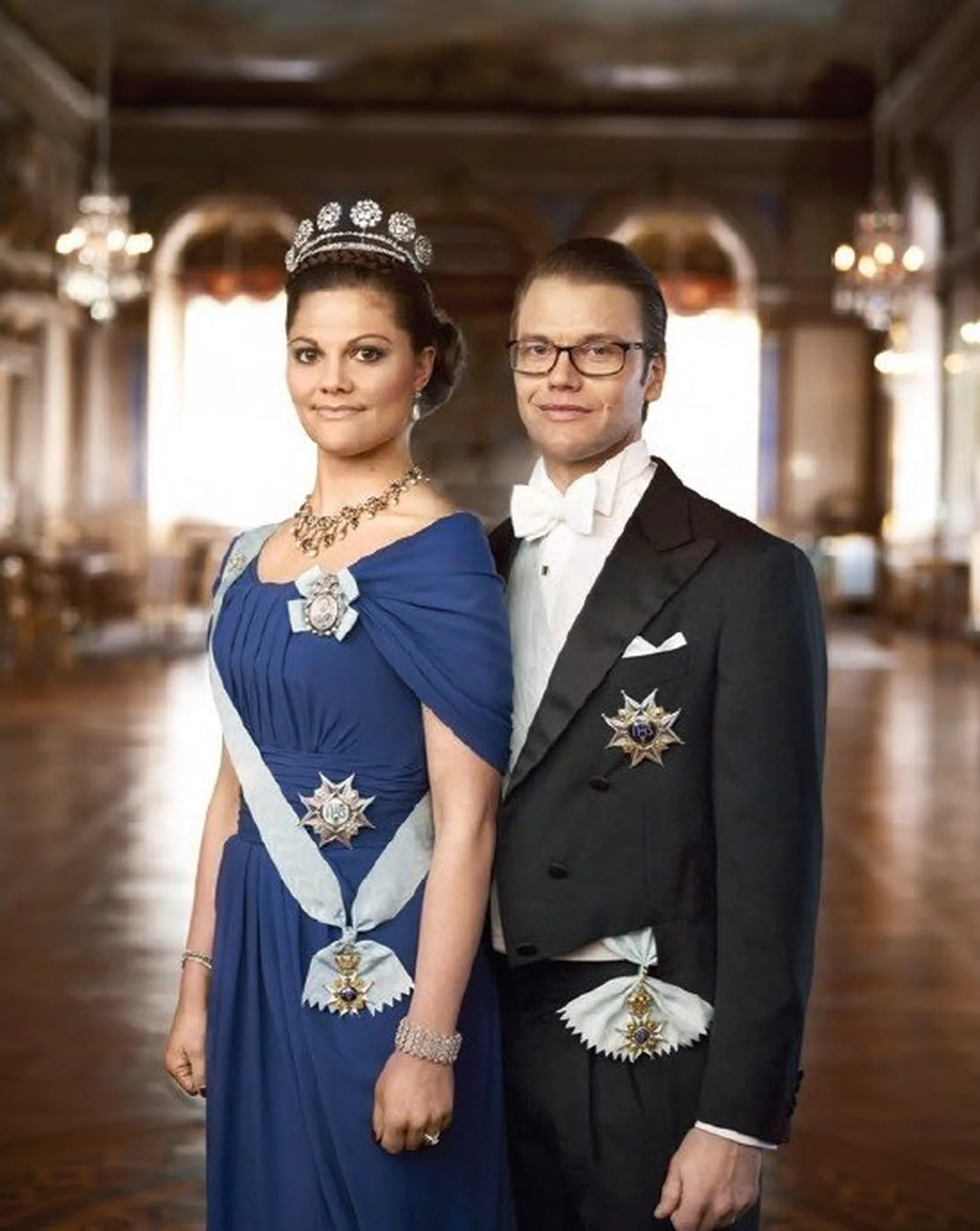
FOTO: Mattias Edwall
Everything is set for ascending the throne
Described as Europe’s biggest royal wedding since the Prince of Wales married Lady Diana Spencer in 1981, the wedding took place on 19 June 2010 and boosted Sweden’s prestige on the world stage. Despite some criticism about the overall cost – 20 million Swedish kronor (a bit less less than €2,1 million), half paid by the Royal Family, half by the Government from public funds – the event was attended by 1,200 royals and dignitaries, watched by 500,000 people on Stockholm’s streets and by at least 500 million more worldwide on television.
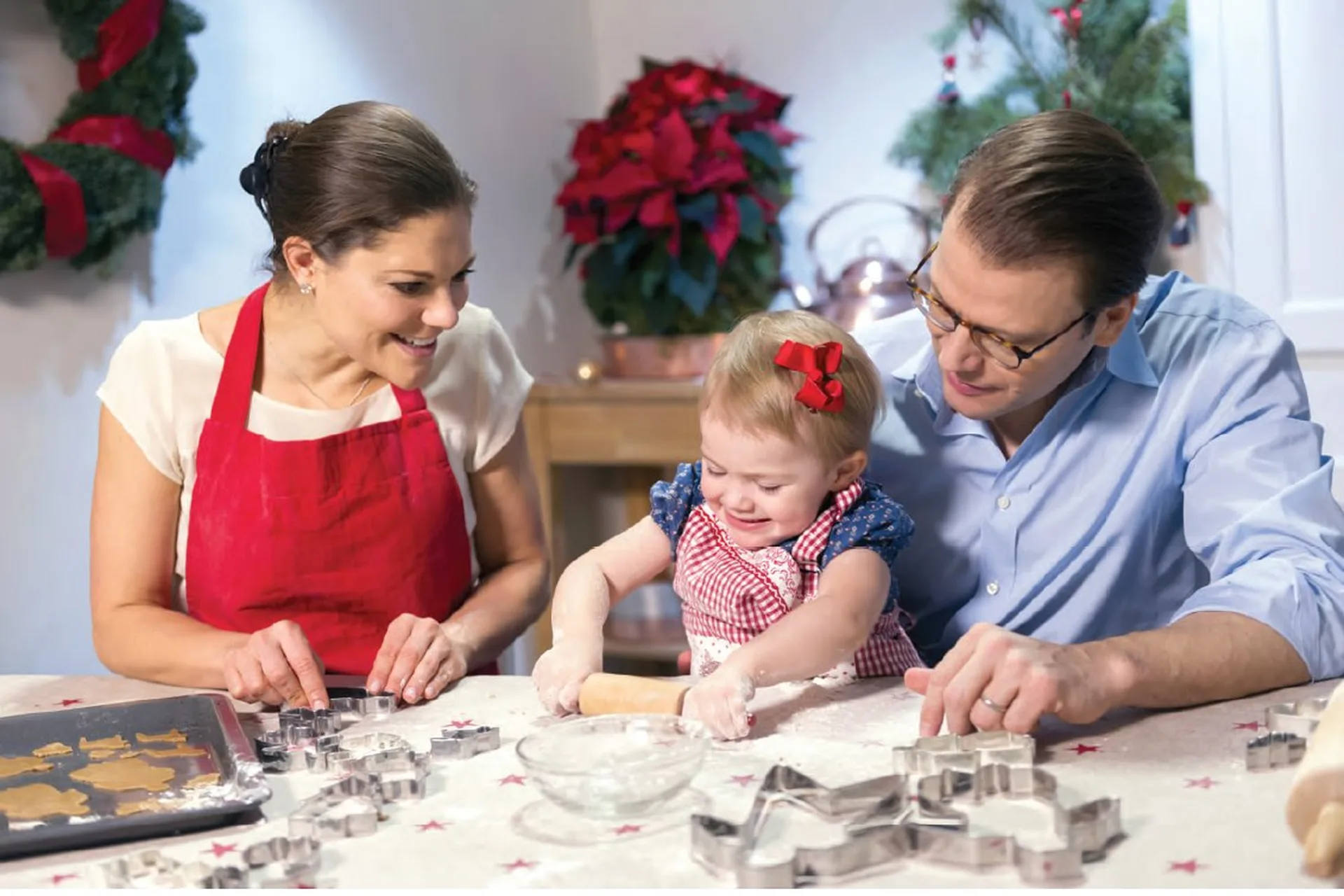
Modest and discrete, having retired from business and willingly taking on royal duties, Prince Daniel would soon be seen as the ‘perfect match’ for Princess Victoria, though some people initially disliked him. Her Highness defended her choice of a ‘commoner’ as husband: “I think the general idea with the Swedes is that the modern way is to marry someone you love, not necessarily based on where she or he comes from.” Her words could be regarded as another token of Swedishness, as the country is one of the most open to immigration and cultural diversity in Europe.
After having been the godmother of over 15 children, the Crown Princess gave birth to Princess Estelle on 23 February 2012, thus fulfilling another royal duty – providing the nation with a heir to the throne. Everything appears to be set for ascending the throne. Not necessarily because King Carl XVI Gustaf should give heed to the voices asking him to abdicate, following the examples of his counterparts in the Netherlands, Belgium and Spain, but to remain honest to his motto: “For Sweden – with the times”.
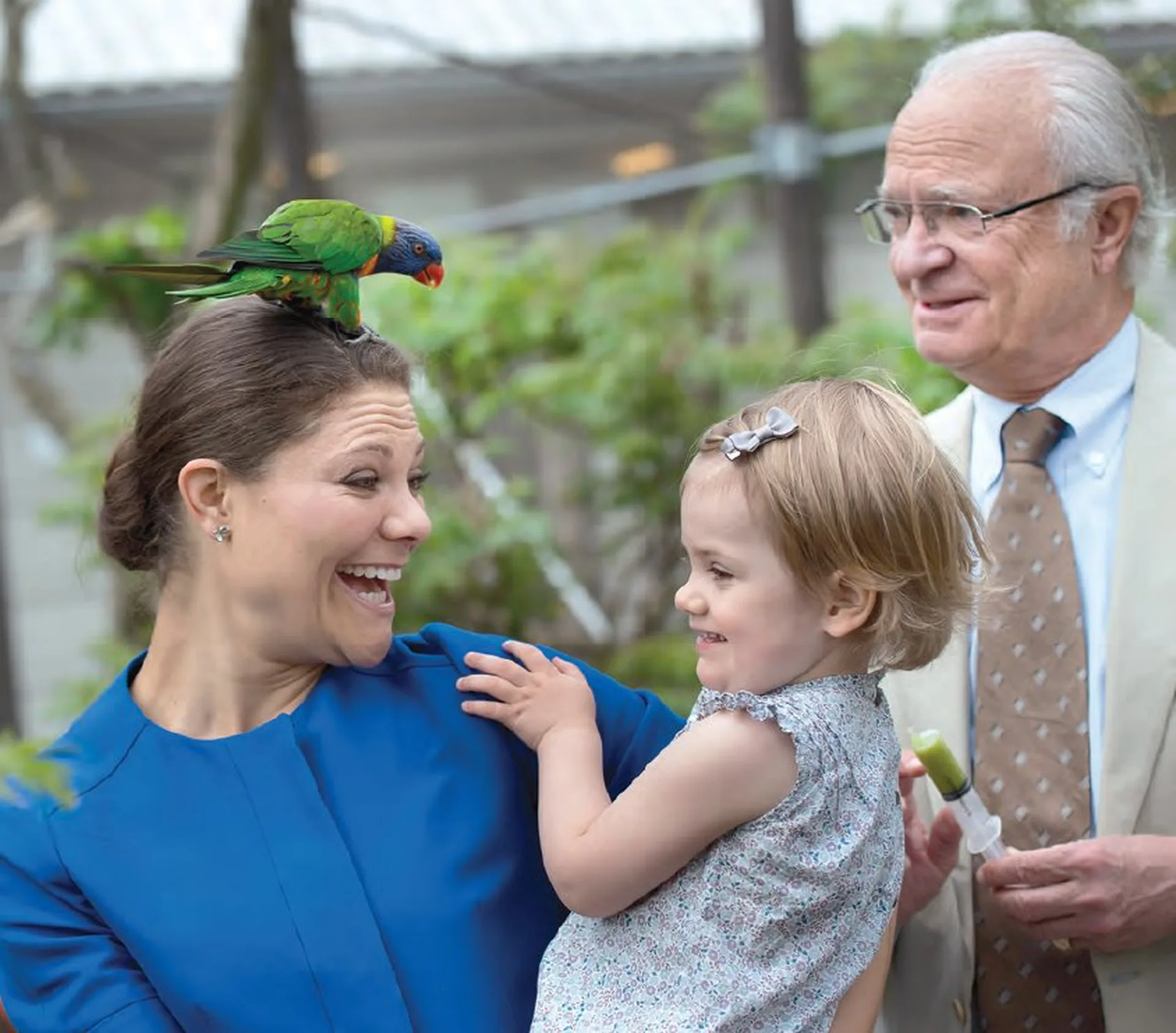
FOTO: kunghuset.se
Being born in a royal family is a gift, yet Victoria has been working hard to make the most of this burdening bliss. Today, “Her Highness” life is less and less “hers”. Her destiny is Sweden’s destiny and – although she is not accountable to voters like political leaders – she appears to have learned how to rise up to the nation’s expectations under any circumstances, at any given moment.