by Bogdan Munteanu
How does it feel to grow old? What does decadence taste like? For how long can one live comfortably, enjoying a life of partying, and lying to one’s inner self that the pleasant things done over and over again are somehow meaningful? One day tormenting doubts suddenly erupt within the soul. When it happens sooner during maturity, it’s known as a mid-life crisis. The later such a crisis occurs, around the dawn of old age and the more a man has done it all, and has always thought he was immune to doubt, the more painful such an existential crisis becomes.
He is a 65-year old journalist, immersed in the never-ending debauchery of the the posh social class of Rome
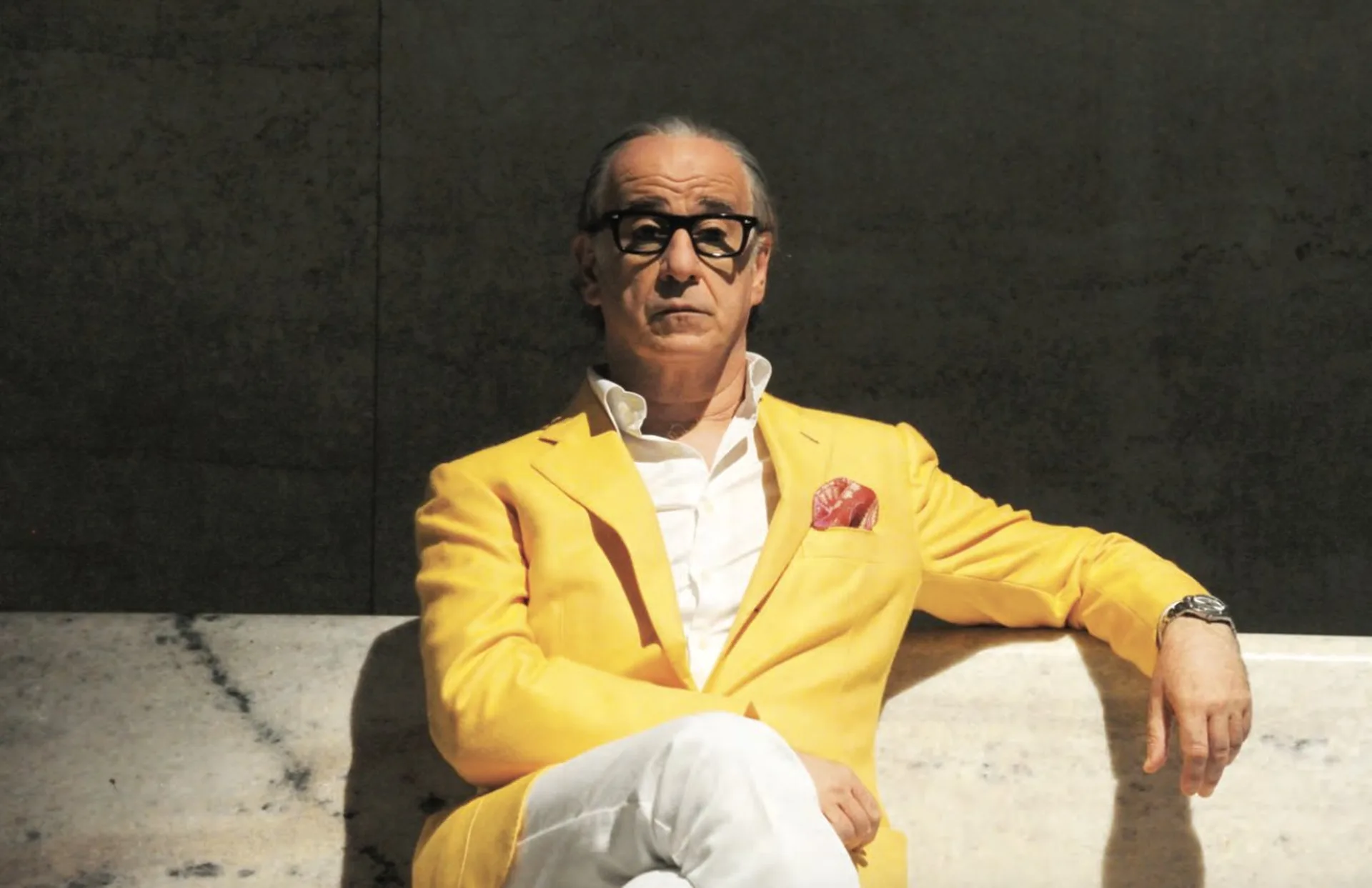
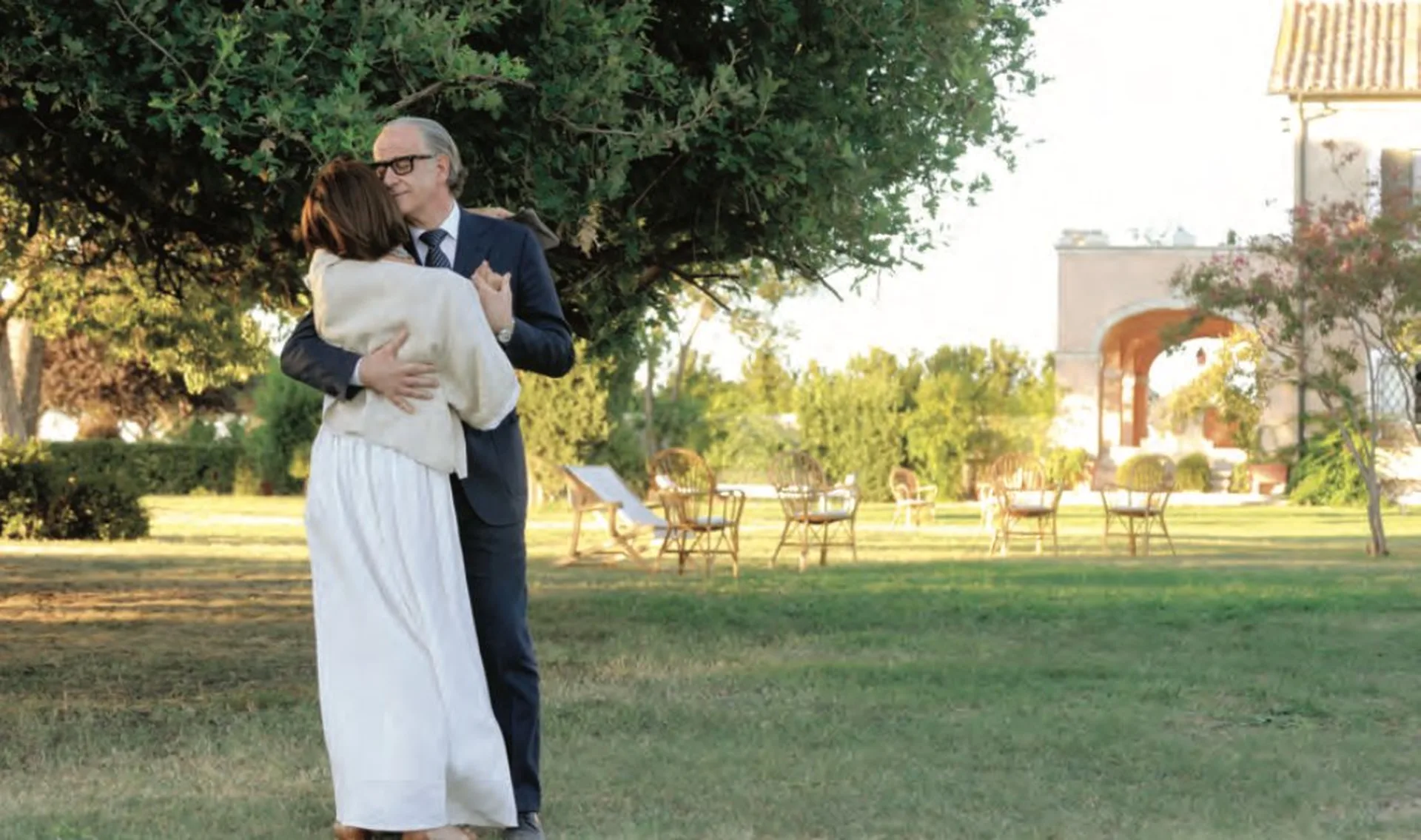
This happens to Jep Gambardella (played by Toni Servillo, worldwide famous after his parts in Il Divo and Gomorrah), the main character. He is a 65-year old journalist, immersed in the never-ending debauchery of the the posh social class of Rome. Apart from a promising novel written in his twenties, he didn’t do much with his life.
Nevertheless, in the self-centered life of pure hedonists, achievements of whatever kind don’t mean anything. It doesn’t matter what you do in life; all that counts is whom you know.
By knowing everybody who matters in the high-life of Rome and by rubbing shoulders with them every evening for decades, Jep has always been regarded as a man of value.
But what if what had once appeared to matter doesn’t matter anymore when you look back decades later? Not that Jep would be put through any life-changing experience, like an accident or terminal disease. He just recalls his life. And realizes, that he sees himself differently, that he is exhausted (though still fit and charming for his age) and that the partying will go on and on without him. Would it be the time to consider writing again?
As Jep remembers his life, director Paolo Sorrentino’s film doesn’t lack amusing scenes, but the extent to which viewers could consider ‘funny’, 142 minutes of watching people who know no other life than one of fun, is arguable. There is no
storyline, but a sequence of evoked moments. Some reviewers quickly concluded that it wouldn’t be without sense to re-write the film’s title, La grande belezza (The Great Beauty), as La grande tristezza (The Great Sadness). Watching outrageously rich and carefree old people, with botoxed faces and disenchanted smiles, partying as wild as the young can be depressing for many.
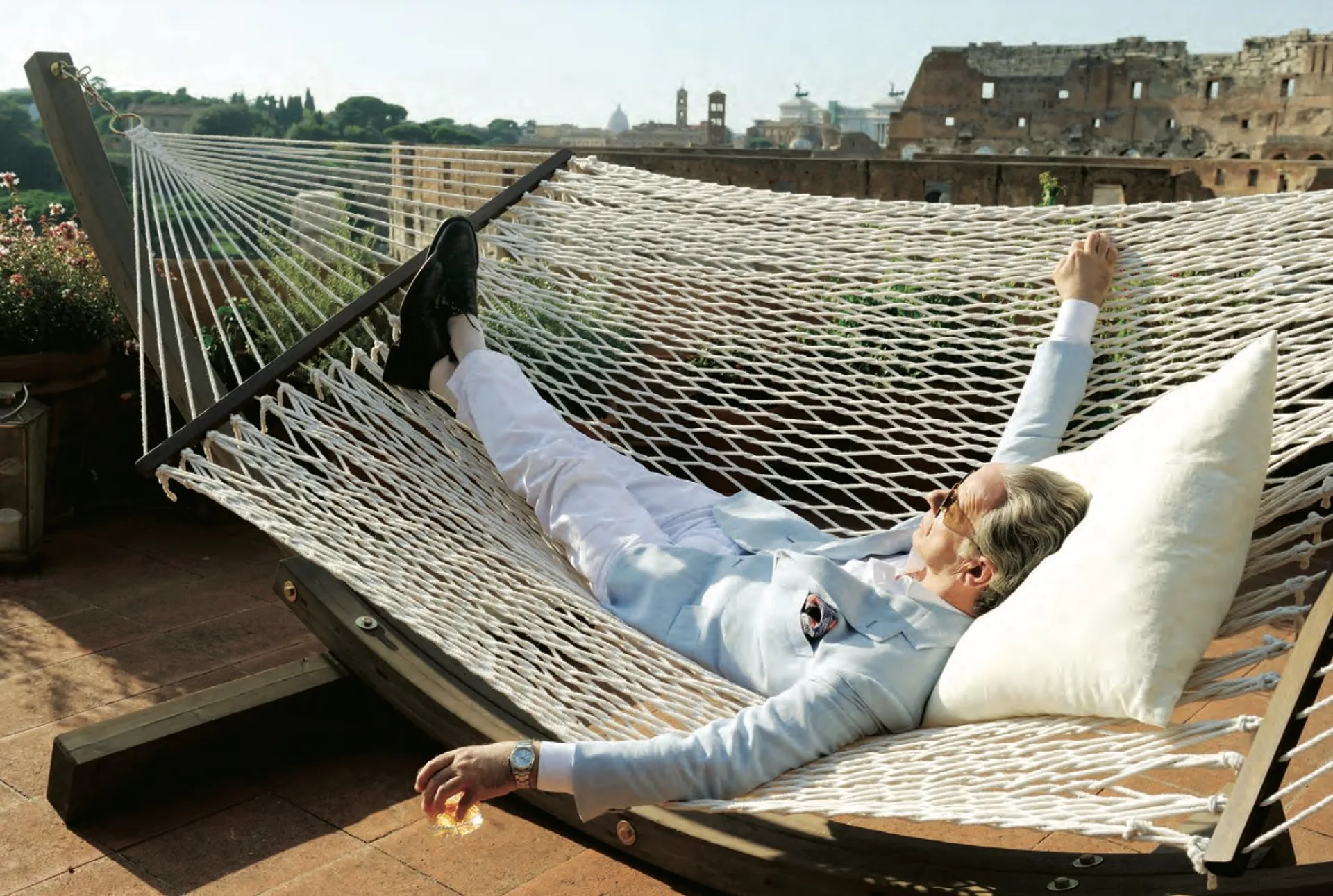
Anyway, the film is not a diatribe against a particular lifestyle, nor an apology. It’s rather a detailed portrait of Rome and what ‘Romanità’ (Roman-ness) has meant to some of its most opulent inhabitants throughout the ages. From the time of the Emperors, to the almighty medieval Popes and to our days, there is something eternal about Rome – a ceaseless quest for pleasure.
In a way, Sorrentino’s La grande bellezza could be seen as a ‘sequel’ of Federico Fellini’s La Dolce Vita (1960). Jep Gambardella is but an older alter ego of Marcello Rubini (played by Marcello Mastroianni), the gossip magazines journalist who spends seven days and nights exploring the delightful life of Rome.