by Ciprian Plăiașu
Between the 3rd of August 1914 and the 17th of August 1916, Romania went through what the historians call today “the years of neutrality”. The Crown Council that took place in Sinaia, in 1914 didn`t decide for Romania to join the conflict, together with Germany and the Central Powers, like the old King Charles I had hoped. Romania had chosen to stand with Italy and to wait for a better moment to join the war. Neutrality proved to be a tremendous diplomatic battle and Prime-minister Ionel Brătianu turned out to be an incredible player and actor.
Right before the war started, Romania had created the image of the most stable country in the entire area, having a modern army and a fair capacity to mediate regional conflicts. Beyond its important strategic position, Romania had some advantages that made the country a good partner to take into consideration: the speeded internal modernization and reformation process, the state independence obtained between 1877 and 1878, the railroad infrastructure, the urban development (mostly in Bucharest), and also the fact that King was original from a European family.
This image of soft power that the young Romanian state had created for itself was confirmed and valued during the Bucharest Peace in 1913, a treaty that was signed after the end of the Second Balkan War. At that moment Romania obtained the Sothern Dobruja area from Bulgaria and also enforced respect and an image of regional leader.
Thus, Bucharest had been transformed into a field of disputes, intrigues, gossips, and more or less official agreements and negotiations. The commencing of war, the unexpected decision of the Crown Council in August 1914, the death of King Charles I and the appointment of Ferdinand – all these factors lead to a tensed situation.
The fact that Romania chose neutrality displeased the Central Powers very much, in particular because King Charles I had secretly signed the alliance treaty with these countries. But it was a defensive treaty, while the world war had started from the Declaration of War made by Austro-Hungary against Serbia. However, German and Austrian diplomats were trying to make all sorts of promises with the purpose of attracting Romanians on their side.
Except the promise that involved getting back the land of Basarabia, Prime Minister Ionel Brătianu got some very interesting signals right since the beginning of the war. For example, the German War Minister von Falkenhayn was trying to convince the Austro-Hungarian Emperor Franz Joseph to cease a part of Bucovina to Romania, more precisely the county of Suceava, that was ruled by Austro-Hungarians, in order to get in exchange an active collaboration from Romania`s part before the winter of 1914.
This information was reaching the decision makers in Bucharest through various channels: official, delegated representatives, spies and all sorts of informants. Another promise that was rising during the neutrality times concerned the city of Odessa (a promise made by the German state sub-secretary Zimmermann to the Romanian minister Nicu Filipescu). Afterwards, following the suggestion of German Exterior Minister von Jagow and of field marshal von Conrad, the Austro-Hungarian Government had promised Romania the land of Negotin, in Serbia.
However, all these intrigues and diplomatic disputes took place within a relatively small area of Bucharest: the Royal Palace and its surrounding area, as most foreigners were accommodated at the Athenée Palace Hotel.
The Athenée Palace Hotel, the core of intrigues
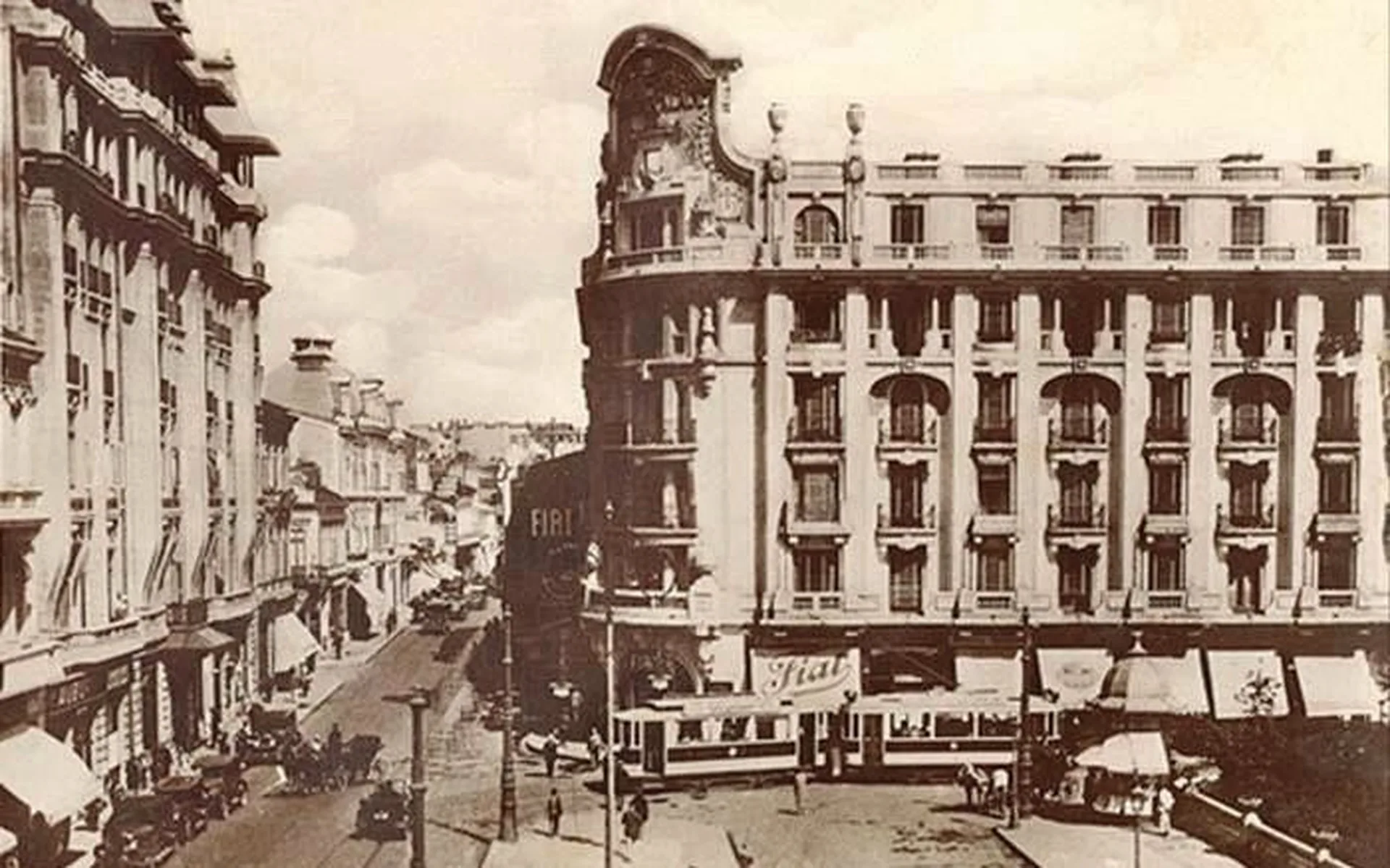
This is how Editor Ernst Latham described the local situation during the First World War: “Romania was the only European country where the journalists coming from neutral or allied countries were able to work and the country was in a magnificent historical position. If the German army would go south, they had to cross Romania; if they would go east, they had to set up their invasion base here. Romania was a capital for history. And the Athenée Palace Hotel was the core of all intrigues”.
Athenée Palace was a luxury hotel, built in 1912 by a French company lead by a certain baron Marseille. It was quite a young hotel, according to the standards of other hotels in Rome, Paris or London. Its position was also very good, just near the Athenaeum and the Royal Palace and this is why it was very appreciated during the inter-war times.
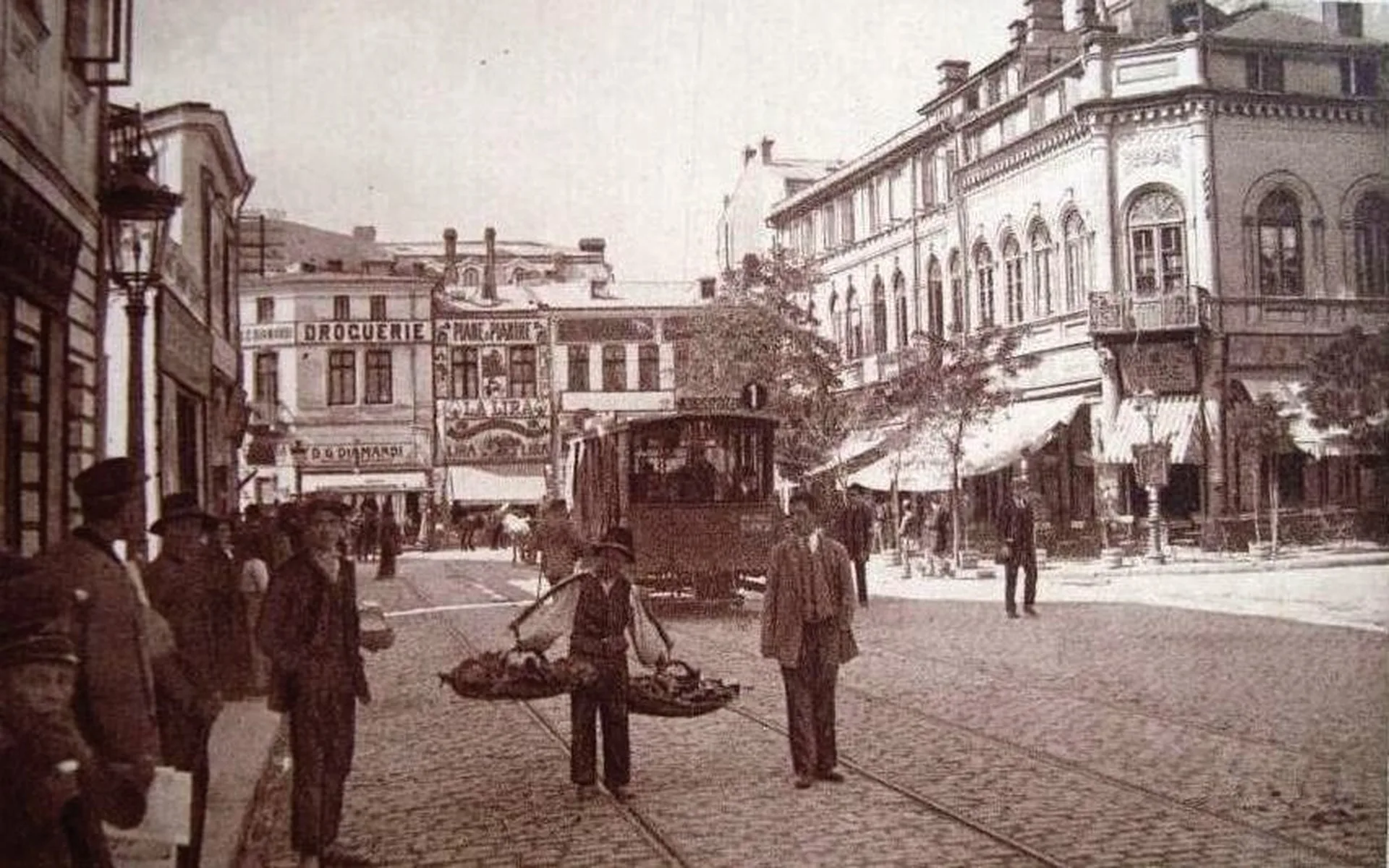
And yet, it wasn’t the only place where such things were going on. At Athenée Palace, there would be a Kaiser representative and a British journalist standing door to door, but not everyone was able to get into Capșa. This tearoom that, starting with 1886 also had hotel rooms, was known as the best in South-Eastern Europe and became the Romanian Royal House`s cake provider , but also of Serbia and Bulgaria. Due to the fact that Grigore Capșa was an influential member of the Conservatory Party, even after his death in 1902 and until the occupation of Bucharest in the fall of 1916, all the old nobility and the foreign aristocrats would gather here to discuss politics far away from the journalists` eyes.
There were gala dinners thrown at the luxurious Grand Hotel du Boulevard, built in 1867 and modernized right since the beginning of the 20th century, and parties that took place in the marble hall - which was considered at that time the most sophisticated in all Bucharest- or at the Grand Hotel Continental – built in 1866 – and they were nothing but another opportunity to have informal discussions between the representatives of the powers at war or between various influential persons part of the Romanian royal entourage and spies or lobbyists from all the corners of the world. The messages were circulating since the first morning coffee drank at Fialkovsky or in the restaurants of the above mentioned hotels and until late in the evening.
The Central Powers had in Bucharest a wide network of informants, spies, influential agents and diplomats. After realizing they are not able to attract him on their side, the representatives of Austro-Hungary and Germany would come daily to see Ionel Brătianu and to convince him about the advantages of neutrality. The Prime-minister had to put in all his misleading resources in order to cheat their suspicions. He had to do the same thing with the people of Entente, who were just as nagging; they were pushed by their leaders who were sending out imperative letters demanding the distress of Ionel Brătianu.
Each of the two camps was trying hard to draw Brătianu to one side or another. The newspapers in Paris, Wien, Berlin and Moscow was making a lot of threats regarding Romania`s fate if the country didn`t decide its position sooner, and were issuing many warnings regarding the risks of procrastinating such a decision. Moreover, following a negligence of Austro-Hungarian Minister Ottokar Czernin, the Romanian secret services had succeeded to get their hands on the diplomatic code and on a list of Austro-Hungarian informants acting on the territory of Romania; this would be beneficial for the Romanian Prime-minister after Romania actually joined the war.
Even Prime-minister Ionel Bratianu feared the big number of spies
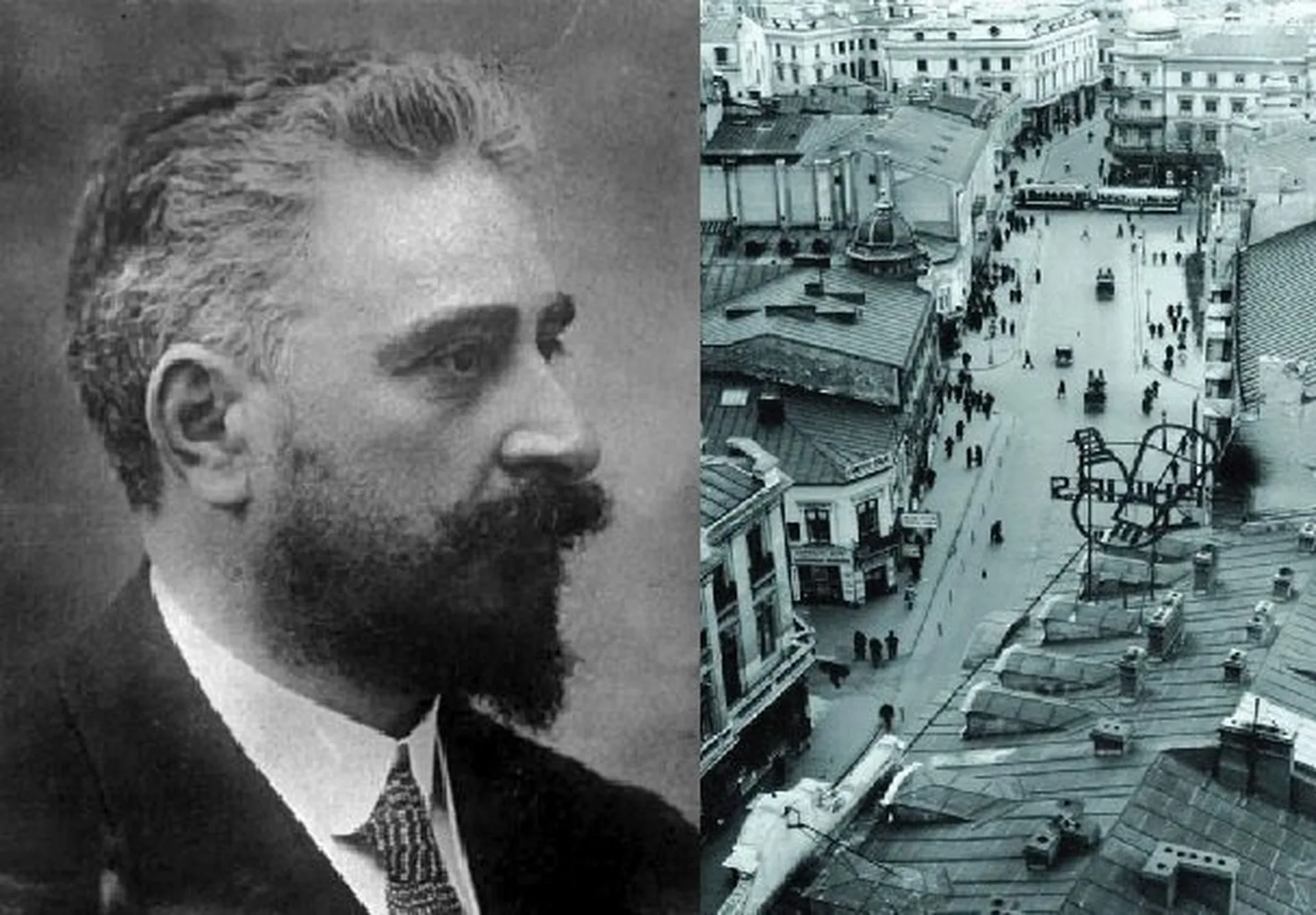
On the 17th of August Ionel Brătianu, the Romanian Prime-minister, called the ambassadors of Entente to sign the paper that Romanian would join the war. This was the opportunity he was waiting for – the Russian army`s advance in the Brusilov operation. According to everyone`s forecasts, the war was about to end soon and the Entente would won. Usually, Brătianu received the diplomats in his home. This time, he chose the his uncle`s house, fearing the large number of German and Austro-Hungarian spies who were ready to send to Berlin and Wien the news that the Central Powers suffered a disaster: Romania ended its neutrality in the favor of Entente!
Up to that moment Ionel Brătianu played brilliantly the role of the undecided regarding Romania`s desired ally. While toughly negotiating with the Entente on one hand, he was calming down the Central Powers swearing to remain neutral on the other hand. In a clever way, he was also encouraging the pro-Entente manifestations in Bucharest to convince the Austro-Hungarian and German representatives how hard it is for him to keep a neutral position. Likewise, in order to obtain the desired conditions, he was slipping information for the Entente`s ambassadors with regards to the pressure exerted by the adepts of absolute neutrality (P.P. Carp) or by those lobbying to join the Central Powers.
The years of war would be unpredictable. Until the end of 1916, Bucharest was occupied by the German – Bulgarian troops and in 1918 a humiliating peace treaty was signed with the Central Powers, despite all the heroic resistance during the summer of 1917. What Ionel Brătianu thought would be Romania`s entry at the end of the war, with a fresh army turned into 2 awful years that ended in a surprising way – the union of all Romanian principalities in one single state – Greater Romania.
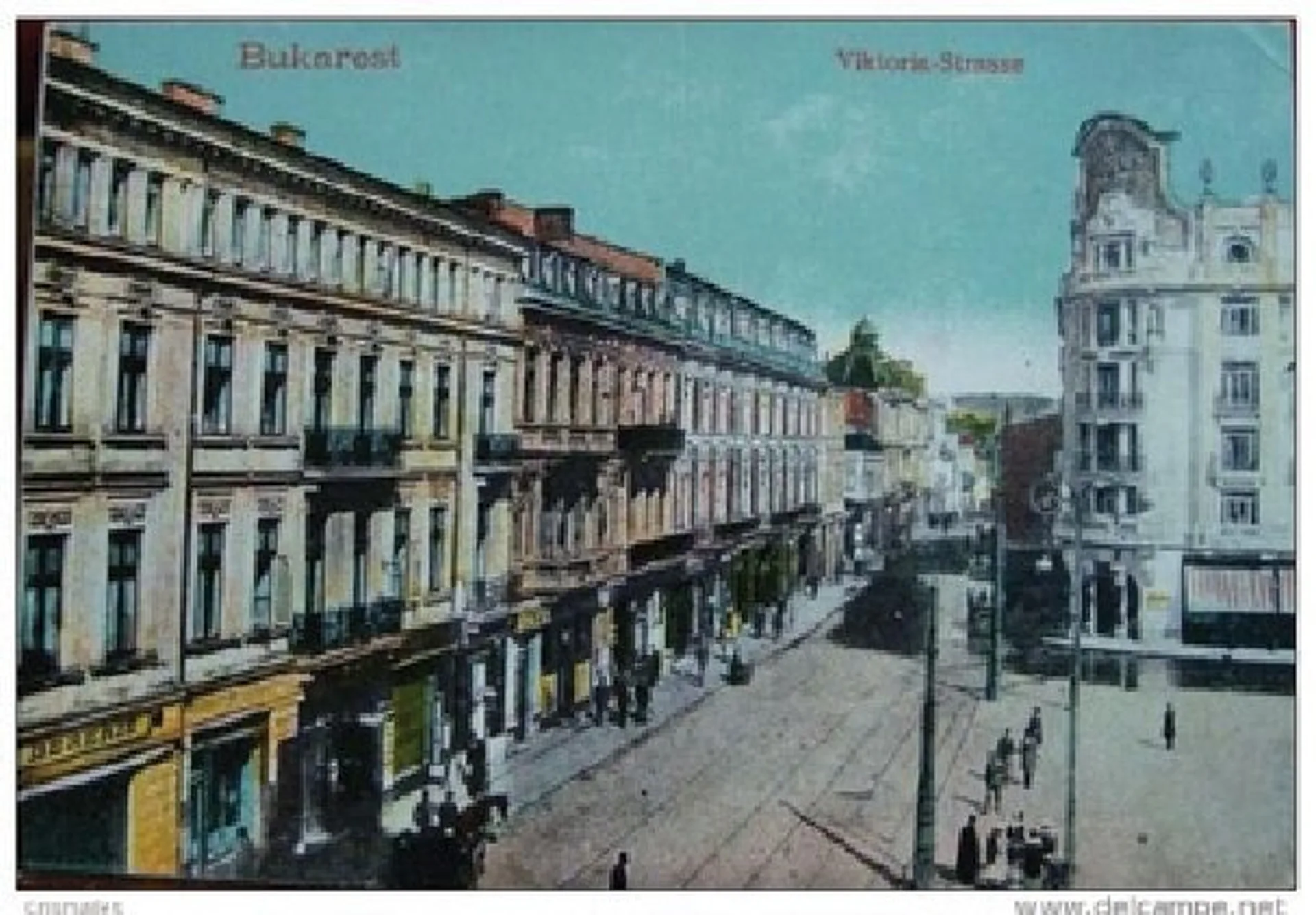
The Athenée Palace was a luxury hotel, built in 1912 by a French company led by a certain Baron Marseille.