by Mirela Meiță, photo archive Bruna Grimaldi
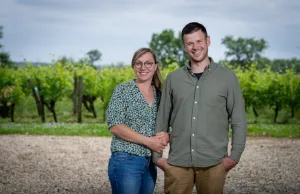
We sat down with Simone to talk about growing up among the vines, what changes and what never will in Bruna Grimaldi vineyard and what it means to be the fourth generation of winemakers in Barolo.
What is one decision your great-grandparents or grandparents made about the vineyards that you still live with today?
They managed, remarkably, to hand these vineyards down to us, and they worked them with a real vision of sustainability; with far more labour, and far less money, than we have today.
Is there a wine, a plot or a technique in the cellar that is considered untouchable, something no one in the family would dare change?
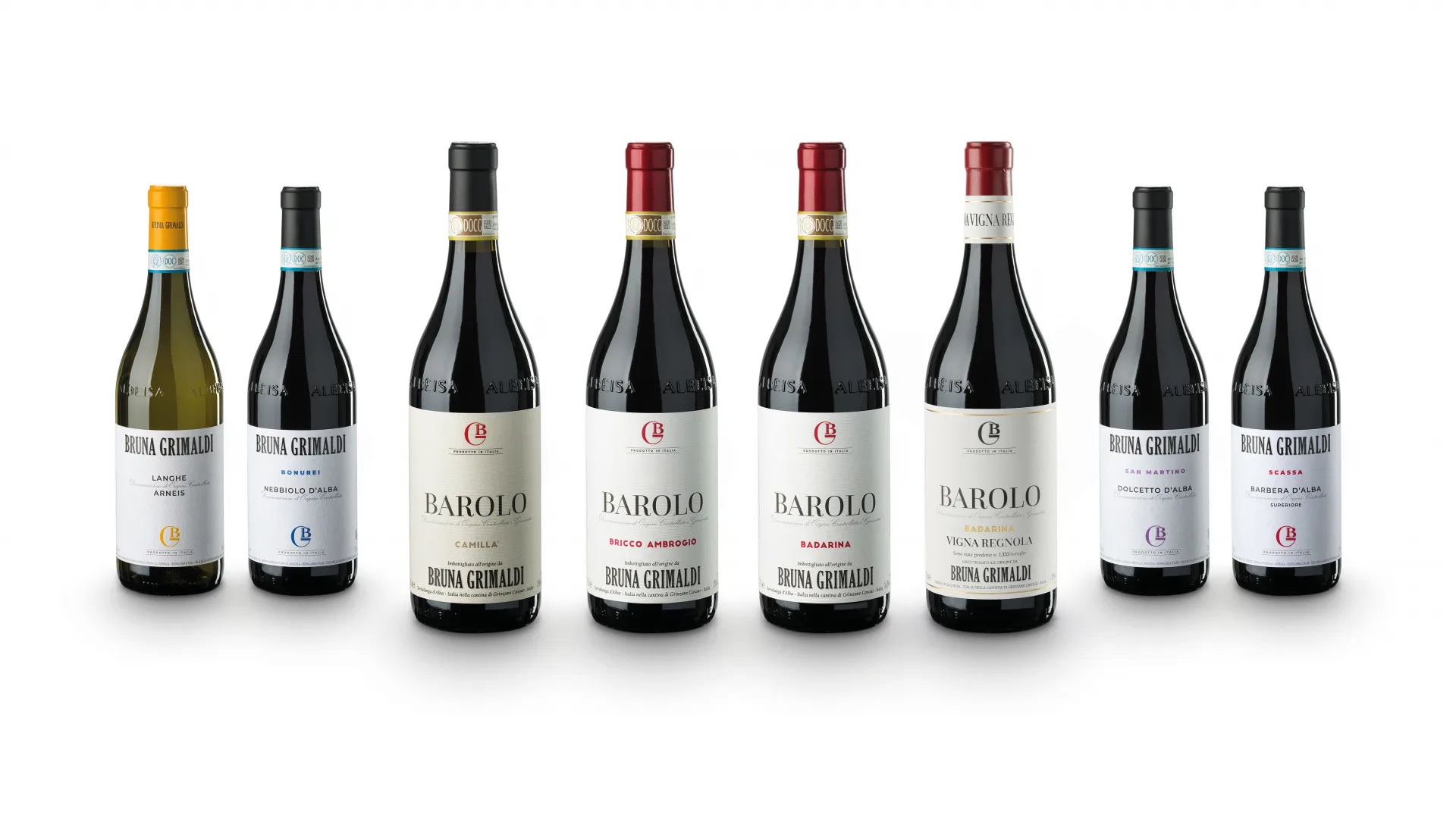
The Badarina vineyard, and its wine. And in the cellar, our traditional long skin contact during the fermentation of Nebbiolo.
When you took over, what was the first thing you changed that an outsider might not have noticed, but that mattered enormously to you?
Many small details, some reflecting my own point of view, others a response to climate change.
In the cellar: lower fermentation temperatures; a new destemmer that keeps fragments of stem out of the tank; very gentle extraction, almost like an infusion; a submerged cap that prolongs skin contact in the most delicate way; ageing in very large barrels; and a new cork and bottling system.
In the vineyards: a different approach to canopy management, organic matter added every year, cover crops sown between the rows, and later harvests. And in our marketing: a new bottle and a new label.
Barolo has such a codified identity: Nebbiolo, the fog, the specific communes. How do you think about your family's particular corner of it, and what would someone taste in your wine that they wouldn't find in a neighbouring producer's?
We look for purity and finesse. We never set out to make a massive, muscular wine. We love the idea of a classic Barolo that blends parcels from different terroirs, and we vinify a single vineyard on its own only when the difference is significant enough to deserve expression.
Climate change is reshaping harvest timing across Piedmont. Has it already changed how you farm, or when you pick, compared with your father's or grandfather's era?
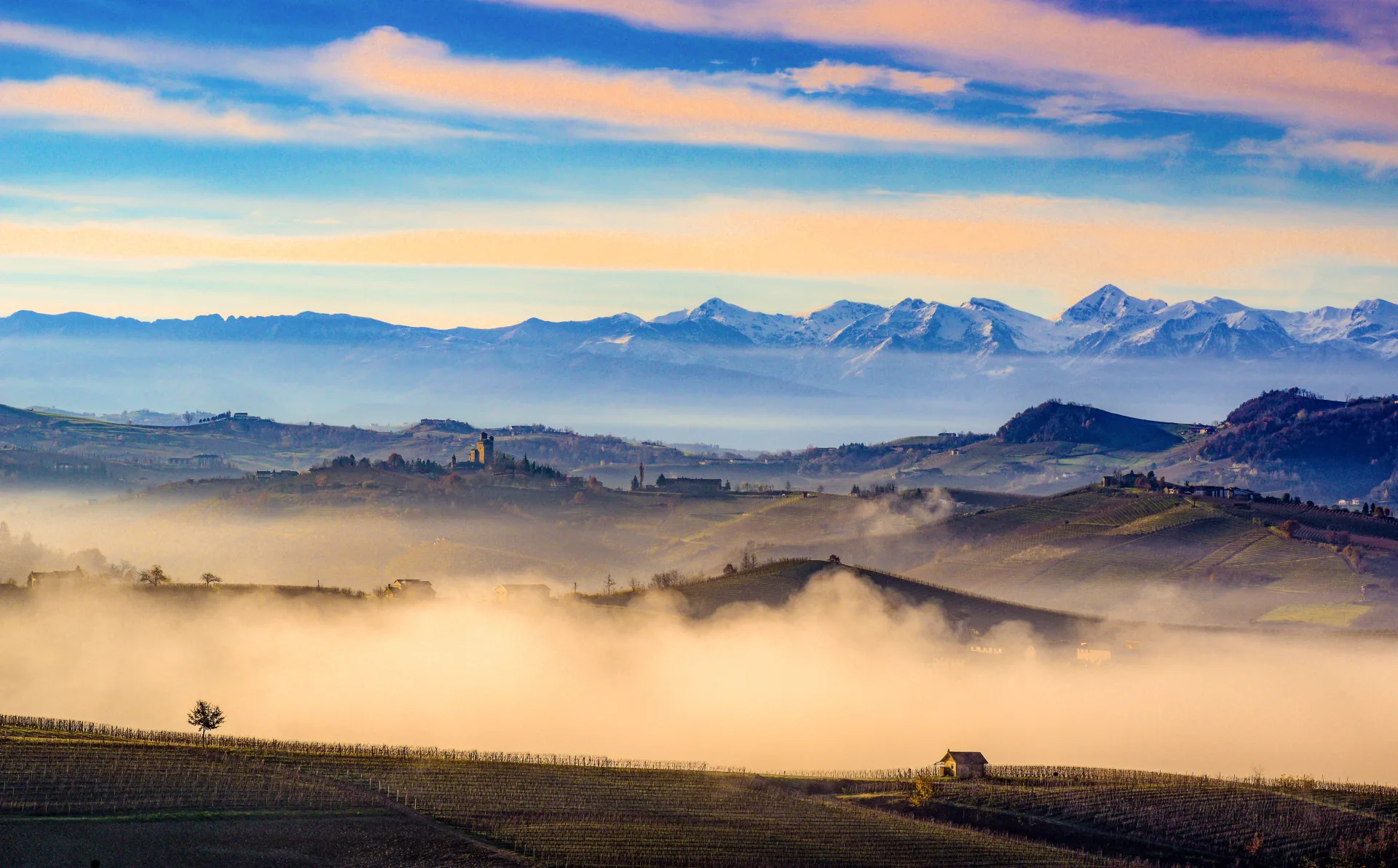
Yes. 2026 has been the fastest, earliest harvest on record, and the warmest year we have known here in Barolo. We never plough the soil during the growing season; it is always covered with grass, which shields it from direct sun and builds up organic matter. We no longer remove leaves; in some years we would even add leaves to shade the grapes, if only we could. We care a great deal about soil microbiology and organic matter, because both improve the health of the vines.
Barolo is not a cheap wine; what is actually in the price? The years of ageing before release, the yields you deliberately keep low, the risk of a difficult vintage?
All of those, yes. But also the price of the land; the enormous amount of manual work and the large crew of people it requires, so there is a social dimension, too. The years the wines rest in our cellar before release. The countless details attended to before a bottle is ever filled. And a family that lives for this, and tries to cultivate the land for the next generation.
Why should someone buy a bottle directly from you rather than through a shop or a wine club? What do they receive from the estate that they would never find on a shelf?
The chance to know us and what we do. Behind every bottle there is a family, and people. Wine is also about connection and relationships, but you only truly experience that when you visit the winery.
Wine is also about connection and relationships, but you only truly experience that when you visit the winery.
What is a part of this work that nobody sees, something that happens in the vineyard or the cellar, long before a bottle reaches a table?
The pressure, and the stress, of following nature rather than our own needs. Weather and nature don't think of us; they simply go on. To live in the wine world as a vigneron is to keep improving constantly: we have to follow nature and the weather, never the other way round. Nature is greater than all of us, and being a winemaker is a fortunate position, it allows you to live in close connection with nature, and to respect it profoundly.
Nature is greater than all of us, and being a winemaker is a fortunate position, it allows you to live in close connection with nature, and to respect it profoundly.
If a stranger who had never tasted Barolo appeared at your door, what is the very first wine you would pour, and why that one?
Our Barolo Bricco Ambrogio. It comes from a sun-filled vineyard that gives a juicy, elegant Barolo.
As the fourth generation of winemakers, do you feel pressure, freedom, or both?
I have always felt the pressure. It is a great responsibility: carrying the tradition forward while remaining contemporary, not trendy. The world changes quickly, but nature gives us only one vintage a year, and our wines need four or five years before they are released. The wine world moves slowly in a very fast era.
The wine world moves slowly in a very fast era.
Is there a fifth generation waiting? And if so, what do you hope they inherit, a belief or a habit, rather than a physical asset?
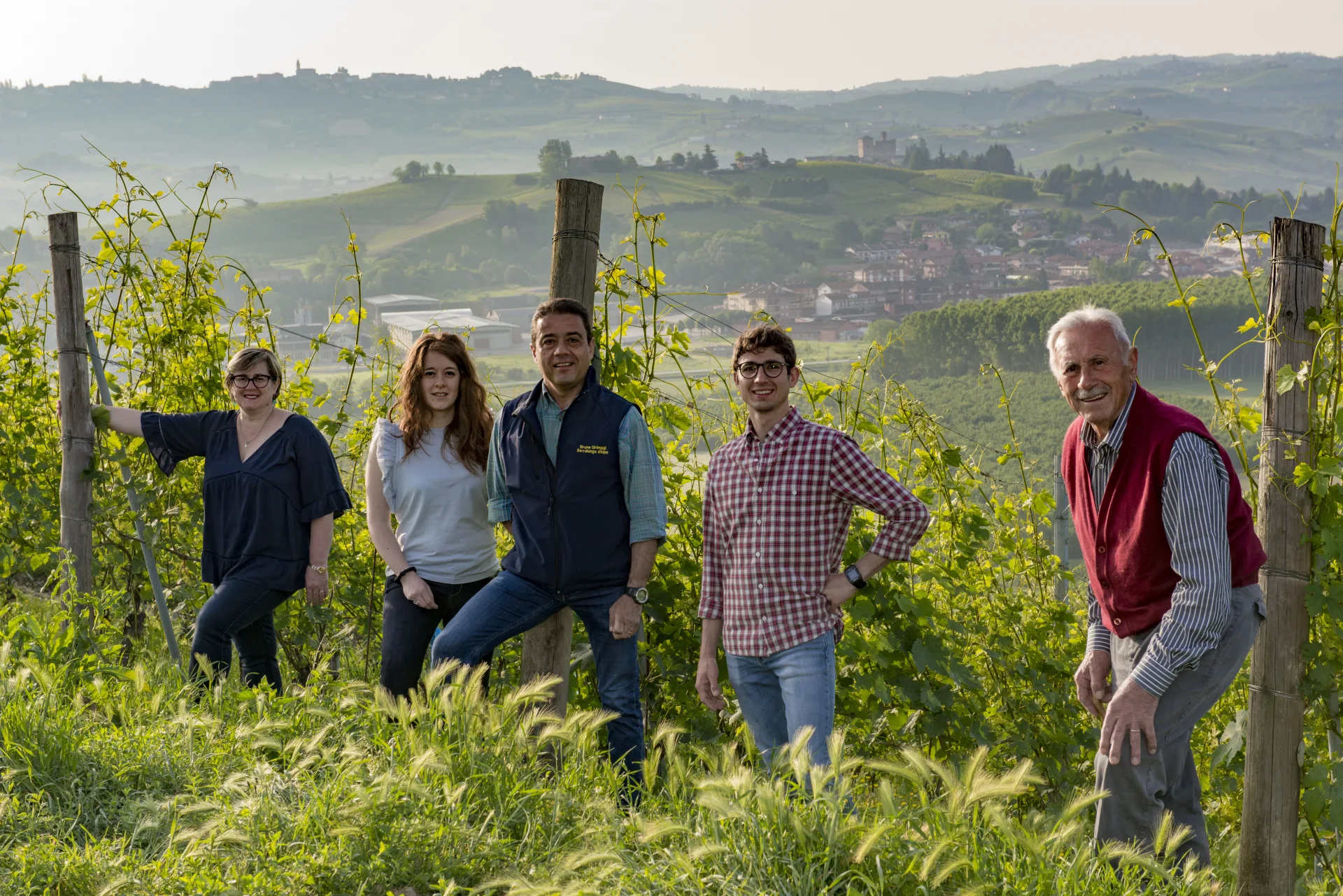
I have a daughter, and so does my sister. I hope they will continue on this path, but I will give them the freedom they deserve to live their own lives and choose what they want to do. I hope they inherit respect for the land and for the people who farm alongside us, because a winery is not only its vineyards, or the beauty of its cellar; it is people. And I hope they inherit curiosity and passion, which are the engine of life.
A winery is not only its vineyards, or the beauty of its cellar; it is people.