
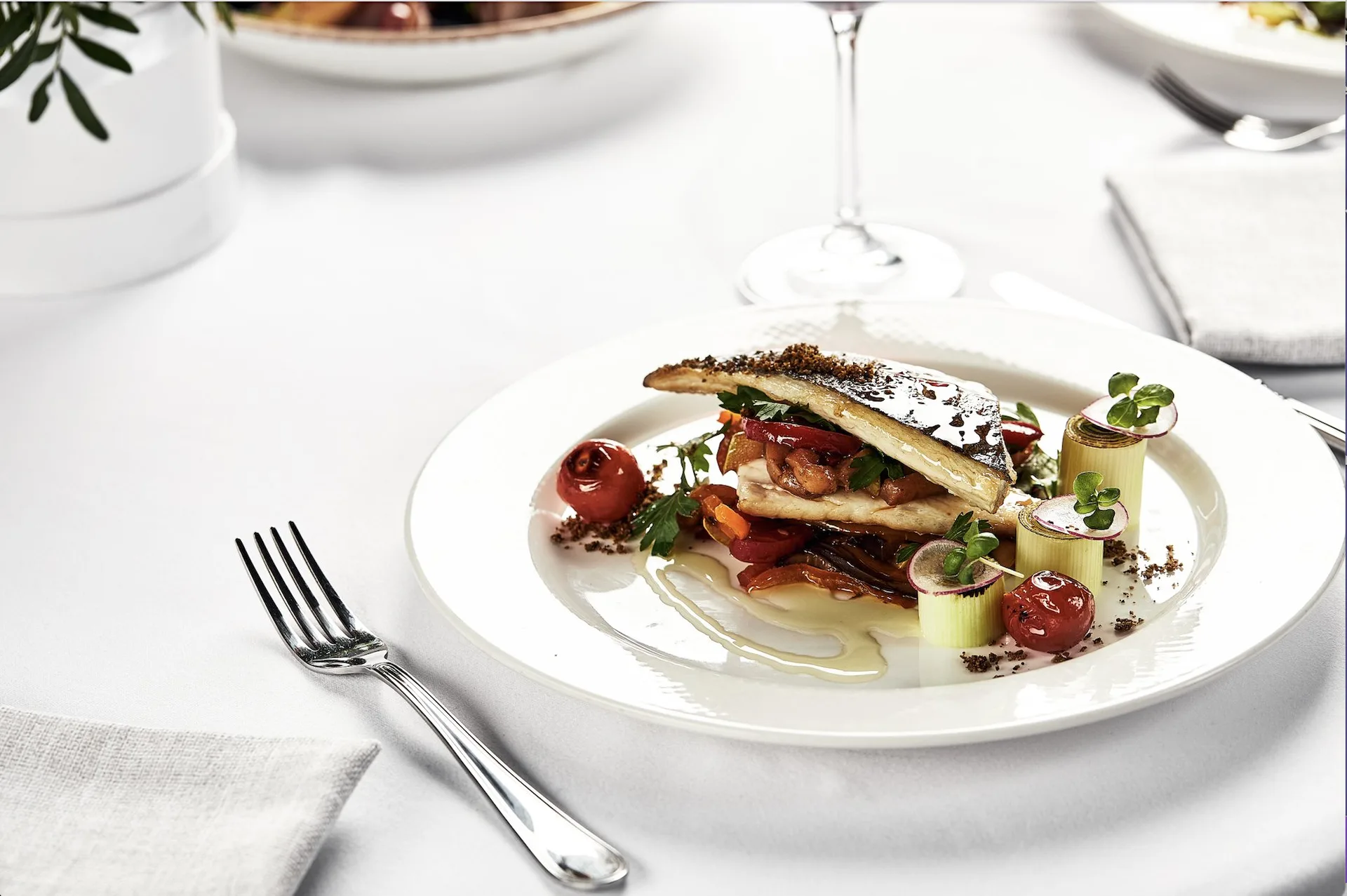
by Alice-Claudia Gherman
Brothers André and Édouard Michelin founded the Michelin tire company in France in 1889 and later in 1926, to boost automobile transportation, they invented this system for cataloging French restaurants. Restaurants received a Michelin star, a star that reflected the quality and freshness of the ingredients, the excellence of the culinary execution and the level of service in that establishment. Later, in 1931, the now-famous classification of one, two, and three stars was introduced.
References to the Michelin cataloging system from 1926 have still been preserved
What makes the difference between Michelin stars?
A Michelin-starred restaurant guarantees a special culinary experience.Michelin stars are awarded based on the taste and creativity of the dishes, the freshness of the ingredients, the quality of service, and the overall décor and ambiance.
Even today, the rating system preserves the spirit of its origins in 1926, when the stars were created to encourage people to get in their cars and explore new places.
Thus; one Michelin star indicates a very good restaurant in its category, two Michelin stars represent exceptional cuisine that is “worth a stop”, and three Michelin stars represent exceptional cuisine that is “worth a dedicated journey”.
So, having even just one Michelin star means that you have a say in the matter of gastronomy at a global level. It means that the head chef and his team have international prestige, that the ingredients are natural, fresh and of the highest quality, and tourists from all over the world travel specifically to dine at your restaurant. Once you have achieved this distinction, you will strive to maintain the quality and execution standards of the dishes and service, as these stars can be lost. Even the departure of a head chef from a Michelin-starred restaurant can demote that restaurant.
There is a board of restaurant inspectors who meet to discuss the awarding or withdrawal of Michelin stars.
How does Michelin rate a restaurant?
A Michelin inspector will never reveal his identity; he will visit a restaurant incognito a few times to see if the restaurant has consistency in the quality of the dishes offered to customers, he will not note anything during the service there. No one will ever know that he was there. The final decision made collectively by a board of Michelin inspectors, who meet regularly to evaluate results and decide whether a restaurant should receive, retain, or lose its stars.
The Michelin Guide evaluates a region only if the country's government financially support this process
The Michelin Guide is a private business. Its numerous inspectors must be paid, they must have their transportation, accommodation and even the payment of meals covered.
Since restaurants themselves cannot finance the evaluators, the Guide’s only source of income comes from the regions, states, or tourism authorities that request an assessment. Once a financial agreement is made, Michelin inspectors begin evaluating the restaurants in that area.
More important than the Michelin star is what comes before the star: education, investment, standardization, training, stability and continuity. The star is the final result not at the starting point. And it goes to those who prove their hardwork, not just for those who cook.
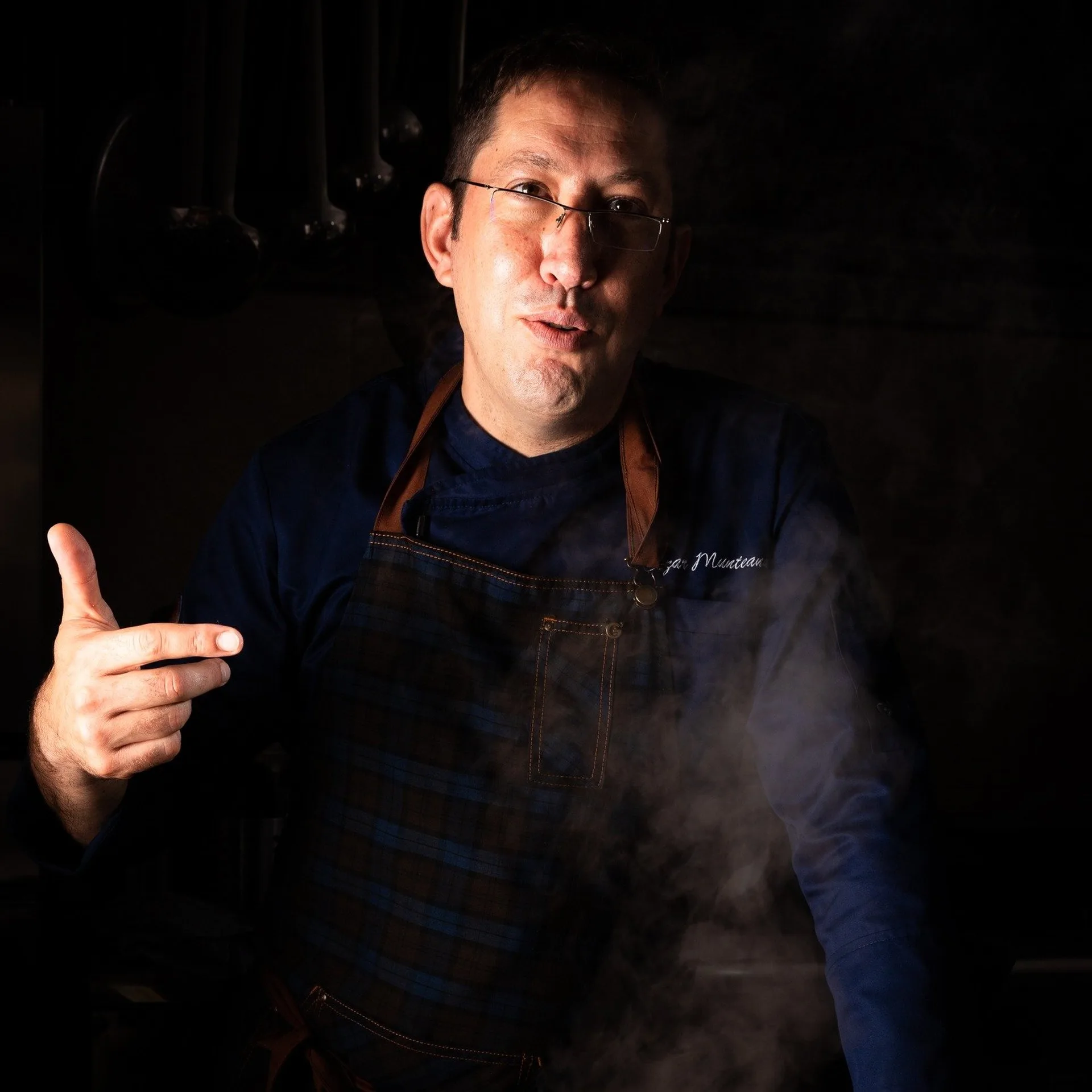
Chef Cezar Munteanu explains clearly why countries in Eastern Europe do not have Michelin-starred restaurants.
The Michelin Guide is a private global infrastructure that costs, requires people, time and national strategy. It doesn't not appear in a country because of wishful thinking or Instagram buzz. A financial contribution from the state or region is required to initiate the process. Thailand did it, Indonesia did it, other countries in Europe are doing it. It is neither shameful nor scandalous. It is an investment in a nation’s reputation, tourism and culinary industry. If we want to play in the same league, we must step onto the field they set, not onto an imaginary one on the sidelines. As for Romania, things are simple: the state has not started this process yet. There is no official framework. There is no contract. There is no institutional agreement. That is why we have no Michelin stars. Because we are not in the program, and the program does not work through self-nomination.
Secondly, and perhaps the hardest part, is that a Michelin star is not given because we really want it. Would it be essential for Romania to be in the Guide? Yes, without a doubt. Would it be important for the industry? Of course. But more important than the star is what happens before the star: education, investment, standardization, training, stability, continuity. But again, the star comes after the effort: after education, investment, standardization, training, stability, and continuity. It is granted based on merit and methodology, not patriotism.
And for Michelin to evaluate you, they have to put you on the map. And in order to put you on the map, you must make an institutional request", concludes Chef Cezar Munteanu.