by Istvan Pentek
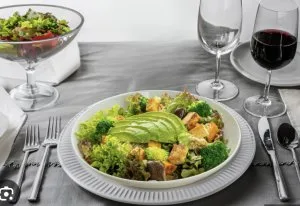
Like any traditional gastronomy, the Swedish cuisine was influenced by the climate – very long winters and quite a small production of vegetables. Hence, food used to be mostly based on smoked fish, wild game meat, potatoes and very few fresh vegetables. There were significant regional differences reflected in people’s eating habits – the Northern part was famous for the varieties of game meat, while the Southern part had a larger consumption of fresh fruit and vegetables. In the last 50 years, Swedish cuisine had an evolution that is difficult to imagine, and today it became one of Europe`s healthiest, based a great deal on salads and fruits, and low on fats.
Swedish tradition implies that Thursday is Thor`s day – the Scandinavian God – hence ärtsoppa is served – a soup made of yellow peas, onion and sometimes pieces of pork. The most important Scandinavian holiday is Midsommar – the summer solstice. On this occasion, the Swedes organize open air parties where they consume several varieties of marinated or fermented herring and strawberry cake.
Probably the best known Swedish dish is köttbullar – meatballs made from reindeer meat, served with brown sauce and lingonsylt – blueberry jam. Another extremely popular dish is fläskpannkakat, some sort of bacon pie, also served with lingonsylt. Their traditional Christmas dish is called Janssons frestelse, a mix of sardines, potatoes and sour cream, baked in the oven.
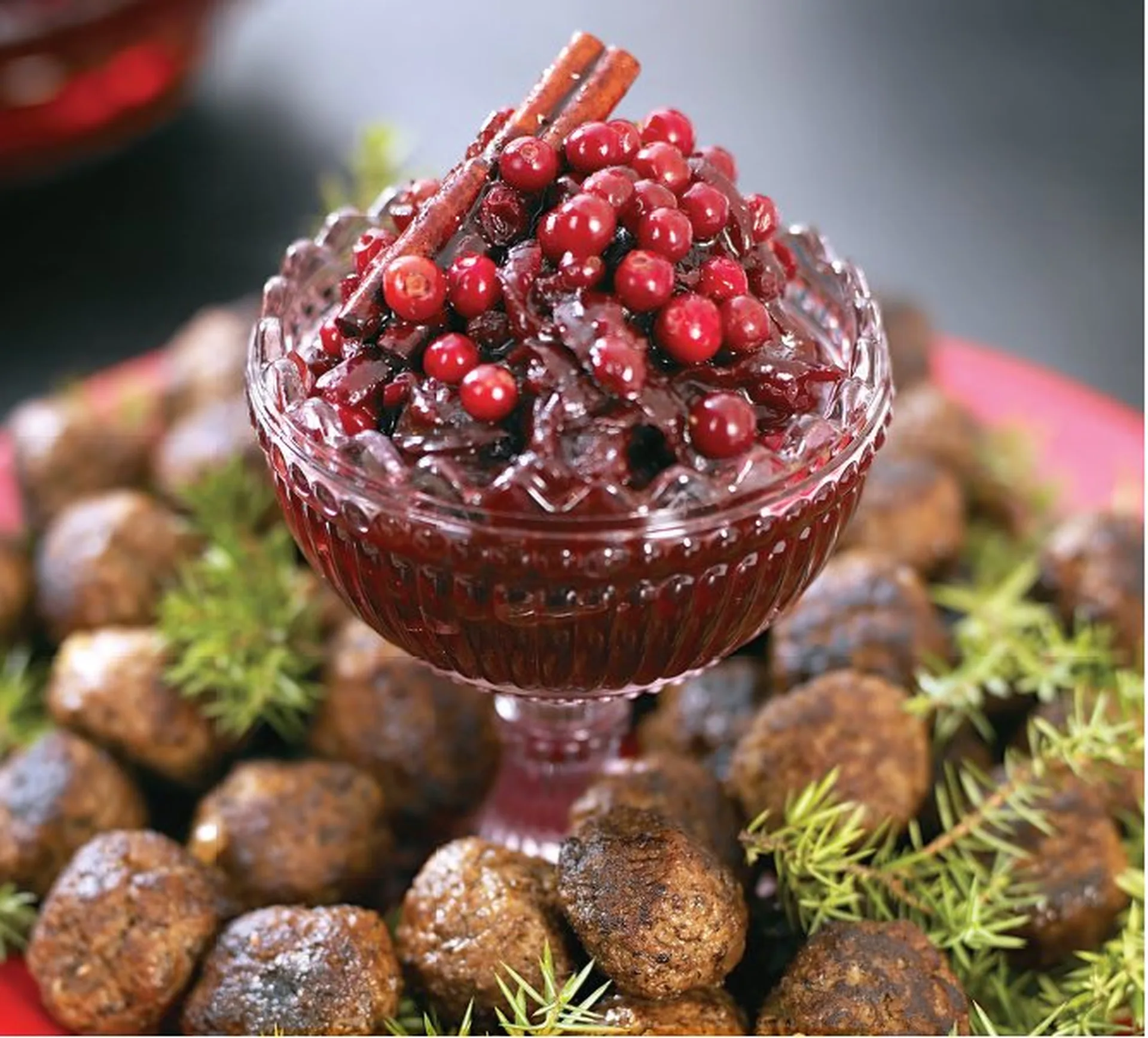
FOTO: joel_wareus
Another traditional dish is more difficult to eat by most Europeans and that is the surströmming – fermented herring, a very old specialty. The legend says that this dish was first made from a fisherman`s mistake; he had put an insufficient quantity of salt on the fish he intended to preserve, and the fish fermented. For some people, the herring maturated in this manner represents a delicacy. Currently, the herring captured during springtime is being maturated for a few months, packed in cans and consumed especially in August, together with significant quantities of vodka and beer.
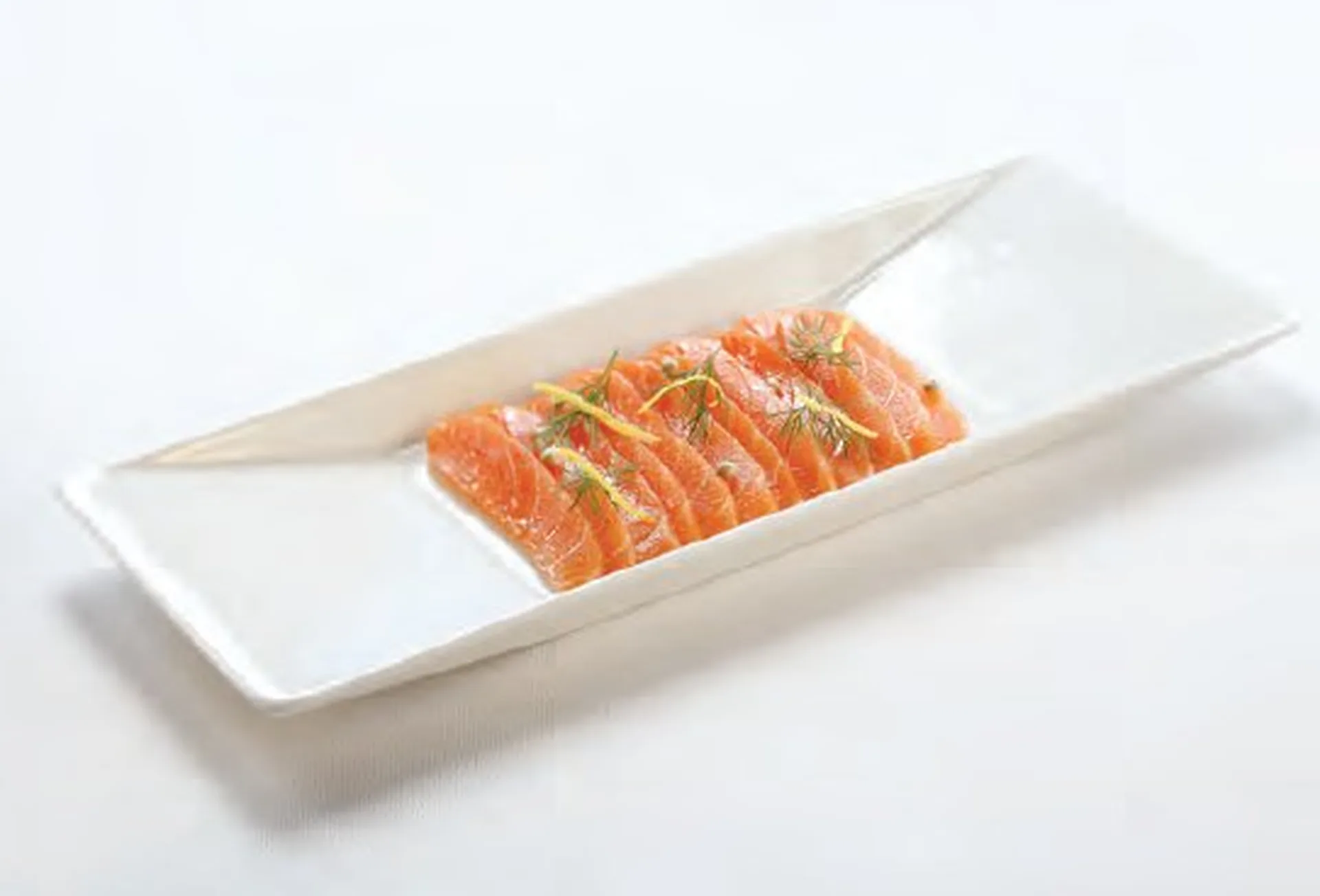
In Sweden it is rather convenient to have lunch at a restaurant because the prices are a bit lower and the supply is quite generous. Usually the restaurants have in their lunch offer, according to the famous 15th century tradition, smörgåsbord – Swedish buffet, with a large variety of cold and warm foods that must include bread and butter, and also various sorts of marinated herring, smoked salmon, boiled potatoes and several salads.
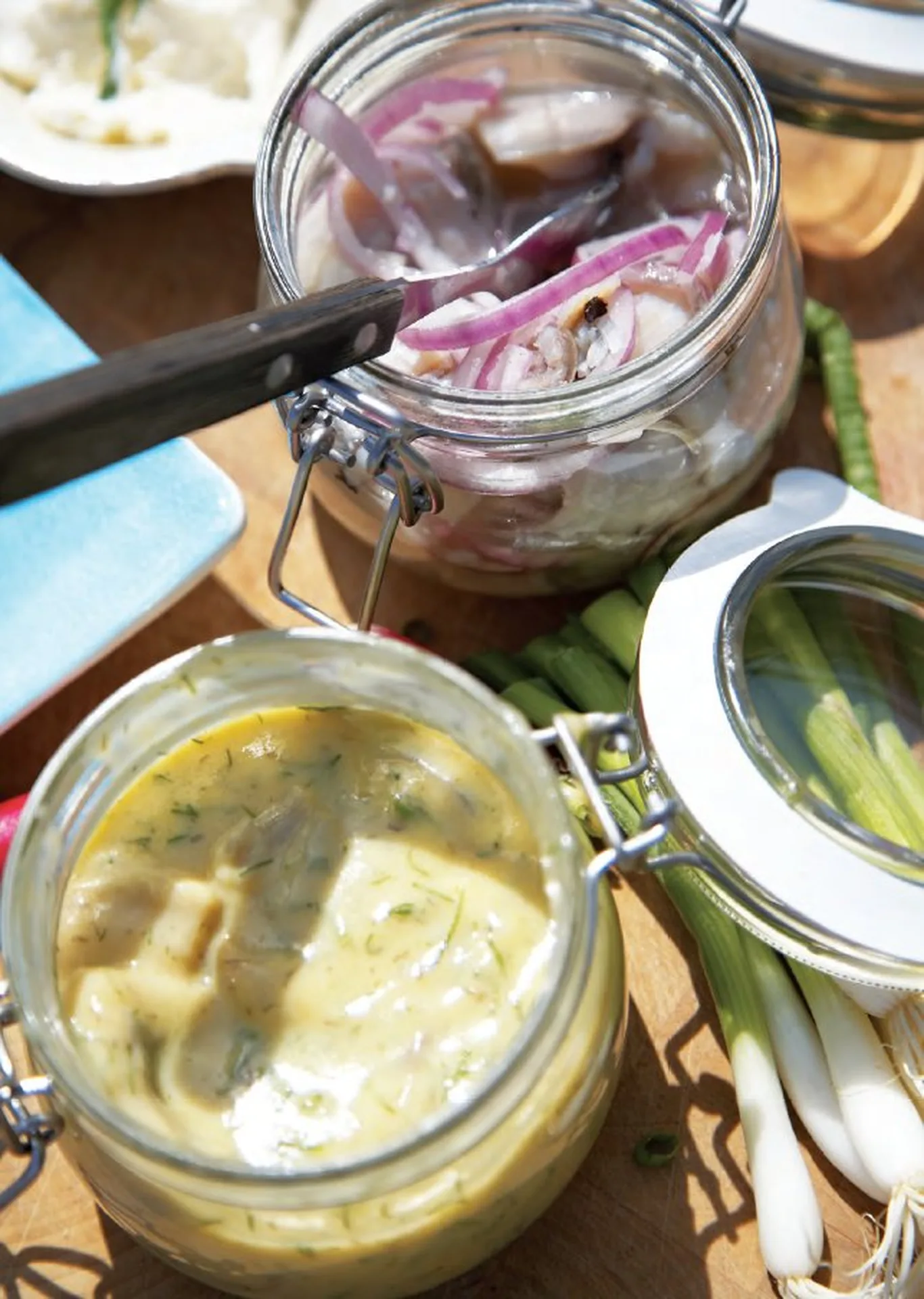
FOTO: carolina_romare