by Ana Maria Bodeanu, photo archive Svenskt Tenn
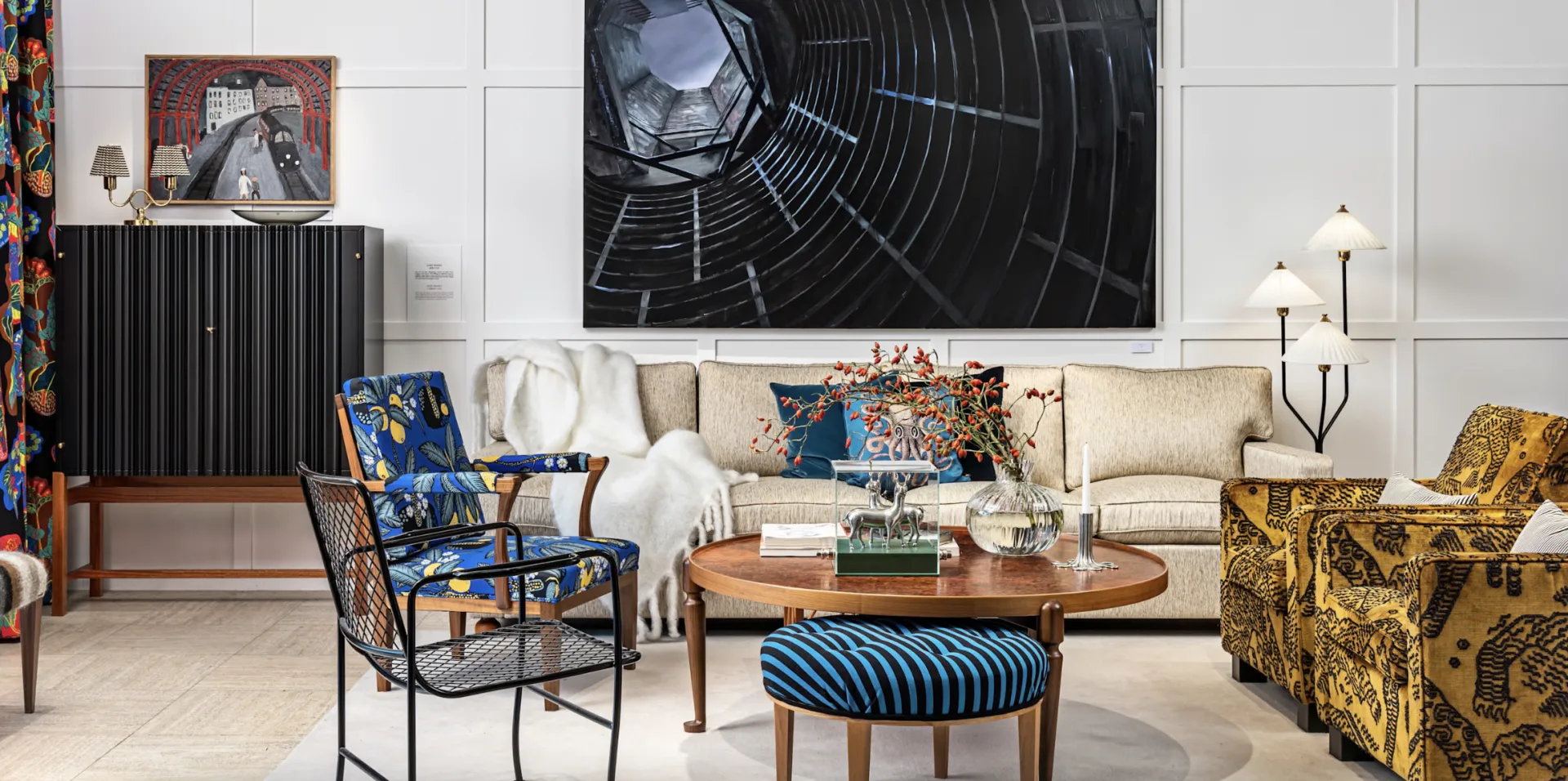
A particular shade of green, or the color of a botanical print are details that have imprinted themselves for generations on the minds and hearts of visitors to the shop on Strandvägen street in Stockholm. It belongs to the house of Svenskt Tenn, the interior design firm that has occupied the same address since 1927 and that represents an exception in Swedish design: warmth and color within a culture associated with restraint. And an unshakable belief that a home must be a place to live in, not an exhibition to admire.
An Inheritance and an Idea
The story begins in the summer of 1924, when Estrid Ericson, a thirty-year-old drawing teacher, received a small inheritance from her father. Rather than save the money, she used it to open a shop. She called it Svenskt Tenn (Swedish Pewter) and filled it with her own metalwork, alongside pieces created by other Swedish craftspeople. It was, as she herself would later admit, a naive beginning, born from an idea that seemed to have no future. "I started Svenskt Tenn naively and rather impractically," she wrote years later. "I depended on an uncertain tomorrow.”
The gamble paid off. Within just a few years, the shop had already outgrown pewter, expanding into furniture and textiles and moving, in 1927, to the address on Strandvägen it still occupies today. Ericson moved into the apartment above the shop and began commissioning furniture for her own home - a habit that permanently blurred the line between the company's showroom and personal living spaces. This blend would become the entire philosophy of the house.
The Austrian Designer Who Changed Everything
Ericson's true creative collaboration began in 1932, when she commissioned furniture from Josef Frank, a Viennese architect already well known through his design firm, Haus & Garten. Frank was Jewish, and in 1933, amid intensifying antisemitism in Austria, he left the country with his Swedish wife. A year later, Ericson offered him something more than a job: a creative sanctuary and complete artistic freedom.
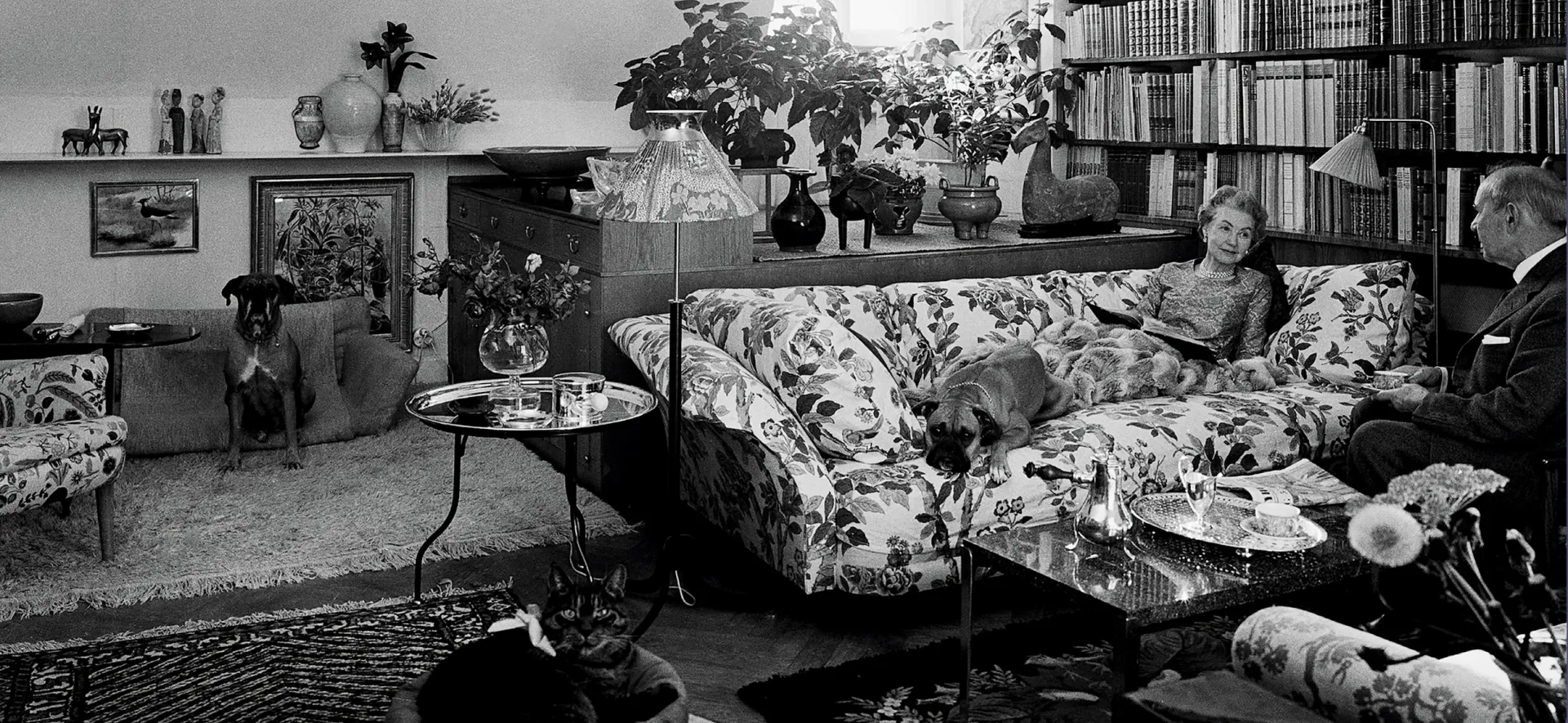
A well-designed room shouldn't look perfect, but should take shape over time, mixing eras, patterns, and colors the way life does
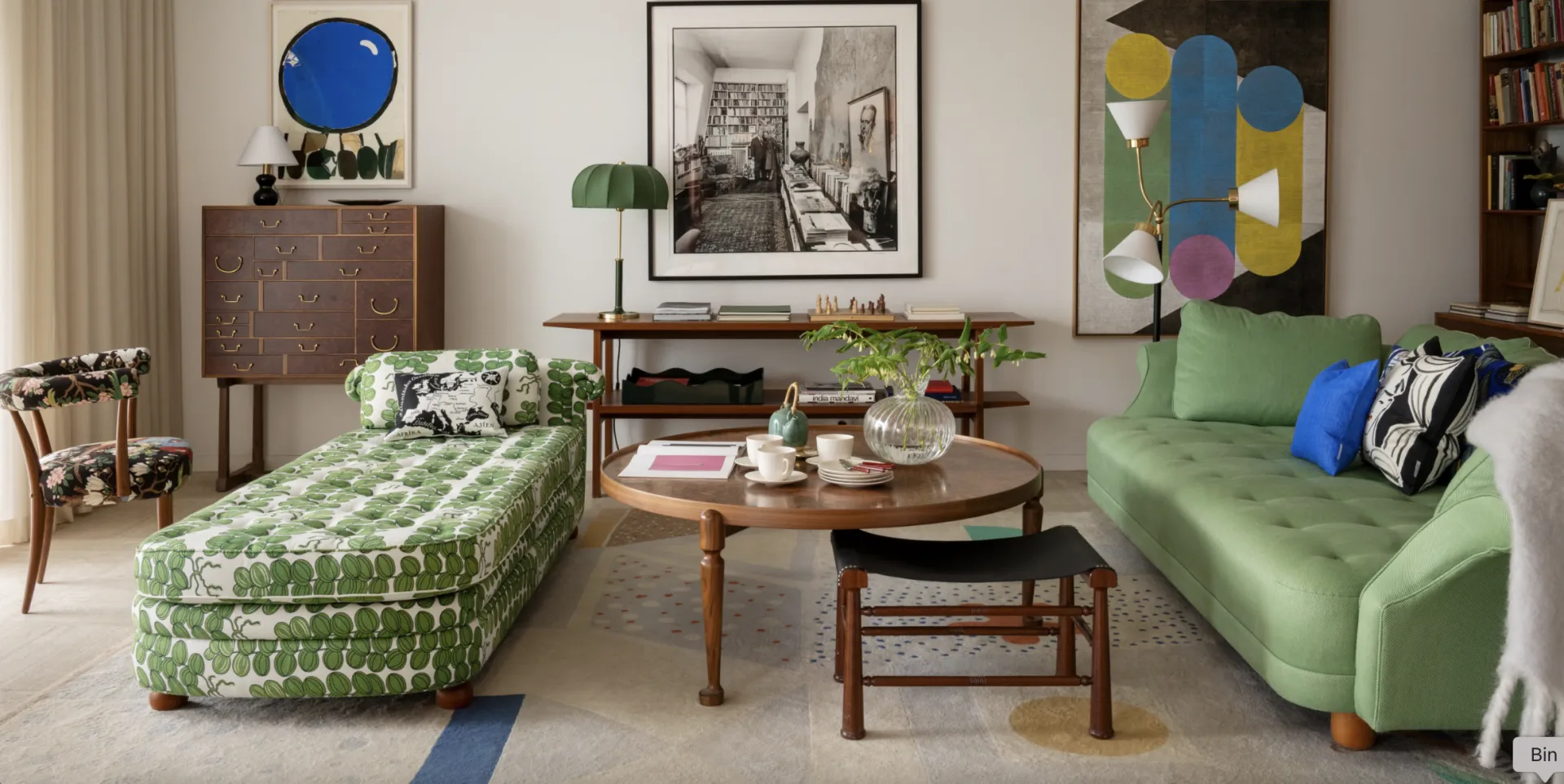
What followed is one of the greatest collaborations in twentieth-century design. Frank rejected the cold functionalism that dominated Scandinavian modernism at the time, championing instead a philosophy he called accidentism — the idea that a well-designed room shouldn't look perfect, but should take shape over time, mixing eras, patterns, and colors the way real life does. He brought explosive botanical prints, unexpected color combinations, and furniture that placed comfort above the trends of the day. He was known for frequently saying: "Why couldn't modernism be fun and accessible? Why do we take modernism so seriously?”
Ericson, whose commercial and presentational instincts were as sharp as her aesthetic sense, knew exactly how to put it all in front of the public. Their creations debuted internationally at the world's fairs in Paris in 1937 and New York in 1939, and their partnership came, somewhat paradoxically, to define the very idea of "Swedish Modern" — a movement Frank had actually set out to complicate, not to serve.
Over the following decades, Frank produced thousands of sketches, furniture designs, and textile patterns, many of which remain in production today. Frank died in 1967, while Ericson ran Svenskt Tenn until 1978 and died in 1981.
Curating an Archive, Without Chasing Trends
What makes Svenskt Tenn special among heritage design houses is the restraint with which it treats its own abundance. Frank left behind a design archive vast enough to keep any company busy for generations: thousands of furniture drawings, sketches, and patterns. Rather than reissue everything or chase seasonal novelty, Svenskt Tenn releases a carefully limited selection each year, treating its own history as an archive that must be curated with care.
This discipline explains why the patterns still look striking rather than dated. A textile print like Manhattan or Hawaii, printed on linen with tangled, oversized foliage, feels more like the current choice of a confident, slightly rebellious decorator than like a design created a hundred years ago. The company still holds the Royal Warrant granted to it in 1928, and a significant share of its range continues to be manufactured in Sweden, by craftspeople trained in traditional techniques.
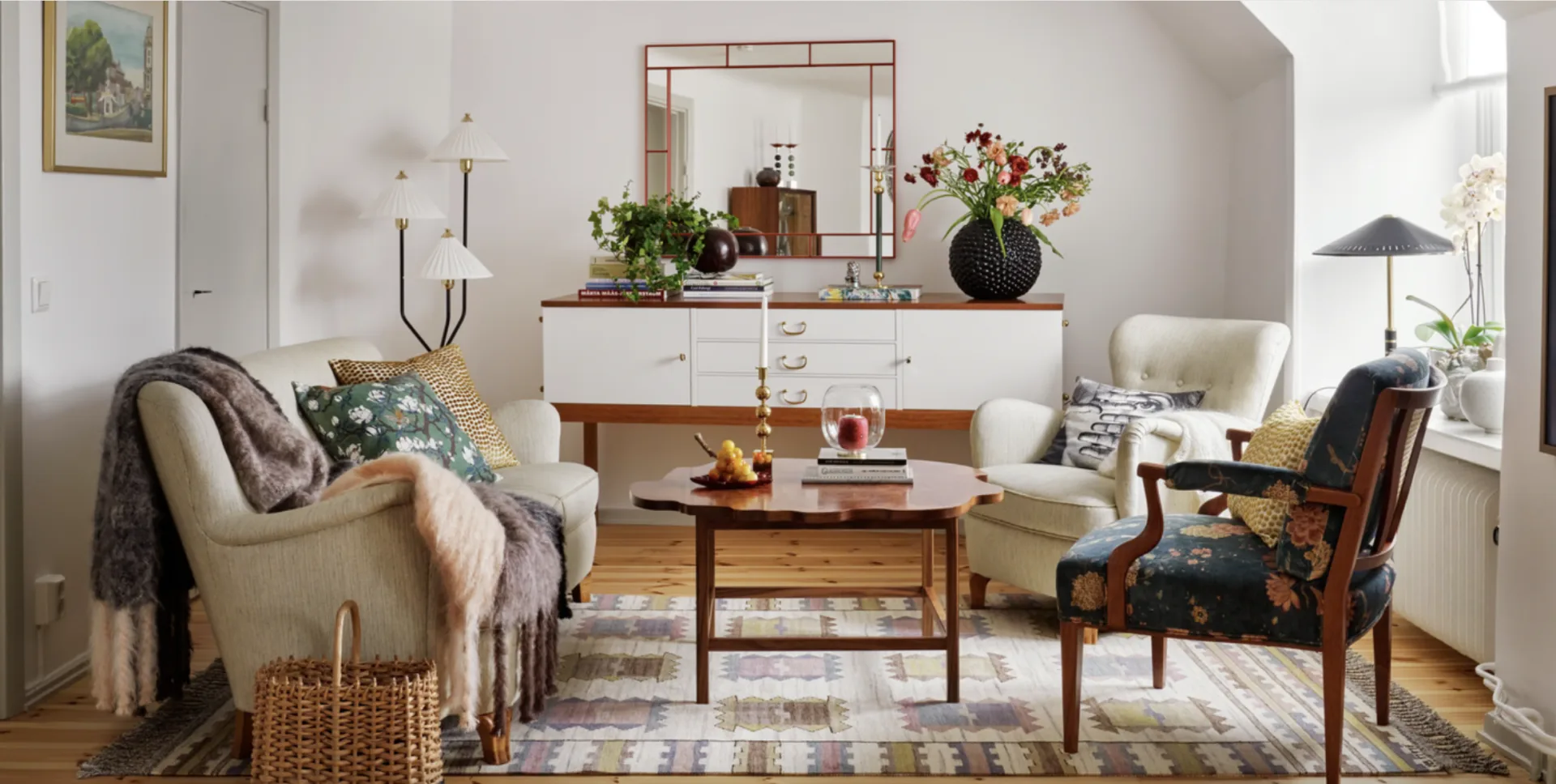
A home is not a style you adopt, but a place that should feel unmistakably, distinctly your own
The Svenskt Tenn Philosophy
Walking through the shop on Strandvägen today, you notice that nothing is arranged like a conventional showroom. Furniture is grouped the way it might sit in a real apartment; patterns clash on purpose; brass, glass, and mahogany sit side by side, defying design rules yet managing to create a surprising, balanced aesthetic. It is, in essence, a permanent argument against the idea that refinement requires restraint.
That argument found a fitting stage in 2024, when Stockholm's Liljevalchs museum marked the company's centenary with the exhibition Svenskt Tenn: A Philosophy of Home, spanning thirteen thematic rooms of furniture, textiles, and previously unseen archival material. For the first time, the exhibition placed Ericson's and Frank's legacies in direct dialogue, tracing how her early functionalist instincts gradually gave way to a warmer, more eclectic vision after his arrival, and how much that shift has endured over time.
Why Svenskt Tenn Still Matters
A century on, the true achievement of the house of Svenskt Tenn may lie less in the design of any particular chair or the identity of a single print, and more in the courage to mix, to combine contrasts, to furnish a room the way life actually unfolds, rather than the way a catalogue suggests it should. In an era of algorithmically flattened interiors, where the same shapes and neutral tones circulate with every new collection, the house that Estrid Ericson built from a small inheritance still insists on something quieter and more difficult: a home is not a style you adopt, but a place that should feel unmistakably, distinctly your own.