by Ana Maria Bodeanu, photo brunellocucinelli.com
Solomeo is for Brunello Cucinelli, what
Maranello is for Ferrari. It is a hilltop hamlet in Umbria, where cypresses
punctuate the horizon and stone houses cluster around a medieval castle. It is
the company’s
HQ, where almost half of the employees work and some of the production is done, more
then 60% by hand) Yet for a small circle of
the world’s
wealthiest dressers, this village has become the spiritual engine of BrunelloCucinelli, the 1.3bn EUR luxury label that has turned the idea of Humanistic
Capitalism into a wardrobe. The story is told with near religious consistency:
through the brand’s advertising, products, stores, events and now even
through a movie: Brunello: the Gracious Visionary directed by Oscar-winning filmmaker Giuseppe Tornatore.
This is quiet luxury in its purest, least social-media-friendly form. There are no logo belts for the nouveau riches, no fragrance ‘gateway drugs’ available on airport shelves, no entry-level sneakers to tempt the merely aspirational. The brand has no iconic product to status-signal to peers. The aim is to buy the whole look in order to look Cucinelli. Clients come to build a wardrobe over years, mixing pieces from past and present collections that are designed to sit together like variations on a theme.
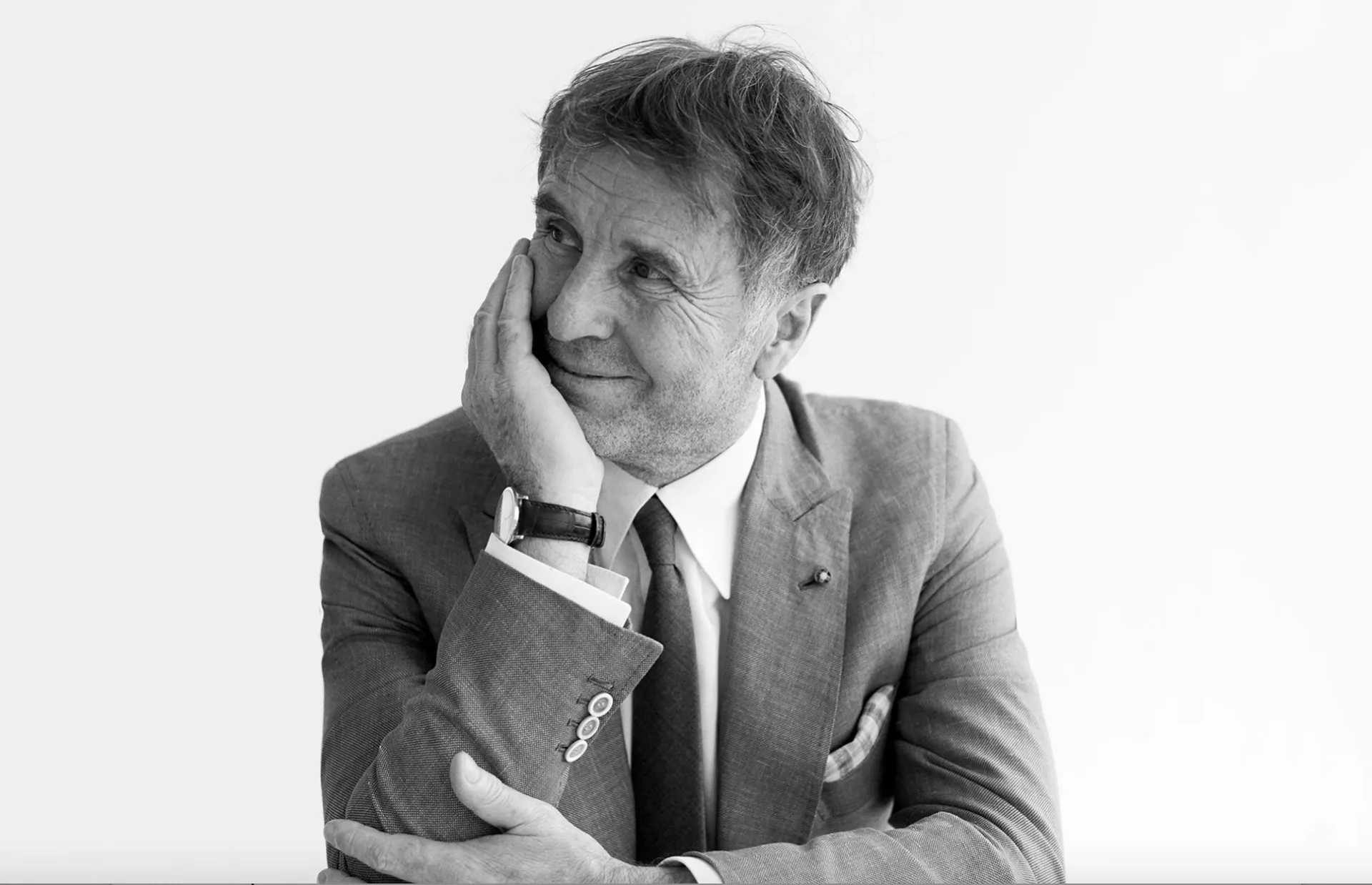
It helps that the theme is discreet privilege. Cucinelli focuses on roughly 500,000 HNWI clients globally. The average ticket is between 1,500-2,000 Euros, and the absence of true entry-level products quietly filters out customers who are not meant to shop there. Cucinelli is, by design, an ‘if you know, you know’ label.
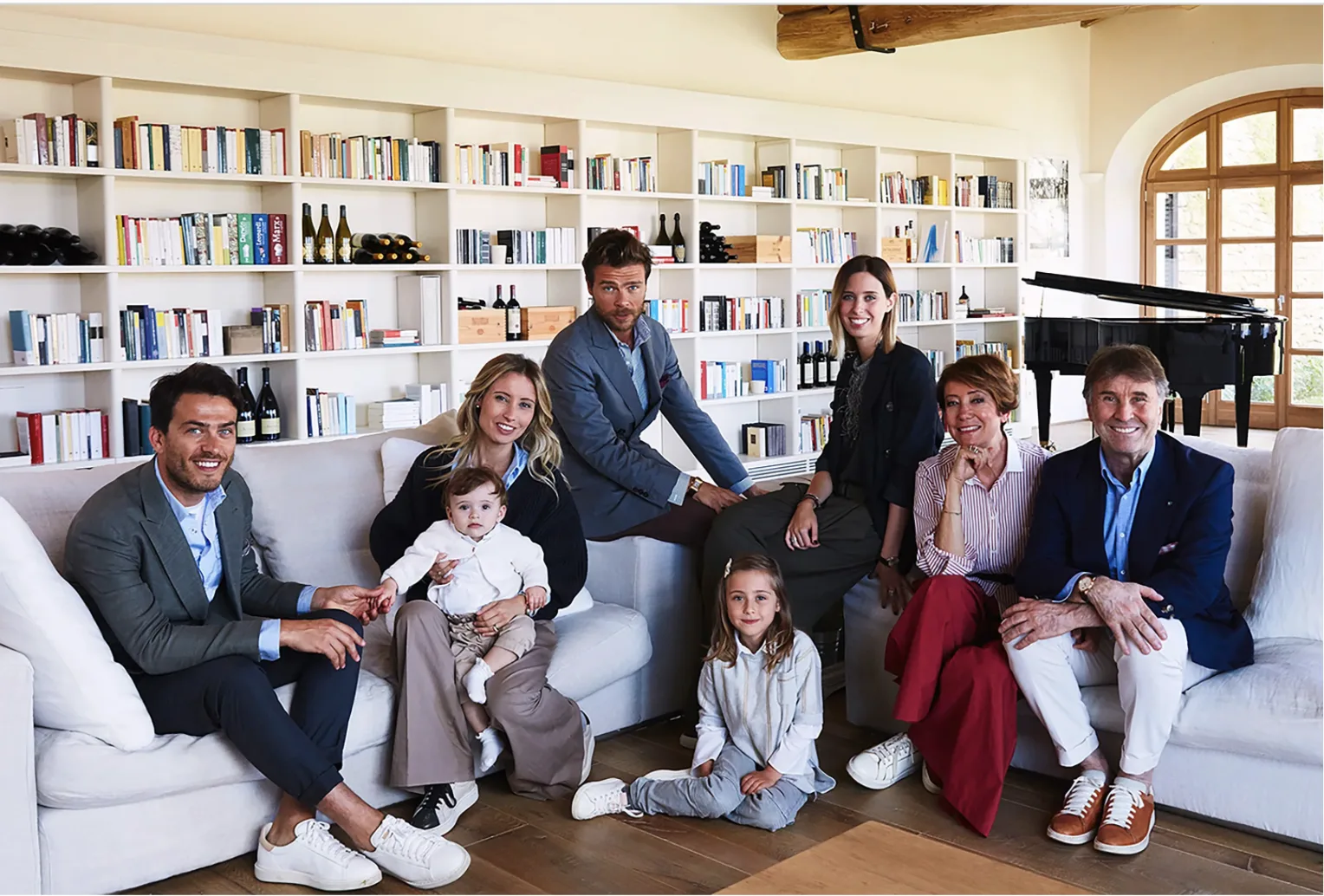
The Cucinelli family is often present, reinforcing the impression that you are entering an extended Umbrian family rather than a corporate machine.
For those who do know, the experience is intimate. The brand courts its restricted clientele with 100-200 person events that feel more like gatherings of a cultivated club than a marketing exercise. One night it might be a golf tournament near Turin, another a dinner at a Casa Cucinelli members’ space, another a private tasting of their own wine (a coupage of Sangiovese, Cabernet and Merlot, of which only 6-8,000 bottles/year are produced). The family is often present, reinforcing the impression that you are entering an extended Umbrian family rather than a corporate machine.
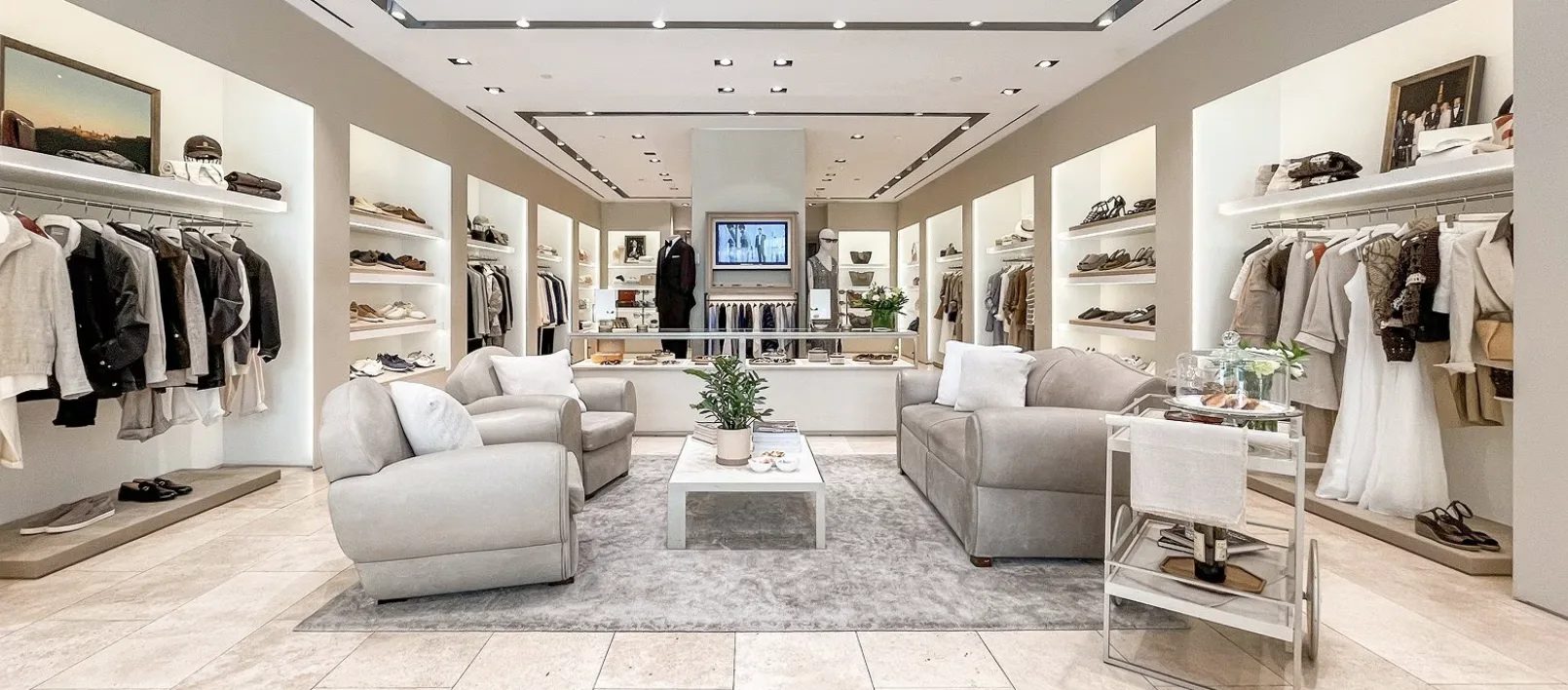
Step into a Cucinelli boutique and the same philosophy applies. Virtually 30% of the floor space is not designed to sell: there are sofas and coffee stations, books and in some cases, libraries. Clients linger for thirty minutes on average, leafing through volumes and talking to sales associates. Locations tend to sit slightly off the most frenetic luxury corridors - close enough to Hermès and Chanel to be in the right neighbourhood, but just removed enough to spare customers the jostle of logo tourists.
Behind the scenes, the brand’s aesthetic is managed less like a genius-led Maison and more like a studio orchestra. Around sixty designers work under the guiding eye of Brunello and his daughters, Camilla and Carolina. The mandate is to stay contemporary, without slipping into fashion’s manic churn. While the brand started off in 1978 with the then innovative idea of coloured cashmere knitwear, today’s designs are inspired by the colours, textures and shapes of Solomeo. Newness comes through incremental changes - a men’s jacket shortened by 1.5cm here, a slightly different shade of biscuit there - and through the pace of delivery: store windows are refreshed every couple of weeks, with product drops that keep regular visitors feeling that something has quietly shifted, without changing at all…